The Reality of the Central Wet Season
If you are heading to Hoi An or Hue between October and January, you are arriving during the monsoon season. This is not a light drizzle; it is a period of heavy, persistent rain that can turn the streets of the Hoi An Ancient Town into temporary canals and keep the mist clinging to the tombs of Hue for days. Locals do not stop moving, and neither should you, but your gear needs to be smarter than the average tourist kit.
Footwear: The Non-Negotiable
Forget leather boots or expensive suede sneakers. They will be ruined within 48 hours. The humidity in Central Vietnam (베트남 / 越南 / ベトナム) is high, and once leather gets soaked, it rarely dries properly before the next downpour.
Pack a pair of high-quality, quick-dry hiking sandals—think brands with solid arch support—that can handle slippery stone paths. For the occasional nicer dinner, a pair of lightweight, synthetic-material loafers or slip-ons that you don't mind getting wet is sufficient. If you are walking around the "Tomb of Tu Duc" or the "Imperial Citadel Thang Long" (note: while the Citadel is in Hanoi, the Hue Imperial City has similar terrain), you want grip. Avoid flip-flops for long days of walking; the mud in Hue can be surprisingly thick, and you do not want to lose a sandal in a puddle.
Clothing: Synthetic Over Cotton
Cotton is your enemy here. It stays damp, becomes heavy, and promotes mold growth in your luggage. Prioritize moisture-wicking synthetic fabrics or lightweight merino wool.
Layering is essential. While it is rarely freezing, the damp air makes the temperature feel lower than it is. A light, packable rain shell is better than a heavy waterproof coat, which will just make you sweat. If you are planning to visit the "Tomb of Khai Dinh" or explore the rural outskirts of Hoi An (호이안 / 会安 / ホイアン), a thin, breathable windbreaker will keep the chill off without overheating you during the humid intervals between storms.

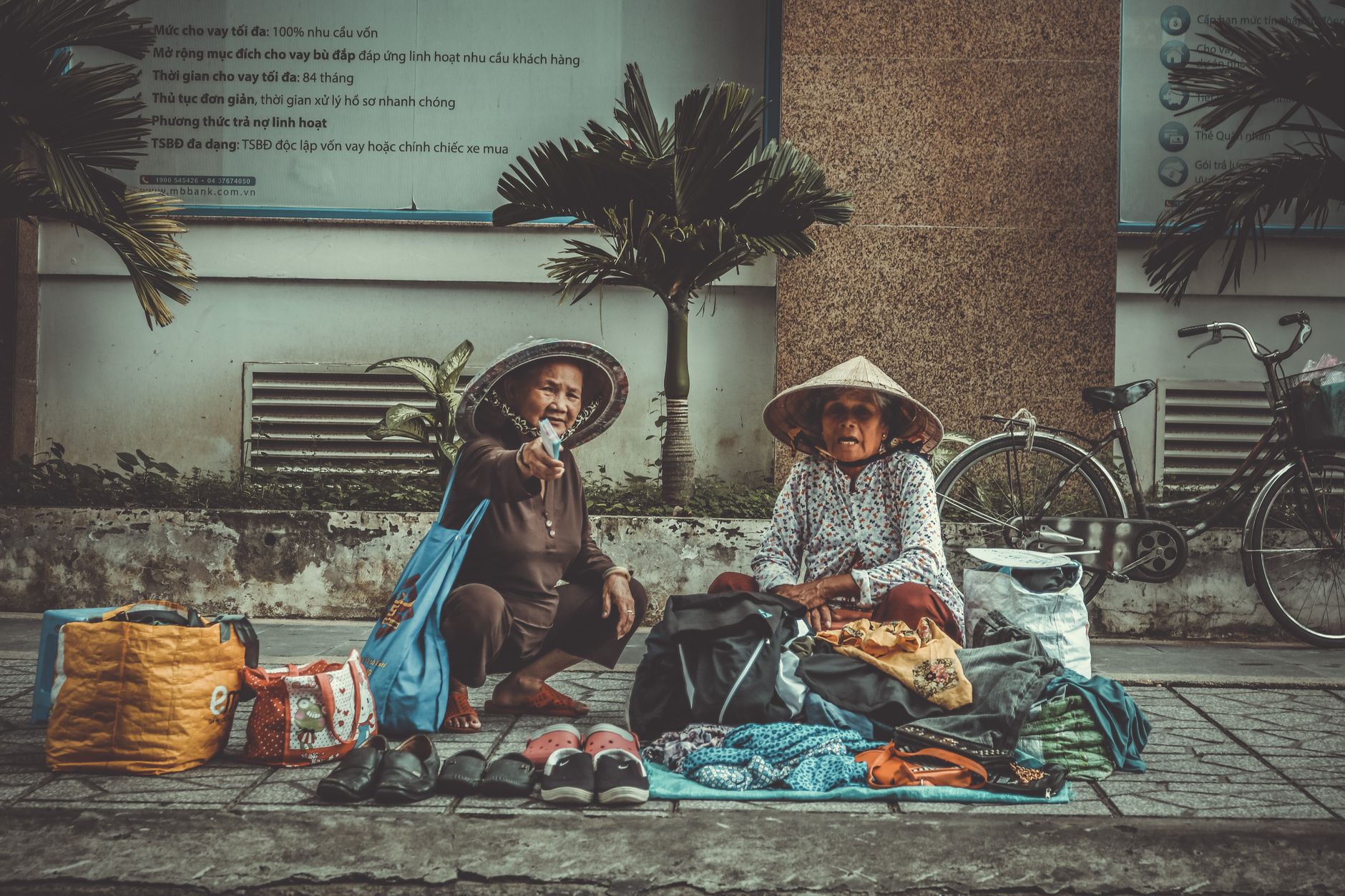
Photo by Loifotos on Pexels
The Gear That Actually Matters
- Dry Bags: Do not trust your standard backpack to keep your electronics dry. Invest in a 10L or 20L dry bag to store your camera, phone, and passport while you are moving between cafes or exploring the city.
- Microfiber Towels: These are essential for wiping down seats on motorbikes or drying off your gear after a sudden burst of rain. They pack small and dry in minutes.
- Phone Protection: A simple waterproof phone pouch that hangs around your neck is a lifesaver. It allows you to navigate using maps without worrying about the screen getting waterlogged.
Navigating the Rain Like a Local
When the rain hits, do as the locals do: duck into a cafe. Central Vietnam has a world-class coffee culture. In Hue, look for a spot serving "vietnamese coffee" or a hot "lotus tea" to wait out the worst of the deluge. In Hoi An, you can easily spend two hours in a riverside cafe with a "banh mi" while the streets clear.
If you are planning to travel between Hue and Hoi An, skip the bus if you can afford a private car. The Hai Van Pass is beautiful, but it is dangerous and miserable on a motorbike during the monsoon. A car allows you to stop at the "Golden Bridge" or other coastal viewpoints without getting soaked.
Photo by Loifotos on Pexels
Common Packing Mistakes
- Overpacking: You will likely end up buying a "non la" (conical hat) or a cheap plastic poncho from a street vendor for 20,000 VND. Do not bring a heavy umbrella; they are useless in the wind and take up valuable space.
- Ignoring Mold: If you are staying for more than a week, keep your dirty clothes in a separate, sealed bag. The humidity is so intense that damp clothes can develop a musty smell in your suitcase overnight.
- Underestimating the Mud: If you are visiting the countryside near Hue, the paths near the tombs can become quite muddy. Bring a pair of socks that you are prepared to throw away at the end of the trip.
Bottom line
Central Vietnam in the wet season is quiet, atmospheric, and significantly cheaper than in the summer months. Pack light, prioritize synthetic fabrics, and accept that you will get a little wet—it is part of the experience.
Last updated · May 30, 2026 · independently researched, never sponsored.