Hue is where Vietnam (베트남 / 越南 / ベトナム)'s imperial past sits visibly on the street. Unlike Hanoi or Saigon, you feel the old court here — in the walled citadel, the riverside pagodas, the tombs of emperors scattered across the countryside. Three days is enough to move slowly through it without the airport-shuttle rush that kills most short visits.
Day 1 — The Citadel & Riverside
Start inside the Imperial Citadel on the north bank of the Perfume River. The entry ticket (150,000 VND per person) gets you into a 2.6 km fortified compound built by Emperor Gia Long in 1805. It's walled like a Napoleonic garrison — because it was designed partly that way. Spend the morning wandering the Forbidden City (the inner court), the Thai Hoa Palace (throne hall), and the Nine Holy Cannons. The tile work and wooden beam carving are intricate; the emptiness is deliberate and haunting. Many buildings don't have roofs anymore. Bring water.
By early afternoon, take a cyclo or taxi to Thien Mu Pagoda, 5 km south, perched on a bluff overlooking the Perfume River. The seven-story octagonal tower (called Phuong Thap) is Hue's symbol. It's peaceful, rarely crowded, and the monks run a tea stall on the grounds. Sit for 20–30 minutes. It costs nothing but a small donation is respectful.
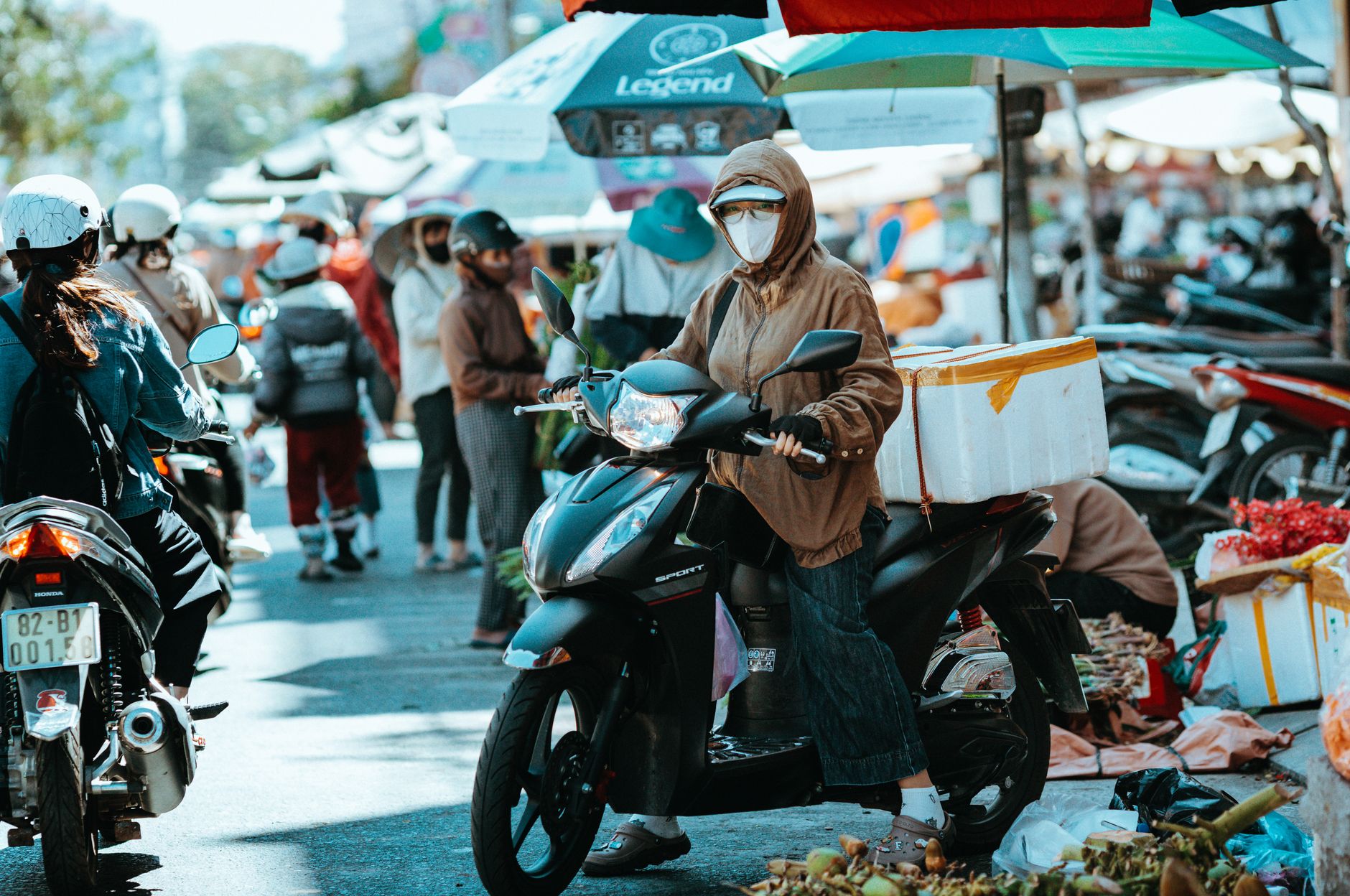
Walk back down toward the river and lose an hour at Dong Ba Market, the chaotic riverside wet market where locals buy fruit, herbs, and dried seafood. This is food-tourism in its realest form — no catering to foreign palates. Buy a bag of dried shrimp or a handful of fresh herbs if you cook. The energy here is pure Hue.
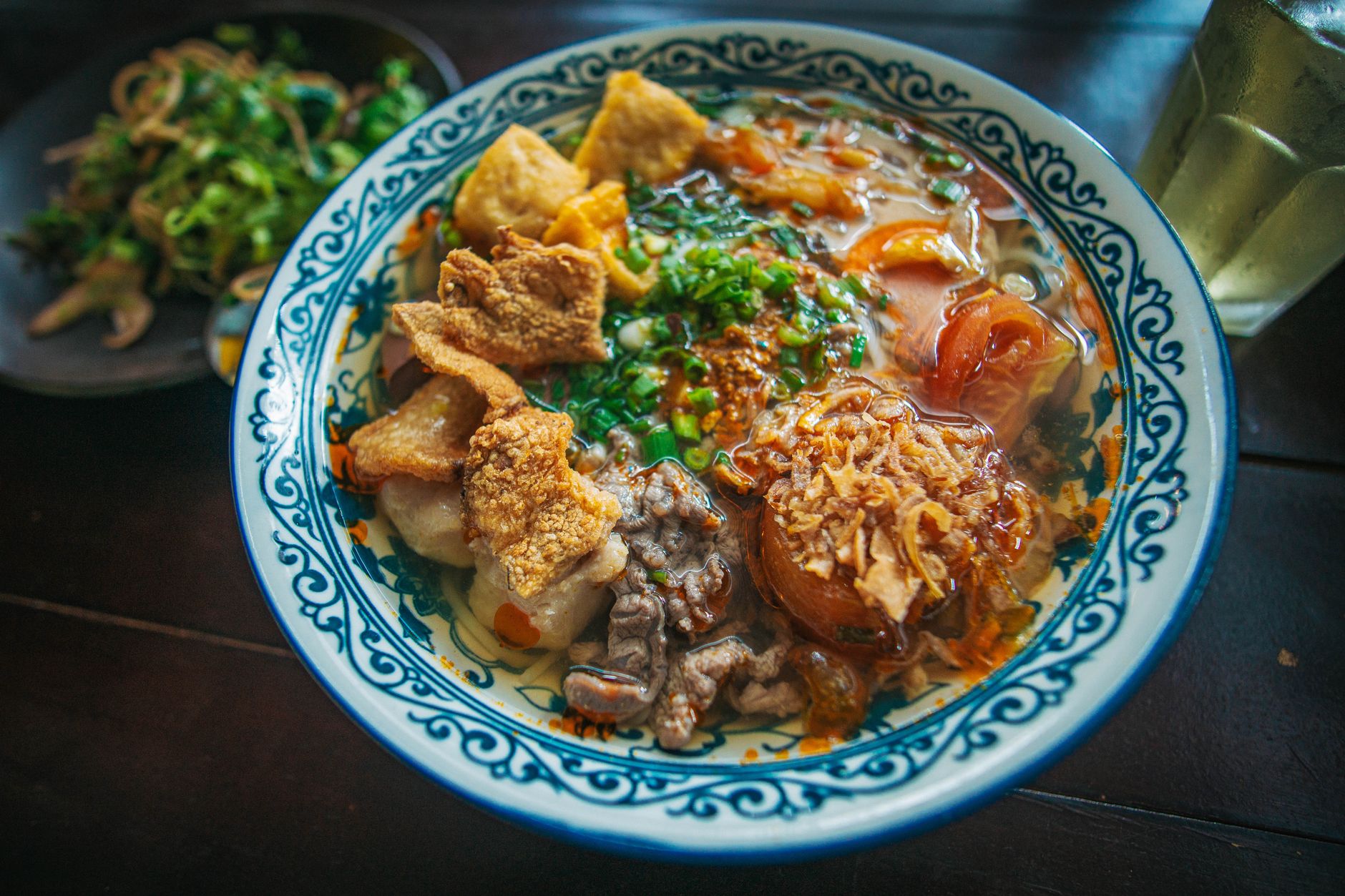
For dinner, eat "bun bo Hue" — the city's signature dish. Bun bo hue is a spicy broth (made from beef bone and lemongrass) served with rice vermicelli, beef, pork knuckle, and pig's blood cake. It's nothing like its milder Hanoi cousin "pho". Try Bun Bo Hue O Nha or Bun Bo Hue Ha Noi, both in the old quarter near the market. A bowl costs 30,000–50,000 VND. Eat it standing at a plastic stool. This is how the city eats.
Day 2 — The Royal Tombs
Rent a motorbike for the day (100,000–150,000 VND from most hotels), hire a driver (250,000–400,000 VND), or join a tour. Three major tombs lie along the Perfume River valley, 10–15 km south of the city, and they're best visited in sequence. Expect 5–6 hours including stops.
Tomb of Minh Mang (20 km south): The earliest and grandest. Built 1840–1843, it has a geometric layout — an avenue of stone animals leading to a series of courtyards and burial mounds. Entry is 100,000 VND. There's almost no shade on the paths; go early or late.
Tomb of Tu Duc (15 km south): The most elaborate and intimate. Tu Duc ruled for 35 years (1848–1883) and designed his own resting place as a retreat palace, not just a tomb. The complex includes a royal theatre, a lake, pavilions, and royal residences. It feels less like a mausoleum and more like a garden that happened to have a burial inside. Entry is 100,000 VND. Hire an on-site guide (150,000 VND) — they explain the iconography and the emperor's affection for the place. Spend at least 90 minutes here.
Tomb of Khai Dinh (12 km south): The last imperial tomb, finished in 1931. It's a hard climb (127 steps) but the architecture is a fusion of Vietnamese and French colonial aesthetics — art deco meets mandarin roofing. The interior chamber has murals and ornate dragon details. Entry is 100,000 VND. The views from the top are worth the sweat.
Done by 4 p.m., take a sunset boat cruise on the Perfume River. Several hotels and the Hue Boat Club (on the waterfront near Trang Tien Bridge) offer 90-minute evening tours (200,000–350,000 VND per person). You'll float past fishermen casting nets, by sampans, past Thien Mu Pagoda lit up at dusk. Dinner on board is sometimes included; otherwise, eat riverside at one of the restaurants near the dock — pho or com tam (broken-rice with fried shallots and egg) are both good.

Image by CEphoto, Uwe Aranas via Wikimedia Commons (CC BY-SA)
Day 3 — DMZ or Bach Ma
You have two solid options depending on mood.
Option A: DMZ Day Trip — If you want history and landscape, join a guided tour to the Demilitarized Zone (30 km north toward the border). Most tours include the Ben Hai River, Vinh Moc tunnels (built by northern forces during wartime), the Khe Sanh Combat Base, and a crossing into the former Quang Tri Province. Full-day tours cost 400,000–600,000 VND and depart at 7 a.m., returning by 6 p.m. It's heavy, sobering travel — not everyone's choice on day three. But if you're interested in 20th-century Vietnam history, it's unavoidable.
Option B: Bach Ma National Park — A 40 km drive south, Bach Ma is a cooler, greener escape into a cloud forest. The park has waterfalls, hiking trails, and a pagoda at the summit. A driver-guided half-day (6–7 hours) costs around 350,000 VND for a small group. The cool air and silence are a palate-cleanser after two days of monuments and crowds. Waterfall hikes take 2–3 hours; easier trails are marked.
End the day with a quiet dinner. Try "mi Quang" (a turmeric-yellow noodle dish unique to central Vietnam) at a street stall, or book a table at one of the riverside restaurants for a final view of the Perfume River. Pack light on snacks or alcohol — many shops close early in Hue.

Image by CEphoto, Uwe Aranas via Wikimedia Commons (CC BY-SA)
Frequently Asked Questions
How much does it cost to visit Hue's Imperial Citadel?
Entry to the Imperial Citadel costs 150,000 VND per person. That ticket covers the full 2.6 km fortified compound built by Emperor Gia Long in 1805, including the Forbidden City inner court, Thai Hoa Palace throne hall, and the Nine Holy Cannons. Thien Mu Pagoda, 5 km south, is free to enter — a small donation is considered respectful.
What is bun bo Hue and how is it different from pho?
Bun bo Hue is the city's signature noodle dish: a spicy broth made from beef bone and lemongrass, served with rice vermicelli, beef, pork knuckle, and pig's blood cake. It is noticeably spicier and richer than pho. A bowl costs 30,000–50,000 VND at local spots like Bun Bo Hue O Nha or Bun Bo Hue Ha Noi, both near Dong Ba Market in the old quarter.
When should you visit the royal tombs to avoid heat and crowds?
The three major tombs — Minh Mang, Tu Duc, and Khai Dinh — lie 10–20 km south of Hue and take 5–6 hours to visit in sequence. The Tomb of Minh Mang has almost no shade along its paths, so going early in the morning or late afternoon is advisable. Rent a motorbike (100,000–150,000 VND) or hire a driver (250,000–400,000 VND) to reach all three comfortably.
Practical notes
Best time to visit is October to April (dry, cool). May–September is hot and wet. Most sights open 7 a.m.–5 p.m. Hue's Old Quarter (Tran Phu Street area) has the best budget hotels and restaurants. Learn the phrase "Em khong an man" (I don't eat salty) if you prefer less salt in dishes — local food is heavily salted. The city is walkable and relaxed compared to Hanoi or Saigon.
Last updated · May 29, 2026 · independently researched, never sponsored.