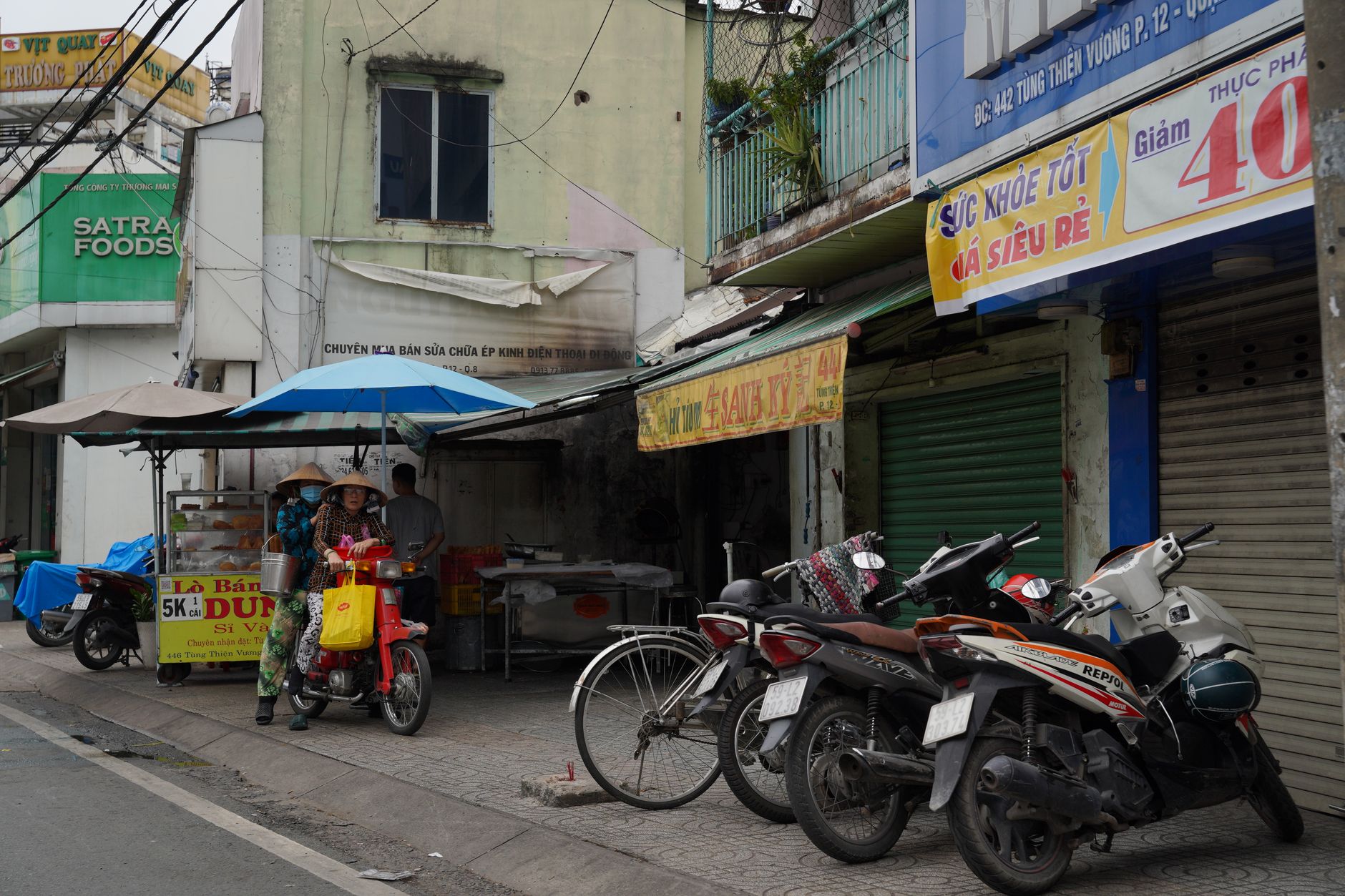
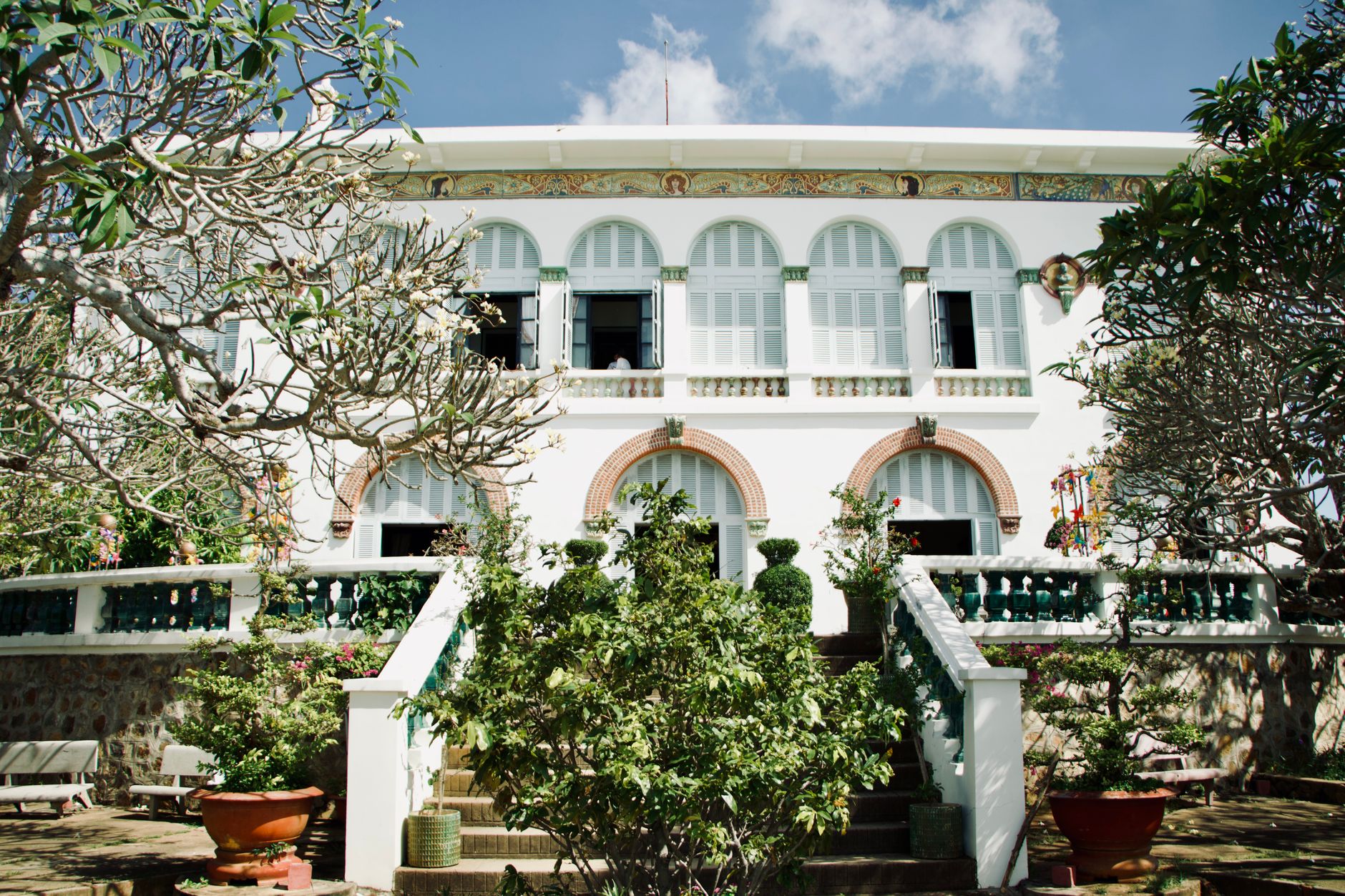
Mui Ne (무이네 / 美奈 / ムイネー) isn't one town—it's three different places strung along the same coastal road, each with its own vibe and price point. Where you stay shapes whether you're eating seafood with locals at dawn or sipping overpriced cocktails poolside at sunset.
The Fishing Village (East End)
This is the original Mui Ne (무이네 / 美奈 / ムイネー), and it's where most Vietnamese come to eat. The coastal section near the fish market and dock—roughly Nguyen Hue Street heading inland—stays cheap because tourism hasn't fully bulldozed it. Guesthouses run 15–40 USD a night. You'll sleep above a seafood restaurant or next to fishermen repairing nets.
The trade-off is obvious: no pool, basic rooms, occasional noise at 4 a.m. when boats head out. Hot water isn't always reliable. But you wake to the sound of the sea, walk 50 meters to breakfast, and eat whatever came in that morning's catch at a quarter of resort-strip prices.
A plate of grilled squid at a dock-side stall costs around 60,000–80,000 VND. A bowl of "bun rieu" — crab-tomato noodle soup — goes for 30,000–40,000 VND at the small shops on the street behind the market. For "banh canh" with thick tapioca noodles and shrimp, look for the vendors near the eastern end of the harbor road; they open around 6 a.m. and sell out by 9. If you want "banh mi" for breakfast, there's a cart near the market gate that charges 15,000–20,000 VND and stuffs the baguette with pate, herbs, and whatever pork is on hand that morning.
Stay here if you want to see how the town actually works. You'll meet other travelers doing the same thing, and the beach is still clean enough for a swim. The downside: if you need air-con, a reliable WiFi signal, or late-night room service, move west.
Suoi Tien Stream (Middle Ground)
About 2 km west of the fishing village, where a small freshwater stream cuts through the sand, a mid-market neighborhood has emerged. Rooms run 30–80 USD. Hotels here aren't fancy, but they're consistently decent: proper double beds, air-con that works, and a restaurant that won't give you food poisoning.
Suoi Tien appeals to visitors who want some comfort without paying resort prices. The beach here is slightly quieter than the village side. A few kite-surf schools operate from this stretch, so you'll see rigs on the sand if the wind is up. Some guesthouses cater specifically to kitesurfers and offer equipment rental or lesson packages.
The stream itself — Suoi Tien, sometimes called the "Fairy Stream" on tourist maps — is worth the walk. You wade barefoot through ankle-deep water between low sandstone walls and palms. It's free, takes about 40 minutes one way, and ends at a cluster of food stalls where you can grab a coconut for 20,000 VND. Go in the morning before the sand heats up.
It's a compromise: calmer than the village, cheaper than the resort strip, and close enough to both that you can walk to restaurants or shops in either direction within 15 minutes.
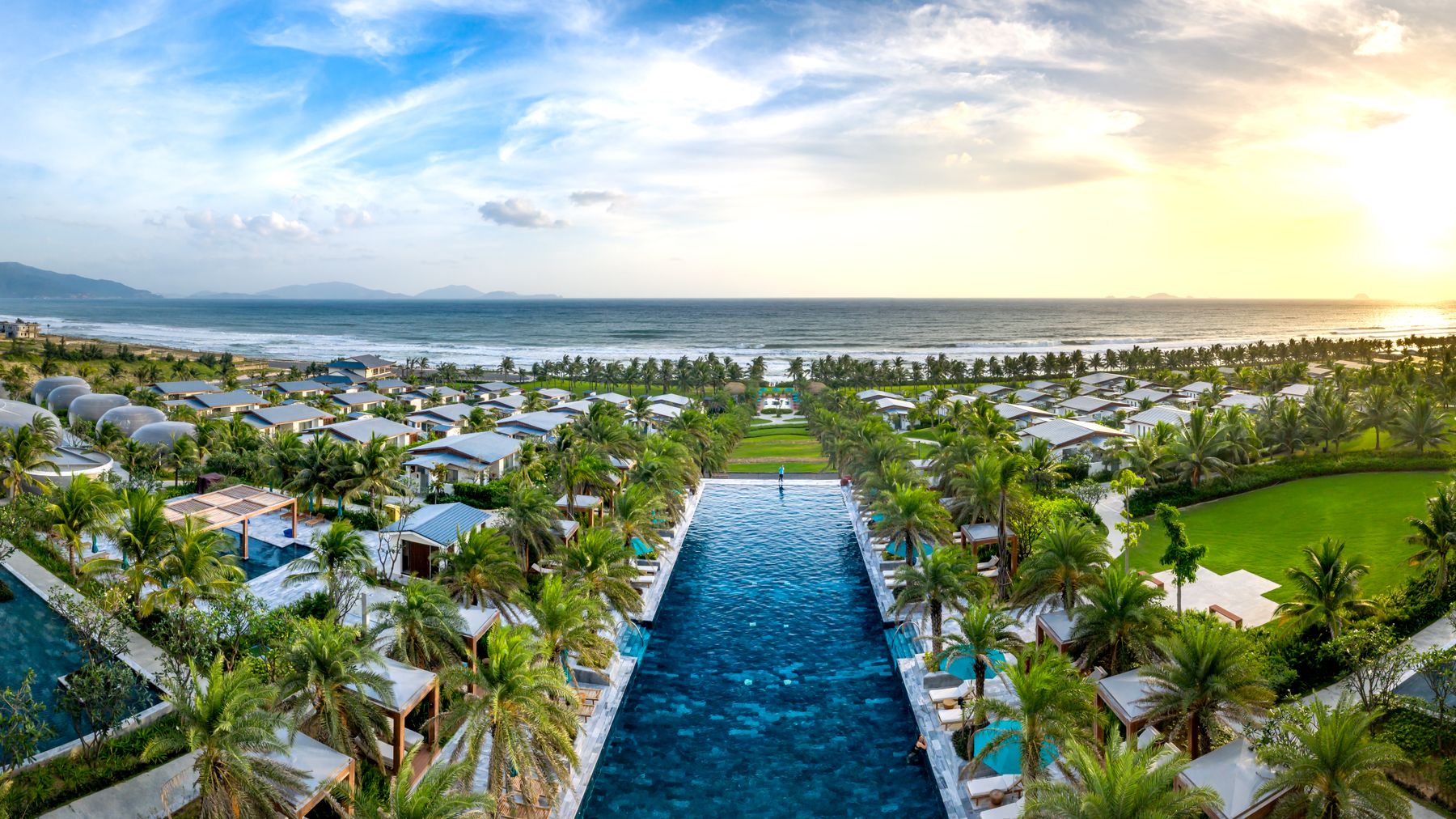
Photo by Quang Nguyen Vinh on Pexels
Resort Strip (West End)
Starting around Nhan Trach Street and stretching toward Ke Ga, the resort corridor is where Mui Ne became internationally famous. Hotels here range from 40 USD for a cramped room to 200+ USD for a beachfront villa. Many are Russian-owned or Russian-heavy in clientele—a legacy of travel-agency partnerships from the 2000s—though that's gradually changing.
These places have pools, reliable WiFi, Western-style breakfasts, and staff trained in hospitality. Some include beach clubs, spa services, and restaurants with wine lists. You can book directly online, check reviews on Agoda or Booking, and know roughly what you're getting.
Food at the resort strip leans international. Expect to pay 120,000–200,000 VND for a main course at a hotel restaurant. If you want local food without the markup, walk to the cluster of Vietnamese restaurants on the inland side of Nguyen Dinh Chieu Street near the Coop Mart — "com tam" (broken rice with grilled pork) and "pho" are both around 40,000–55,000 VND there.
The catch: the beach here is narrower and often windier (hence the kite-surfing). The atmosphere is heavily touristic. You're paying for predictability, not discovery.
Which Neighborhood for Kite-Surf?
If you're here to fly a board, Suoi Tien is your sweet spot. The wind is reliable October–April, and several schools (IKC, Kite Club, Boardriders) operate from mid-range hotels in that zone. They offer training packages bundled with accommodation. Expect to pay 250–400 USD for a 3-day beginner course plus a basic room.
The resort strip also hosts kitesurfers, but you'll pay more and compete with sunbathers for beach space. The fishing village isn't ideal for lessons because the bay is shallower and the currents vary.

Photo by Serg Alesenko on Pexels
Money Moves
Fishing village: expect to pay cash. ATMs are nearby, but not inside every guesthouse. Credit cards aren't always accepted.
Suoi Tien and resort strip: both accept cards and have ATMs. Most hotels can pre-charge you online.
Tipping is not expected at guesthouses or local restaurants. At resort hotels, a 50,000–100,000 VND tip for housekeeping or a particularly helpful receptionist is appreciated but not required. Avoid changing money with street vendors — exchange rates at gold shops or ATMs are more reliable and far less likely to involve counterfeit notes.
Getting to Mui Ne and Moving Around
Mui Ne is roughly 200 km northeast of Saigon (Ho Chi Minh City) and about 300 km south of Da Nang. Most visitors arrive from Saigon by sleeper bus — the ride takes 5–6 hours and costs 150,000–250,000 VND depending on the company. Buses drop you on Nguyen Dinh Chieu Street, the main coastal road, so tell the driver which neighborhood you're heading to or you'll end up at whatever stop the bus company partners with.
From Hanoi, the simplest route is to fly into Cam Ranh) and then take a 4-hour bus or taxi south. Direct trains from Saigon to Phan Thiet station also run daily; the station is about 12 km from Mui Ne's center, and a taxi from there costs around 150,000–200,000 VND.
Once you're in Mui Ne, the three neighborhoods stretch along a single road for about 10 km. Walking between them is possible but slow and hot. Rent a motorbike for 150,000–200,000 VND per day (6–8 USD) from your guesthouse or a rental shop. If you don't ride, Grab works here but drivers are fewer than in Saigon — expect a 5–10 minute wait. A xe om (motorbike taxi) between the fishing village and the resort strip runs about 40,000–50,000 VND.
What to Eat and Where to Find It
Mui Ne's food identity is seafood and Phan Thiet-style dishes. The fishing village is the obvious starting point, but good food turns up in all three zones if you know where to look.
Fishing village: The harbor-side restaurants serve whatever came in that morning. Point at a tank or a tray of iced fish, agree on a price per kilo (typically 150,000–300,000 VND for common species like red snapper, squid, or shrimp), and they'll grill, steam, or fry it. "Muc nuong" (grilled squid) is the default order. Pair it with a cold Saigon beer or a "bia hoi" if any of the local joints have it on tap — 10,000–15,000 VND per glass. For a quick lunch, "hu tieu" (southern-style pork noodle soup) is available from several shopfront kitchens for 35,000–45,000 VND.
Suoi Tien area: Restaurants here cater to a mixed crowd. You'll find "goi cuon" (fresh spring rolls) and "banh xeo" (crispy turmeric crepe stuffed with shrimp and bean sprouts) on most menus, typically 40,000–70,000 VND per serving. A few places serve decent "ca phe sua da" — Vietnamese iced coffee with condensed milk — for 20,000–25,000 VND. If you want something closer to Saigon street food without going to Saigon, look for the small "com binh dan" (cheap rice-and-sides) shops on the inland side streets.
Resort strip: International menus dominate, but a handful of Vietnamese-run restaurants along Nguyen Dinh Chieu hold their own. Look for places where locals actually eat lunch — plastic chairs and a handwritten menu board are good signs. "Bun cha" isn't native to Mui Ne (it's a Hanoi thing), but a couple of northern-style restaurants have opened near the Coop Mart and do a reasonable version for 50,000–60,000 VND.
One Phan Thiet specialty worth seeking out: "banh canh cha ca" — thick noodles in a fish-cake broth. It's more common in Phan Thiet city proper (12 km inland), but a few stalls near the fishing village serve it in the mornings.
Day Trips and Side Excursions
You don't need to leave Mui Ne to fill a week, but a few excursions are easy from any of the three neighborhoods.
White Sand Dunes and Red Sand Dunes: The white dunes are about 30 km northeast of the fishing village. Go at sunrise — by 8 a.m. the sand is too hot to walk on barefoot. Entry is free; ATV rentals at the dune base cost 150,000–400,000 VND depending on duration and your bargaining. The red dunes are closer, about 5 km north of the resort strip, and are best at sunset. Both are reachable by motorbike or by booking a cheap jeep tour (200,000–350,000 VND per person) through your hotel.
Phan Thiet city: Twelve kilometers inland, Phan Thiet is a real working city, not a tourist strip. The central market sells dried seafood, fish sauce (Phan Thiet is Vietnam's fish sauce capital — "nuoc mam" from here is shipped nationwide), and fruit. It's a useful half-day trip if you want to see a Vietnamese city that hasn't been reshaped for visitors.
Ke Ga Lighthouse: About 30 km south of the resort strip, this French-colonial lighthouse sits on a small island accessible by coracle boat (50,000 VND round trip). It's quiet, photogenic, and almost empty on weekdays. The ride down takes about 45 minutes by motorbike on a decent coastal road.
If you're continuing your trip south, Phu Quoc is a short flight from Saigon, and if you're heading north, Da Lat is reachable by bus in about 4 hours through mountain roads — a sharp contrast to Mui Ne's flat, sandy coast.
What Surprises Foreigners
The wind is serious. From November through March, Mui Ne gets steady, strong wind. Great for kitesurfing, less great for beach lounging. Sand blows into everything. If you're here for a calm beach holiday, aim for April–September instead, when the sea is calmer but the town is hotter and wetter.
The fishing village smells like a fishing village. Fish sauce production and fresh catch drying on racks along the road produce a strong, persistent smell. It's authentic, but if you have a sensitive nose, stay upwind — which usually means west.
Distances feel longer than they look on a map. The 10 km between the fishing village and the far end of the resort strip doesn't sound like much, but with the heat, the uphill grades, and the lack of shade on parts of the road, walking is only fun in the early morning or late afternoon. Budget for a motorbike or Grab rides.
Russian signage is everywhere on the resort strip. Menus, shop signs, and spa boards are often in Russian before English. This doesn't affect your experience much, but don't be surprised if a restaurant hands you a Cyrillic menu first. Just ask for the English one — or the Vietnamese one, which usually has lower prices.
Seafood pricing is negotiable. At the fishing village, prices at tank-and-grill restaurants aren't always fixed. Ask "bao nhieu mot ky?" (how much per kilo?) before ordering, and confirm the cooking method. Miscommunication on weight or preparation is the most common source of bill shock.
Quick Reference
- Fishing village: 15–40 USD/night, cash-heavy, seafood-focused, noisy mornings, best for budget travelers and food lovers
- Suoi Tien area: 30–80 USD/night, cards accepted, kite-surf schools nearby, Fairy Stream walking distance, good middle ground
- Resort strip: 40–200+ USD/night, pools and WiFi, Russian-influenced, narrower beach, best for comfort seekers
- Motorbike rental: 150,000–200,000 VND/day (6–8 USD)
- Saigon to Mui Ne bus: 150,000–250,000 VND, 5–6 hours
- Phan Thiet train station to Mui Ne center: ~12 km, taxi 150,000–200,000 VND
- Kite-surf season: October–April
- Best swimming weather: April–September
- Useful phrases: "Bao nhieu?" (how much?), "Tinh tien" (the bill, please), "Khong can tui" (no bag needed)
Practical Notes
Visit the fishing village during the day to scout guesthouses before booking; many aren't on Booking.com. The road between zones is walkable but 20+ minutes uphill in heat—consider renting a motorbike (6–8 USD a day) if you plan to hop around. Wind is strong May–September; the beach can be rough and less appealing for swimming.
Final Note
Mui Ne rewards you for picking the right neighborhood — not the most expensive one. Spend a night in the fishing village even if you end up moving to the resort strip later. The morning light on the harbor, the 30,000 VND bowl of noodles, the sound of diesel engines heading out to sea — that's the version of this town worth remembering. Book your comfort, but walk east at least once.
Last updated · May 29, 2026 · independently researched, never sponsored.