Overview
This itinerary runs the Vietnamese coast south from Da Nang to Saigon in seven days. You'll take a scenic train ride to Nha Trang (냐짱 / 芽庄 / ニャチャン), spend time in two beach towns, then overnight bus into Saigon. It's a natural downhill flow that doesn't require doubling back.
Expect 16–18 hours of transport across the week. Buses and trains are cheaper than flights, and you'll see countryside and coastline you'd miss from 35,000 feet. Accommodation and food outside Saigon (사이공 / 西贡 / サイゴン) and Hoi An are inexpensive—₫150,000–300,000 ($6–12 USD) per night for mid-range hotels.
Day 1 — Arrive Da Nang, settle Hoi An
Fly into Da Nang (the main airport for central Vietnam). If you land early, take a taxi or Grab into Hoi An (about 30 km, 45 minutes, ₫150,000–200,000).
Hoi An's Old Town is compact: spend the afternoon walking the lantern-hung streets along the Thu Bon River, browsing tailor shops, and grabbing coffee at one of the riverside cafes. The town is packed with tourists, but the geometry and low traffic make it walkable. Reserve a table at a "banh mi" or seafood spot for dinner—the riverside restaurants are tourist-marked-up but do solid work. Expect ₫100,000–200,000 per person for a good meal.
Stay in Hoi An itself (not Da Nang), where hotels are mid-range and the evening vibe is actually pleasant once day-trippers leave around 6 p.m.
Day 2 — Hoi An beach and market
Walk down to Hoi An Beach (about 5 km from the Old Town, 15 minutes by bicycle or Grab). It's less glossy than other Vietnamese beaches but calm and swimmable. Rent a bicycle (₫30,000/day) and pedal to quiet stretches north of the main strip.
Back in town for lunch, hit Cao Lau at one of the Old Town restaurants (look for the iconic three-word storefronts)—it's a Hoi An-only noodle dish with pork and crispy crouton-like "banh mi" pieces. Order "banh canh" if you want a thick pork-and-crab broth alternative.
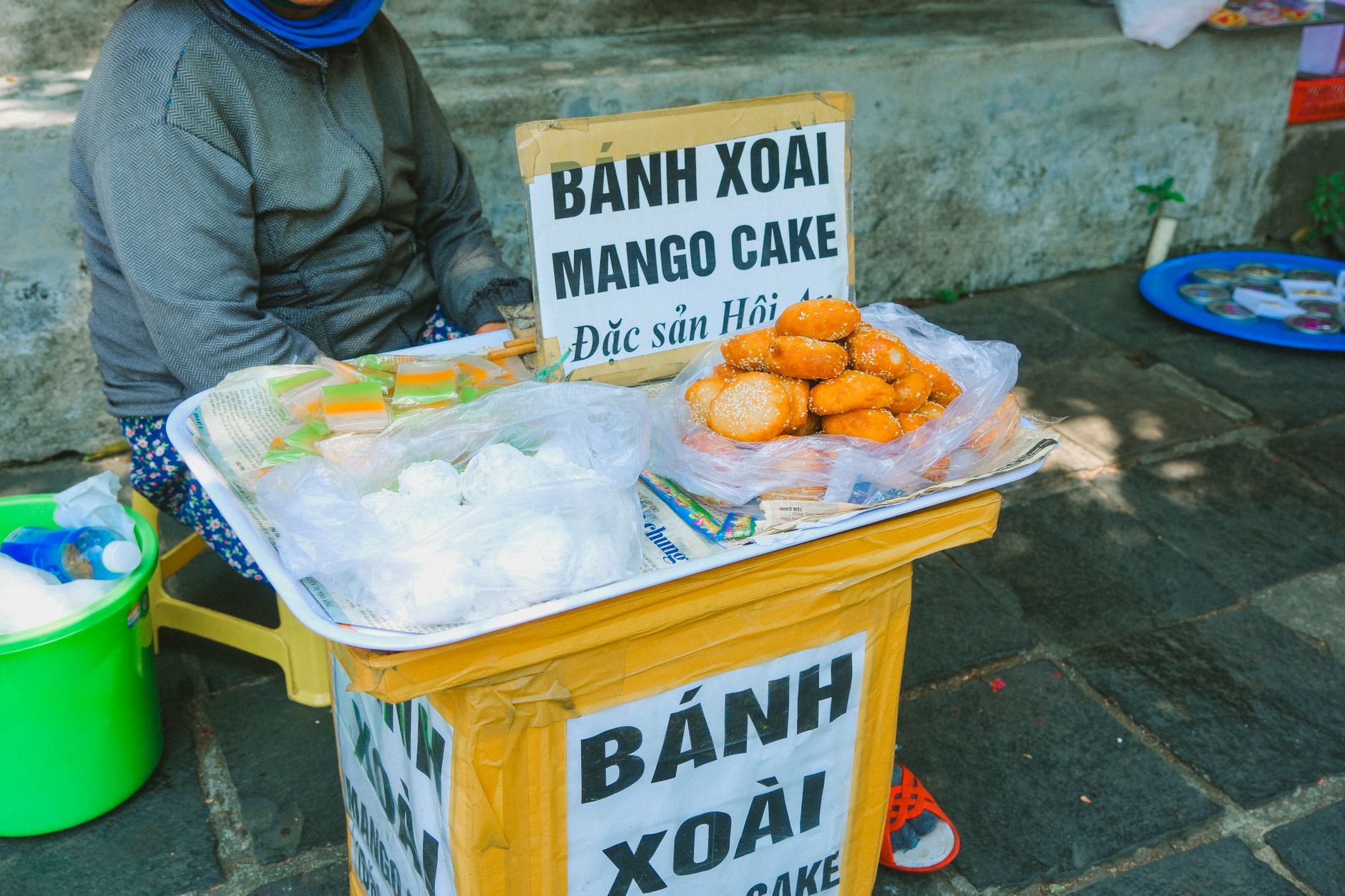
Spend the late afternoon at Hoi An Central Market (near the river). It's a working market, not a tourist trap—piles of local fruit, fresh "[banh chung](/posts/banh-chung-tet / 越南春节 / テト)-sticky-rice-cake)" (square rice cakes), and street stalls. Walk through, buy nothing, just get a feel for the town's rhythm.
Eat dinner early so you can catch a 7 or 8 p.m. train to Nha Trang. Book your ticket online via Baolau.com or Travelandtourism.com a day ahead (₫100,000–150,000, about 6 hours).

Photo by Tuan Vy on Pexels
Day 3 — Train ride to Nha Trang
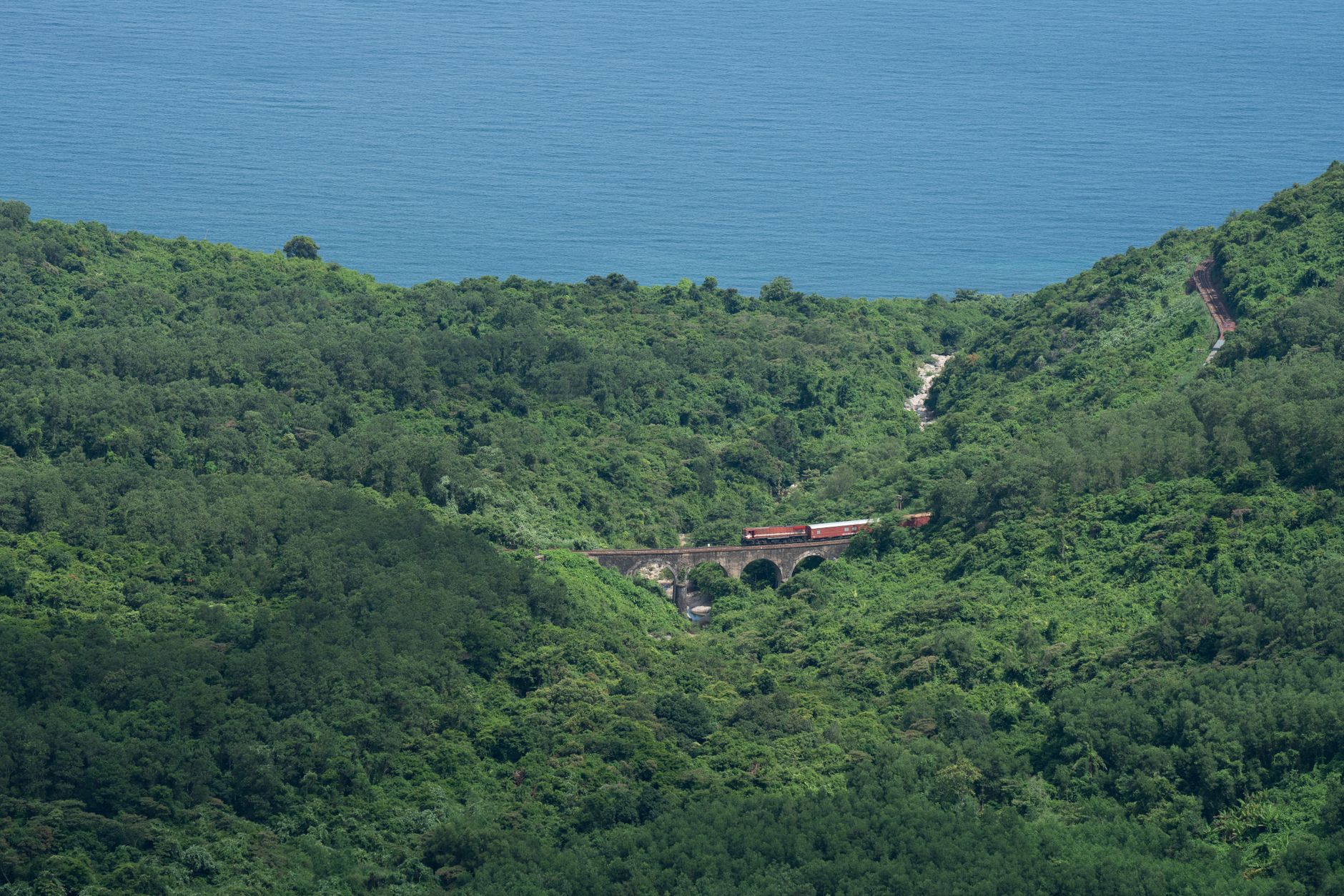
The overnight train from Hoi An to Nha Trang leaves in the evening and arrives around dawn or early morning (depending on the service). Book a soft-sleeper cabin (4-berth) for comfort—you'll sleep alongside other travelers, but it's a quintessential Southeast Asia experience. The fare includes a simple breakfast and a view of the central coastline at sunrise.
If you arrive very early, check into a nearby hotel and nap, or drop your bags and hit the beach while you wait for the standard 2 or 3 p.m. check-in time. Nha Trang's waterfront promenade (along Tran Phu Street) is a good place to walk off travel stiffness.
Day 4 — Nha Trang beach and Po Nagar
Nha Trang has a long crescent beach and is a working fishing port and small-city mix—less polished than Hoi An, more lived-in. Swim at Nha Trang Beach (north of Tran Phu Street) in the morning before crowds arrive.
Arrive early (around 8 a.m.) at Po Nagar, a Hindu-Buddhist temple complex on a rocky outcrop north of the main beach. The views of the coast and fishing boats are excellent, and the site is quieter in early morning. Climb the stone steps to the main tower ("Cham towers"). Admission is ₫50,000. There's a small museum below.
For lunch, eat "banh hoai" (Hoi An-style crispy dumplings, also served in Nha Trang) or fresh fish at one of the street-side restaurants along the beach. Nha Trang's restaurant scene is casual and cheap—₫50,000–100,000 for a full meal.
Spend the afternoon swimming or walking the promenade. Book a sleeping bus ticket to Saigon for the following night (see Day 6).
Day 5 — Day trip to Mui Ne
Mui Ne is a small resort beach town 240 km south of Nha Trang, known for kiteboarding and red/white sand dunes. You have two options:
Option A (skipping Mui Ne): Stay an extra night in Nha Trang and sleep-bus directly to Saigon on Night 5.
Option B (recommended): Take a morning bus from Nha Trang to Mui Ne (about 5 hours, ₫120,000–150,000, departing 6–7 a.m.). Buses leave from the main station (Nha Trang Coach Station) or are bookable via your hotel.
If you go: Arrive Mui Ne around lunchtime. Check in to a beach bungalow (₫150,000–250,000). Spend the afternoon swimming or renting a quad bike to see the red sand dunes at sunset (₫100,000–150,000 for a few hours). Eat fresh grilled fish at one of the beachfront restaurants. The town is tourist-oriented but still affordable and low-key compared to Saigon.
Take an evening bus back to Nha Trang (or directly to Saigon, if available), or book your overnight sleeper bus from Mui Ne to Saigon the following evening and stay two nights.
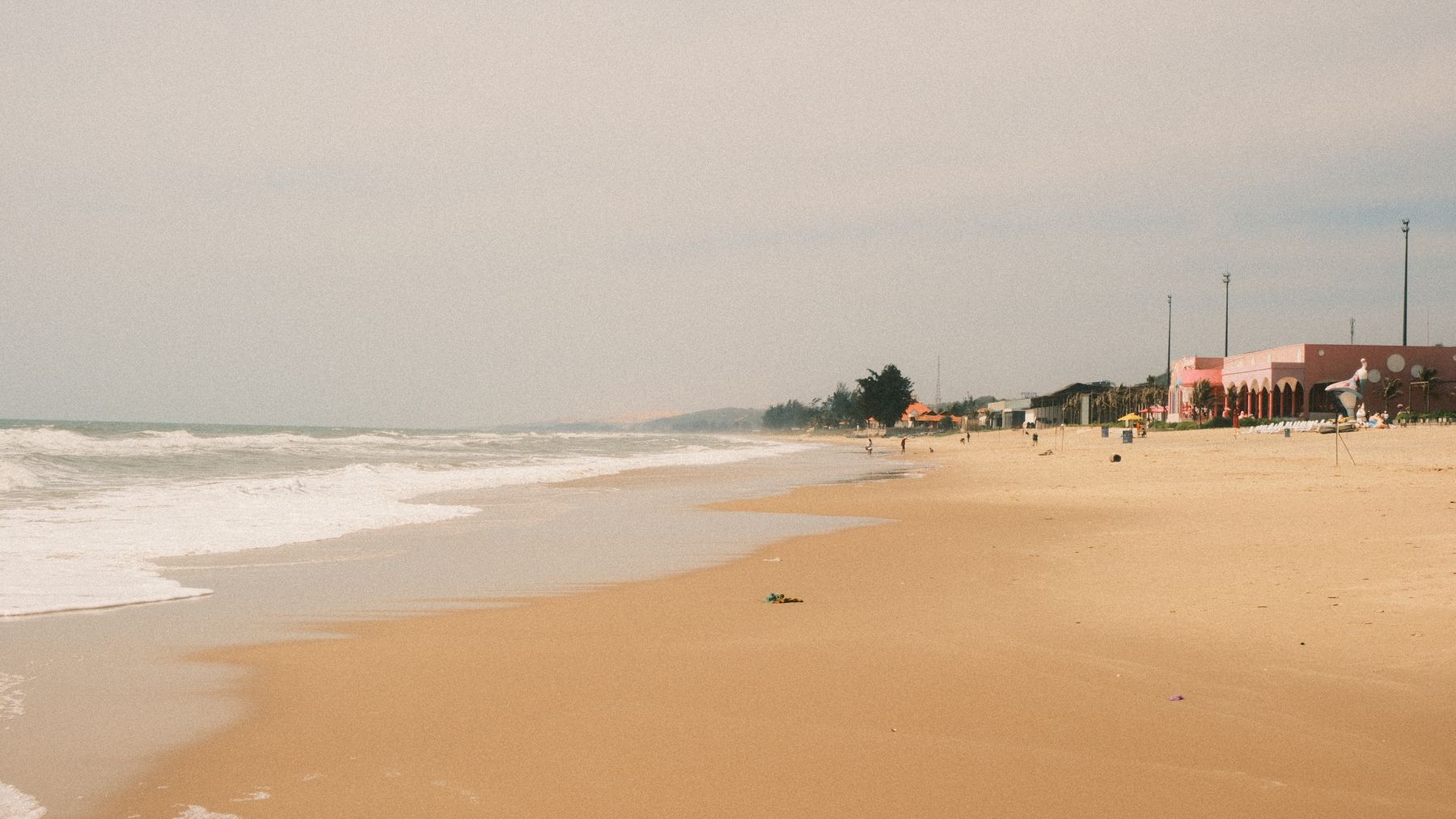
Photo by Ngoc Nguyen on Pexels
Day 6 — Overnight bus to Saigon
Depart Nha Trang (or Mui Ne, if you went) on a sleeping bus to Ho Chi Minh City. The ride is 10–14 hours depending on route and stops. The bus leaves in the early evening (around 5–7 p.m.) and arrives in Saigon by 6–8 a.m. the next morning.
Book with Hanh Cafe, Hung Thanh, or Sinh Cafe (all reputable operators, ₫250,000–350,000 for a sleeper berth). The buses are old but functional—you get a narrow bunk, a blanket, and minimal toilet access. Bring earplugs, neck pillow, and a light layer (air conditioning is aggressive).
You'll sleep through most of the journey. Arrive in Saigon haggard but on schedule.
Day 7 — Saigon
Check into a hotel in District 1 (the downtown core) or District 3 (quieter, walkable). Rest for a few hours if your bus arrived very early.
Visit Ben Thanh Market in the afternoon—a large covered market with textiles, food, souvenirs, and an overwhelming sensory overload that's pure Saigon. Haggle lightly, buy nothing, or pick up a silk scarf or souvenir. Entrance is free; a quick walk through takes 30–45 minutes.
For dinner, hit Saigon's restaurant scene. The city has everything—street "banh mi" (₫20,000–40,000), pho joints (₫40,000–70,000), and sit-down restaurants (₫100,000–300,000 per person). Try "com tam" (broken rice) at a local com tam restaurant—a humble Saigon staple with pork, egg, and pickles.
Walk along the Saigon River at dusk, or visit the War Remnants Museum if you have time (it's heavy but important). End the evening in the Backpacker District (Pham Ngu Lao Street) if you want bars and other travelers, or in District 1 if you prefer calm.
Frequently Asked Questions
How do you get from Da Nang to Nha Trang on this itinerary?
Take an evening train from Hoi An (about 30 km from Da Nang airport) departing around 7 or 8 p.m. Book a soft-sleeper 4-berth cabin via Baolau.com or Travelandtourism.com a day ahead for around 100,000-150,000 VND (roughly $4-6 USD). The journey takes about 6 hours, arriving near dawn. The fare includes a simple breakfast and coastal views at sunrise.
What does mid-range accommodation cost along the Vietnamese coast?
Outside Saigon and Hoi An, mid-range hotels run 150,000-300,000 VND per night (around $6-12 USD). Hoi An is recommended over Da Nang for stays, as the evening atmosphere is more relaxed after day-trippers leave around 6 p.m. Budget an additional 100,000-200,000 VND per person for a good dinner at riverside restaurants in Hoi An.
When should you arrive at Po Nagar in Nha Trang to avoid crowds?
Arrive at Po Nagar around 8 a.m. to beat the crowds. The same early-morning logic applies to Nha Trang Beach, which sits north of Tran Phu Street along the city's waterfront promenade. Nha Trang is described as a working fishing port with a long crescent beach — less polished than Hoi An but more lived-in, making early visits more rewarding.
Practical notes
Book train and bus tickets 1–2 days ahead via Baolau.com, Travelandtourism.com, or your hotel. Sleeper buses are basic but reliable; expect minimal amenities. Keep cash (VND) for small purchases; many provincial restaurants don't take cards. Bring sunscreen and a hat—the coast is relentless.
Last updated · May 29, 2026 · independently researched, never sponsored.