Day 1 — Arrival in Hue
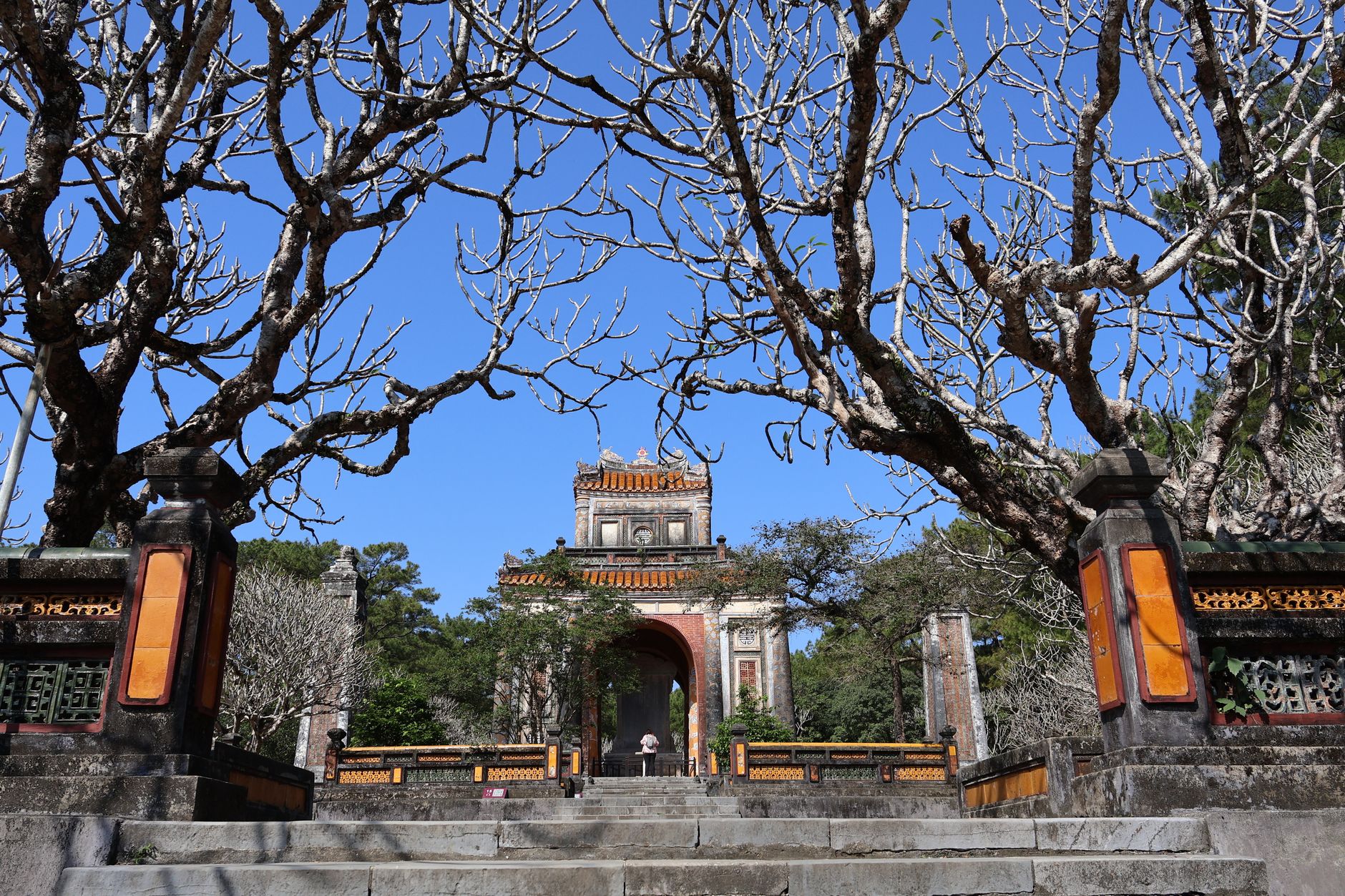
Skip the direct flight to Da Nang. Land in Hue and head straight to the north bank of the Perfume River. While most visitors flock to the "Imperial Citadel Thang Long" (which is actually in Hanoi—here you focus on the Imperial City of Hue), spend your first afternoon exploring the quieter "Tomb of Tu Duc". It is overgrown and atmospheric, far removed from the tour bus circuit. For dinner, find a small shop serving "bun bo hue" that doesn't have an English menu; look for the steam rising from a large pot on the sidewalk.
Day 2 — The Rural Path to A Luoi
Rent a motorbike or hire a driver to head west toward A Luoi. This is the mountainous border region, a stark contrast to the coastal plains. The road winds through dense forests and small ethnic minority villages. You will not find luxury hotels here, but the homestays offer a glimpse into a life that hasn't changed much in decades. Stop for a simple lunch of grilled meat and sticky rice.
Day 3 — Into the Phong Nha Interior
Continue north toward Phong Nha. Instead of the main cave tours, spend your time cycling through the Bong Lai Valley. It is a flat, lush area filled with peanut farms and small streams. Stop at the local "pub with cold beer"—a rite of passage for those who prefer the backroads. The pace here is slow, dictated by the sun and the harvest.
Day 4 — The Limestone Karsts
Spend a full day exploring the less-visited trails around the periphery of the national park. Hike toward the smaller, unlit caves that require a local guide. By evening, head back to the village for a dinner of river fish and local greens, washed down with a cold "vietnamese coffee" if you need the caffeine, or a local brew.
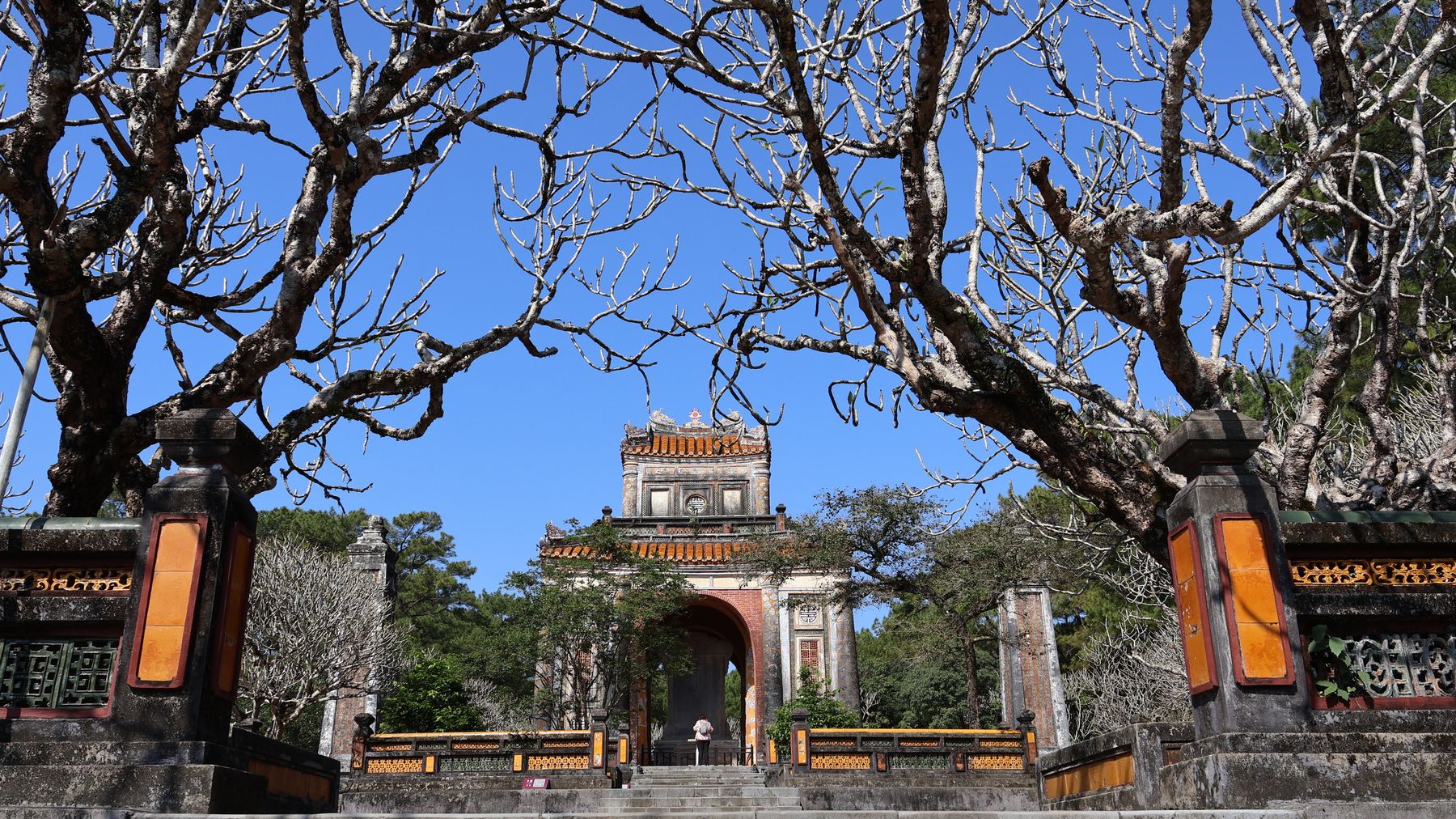
Photo by Minh Lê on Pexels
Day 5 — Southbound to the Coast
Travel south toward the coast, bypassing the main highways in favor of the smaller provincial roads. You are heading toward the lagoons near Lang Co. This area is famous for its oyster farms and quiet, windswept beaches. Eat at a floating restaurant where the catch is pulled directly from the water beneath your feet.
Day 6 — Life on the Lagoon
Spend the day on the Tam Giang Lagoon. Rent a small wooden boat and drift through the fishing traps. It is a quiet, meditative experience. In the afternoon, visit the local markets to see the daily trade of fresh seafood. Try "banh canh (반깐 / 粗米粉汤 / バインカイン)" for breakfast, a thick noodle soup that is a staple in this region.
Day 7 — The Highlands of Kon Tum
Head inland toward the Central Highlands (중부 고원 / 中部高原 / 中部高原). The landscape shifts from coastal plains to rolling hills and coffee plantations. Kon Tum is a quiet city with a distinct atmosphere. Visit the wooden cathedral and the local communal houses, known as "nha rong". The air is cooler here, and the pace of life is markedly slower than on the coast.
Photo by Minh Lê on Pexels
Day 8 — Coffee and Culture
Spend your day visiting the coffee farms that define this region. This is the heart of the industry, and the "vietnamese coffee" you drink here is as fresh as it gets. Spend the afternoon wandering through the villages of the Bahnar people, observing the intricate weaving and traditional architecture.
Day 9 — The Road to Quy Nhon
Descend from the highlands back toward the coast, arriving in the quiet port city of Quy Nhon. This city is often overlooked by international travelers. Spend your time at the local beach, which is largely frequented by residents rather than tourists. For dinner, seek out "banh xeo" made with fresh shrimp caught that morning.
Day 10 — Coastal Ruins and Departure
Before you fly out, visit the "Po Nagar" style Cham towers scattered around the region. They are silent, brick sentinels of a lost kingdom, standing in fields of rice or on quiet hillsides. It is a reflective end to a journey that prioritized the spaces between the destinations.
Practical notes
Central Vietnam is best navigated by motorbike if you are experienced, but hiring a private car for the longer mountain stretches is safer and more comfortable. Always carry a physical map or a downloaded offline GPS, as mobile signal can be spotty in the western highlands. Bring light rain gear, even in the dry season, as the mountain weather is unpredictable.
Last updated · May 30, 2026 · independently researched, never sponsored.