Day 1 — Arrival in Hue
Land in Hue and head straight for the food. The city is defined by its royal culinary heritage, which is distinct from the rest of the country. Start your evening at a local stall near the Perfume River for "bun bo hue", a spicy beef noodle soup that tastes vastly different here than in the south. Expect to pay around 40,000 VND for a bowl that actually packs a punch.
Day 2 — The Imperial Legacy
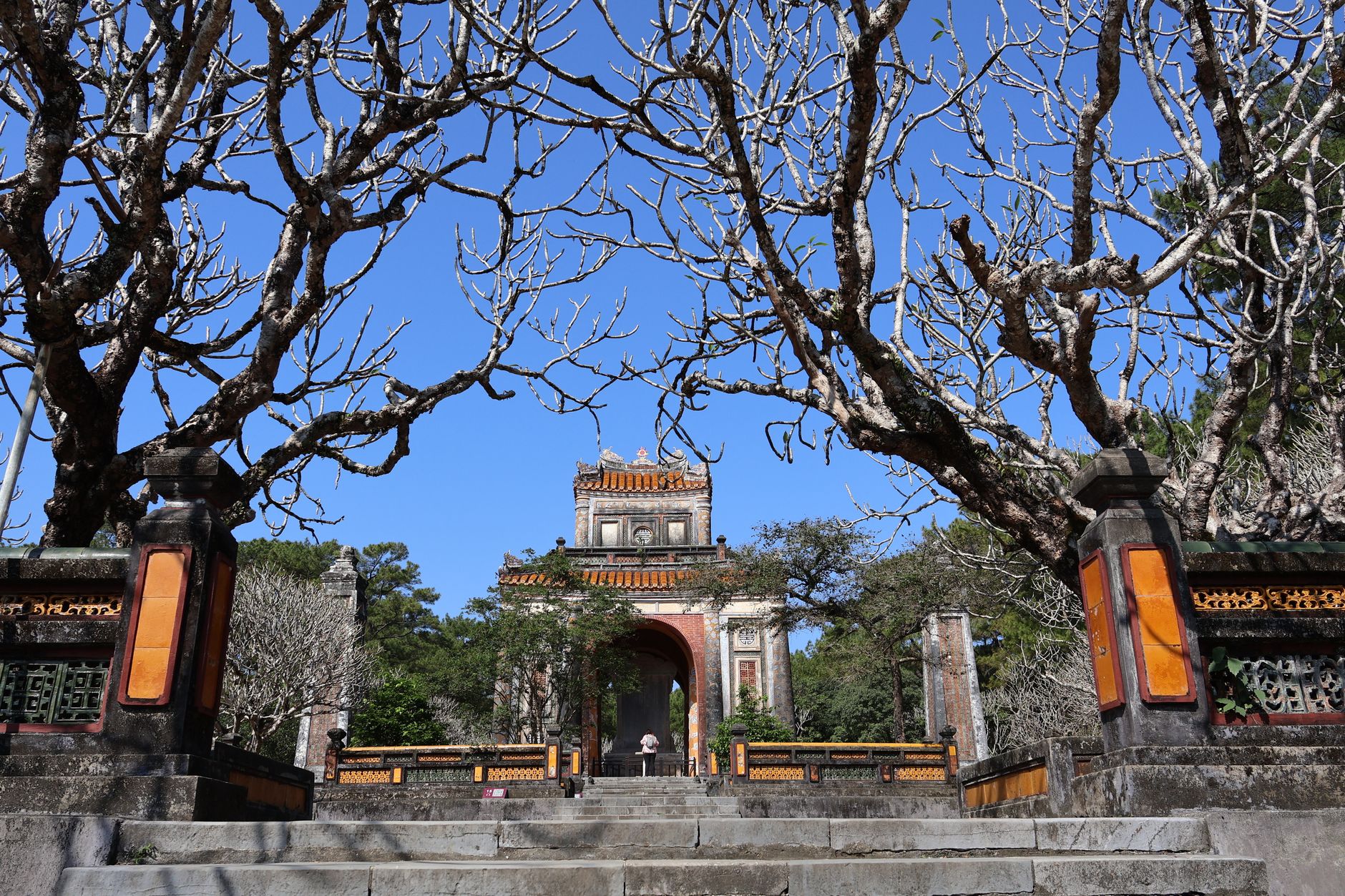
Spend your morning at the Imperial Citadel. It is vast, so bring water and comfortable shoes. Instead of rushing, focus on the "Tomb of Tu Duc" and the "Tomb of Khai Dinh" in the afternoon. These sites are located outside the city center, so hire a private driver for the day—it should cost roughly 600,000 VND. End the day with a bowl of "banh cuon" from a street vendor.
Day 3 — The Pass to Da Nang
Take the train from Hue to Da Nang. It is a four-hour journey that hugs the coastline. The view from the train as you cross the Hai Van Pass is better than any bus ride. Once you arrive in Da Nang, drop your bags and head to the beach. For dinner, find a place serving "mi quang (미꽝 / 广南面 / ミークアン)", a turmeric-infused noodle dish that is a staple of this region.
Day 4 — Da Nang Beyond the Bridges
Da Nang is a city of locals, not just a transit hub. Spend the morning at the Han Market to see how residents shop for daily produce and dried goods. In the afternoon, visit the "Tran Quoc Pagoda" if you want a quiet moment, or just walk the length of the My Khe beach. For a late-night snack, look for "banh xeo (반세오 / 越南煎饼 / バインセオ)"—crispy savory pancakes folded with shrimp and pork.

Photo by Linh Loi on Pexels
Day 5 — The Marble Mountains and Local Life
Head to the Marble Mountains early to beat the heat. It is a series of caves and temples carved into limestone. Afterward, spend your afternoon in the residential neighborhoods of Ngu Hanh Son. You will find better coffee here; order a "ca phe sua da" and watch the city move.
Day 6 — Transition to Hoi An
Take a taxi or a local bus the 30km south to Hoi An. The transition is stark; the city slows down significantly. Check into a homestay on the edge of the Ancient Town rather than inside the tourist core to get a better sense of the local pace. Grab a "banh mi" from the famous stalls near the market for lunch—expect to pay 25,000 to 35,000 VND.
Day 7 — The Ancient Town
Wake up at 6:00 AM to see the market before the tour groups arrive. This is when the city feels like a living space rather than a museum. Spend the day walking the narrow streets, but duck into the hidden alleys to find tailors and craft shops. In the evening, try "cao lau", a noodle dish that is unique to Hoi An, supposedly made with water from a specific local well.

Photo by Quang Nguyen Vinh on Pexels
Day 8 — Rural Cycling
Rent a bicycle for 30,000 VND and head toward the rice paddies of Cam Chau. The landscape here is flat and quiet. You can cycle all the way to An Bang beach in about 20 minutes. It is a refreshing break from the humidity of the city center.
Day 9 — Craft and Culture
Use this day to explore the outskirts. If you have an interest in traditional arts, look for a "ca tru" performance or a local workshop on "non la" making. It is a good day to slow down and reflect on the journey before heading back to the Da Nang airport for your departure.
Day 10 — Departure
Enjoy one last "vietnamese coffee" by the river before taking the 45-minute drive back to the Da Nang airport. If you have time, grab a final bowl of "hu tieu" near the airport area.
Practical notes
Trains between Hue and Da Nang should be booked at least a week in advance via the official Vietnam Railways website. For getting around within cities, use the Grab app to avoid haggling over taxi prices; it is transparent and reliable.
Last updated · May 30, 2026 · independently researched, never sponsored.