Day 1-3 — Settling into the Saigon Rhythm
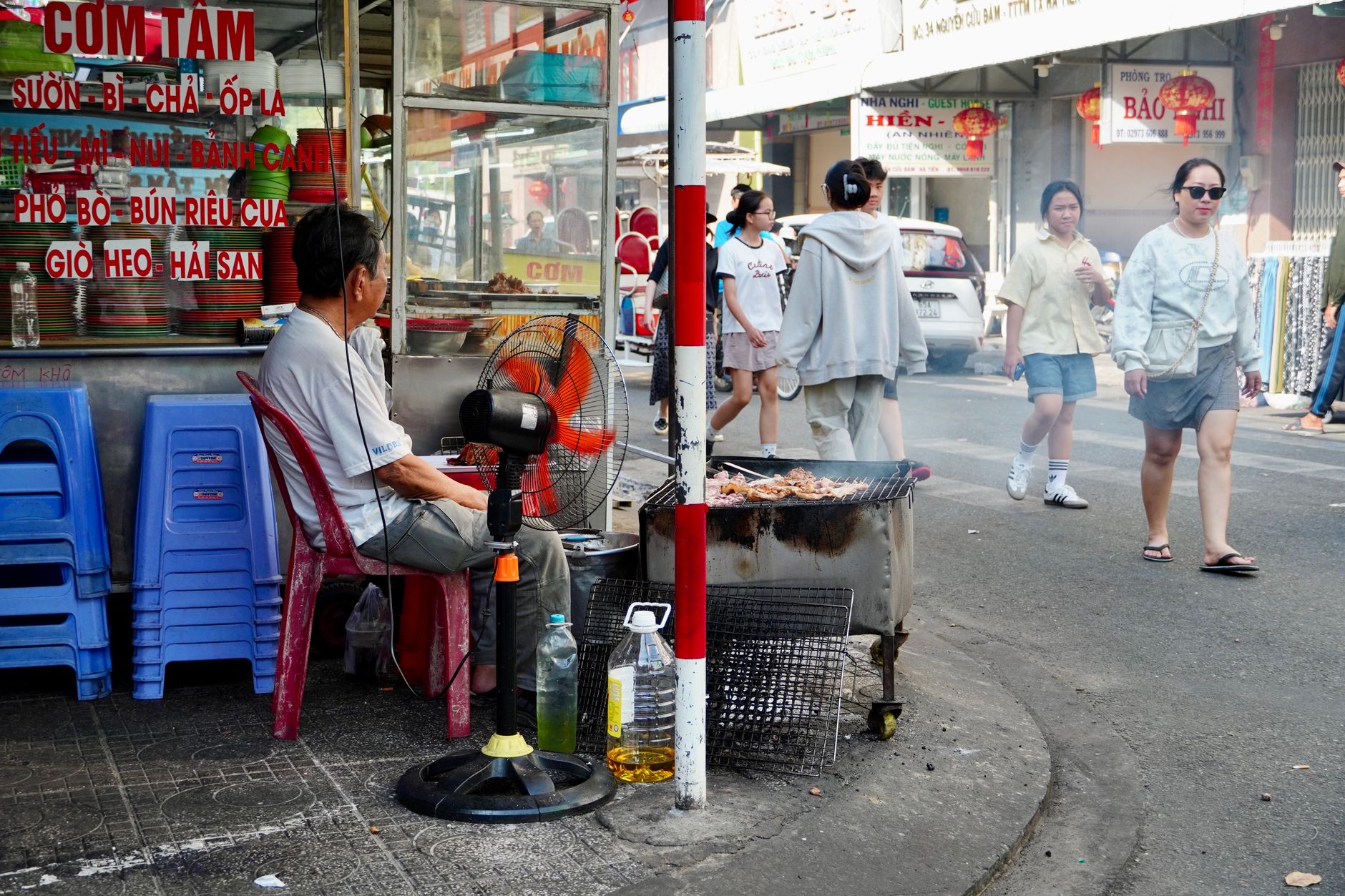
Most travelers treat Saigon as a transit hub, but you need at least three days to understand the city's layers. Base yourself in District 1 or District 3. Start your first morning at a local stall for "pho"—look for the places with low plastic stools and a crowd of locals by 7:00 AM. Spend your first afternoon walking the perimeter of the "Ben Thanh Market" area, but save your appetite for the side streets.
On day two, head to the "Imperial Citadel Thang Long" style architecture of the city’s colonial-era buildings, then find a quiet corner for "vietnamese coffee" or a "ca phe sua da (연유커피 / 越南冰咖啡 / ベトナムアイスコーヒー)". By day three, venture into the residential alleys of District 3 to see how the city lives. Grab a "banh mi" from a street cart for lunch and spend your evening watching the flow of motorbikes near the "Long Bien Bridge"-inspired urban chaos of the city center.
Day 4 — The Cu Chi Tunnels
Take a morning bus or a private car (about 60km) to the "Cu Chi Tunnels". While these are a major historical site, they are a necessary perspective on the region's 20th-century history. Aim to arrive by 8:30 AM to beat the tour buses from the city. You will spend about three hours walking the jungle paths and seeing the ventilation systems. Return to Saigon by mid-afternoon, leaving enough time to grab a late bowl of "hu tieu" or "banh canh (반깐 / 粗米粉汤 / バインカイン)" in a quiet alleyway.

Photo by Markus Winkler on Pexels
Day 5-7 — Into the Mekong Delta: Ben Tre
Leave the city behind and head south to Ben Tre. It is about an 85km drive, usually taking 2.5 to 3 hours depending on traffic. Unlike the more tourist-heavy parts of the Delta, Ben Tre remains focused on coconut production and small-scale agriculture.
Spend your time here cycling through the narrow paths that crisscross the coconut groves. This is the place to try local specialties like "banh xeo" made with fresh herbs from the garden. On day six, hire a local boatman to take you through the smaller canals. It is a slow, quiet experience that contrasts sharply with the noise of Saigon. By day seven, visit the local markets to see the daily trade of fruit and fish, and enjoy the evening silence that you simply cannot find in the city.
Day 8-9 — The Return and Reflection
Head back to Saigon on the morning of day eight. Use these final days to revisit the neighborhoods you enjoyed most or to dive into the city's food scene. If you haven't yet, find a place serving "com tam"—the broken rice dish that is a staple of the southern diet. For your final evening, seek out a "cai luong" performance if you can find a local venue, or simply sit at a sidewalk cafe with a "lotus tea" and watch the city move.

Photo by Toàn Đỗ Công on Pexels
Day 10 — Final Bites
Use your last morning to stock up on coffee beans or local snacks. Before you head to the airport, grab one last "goi cuon" or "cha gio" at a trusted spot. Saigon is a city that reveals itself slowly; even after ten days, you will feel like you have only scratched the surface.
Practical notes
Transport between Saigon and Ben Tre is best handled by private car or the larger bus lines; avoid the temptation to rent a motorbike for this distance unless you are an experienced rider. Prices for meals are remarkably consistent, with most street-side dishes costing between 35,000 and 60,000 VND. Always carry small denominations of cash, as digital payments are growing but not yet universal in the rural districts of the Delta.
Last updated · May 30, 2026 · independently researched, never sponsored.