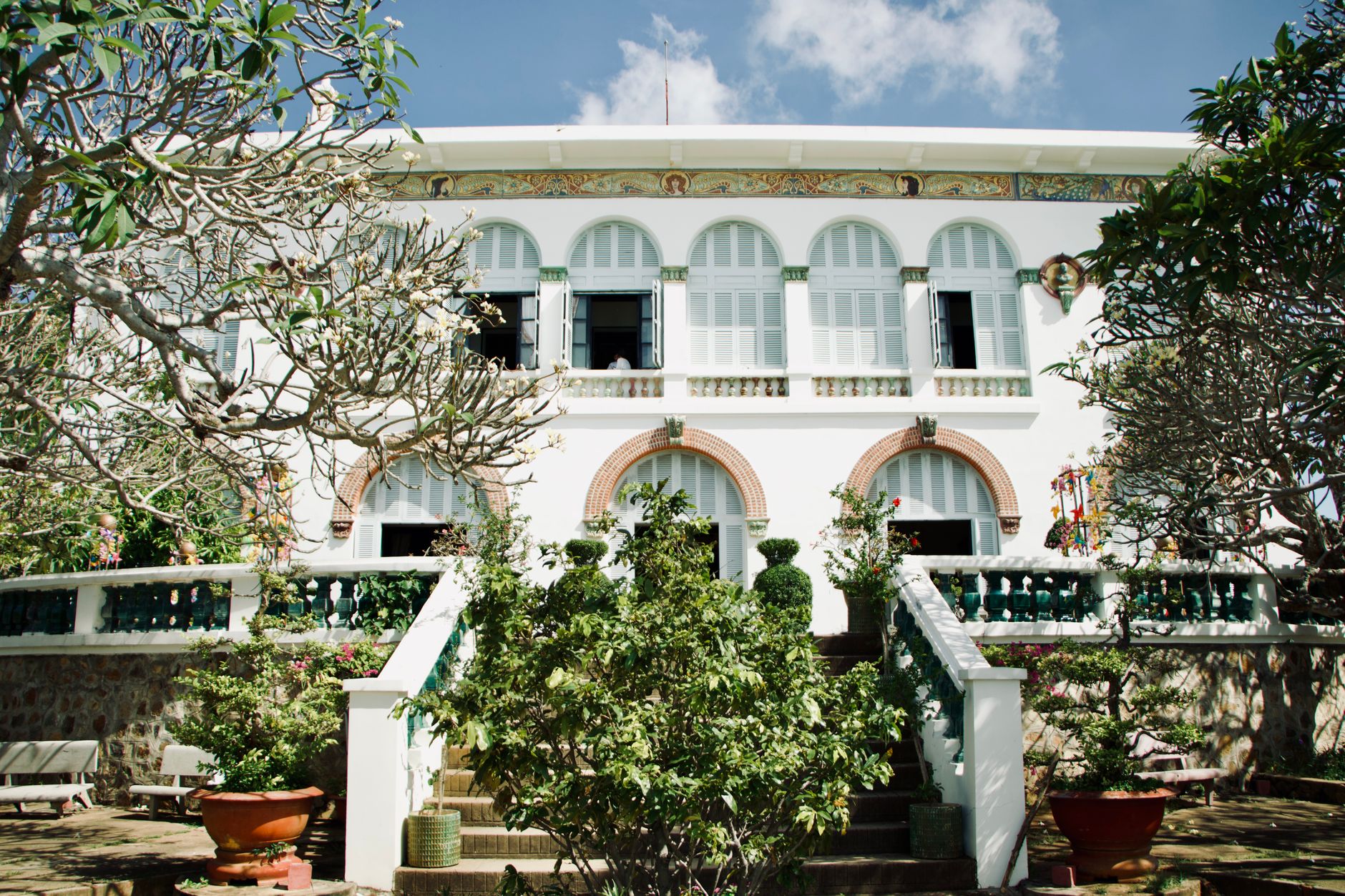
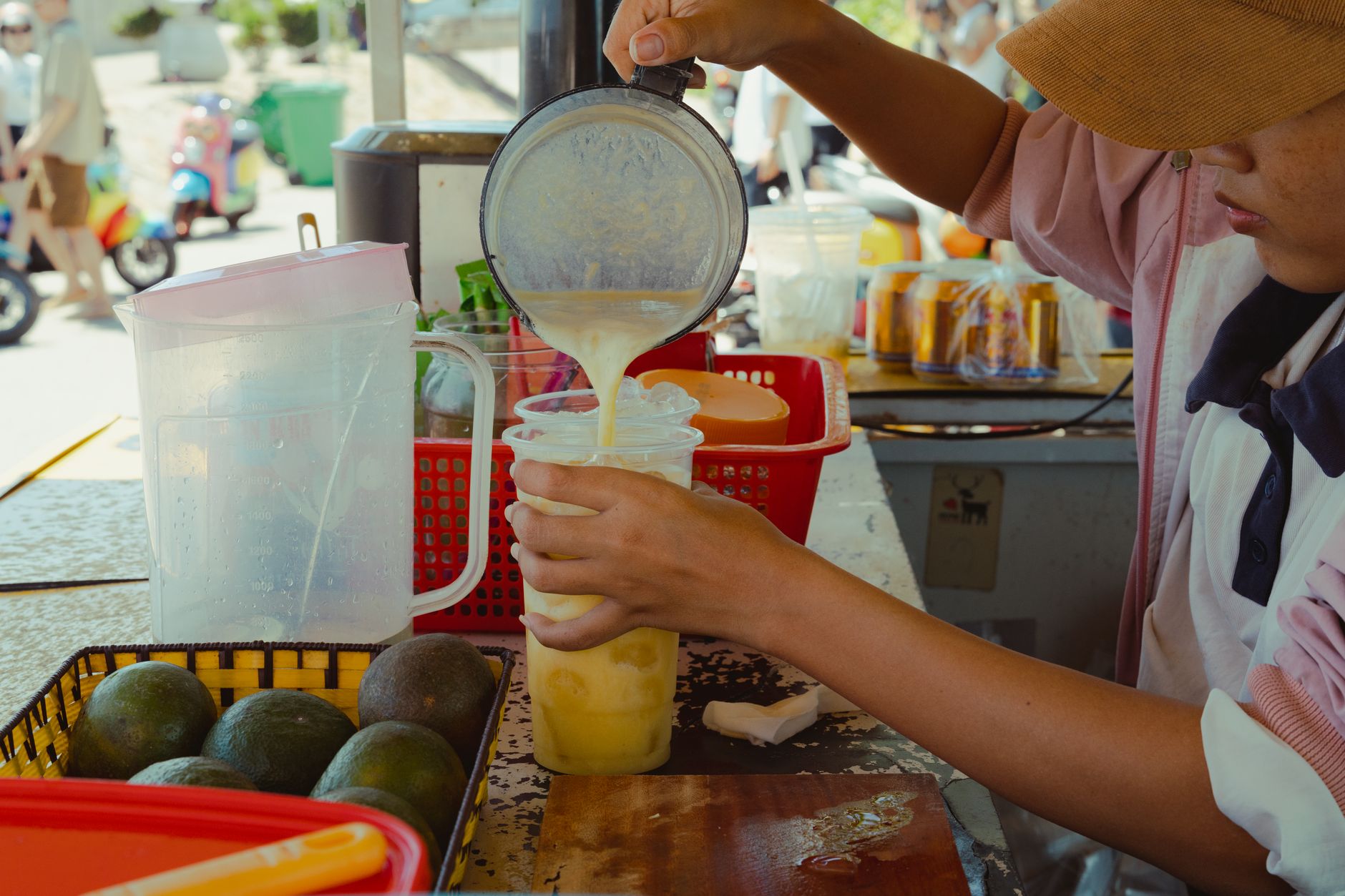
Hue feeds you differently from everywhere else in Vietnam (베트남 / 越南 / ベトナム). The city was the imperial capital for over 150 years, and that history shaped a cuisine obsessed with detail — dozens of small dishes, precise seasoning, food as ceremony. Two days here is enough to get a real sense of it, if you plan around eating.
Day 1 — The Royal Table and Dong Ba Market
Morning: Banh Mi and Market Breakfast
Start before 8am at Dong Ba Market on Tran Hung Dao Street, Hue's largest wet market and the best introduction to what the city actually eats. The ground floor is produce and spice — look for the dried shrimp paste ("mam ruoc") sold in earthenware crocks, the ingredient that underpins most Hue cooking. Upstairs and around the edges you'll find cooked-food stalls.
Order "banh uot" (fresh steamed rice rolls) with grilled pork and a side of "cha Hue (후에 / 顺化 / フエ)" (local pork sausage). A full plate runs 25,000–35,000 VND. This isn't the version you'll find in Hanoi or Saigon — Hue's banh uot is thinner, silkier, and comes with a sweeter dipping sauce that reflects the central palate.
Late Morning: Tinh Gia Vien
From the market, take a xe om or grab a GrabBike (roughly 2km) to Tinh Gia Vien at 7 Dinh Tien Hoang Street. This is a restored royal garden house now operating as a restaurant serving "com cung" — imperial court cuisine. Lunch service starts at 11am and bookings are advisable on weekends.
A set meal here runs 150,000–250,000 VND per person and includes eight to twelve small dishes: lotus seed soup, steamed pork wrapped in banana leaf, prawn cakes, stir-fried water spinach with fermented shrimp. None of it is fancy in a showy way — the point is restraint and balance. The portions are small by design; court food was never meant to be filling, it was meant to be tasted.
If Tinh Gia Vien is full, Y Thao Garden on Nguyen Phuc Nguyen Street is a comparable alternative.
Afternoon: The Imperial Citadel and a Coffee Break
Walk or ride to the Imperial Citadel area (roughly 1.5km from Tinh Gia Vien). You're not here primarily to tour — though the citadel is worth an hour if you haven't been — you're here for the cafes that cluster around Nguyen Dinh Chieu and Le Truc streets just outside the walls. Hue has a serious coffee culture. Order a "ca phe sua da" and sit. The afternoon heat peaks around 2–3pm and there's no reason to rush.
Evening: Com Hen at the Source
"Com hen" — rice with tiny clams, peanuts, crispy pork skin, mint, and a ladleful of clam broth poured over — is one of Hue's most distinctive dishes and almost unknown outside the region. The original home of com hen is Con Hen, a small island in the Huong River about 3km from the citadel.
Cross the Phu Xuan Bridge, turn left, and follow the river bank. Stalls here open from around 5pm. A bowl costs 20,000–30,000 VND. The clams are local and small, the broth is slightly sour, and the dish as a whole is more complex than it looks. "Bun hen" (the same ingredients with vermicelli instead of rice) is served at the same stalls if you prefer noodles.

Photo by Theodore Nguyen on Pexels
Day 2 — Bun Bo Hue Circuit and the Dessert Walk
Morning: The Noodle Round
Day 2 is about "bun bo Hue" — the city's flagship noodle soup and, for many regulars, the main reason to visit. It's a lemongrass-and-shrimp-paste broth, brick-red from annatto, served with thick round rice noodles, sliced beef shank, pork knuckle, and sometimes cubes of congealed blood. It hits harder and spicier than pho.
The best bowls are at small family shops, not tourist restaurants. Two reliable addresses:
- Bun Bo Ba Tuyet, 11 Ly Thuong Kiet Street — opens at 6am, closes when it sells out (usually by 9am). Bowl: 45,000 VND.
- Bun Bo O Giao, near Chi Lang Street — slightly more relaxed timing, open until 11am. Bowl: 40,000 VND.
Go to one for breakfast, walk it off for twenty minutes, then consider a second bowl at the other. This is not excessive — it's research.
Mid-Morning: Banh Khoai by the Truong Tien Bridge
"Banh khoai" is Hue's answer to "banh xeo" — a smaller, thicker crispy rice crepe filled with shrimp, pork, and bean sprouts, eaten by wrapping in mustard leaf and rice paper, then dipping in a fermented peanut-sesame sauce. The sauce is specific to Hue and nothing like the nuoc cham used elsewhere.
Lac Thien restaurant at 6 Dinh Tien Hoang (near the Truong Tien Bridge) has been serving this for decades. A plate of three crepes is around 60,000 VND. The family is deaf-mute and communication is by pointing at a menu — no issue at all.
Afternoon: The Sweet Lane
Hue's "che" culture — sweet dessert soups and puddings — deserves its own walk. Head to Nguyen Binh Khiem Street, sometimes called Che Street by locals, a short lane near the An Cuu market area where a dozen stalls sell nothing but che from roughly noon onward.
Try "che bap" (sweet corn pudding), "che dau van" (mung bean with coconut cream), and "banh it tran" (glutinous rice dumplings with mung bean filling) if you see them. Portions are small and cheap — 15,000–25,000 VND each — so working through three or four is entirely reasonable.
Evening: Close with "Banh Canh" and a Local Beer
End the trip with a bowl of "banh canh" — thick tapioca noodles in a rich crab and pork broth, somewhere between a soup and a stew. Quan Banh Canh on Nguyen Cong Tru Street is the local standard: 40,000 VND, no English menu, open from 3pm.
After that, find a bia hoi stall near the Vong Canh Hill road for a cold draught beer and a plate of something fried. You've done the work.

Photo by Thi Đoàn on Pexels
Practical Notes
Most Hue street-food spots open early and close by late morning — adjust to a 6–7am start on both days or you'll miss the best bowls. A GrabBike is the fastest way to move between the spots listed here; the city is compact and most distances are under 3km. Bring small bills (10,000 and 20,000 VND notes) for market stalls and street vendors.
Last updated · May 29, 2026 · independently researched, never sponsored.