Soc Trang sits in the Mekong Delta (메콩 델타 / 湄公河三角洲 / メコンデルタ) about 230 km south of Saigon, and it produces one cake that has earned genuine national fame — "banh pia", a flaky, multi-layered pastry with a filling that can clear a room before you even unwrap it. If you have any interest in regional Vietnamese sweets, this one is worth understanding properly.
Where Banh Pia Comes From
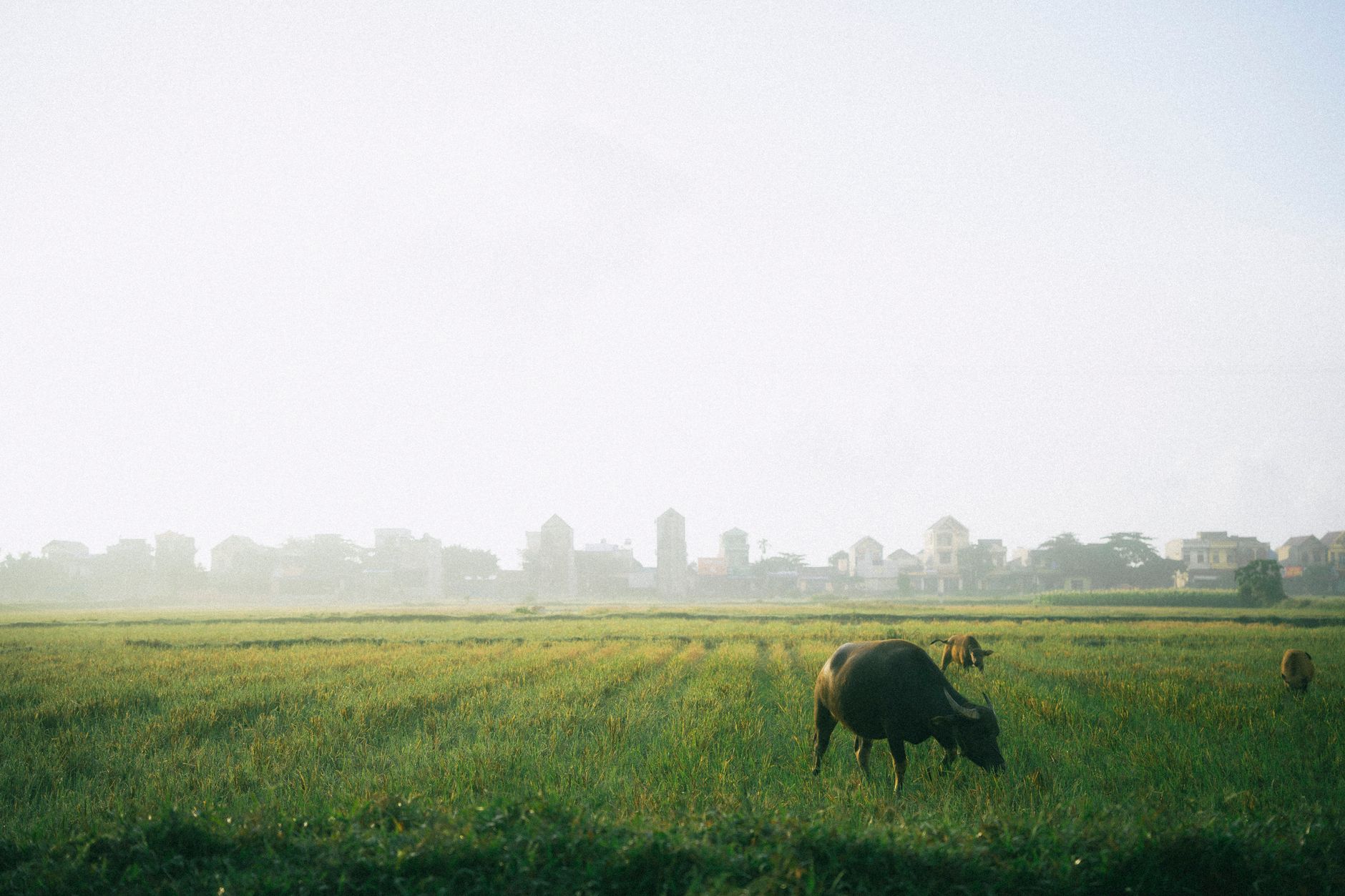
The cake's lineage runs through the Teochew Chinese community (locally called Tiều) who settled in Soc Trang centuries ago alongside the Khmer Krom population already living in the delta. The original recipe is a close cousin of the Cantonese wife cake and the Teochew mooncake — all share that same shatteringly thin, lard-laminated pastry shell. Over generations the filling shifted toward local produce, which in the south means durian. The Khmer influence shows up in the use of taro, a tuber cultivated heavily in the region, while Vietnamese taste pushed the sweetness level up and standardized the salted egg yolk as a near-mandatory center. The result is a cake that belongs to no single tradition, which is fairly typical of food culture in the delta.
What's Actually Inside
A standard banh pia is about 10 cm across and weighs roughly 150–200 grams. Cut one open and you get distinct layers:
- Outer pastry: multiple thin laminated sheets made with wheat flour and lard. Good versions shatter when you press them. Mass-produced ones can be greasy and dense — worth knowing the difference.
- Middle layer: sweetened mung bean paste, pale yellow and dense, which acts as a buffer between the pastry and the inner filling. Some versions add coconut here.
- Core: durian paste. This is where opinions split. The durian used is typically from the surrounding Mekong provinces — ripe, fatty, and genuinely pungent. Good producers use real durian; cheaper ones use durian flavoring, which tastes synthetic.
- Center: half a salted duck egg yolk, cured until firm and bright orange. It cuts the sweetness and adds a savory, almost briny note that keeps the whole thing from being cloying.
Taro versions (nhan khoai mon) swap the durian core for purple taro paste and are milder in both smell and flavor. Pandan (la dua) fillings also exist. These are genuinely good alternatives if you want the texture experience without the durian commitment.
The Smell Warning
Be direct about this: if you are buying banh pia with real durian filling and you are traveling by bus, overnight sleeper, or any enclosed transport, seal the box inside a plastic bag. The smell permeates. Most shops will double-wrap for you if you ask. Convenience stores that stock banh pia in Soc Trang typically keep the durian versions in a separate display case for this reason. It is not a subtle product.

Photo by Quang Nguyen Vinh on Pexels
Top Brands Worth Buying
Tan Hue Vien
This is the name most Saigonese will mention first. The flagship shop is on Phan Chu Trinh street in Soc Trang town. Tan Hue Vien has been operating for decades and uses a recipe that keeps lard content high and durian paste concentration strong. Their packaging is recognizable — round tins or paper boxes with red-and-gold print. A box of six cakes runs around 90,000–110,000 VND. They also have a version with no egg yolk for buyers who want a lighter fill.
Cong Loi
The other major name, also based in Soc Trang town. Cong Loi tends to be slightly less sweet and their pastry lamination is notably thin — some people prefer it for that reason. Their taro version is one of the better ones in the province. Pricing is similar to Tan Hue (후에 / 顺化 / フエ) Vien, around 85,000–105,000 VND for a box of six.
Both brands are sold at the Soc Trang central market, at shops along Mau Than 68 street, and in highway rest stops on the route between Saigon and Ca Mau. You will also find them in Ben Thanh Market in Saigon and in specialty food shops in Hanoi, though freshness is harder to guarantee once they've been warehoused and shipped.
Vegetarian Versions
Traditional banh pia is not vegetarian — lard is structural to the pastry, not optional. However, several producers in Soc Trang now make versions using vegetable shortening for the Buddhist market, particularly around festival periods. These are labeled "chay" (vegetarian) and omit the egg yolk. Texture is slightly less crisp but still layered. If you need a vegetarian version, ask specifically for "banh pia chay" — don't assume the taro or pandan fillings are automatically lard-free unless marked.

Photo by Nguyen Truong Khang on Pexels
Storage
Banh pia keeps at room temperature for about 7–10 days in the original sealed packaging. Once opened, eat within two days. In Vietnam's humidity, they go soft quickly after opening. Do not refrigerate — the lard in the pastry firms up and the texture becomes unpleasant. If you are buying to bring home as gifts, the factory-sealed boxes with oxygen absorbers will hold better than loose cakes wrapped in paper.
Practical Notes
Soc Trang town is around 230 km from Saigon — roughly 3.5 to 4 hours by bus or car on Highway 1A. Most visitors come as a day trip from Can Tho (about 60 km north) or on the way further south toward Ca Mau. The main banh pia shops are clustered near the town center and are easy to walk between. Buy from more than one brand if you can — the difference is real enough to be worth the comparison.
Last updated · May 29, 2026 · independently researched, never sponsored.