
What it is
Bao Tang Can Tho (Can Tho Museum) sits on Hoa Binh Avenue, about 1.5 km from Ninh Kieu Wharf, in a French-era building that once served as the provincial administrative office. The museum opened in its current form in 1976 and covers roughly 3,000 square meters of exhibition space across two floors. Collections span natural history, Mekong Delta (메콩 델타 / 湄公河三角洲 / メコンデルタ) ecology, Khmer and Hoa ethnic cultures, traditional crafts, and wartime artifacts.
It's not a grand national museum — think of it as a regional time capsule. The building itself, with its colonnaded facade and tiled floors, feels like a relic of the colonial Mekong trading era. You can walk the whole thing in 60-90 minutes.
Why travelers go
Most visitors to Can Tho (껀터 / 芹苴 / カントー) come for Cai Rang floating market and leave the same day. The museum gives you a reason to stay longer and actually understand what you're seeing on the river. Displays on traditional fishing techniques, rice cultivation tools, and "Don Ca Tai Tu" musical instruments add depth to the Delta experience you won't get from a boat tour alone.
The Khmer cultural section is genuinely interesting — ornate Buddhist artifacts, traditional textiles, and scale models of Khmer pagodas found throughout Soc Trang and Tra Vinh provinces. If you're heading south toward those areas, this is useful context.
Also: it's free, air-conditioned, and never crowded. On a 37-degree afternoon in the Delta, that combination is hard to argue with.
Best time to visit
The museum opens Tuesday through Sunday, 8:00–11:00 and 14:00–17:00. Closed Mondays. Morning is best — you can pair it with an early floating market trip and be at the museum by 9:30 when the heat is still manageable outside.
Dry season (November–April) means you won't get caught in a downpour walking from your hotel, but honestly this is an indoor attraction. Come whenever.
During Tet the museum sometimes hosts special exhibitions on traditional Delta New Year customs — worth checking if you're in Can Tho over the holiday.
How to get there
From Ninh Kieu Wharf, it's a 5-minute motorbike ride or a 15-minute walk heading northwest along Hai Ba Trung Street, then turning onto Hoa Binh. A Grab bike costs around 12,000–15,000 VND.
If you're coming from the bus station (Ben Xe Khach Can Tho on Nguyen Van Linh), it's about 4 km — figure 20,000–25,000 VND by Grab.
The museum has a small parking area for motorbikes (5,000 VND). No dedicated car parking, but street parking on Hoa Binh is usually fine during museum hours.

Photo by Flint Huynh on Pexels
What to do inside
Ground floor — nature and ecology
The ground floor covers Mekong Delta geography, river systems, and biodiversity. Taxidermy displays of local bird species, freshwater fish specimens, and a surprisingly detailed topographic model of the Delta's canal network. Labels are in Vietnamese and English, though the English translations range from clear to charmingly awkward.
Upper floor — culture and history
This is the stronger section. Highlights include:
- Khmer artifacts: carved wooden panels, Buddhist statuary, and traditional "sampot" textiles from communities in what is now Soc Trang and Hau Giang provinces.
- Traditional music room: instruments used in Don Ca Tai Tu performances — the southern folk music tradition recognized by UNESCO. A "dan tranh" (16-string zither) and "dan kim" (moon lute) are displayed with context on their role in Delta social life.
- Rice culture exhibits: tools for wet-rice farming, fish traps, and models of traditional stilt houses adapted to seasonal flooding.
- Wartime section: mostly photographs and some military equipment. Presented factually without heavy editorializing — a brief stop unless you have specific interest.
The garden
Out back there's a small sculpture garden with traditional Delta boats and a few pieces of recovered Oc Eo-era stonework. Five minutes, but pleasant.
Where to eat nearby
Walking distance from the museum, you have solid options:
- Nem Nuong Thanh Van (Hai Ba Trung Street, ~800m): the local chain for grilled pork rolls wrapped in rice paper. A full set runs about 65,000 VND.
- Ninh Kieu street food strip: 10 minutes on foot toward the wharf. Good "hu tieu" (the Mekong's signature pork and prawn noodle soup) at stalls along Hai Ba Trung for 35,000–45,000 VND.
- For Vietnamese coffee, Cafe Kieu near the wharf does a decent "ca phe sua da" and overlooks the river. Around 25,000 VND.
If you want something more substantial, Can Tho's "com tam" options are plentiful along De Tham Street — broken rice with grilled pork, a fried egg, and pickled vegetables for 40,000–55,000 VND.
Where to stay
The museum is centrally located, so anywhere in the Ninh Kieu district works. Budget guesthouses on Hai Ba Trung and Ngo Quyen streets start around 250,000 VND/night. Mid-range hotels near the wharf (Iris, Kim Tho) run 500,000–800,000 VND with river views and breakfast included.
If you want something with character, look at homestays on the far side of the Can Tho Bridge in Binh Thuy district — you'll need a motorbike, but they're quieter and more representative of actual Delta life.
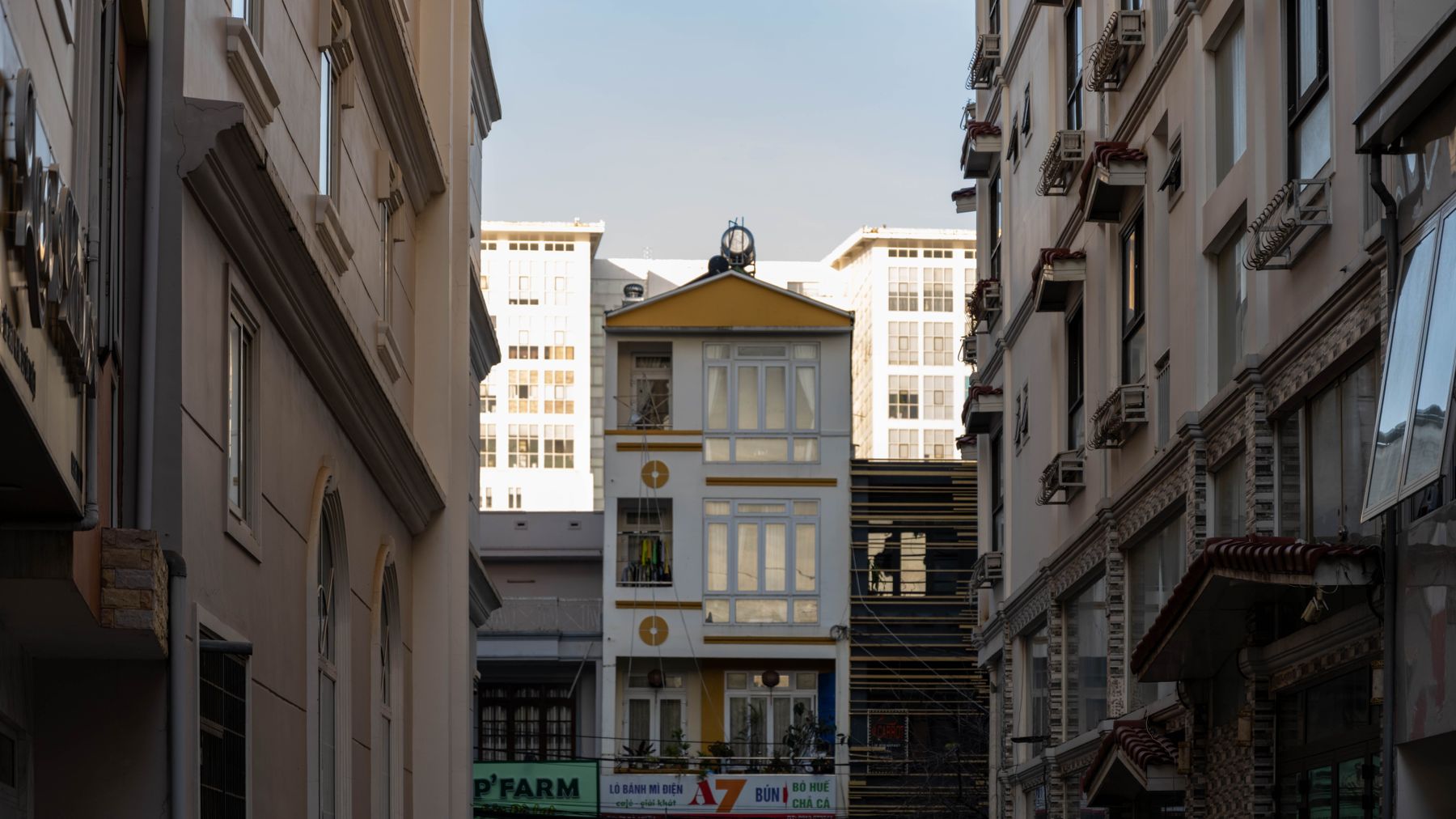
Photo by Quang Vuong on Pexels
Practical tips
- Bring your passport if you want one — entrance is free but guards occasionally ask foreigners to sign a logbook.
- Photography is allowed in most rooms. No flash in the textile and artifact sections.
- English signage exists but isn't comprehensive. Download Google Translate's Vietnamese offline pack if you want to read everything.
- Combine with Binh Thuy Ancient House (3 km away) for a half-day of Can Tho's land-based culture before you hit the floating markets.
- Skip the gift shop — it's mostly government pamphlets and postcards. You'll find better souvenirs at the night market by Ninh Kieu Wharf.
Common mistakes
Showing up on Monday (closed). Trying to visit during the 11:00–14:00 lunch break — the doors are literally locked. Rushing through in 20 minutes because it "looks small" — the upper floor is worth your time if you're heading deeper into the Delta.
Also, don't confuse this with the Military Museum on the same street. Different building, different vibe.
Practical notes
Bao Tang Can Tho won't be the highlight of your Mekong trip, but it's the kind of stop that makes everything else make more sense. Free entry, cool air, and genuine regional context — hard to beat for an hour between river excursions. Pair it with a bowl of hu tieu and an afternoon coffee, and you've got a proper Can Tho day that goes beyond the boat.
Last updated · May 29, 2026 · independently researched, never sponsored.










