What it is
Lai Thieu's fruit orchards — "vuon cay an trai" in Vietnamese — are a cluster of family-run gardens sprawling along the banks of the Saigon (사이공 / 西贡 / サイゴン) River in what was, until recently, Thuan An city in Binh Duong province. Following the 2025 administrative merger, this area now falls within the expanded boundaries of Ho Chi Minh City. For travelers, nothing changed on the ground: the same laterite paths, the same grandmothers weighing mangosteen by the kilo, the same hammocks strung between rambutan trees.
The orchards have been here for well over a century. Lai Thieu was already famous for its fruit during the French colonial period, when Saigon's elite would take weekend boat trips upriver to eat durian straight off the branch. That tradition — minus the colonial elite — is essentially what you're signing up for today.
Why travelers go
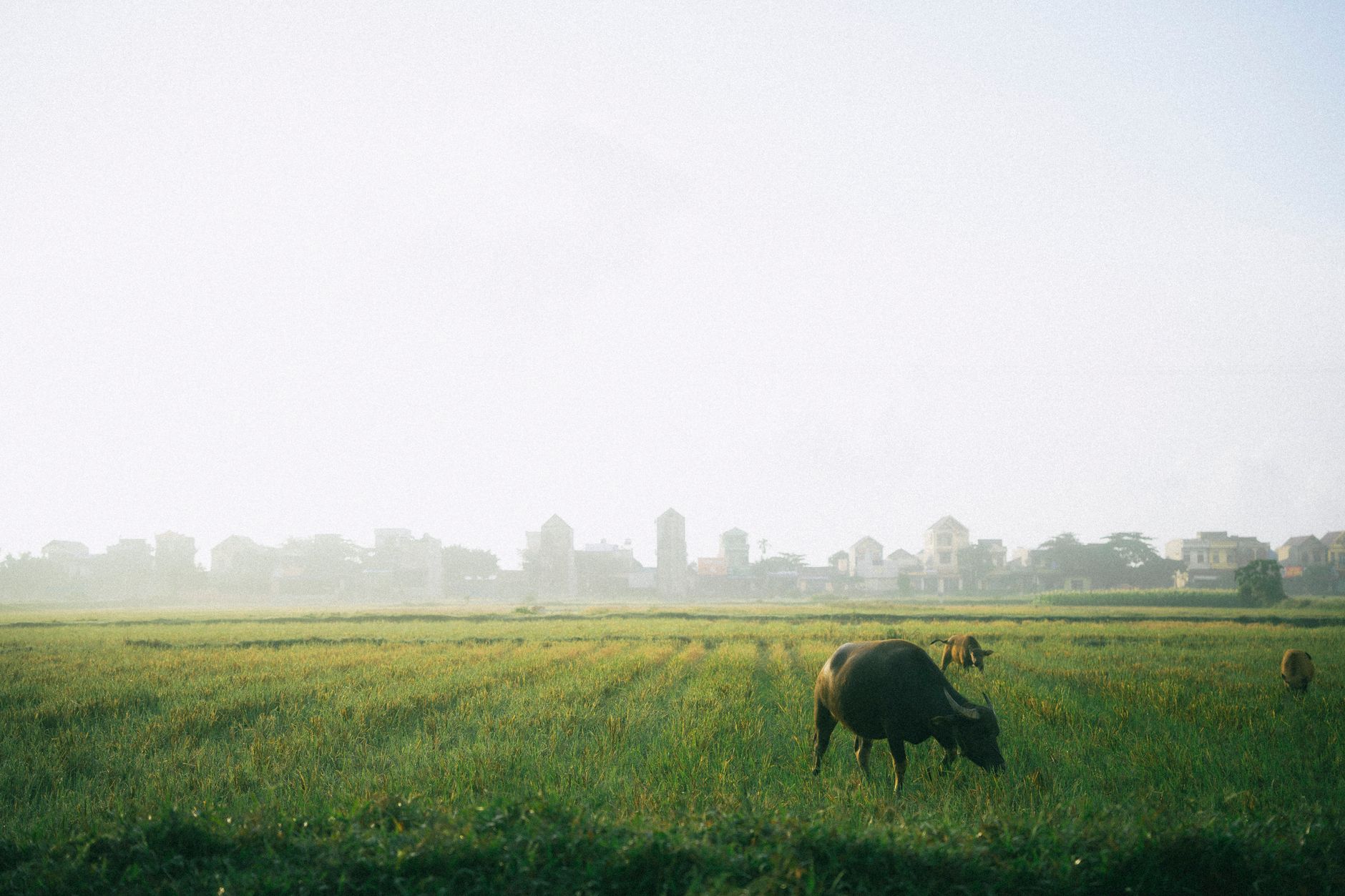
This isn't a theme park or a polished eco-tourism operation. Lai Thieu is where Saigonese families go on weekend mornings to eat seasonal fruit, drink tea in the shade, and do absolutely nothing for a few hours. The appeal is the pace: you walk through canopied orchards, pick fruit with the owner's permission (and sometimes a long pole), eat it on the spot, and pay by weight on the way out. It's a world away from District 1, and it's less than 20 km from Ben Thanh Market.
For travelers who've spent a few days doing the Saigon circuit — Cu Chi Tunnels, the War Remnants Museum, the coffee shop crawl — Lai Thieu is a genuinely different texture. No entrance fee at most gardens, no guided tour, no gift shop. Just fruit and quiet.
Best time to visit
The sweet spot is May through July, peak season for durian, mangosteen, rambutan, and langsat. June is arguably the best single month: everything overlaps, prices drop because supply is high, and the orchards are at their most photogenic — heavy branches, fruit everywhere.
You can visit year-round (longan and jackfruit stretch into later months, and some gardens grow guava and sapodilla through the dry season), but outside of May–July, you're seeing maybe two or three fruit varieties instead of six or seven. Weekday mornings are best. Weekend afternoons get crowded with local families, especially around the holidays near Tet.
How to get there from central Saigon
Lai Thieu sits roughly 18–20 km north of District 1. You have a few options:
- Motorbike or scooter — The most common choice. Head north on the Binh Phuoc bridge route via National Highway 13. Takes about 40–50 minutes depending on traffic. If you're renting a bike in Saigon, budget around 150,000–200,000 VND per day for an automatic scooter.
- Grab car — A Grab from District 1 to the Lai Thieu orchard area runs roughly 150,000–250,000 VND one way. Worth it if you don't ride. Getting a return Grab can be trickier in the orchards themselves — have the garden owner help you pin your location.
- Bus — Bus route 604 (formerly route 15) runs from Saigon toward Thuan An. The fare is around 7,000 VND. From the bus stop, you'll need a short xe om (motorbike taxi) ride to reach the orchards deeper along the river. Budget 20,000–30,000 VND for that last stretch.

Photo by Vũ Nguyễn on Pexels
What to do
Walk and eat through the orchards
Most gardens charge no entry fee — you pay for what you pick and eat. Expect to spend 50,000–150,000 VND per person depending on how much fruit you consume. Durian is the priciest (around 80,000–120,000 VND per kg at the garden), while mangosteen and rambutan are cheaper. The owners will usually cut the durian open for you and set you up at a table under the trees.
Visit the riverside nurseries
Several orchards back onto the Saigon River, and some double as ornamental plant nurseries. Even if you're not buying bonsai, the riverside stretch is worth the walk. The light in the late afternoon is genuinely good here, filtered through mango canopy onto the brown water.
Try "trai cay dam" (mixed fruit platters with dipping salt)
Some gardens and nearby stalls serve platters of unripe mango, guava, and green banana with a chili-salt-sugar dip — "muoi ot" — that's addictive. It costs almost nothing, usually 20,000–30,000 VND, and it's the kind of snack you'll start craving once you leave.
Hammock time
This sounds lazy because it is. Most orchards have hammocks or low wooden platforms where you can lie down after eating. Bring a book or don't. The orchard owners are used to people staying for hours.
Explore Lai Thieu's old pottery village
Lai Thieu was historically known for ceramics as well as fruit. A few traditional kilns still operate in the area — the style is rustic, mostly bowls and jars with a distinctive brown-blue glaze. Not every traveler will find this interesting, but if you like craft villages (similar vibe to Bat Trang near Hanoi, but smaller and less commercial), it's a worthwhile detour.
Where to eat nearby
You'll already be full of fruit, but if you want a proper meal:
- "Com tam" stalls along the NH13 corridor — Broken rice with grilled pork chops, the default lunch of southern Vietnam. Plates run 35,000–55,000 VND. Nothing fancy, completely reliable.
- Riverside "lau" (hotpot) restaurants — Several open-air places along the Saigon River near the orchards serve fish hotpot using river fish. A pot for two costs around 150,000–250,000 VND. Pair it with a cold Saigon beer.
If you're heading back to central Saigon and want something more substantial, the "banh mi" carts in Thu Dau Mot (about 10 minutes further north) are respected locally.
Where to stay
Most travelers do Lai Thieu as a half-day trip from Saigon — there's no real reason to overnight here unless you're combining it with other Binh Duong-area stops. But if you want to:
- Budget guesthouses near Thu Dau Mot start around 200,000–350,000 VND per night.
- Mid-range hotels in Thuan An run 500,000–900,000 VND. Clean, air-conditioned, nothing memorable.
- Back in Saigon, you'll have every price range from 150,000 VND dorm beds to whatever ceiling you want.

Photo by Nguyen Duc Toan on Pexels
Practical tips locals would tell you
- Wear shoes you don't mind getting dirty. The orchard paths are packed earth that turns to mud after rain.
- Bring cash. Almost no garden takes cards or mobile payment.
- Durian smell will stay on your hands and clothes. Some Grab drivers will refuse the ride if you're carrying whole durian in a bag — eat it at the garden instead.
- Mosquito repellent is non-negotiable, especially in the late afternoon near the river.
- If you don't speak Vietnamese, having Google Translate ready helps. Garden owners are friendly but rarely speak English.
Common mistakes to avoid
- Coming in January or February expecting peak fruit. You'll find some things growing, but it's not the same experience. Time it for the May–July window.
- Trying to visit five orchards in one morning. Pick one or two, slow down, eat too much mangosteen. That's the whole point.
- Skipping the fruit and only taking photos. The photogenic angle is real — durian trees, dappled light, all of it — but if you don't actually sit down and eat, you've missed the experience entirely.
Practical notes
Lai Thieu works best as a morning trip from Saigon. Leave by 8 AM, spend three to four hours in the orchards, eat lunch on the way back. Combine it with Vietnamese coffee at one of the garden cafes tucked between the fruit trees, and you've got a half-day that feels nothing like the city you just left.
Last updated · May 29, 2026 · independently researched, never sponsored.