What it is
Lang Cham Chau Giang is a cluster of Cham Muslim villages along the Hau River in An Giang province, about 5 km south of Chau Doc town. Around 10,000 ethnic Cham people live here, practicing Islam and maintaining weaving traditions that predate French colonialism. The community descends from the Champa kingdom — the same civilization that built Po Nagar in Nha Trang — and migrated to the Mekong Delta (메콩 델타 / 湄公河三角洲 / メコンデルタ) centuries ago.
Unlike tourist-oriented "cultural villages" elsewhere in Vietnam (베트남 / 越南 / ベトナム), Chau Giang is a real, functioning community. People fish, weave, pray, and go about daily life. That's precisely what makes it worth visiting — and why you need to approach it with some awareness.
Why travelers go
Three reasons. First, the weaving workshops: Cham women here produce silk and cotton "sarong" fabric on wooden looms, mostly for domestic use within the community. You can watch the process and buy directly. Second, the mosques — there are several small ones along the river, architecturally distinct from anything else in southern Vietnam. Third, it's a genuine window into Mekong Delta diversity. Most visitors to An Giang see Sam Mountain and the floating markets, then leave. Chau Giang adds depth.
It pairs well with a day trip from Chau Doc that also takes in the Tra Su cajuput forest and the floating fish farms on the Bassac River.
Best time to visit
Dry season (November–April) is most comfortable — less humidity, roads aren't muddy, and river levels are manageable for boat trips. That said, the flooding season (August–October) transforms the landscape into an inland sea, which has its own appeal if you're already in An Giang for the water season.
Avoid visiting during Ramadan prayer times (check dates yearly — it shifts). The village is quieter then, workshops may close midday, and it's respectful to not eat or drink conspicuously in public areas during fasting hours.
How to get there
From Saigon: Buses to Chau Doc run from Mien Tay bus station (6–7 hours, around 180,000–220,000 VND). Hung Cuong and Phuong Trang are the main operators. Alternatively, drive to Can Tho first, overnight there, then continue to Chau Doc the next morning (2.5 hours).
From Chau Doc: The village is about 5 km south along the river. Options:
- Motorbike taxi ("xe om"): 30,000–50,000 VND one way
- Rent a bicycle from your hotel: most guesthouses in Chau Doc have them for 50,000–80,000 VND/day
- Boat: Some hotels arrange river trips that stop at the Cham village, floating fish farms, and Tra Su. Expect 300,000–500,000 VND per person for a half-day group tour.
The road is flat and paved. Cycling is the best option if you want to stop freely.

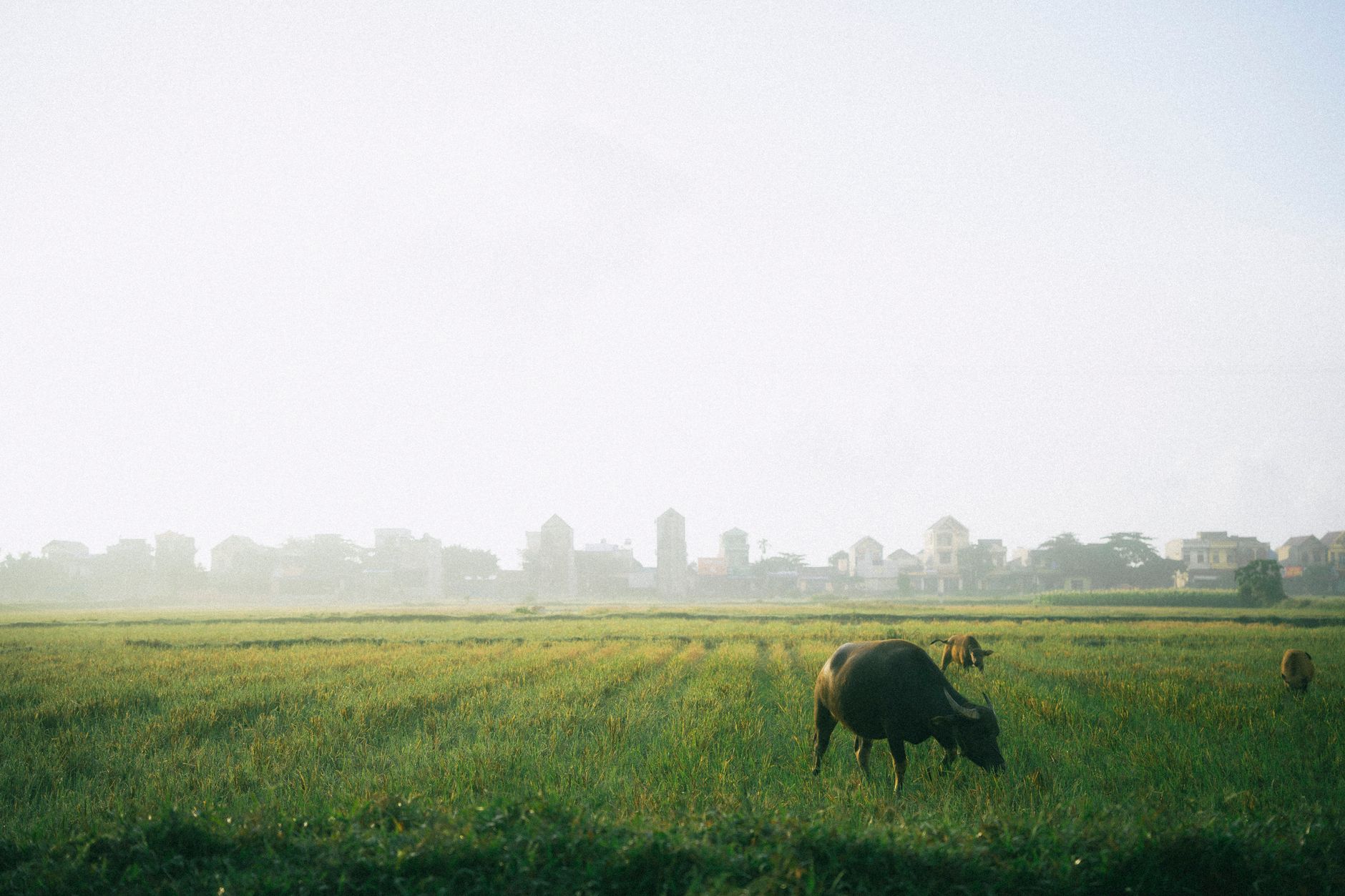
Photo by Thái Châu on Pexels
What to do
Visit the weaving houses
Look for homes with looms visible from the road — several families keep their workshops open to visitors. The main cluster is along the river path near Masjid Mubarak (the village's central mosque). Scarves run 80,000–200,000 VND depending on material. Don't haggle aggressively; these aren't tourist-market prices, they're village prices.
Walk the mosque circuit
Masjid Mubarak is the largest — a modest but photogenic building with green-and-white paint and a minaret. You can enter the courtyard; remove shoes, dress modestly (cover knees and shoulders), and ask before photographing. There are 4–5 smaller prayer houses scattered through the village.
River life
Walk the embankment path. You'll see fishing boats, net-mending, kids swimming, women washing fabric. Early morning (6:00–7:30) is best for activity and light.
Chau Doc floating market
While you're in the area, the Chau Doc floating market operates from about 5:00–7:00 AM on the Hau River. It's smaller and less touristy than Can Tho's Cai Rang market — mostly wholesale produce boats.
Where to eat
The Cham community here is Muslim, so pork — the backbone of most Vietnamese cooking — is absent. Instead you'll find:
- "Ca loc nuong trui" (snakehead fish grilled in straw): Available at riverside stalls near the village. Around 80,000–120,000 VND per fish.
- Beef "bo la lot" (beef wrapped in betel leaves): Common at small restaurants on the road between Chau Doc and the village.
- "Bun ca" (fish noodle soup): The An Giang version uses Mekong catfish and a turmeric-tinged broth. Look for it at market stalls in Chau Doc proper.
For a proper sit-down meal, head back to Chau Doc. Bay Bong on Nguyen Van Thoai street does solid Mekong river fish dishes. A full meal for two runs about 200,000–300,000 VND.
If you're continuing to Can Tho afterward, the city has a much wider food scene — "hu tieu" noodle soup from the southern tradition is a staple there.
Where to stay
There's no accommodation in the village itself. Stay in Chau Doc:
- Budget: Chau Doc has plenty of nha nghi (guesthouses) in the 200,000–350,000 VND range along Bach Dang and Nguyen Huu Canh streets.
- Mid-range: Murray Guesthouse and Trung Nguyen Hotel both sit near the river with clean rooms for 400,000–600,000 VND.
- Upmarket: Victoria Chau Doc Hotel occupies the riverfront with pool and restaurant — around 1,500,000–2,500,000 VND/night.

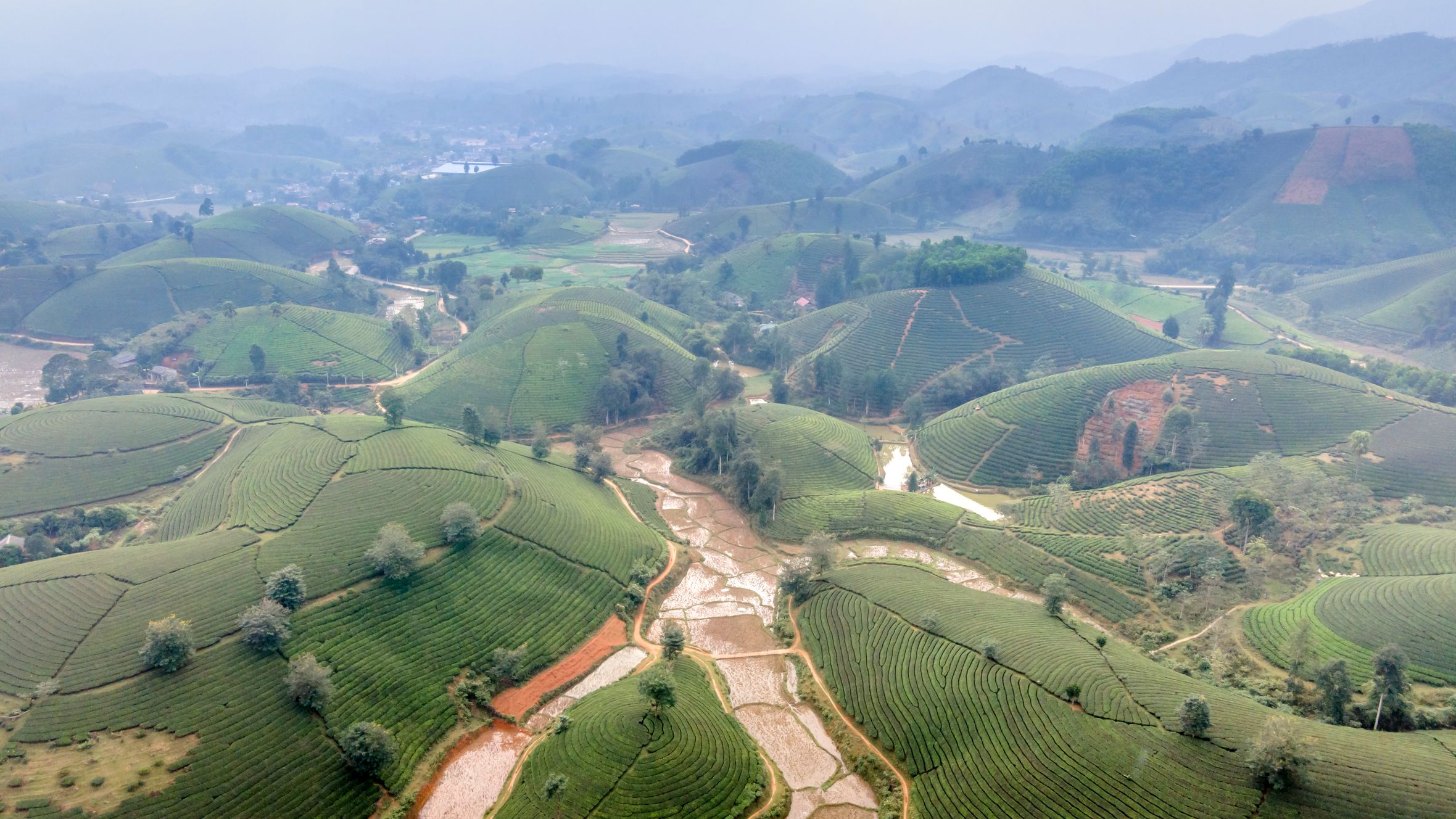
Photo by VINVIVU ® on Pexels
Practical tips
- Dress code matters. This is a Muslim community. Cover shoulders and knees, especially near the mosques. Women don't need a headscarf outside the prayer halls, but carry one in your bag just in case.
- Photography: Ask before photographing people, especially women. Most will say yes, some won't. Respect it.
- Language: Very little English spoken. Basic Vietnamese helps. Google Translate's camera mode works in a pinch for signs.
- Cash only. No ATMs in the village. Withdraw in Chau Doc before heading out.
- Time needed: 2–3 hours is enough for a focused visit. Half a day if you combine with a boat trip.
Common mistakes
Rushing through on a tour bus. Many Chau Doc group tours allocate 20 minutes here — just enough to snap a photo of a loom and leave. Come independently and spend a morning.
Visiting on Friday midday. Friday prayers (around 11:30–13:00) mean workshops close and the village is quiet. Plan around it or use that time for the river walk instead.
Expecting a polished tourist attraction. There's no ticket booth, no visitor center, no English signage. That's the point. Navigate by wandering, asking, and being present.
Final note
Chau Giang won't blow up your Instagram. It's a quiet, lived-in place where the reward is proportional to the attention you bring. If you're already in An Giang for Sam Mountain or the border crossing to Cambodia, carving out a morning here gives you something most Mekong Delta itineraries miss entirely.
Last updated · May 29, 2026 · independently researched, never sponsored.