What is "banh beo" and why Da Nang cares
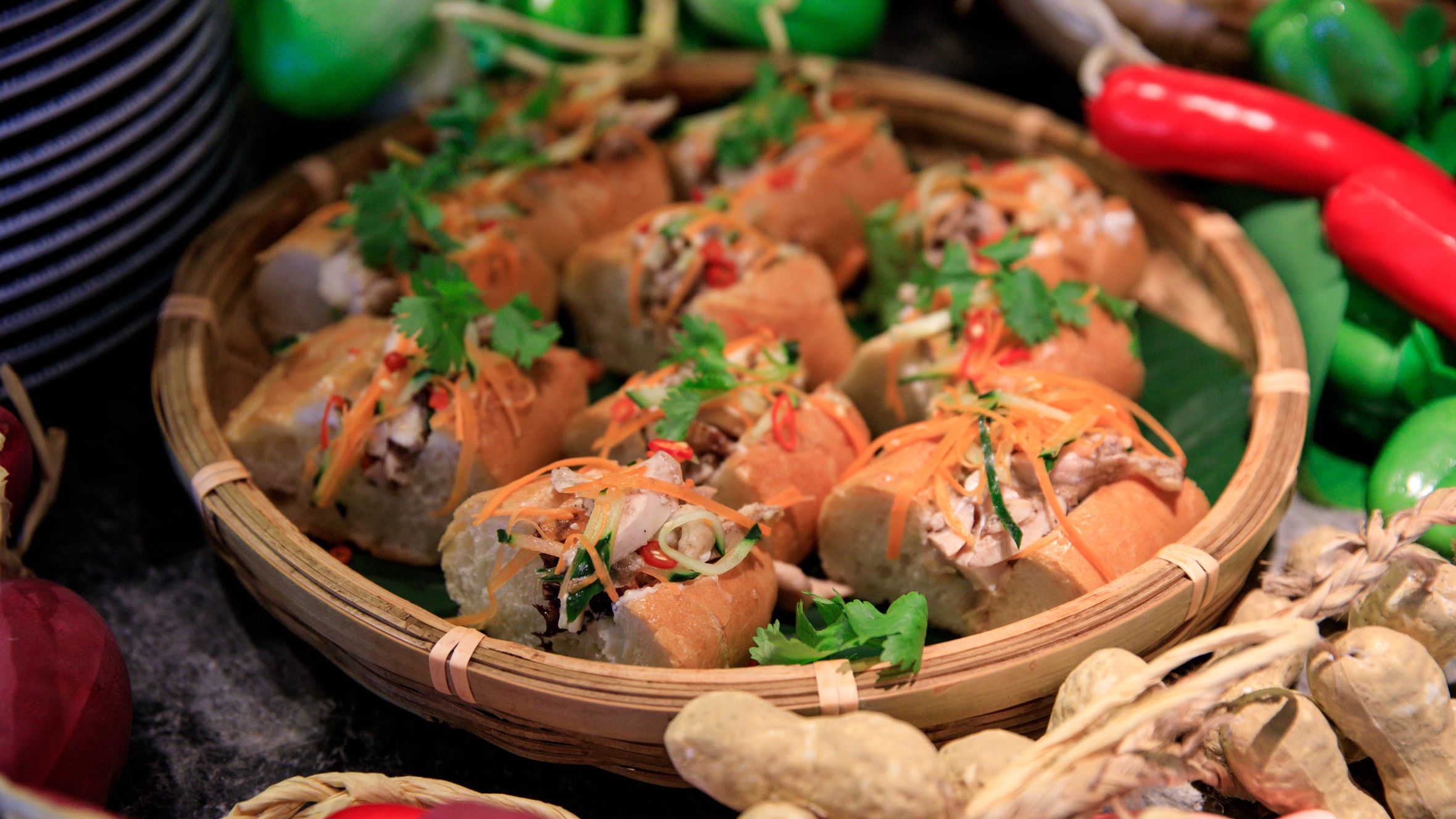
"Banh beo" (steamed shrimp cakes) are small, savory rice-flour pancakes topped with dried shrimp, crispy fried shallots, and a drizzle of fish sauce. You eat them with a plastic spoon, scraping the delicate cake off the cup it's steamed in. They're light, slightly briny, addictive—and breakfast food in most of central Vietnam.
Da Nang's version sits in a middle ground between Hue's more assertive, soup-heavy "banh beo Hue" and Hanoi's minimalist style. Da Nang banh beo tends to have a slightly thicker, spongier cake, more generous toppings, and a broth that's neither as rich as Hue nor as delicate as the north. It's comfort food without apology.
You'll find banh beo carts and stalls all over the city, especially in the early morning. But locals have favorites, and those favorites are often tucked away from the tourist drag.
Banh Beo Qua Mau (Hai Chau District)
This is the spot Da Nang (다낭 / 岘港 / ダナン) natives queue for. Located on a side street in Hai Chau District (not directly on a major road—you have to know where it is), Banh Beo Qua Mau opens at 06:00 and is usually sold out by 09:30.
The owner steams the cakes in small ceramic cups and tops them generously: dried shrimp, crispy fried shallots, cilantro, and sometimes a tiny sliver of crispy pork skin. The broth is light, just salty enough. A serving of 3-4 cups costs 20,000-25,000 VND. Locals order extra crispy fried shallots (mushroom-like texture, charred at the edges) on the side.
Go early. Really early. By 08:00 the crowd is thick, mostly construction workers, shop owners, and retirees. It's standing-room only, no seating. Bring cash.
Banh Beo Xuan Phuong (Thanh Khe District)
Xuan Phuong is the other name that comes up repeatedly when you ask locals. It's been operating since the 1990s, set up on a small alley near the Thanh Khe Market area. The cart opens around 06:30 and usually runs until mid-morning.
What sets this stall apart is the addition of a thin slice of Vietnamese pâté (cha lua) on top of some cakes. It's not traditional, but it's become the house signature. The broth has a slightly sweeter note than other places—some say they add a pinch of sugar, others swear they just let their stock simmer longer.
Price: 22,000-28,000 VND for a serving. The owner is meticulous about the ratio of toppings to cake. Expect a wait, especially on weekends.

Photo by Theodore Nguyen on Pexels
Banh Beo Ket Chung (Near Bach Dang River)
This stall operates from a permanent spot just back from the riverfront, a few blocks south of the Dragon Bridge. It's older, less Instagram-friendly, and that's precisely why locals like it. The owner has been making banh beo for over 20 years, and it shows in the consistency of the cake—never rubbery, always steamed just right.
The distinguishing element here is the optional "banh beo nhanh" (express banh beo): crispy fried banh beo instead of steamed. It's less common, less authentic to traditional banh beo, but worth trying once. Most locals stick with the steamed version.
Price: 20,000-23,000 VND. Opens 06:00, closes by 10:00. Cash only, no card readers. Seating is two plastic stools outside the stall.
Banh Beo at Phuong Dong Market (An Khe Ward)
If you're visiting the Phuong Dong Market in the morning anyway (it's a working market, not a tourist trap), stop by the banh beo vendor near the market's northern entrance. This vendor supplies several restaurants in the area during the day and runs a small retail operation in the mornings.
The banh beo here is less elaborate than the dedicated stalls—simpler toppings, plainer broth—but it's consistent and cheap: 15,000-18,000 VND per serving. It's where market workers eat before their shifts. No pretense, just fuel.
How to order and what to expect
Most banh beo stalls work the same way:
- Point at the stack of ceramic cups and hold up fingers to indicate how many you want. Usually you get 3-4 cakes per serving.
- Say "banh beo" (obviously) and wait. The owner or an assistant will ladle hot broth into a small bowl.
- You get a plastic spoon. Scrape the cake gently off the sides of the cup, soak it in the broth if you like, and eat.
- Add fish sauce (nuoc mam) to taste. Most stalls have a small bottle on the counter.
- Pay when you finish. No menus, no receipts. They remember who paid and who didn't.
Don't expect an English menu or explanations. It's not rude—it's just not how these places operate. Point, eat, pay.

Photo by Van Trang Ho on Pexels
When to go
Barely any banh beo stalls open after 10:00 AM. The best window is 06:00-07:30. If you arrive at 08:00 or later, you risk arriving to a mostly sold-out situation, especially on weekends or holidays.
Banh beo is a breakfast food. Locals don't eat it for lunch or dinner. If you want the full experience—the hustle, the early crowd, the sense of joining a daily ritual—show up before 07:00. You'll also avoid tourists.
Weekends see slightly longer hours (until 10:00-10:30) because of higher foot traffic, but the quality can be inconsistent by then.
Why Da Nang banh beo stands out
Compared to Hue, Da Nang's banh beo is lighter, less broth-heavy, and the toppings are more delicate. Hue's version is chewier and often comes swimming in a richer broth with more protein. Compared to Hanoi (하노이 / 河内 / ハノイ)'s minimal style, Da Nang's is more generous with shrimp and fried shallots.
The difference comes down to local ingredients and tastes. Da Nang has fresher seafood on hand (being coastal), so the shrimp is sweeter and less dried-out-tasting. The rice flour is milled locally, giving the cakes a slightly different texture. And—this matters—Da Nang food culture leans toward balance and subtlety rather than boldness.
Practical notes
Bring small bills or coins; most stalls can't or won't break large notes. Go early, go hungry, and don't expect a comfortable seat. These are standing-room breakfast spots for working people, not cafes. If you want the real thing, this is exactly where you find it.
Last updated · May 26, 2026 · independently researched, never sponsored.