What is "bun mam nem"?
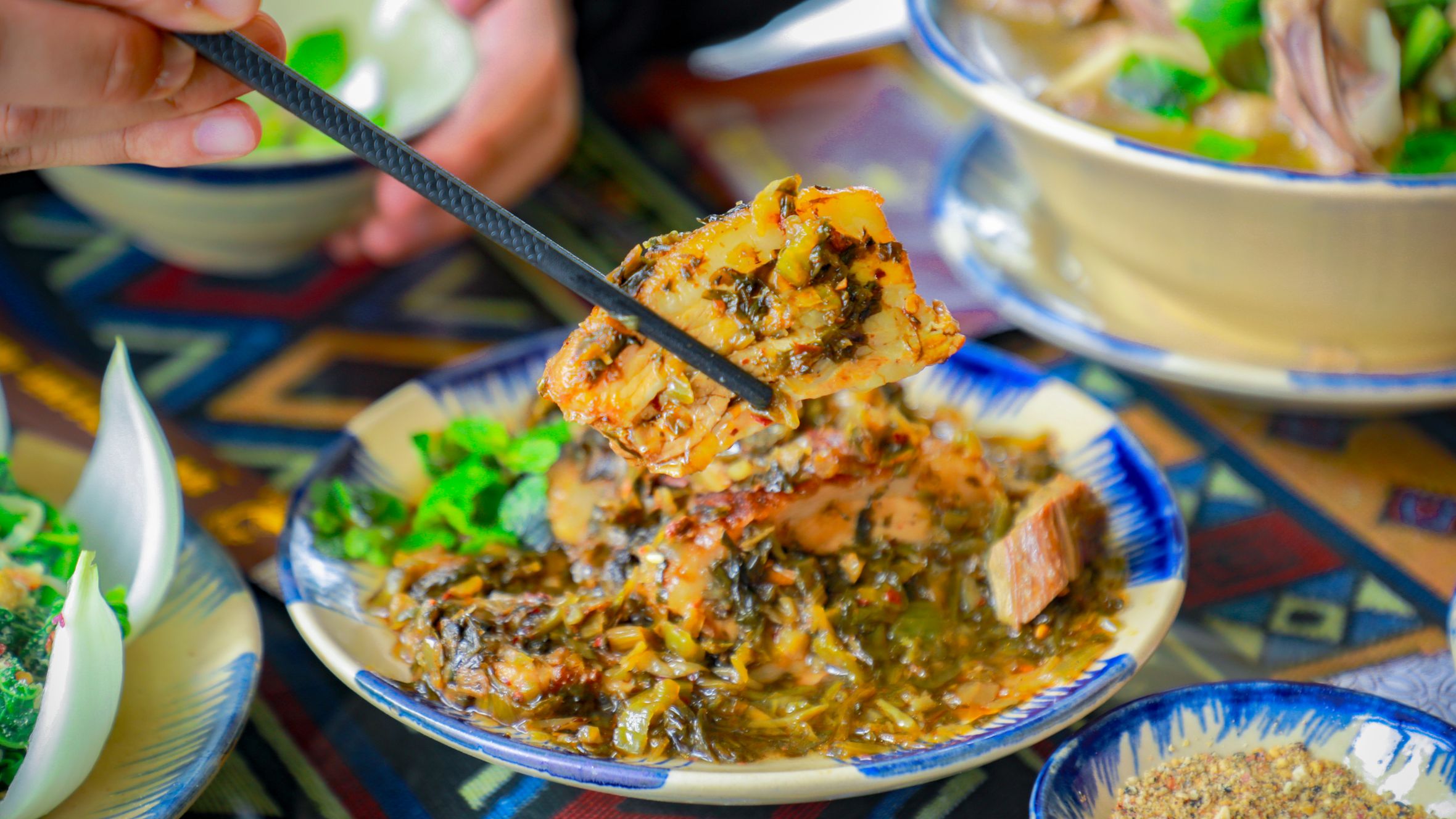
"Bun mam nem" is a bowl of tender rice vermicelli topped with grilled fish cakes, shredded pork skin, fresh greens, and a broth made from fermented fish sauce — intensely savory, with a funk that takes newcomers by surprise. It's not universally loved, but once it clicks, you crave it. Da Nang is one of the last strongholds of this dish; you'll rarely find it done well outside central Vietnam.
The name itself is a giveaway: "mam" is fermented fish paste, and "nem" refers to the grilled fish cakes. The broth is what defines it — a reduction of fish sauce, garlic, and shrimp paste, sometimes with a touch of lime and sugar. Locals will argue about the right ratio; most say it should coat your palate and linger.
The Da Nang difference
Da Nang (다낭 / 岘港 / ダナン)'s version sits between Hue's more herbaceous style and the southern preference for sweeter broths. Here, the broth is funkier and less forgiving than in Saigon, but balanced enough that eating it at 6 a.m. on a humid morning makes sense. The city's proximity to the Han River means fresher fish and shrimp paste, and generations of fishing families have refined the recipe to a near-uncompromising standard.

Photo by Hoàng Giang on Pexels
Where locals eat it
Bun Mam Nem Nhat — Hang Luoc Ward
This is the reference point. Located on a narrow side street near the old market, Bun Mam Nem Nhat has been running since the early 1990s under the same family. The broth is made fresh every morning from fish bought at 4 a.m.; you can taste it. A bowl costs 35,000–40,000 VND, and they serve only until 10:30 a.m. — after that, the broth is gone. Arrive by 7 a.m. if you want a seat without waiting. The owner, Mrs. Linh, will ladle extra broth if you ask in Vietnamese and seem genuine.
Bun Mam Nem Hoa — Hai Chau District
Less touristy than Nhat, but arguably superior broth. The owner sources his shrimp paste from a single supplier in Phan Rang and doesn't cut corners. Cost is 40,000 VND for a standard bowl. Open 5:30 a.m. to 9:30 a.m. only. Locals queue from 6 a.m., especially on weekends. The fish cakes are grilled to order, so there's a 5-minute wait — that's a good sign.
Bun Mam at the Ngu Hanh Son Market (foot of Marble Mountains)
Inside the market, there are three bun mam stalls; the one in the northwest corner (look for the blue plastic stools) is the one locals recommend. No name on the shop, just a hand-painted sign. Cost is 30,000–35,000 VND. Open 6 a.m. to 9 a.m. This is the most "authentic" in the sense of least polished — plastic bowls, communal water station, zero English — but the broth is clean and complex. The stall owner is in her 70s and has been there for 35+ years.
Bun Mam Nem An Hai — Near Tran Phu Market
If you're staying on the central beach area or near Han Market, this spot is walkable. Slightly pricier at 45,000 VND, but the broth has a hint of crab to it, which some locals swear by. Open 5:30 a.m. to 11 a.m. They serve more tourists than the others, so you won't feel out of place ordering in English, though the owners speak minimal English. Grilled fish cakes are notably tender here.
Bun Mam at Con Market (Bach Dang Ward)
The least polished option, and the cheapest at 28,000 VND. This is where construction workers and cyclists eat. The broth is funkier than the others — some say it's a bit too strong, but if you want to taste Da Nang's bun mam at its most unfiltered, this is it. Open 5:30 a.m. to 8:30 a.m. No tourists. Bring cash; they don't take cards.
How to order
Just say "một bun mam nem" (one bowl of bun mam nem) or point at another bowl. If you want extra broth, say "them nuoc" (more broth). Some stalls will ask if you want vegetables on the side — usually morning glory, herb bundles, or cucumber — say "co" (yes) or "khong" (no). Most bowls come with a small plate of chili and lime on the side; add as much as you want.
If the broth is too strong, squeeze lime over it and sip it slowly. If you're eating with locals, they'll likely finish the broth with rice (ask for "com trang", white rice) — mix the remaining broth with rice and eat it as a thick porridge. This is normal.
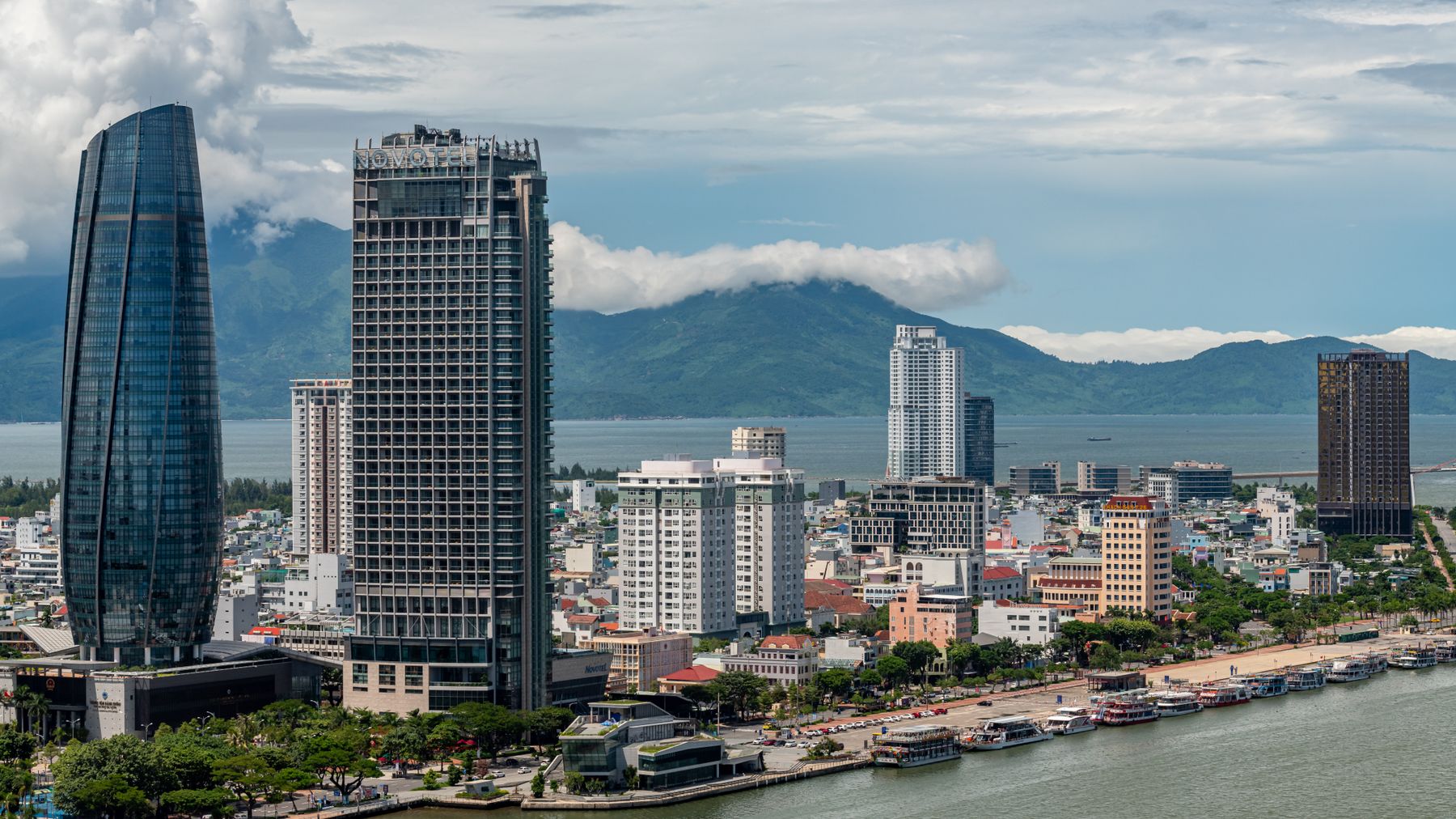
Photo by Kirandeep Singh Walia on Pexels
When to go
Bun mam nem is a breakfast and early-lunch dish. Go between 6 a.m. and 9 a.m. for the best broth and the most crowds. By 10 a.m., most stalls are either closed or serving yesterday's broth. If you're a late sleeper, your best bet is Bun Mam Nem An Hai or Bun Mam Nem Hoa, which stay open until 9:30 or 11 a.m., but even then the quality drops after the morning rush.
Don't expect to find bun mam nem for lunch or dinner in Da Nang — it's emphatically a morning dish. A few stalls might serve it at lunch, but the broth will be thinner and the fish cakes less fresh.
Practical notes
Bring small cash (VND); only Bun Mam Nem An Hai reliably accepts cards. Most stalls are on narrow side streets or inside markets — use Google Maps or ask your hotel for directions to the stall name. The smell is memorable and polarizing; if you hate fermented fish sauce on principle, this dish won't convince you. If you're unsure, try the market stall first (lowest stakes, cheapest) before committing to a full sit-down experience.
Last updated · May 26, 2026 · independently researched, never sponsored.