
Buu Long Pagoda (Chua Buu Long) is one of the few Theravada Buddhist temples in a city dominated by Mahayana tradition. Sitting on a low granite hill along the Dong Nai River in District 9, it's become one of the more interesting religious sites in Saigon — not because it's old, but because it's genuinely different from anything else you'll find here.
What it is and how it got here
Founded in 1942 by a Vietnamese monk who had studied Theravada Buddhism in Cambodia, the original pagoda was modest. The temple you see today is the result of decades of expansion, culminating in the massive "Gotama Cetiya" stupa completed in 2014. That central stupa draws heavily from Indian, Thai, and Myanmar architectural styles — gold-tiled, multi-tiered, and sitting on a lotus-shaped base. It looks nothing like your typical Vietnamese pagoda, which is exactly why people make the trip.
The complex covers about 11 hectares of landscaped grounds on a hillside overlooking the river. There's a working monastery here, with resident monks practicing in the Theravada tradition.
Why travelers go
Most visitors come for two reasons: the architecture and the quiet. The Gotama Cetiya stupa is unlike any other religious structure in Saigon (사이공 / 西贡 / サイゴン). Its gold exterior and Southeast Asian fusion design photograph well, sure, but the real draw is the atmosphere. The grounds are spacious and genuinely calm. You can sit on a stone bench under a frangipani tree and hear birdsong instead of motorbike horns — rare for a city of 10 million.
For anyone who's spent a few days in the density of District 1 or Cholon, Buu Long feels like a pressure valve. It's not a theme park version of tranquility. Monks live and practice here daily, and the temple functions as a real religious site, not a tourist attraction with an entry fee.
Best time to visit
Saigon's dry season runs roughly from December through April, and that's the most comfortable window. Mornings between 7:00 and 9:00 are ideal — the light is soft, the grounds are emptier, and you'll beat the midday heat that makes anything outdoors in Saigon uncomfortable from about 11:00 onward.
Weekends get noticeably busier, especially Sunday mornings when local families visit. If you can swing a weekday, do it. Major Buddhist holidays (Vesak in May, Vu Lan in August) bring large crowds — worth experiencing if you want to see the temple active and decorated, but not great for a quiet visit.
How to get there
Buu Long is in the Thu Duc area (eastern Saigon), about 20 km from the backpacker district around Bui Vien in District 1.
By taxi or Grab
The easiest option. A Grab car from District 1 runs 120,000–180,000 VND one way, depending on traffic, and takes 35–50 minutes. Rush hour (7:00–9:00, 17:00–19:00) can push that past an hour. Book a return ride from the temple — don't count on finding a xe om nearby.
By bus
Bus route 60 runs from Ben Thanh Market area toward Thu Duc and stops within walking distance of the temple. The fare is 6,000 VND. It takes over an hour, and the last stretch involves a 10-minute walk uphill. Workable if you're budget-conscious and patient.
By motorbike
If you're renting a bike, follow the Ha Noi Highway (Xa Lo Ha Noi) east from the city center. Parking at the temple is free.
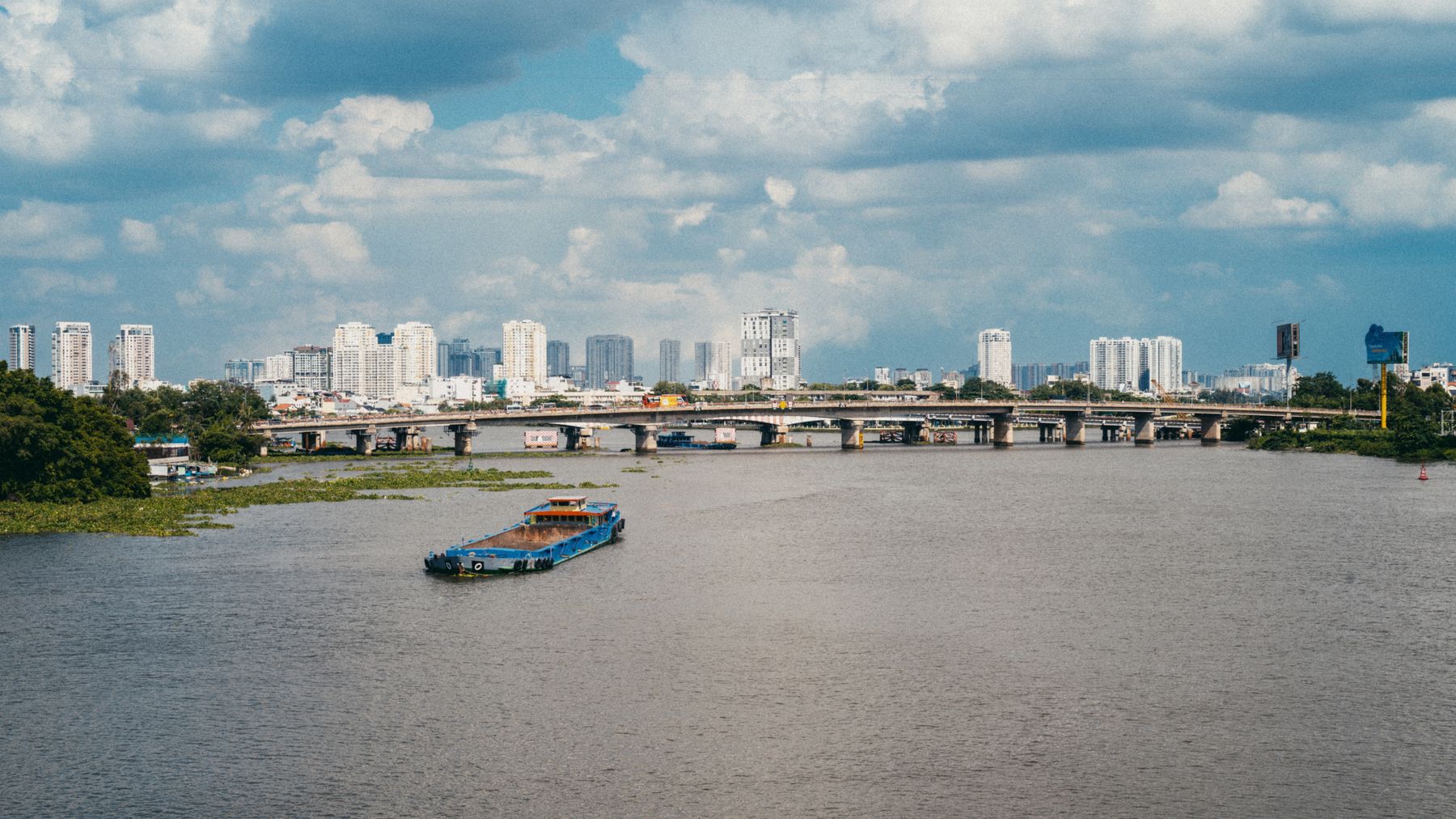
Photo by Nguyen Duc Toan on Pexels
What to do
Walk the Gotama Cetiya stupa
The main stupa has multiple levels you can enter. The interior houses Buddhist relics and detailed murals. Take the stairs up — each level offers a different perspective of the grounds and the river below. Remove your shoes before entering.
Sit in the meditation hall
The Theravada meditation hall is open to visitors outside of scheduled sessions. It's sparse and cool, with polished stone floors. If you've never tried sitting meditation, this is a welcoming place to spend 15 minutes being still.
Explore the hillside gardens
The landscaped paths wind through the 11-hectare grounds past smaller shrines, Buddha statues in various poses, and clusters of tropical trees. The path down toward the Dong Nai River bank is worth the walk — there's a breezy overlook that most visitors skip because they stay near the main stupa.
Visit the smaller shrines
Scattered around the complex are secondary prayer halls and shrines in mixed architectural styles. Some have Khmer-influenced carvings, others lean toward Sri Lankan design. These are quieter than the main stupa and give a fuller picture of the temple's Theravada identity.
Attend a chanting session
If you visit early morning (around 5:30–6:00) or late afternoon (around 17:00), you may hear the monks' Pali chanting. You're welcome to sit quietly at the back of the hall.
Where to eat nearby
The area around Buu Long isn't a food destination, but you won't go hungry. Along the main road (Nguyen Xien Street, heading back toward Thu Duc center), you'll find local rice shops serving "com tam" — broken rice with grilled pork, a fried egg, and pickled vegetables, typically 35,000–50,000 VND per plate. This is a Saigon staple and the portions out here tend to be more generous than downtown.
For something lighter, look for a "banh mi" cart near the temple entrance or along the approach road. Standard price is 15,000–25,000 VND. The Thu Duc area also has solid "hu tieu" — southern-style pork and prawn noodle soup — at small shopfront restaurants.
Where to stay
Most travelers visit Buu Long as a half-day trip from central Saigon and don't need accommodation nearby. If you prefer staying closer, Thu Duc has budget guesthouses (nha nghi) from 200,000–350,000 VND per night and a few mid-range hotels around 500,000–800,000 VND.
For more variety, base yourself in Saigon's District 1 or District 3, where options range from 150,000 VND dorm beds to international hotels above 2,000,000 VND.

Photo by Budi N on Pexels
Practical tips locals would tell you
- Dress modestly. Shoulders and knees covered. The temple is relaxed about enforcement, but it's a functioning monastery. Respect goes a long way.
- Bring water. The grounds are extensive and there's limited shade on the upper paths. Saigon heat is no joke, especially between 11:00 and 15:00.
- No entry fee. The temple is free to visit. Donation boxes are available if you want to contribute.
- Shoes off indoors. Every hall and shrine — leave them at the entrance.
- Photography is fine in the outdoor areas and the stupa, but ask before shooting inside meditation halls or near monks.
Common mistakes to avoid
Going at midday on a weekend. You'll share the stupa steps with selfie crowds and melt in the heat. Early weekday mornings are a different experience entirely.
Not planning return transport. This isn't a central Saigon neighborhood. Grab bikes and cars are available but can take 5–10 minutes to arrive. Xe om drivers at the gate may overcharge — agree on a price before getting on.
Rushing through. Many visitors see the stupa, take photos, and leave within 30 minutes. The grounds reward a slower pace. Budget at least 90 minutes to walk the gardens, sit in the halls, and actually absorb the quiet.
Practical notes
Buu Long Pagoda is open daily, generally from 5:00 to 20:00. Combine it with a morning visit, then head back toward Saigon for a late lunch — the trip pairs naturally with exploring Vung Tau if you're heading further east. It's not a full-day destination, but it's one of the more rewarding half-days you can spend in the Saigon area.
Last updated · May 26, 2026 · independently researched, never sponsored.








