Why Ca Mau Matters
Ca Mau is Vietnam's southernmost province, located in the Mekong Delta (메콩 델타 / 湄公河三角洲 / メコンデルタ) roughly 370 km south of Ho Chi Minh City. The name derives from Khmer, meaning "dark water"—a reference to the region's distinctive waterways that define daily life here. What makes Ca Mau geographically singular: Ca Mau Cape is the only place on Vietnam's mainland where you can watch the sunrise over the South China Sea and the sunset over the Gulf of Thailand on the same day.
The province occupies a peninsula bordered by sea on three sides, with an average elevation of just 0.5 to 1.5 meters above sea level. Most of the land is young, formed by centuries of sedimentation from the Mekong River system—fertile but flood-prone, especially in the south.
For context, Ca Mau sits at the very end of the road. If you have been traveling the length of Vietnam (베트남 / 越南 / ベトナム)—starting from Sapa or Ha Giang in the far north, through Hanoi, Hue, Da Nang, Ho Chi Minh City—Ca Mau is the full stop. The GPS coordinates of Ca Mau Cape (roughly 8.6°N) put it closer to the equator than Bangkok. That geography shapes everything: the heat, the mangroves, the extraordinary biodiversity, and the feeling that you have genuinely reached the end of the map.
Landscape: Rivers, Forests, and Tides
Ca Mau is defined by water. The province contains approximately 14,000 kilometers of rivers and canals—often described as resembling a spiderweb—that facilitate inland transport and fishing. Key waterways include the Tam Giang, Ganh Hao, Song Doc, and Ca Tau rivers, along with countless smaller channels.
Ecologically, Ca Mau punches well above its weight. The province is home to 77% of the Mekong Delta's mangrove forests—roughly 35,000 hectares of inland forest and 310 kilometers of coastline. These mangroves are critical nurseries for fish and shrimp, supporting the province's aquaculture industry and providing habitat for migratory birds. The soil varies widely: acid sulfate, peat, alluvial, saline, and canal soil create a mosaic of microclimates.
Tidal range here is dramatic. Along the East Sea coast, spring tides can swing 300–350 cm, while neap tides range 180–220 cm. This rhythm shapes fishing schedules, transportation, and settlement patterns.
Two protected areas anchor the province's ecology. Mui Ca Mau National Park (established 2003, UNESCO Biosphere Reserve since 2009) covers over 41,000 hectares of mangrove, mudflat, and coastal forest at the tip of the peninsula. U Minh Ha National Park, inland to the northwest, protects a vast peat-swamp forest—one of the last of its kind in Southeast Asia. Birders come for the storks, herons, cormorants, and occasionally rare species like the painted stork. January through March is prime birdwatching season when migratory populations peak.
Climate and When to Visit
Ca Mau has a near-equatorial tropical monsoon climate. Annual rainfall averages 2,360 mm across roughly 165 rainy days per year, with humidity hovering around 85.6%. Average annual temperature is 26.5°C, with April the warmest month (around 27.6°C) and January the coolest (around 25°C)—a narrow 2.7°C range year-round.
For visitors: the dry season (November–April) offers the most stable weather for exploring by boat. Monsoon months (May–October) bring heavy rain and higher water levels—scenic, but logistically challenging.
If you are choosing a single month, December or January is the sweet spot: lower humidity, calmer seas for the boat ride to Ca Mau Cape, and cooler mornings ("cooler" meaning 25°C instead of 28°C—pack accordingly). April is technically dry-season but already hot and hazy. Avoid September if you are on a tight schedule; flooding can delay boats by hours.

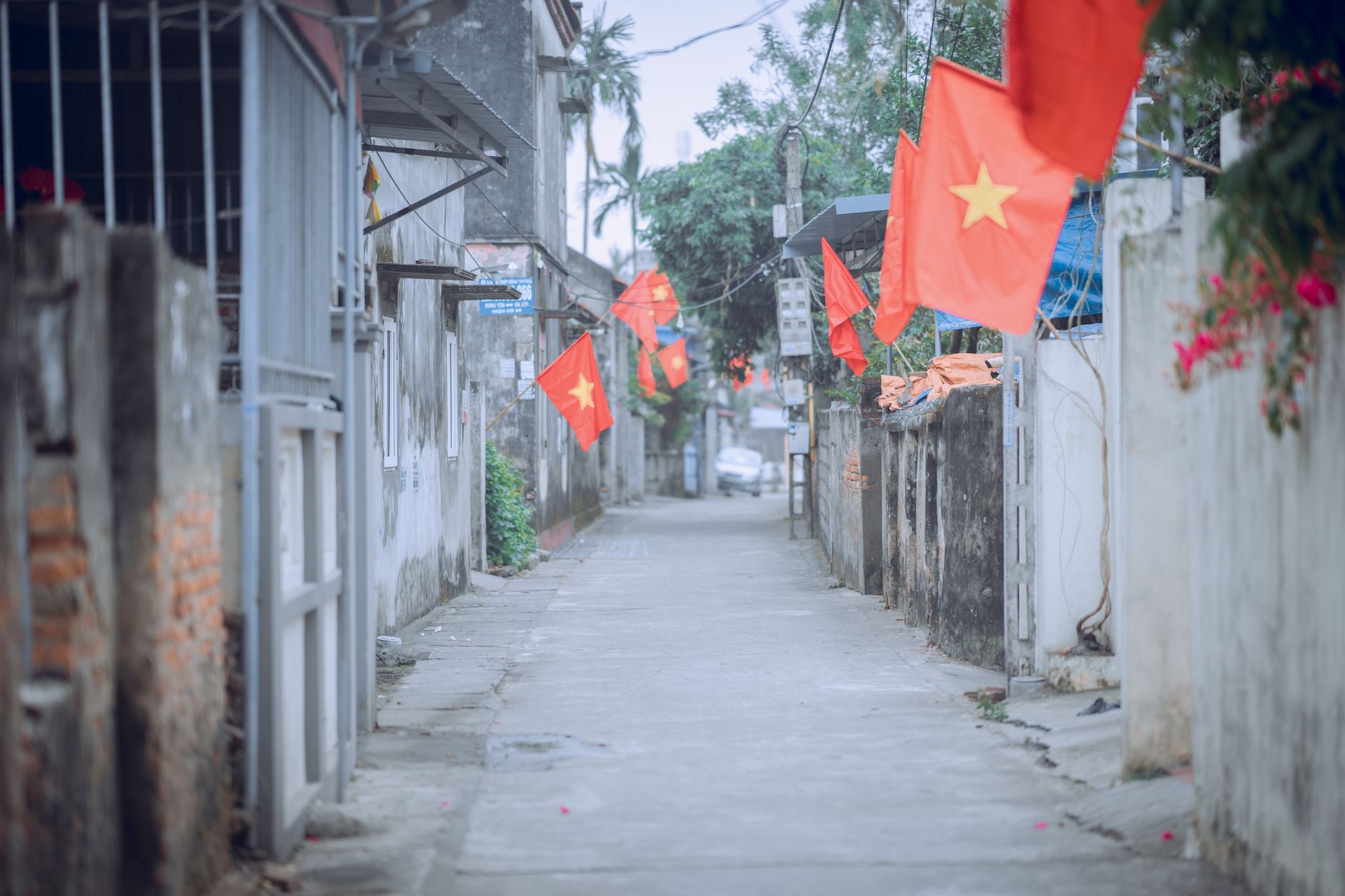
Photo by maxed. RAW on Pexels
Who Lives Here
Ca Mau has a population of approximately 2.6 million, making it the 20th most populous province in Vietnam. The vast majority are Kinh (94.5%), with significant Khmer (115,180 people) and Hoa (Chinese, 24,625 people) minorities. About 29% of residents follow an organized religion, with Buddhists accounting for roughly 22% of the provincial population—the dominant faith.
The Khmer community is most visible in the southern and western districts—Tran Van Thoi, Thoi Binh, U Minh—where you will find Khmer-style pagodas and distinct food traditions. The Hoa community clusters in Ca Mau City itself, running shops and small businesses, much as they do across the Mekong Delta.
What to Eat in Ca Mau
Ca Mau's kitchen is built on seafood and the muddy, brackish ecosystem that produces it. This is not a province where you hunt for fancy restaurants—you eat at market stalls, riverside "quan" (small eateries), and family-run places with plastic chairs.
Mud crab is the star. Ca Mau's black tiger shrimp and mud crabs are exported nationwide, but they taste best here, hours out of the water. A plate of steamed or tamarind-sauteed mud crab at a local restaurant in Ca Mau City runs around 250,000–400,000 VND depending on size and season. Ganh Hao town (Dong Hai district, about 50 km east of Ca Mau City) is considered the epicenter—crab shacks line the waterfront there.
Beyond crab, look for:
- "Bun nuoc leo": a Khmer-influenced noodle soup with fish-based broth, fermented fish paste, roasted pork, and fresh herbs. It is the regional signature dish, distinct from pho or bun bo Hue. A bowl costs 25,000–35,000 VND.
- Grilled snakehead fish: whole fish, stuffed with lemongrass, grilled over charcoal. Common at rural homestays and canal-side eateries.
- "Banh tam bi": thick tapioca noodles with shredded coconut pork, sweet and savory. Shared with other Mekong Delta provinces but excellent here.
- Dried shrimp and fish sauce: Ca Mau produces some of the delta's best "mam" (fermented fish paste). You will smell it at every market. Buy small jars at Quang Long Market as edible souvenirs—around 40,000–70,000 VND per jar.
For breakfast, rice porridge ("chao") with shrimp or fish is standard. Vietnamese coffee ("ca phe") is available everywhere—ask for "ca phe sua da" (iced coffee with condensed milk) at any street-side stall for about 15,000–20,000 VND. Do not expect the specialty coffee culture of Da Lat or Hanoi; this is working-class delta coffee, strong and sweet.
If you are arriving from Saigon or the central coast, Ca Mau's food will feel familiar but distinctly brackish—more fermented fish, more coconut, more mud crab, less beef. You will not find much banh mi culture here compared to Saigon, though basic sandwiches exist. For com tam (broken rice) fans, it is available in Ca Mau City but is not the local obsession it is in Ho Chi Minh City.
What to Do
Ca Mau offers quieter, less-touristed exploration than Hanoi or Ho Chi Minh City. Highlights include:
- Ca Mau Cape: The provincial landmark—watch the tidal convergence at sunrise or sunset. The cape is about 110 km from Ca Mau City. Most visitors reach it by speedboat (roughly 90 minutes from Nam Can town, ticket around 150,000–200,000 VND one way) or by a combination of road and boat. At the cape itself, a concrete marker and observation tower mark the southernmost tip. It is not luxurious—expect a wooden boardwalk through mangroves and a small visitor center—but the geography is genuinely dramatic.
- Mangrove boat tours: Hire a guide and boat to navigate the canals and observe birds, fish traps, and traditional fishing methods. Half-day boat charters from Ca Mau City or Nam Can run approximately 500,000–1,000,000 VND depending on distance and negotiation.
- Aquaculture observation: Visit shrimp and fish farms to understand the province's primary industry. Some homestays in Ngoc Hien and Dam Doi districts include shrimp-farm visits as part of overnight packages.
- U Minh forest: One of the largest remaining wetland forests in the delta; hire local boatmen to explore. Entry to U Minh Ha National Park costs around 30,000 VND; boat hire inside the park is extra.
- Local markets: Quang Long and Ca Mau City markets reflect daily life and regional seafood and agricultural trade. Ca Mau City's central market is busiest before 8 AM—go early for the best seafood displays and breakfast stalls.
- Hon Da Bac: a small island off the southwestern coast, reachable by boat from Song Doc. Not a resort island—think fishing village with basic guesthouses—but worth the trip for the isolation and seafood.
Transport here is water-based. Roads exist but are rough; most locals and visitors move by boat or motorcycle. Tour operators in Can Tho or Ho Chi Minh City can arrange multi-day Mekong Delta trips that include Ca Mau.

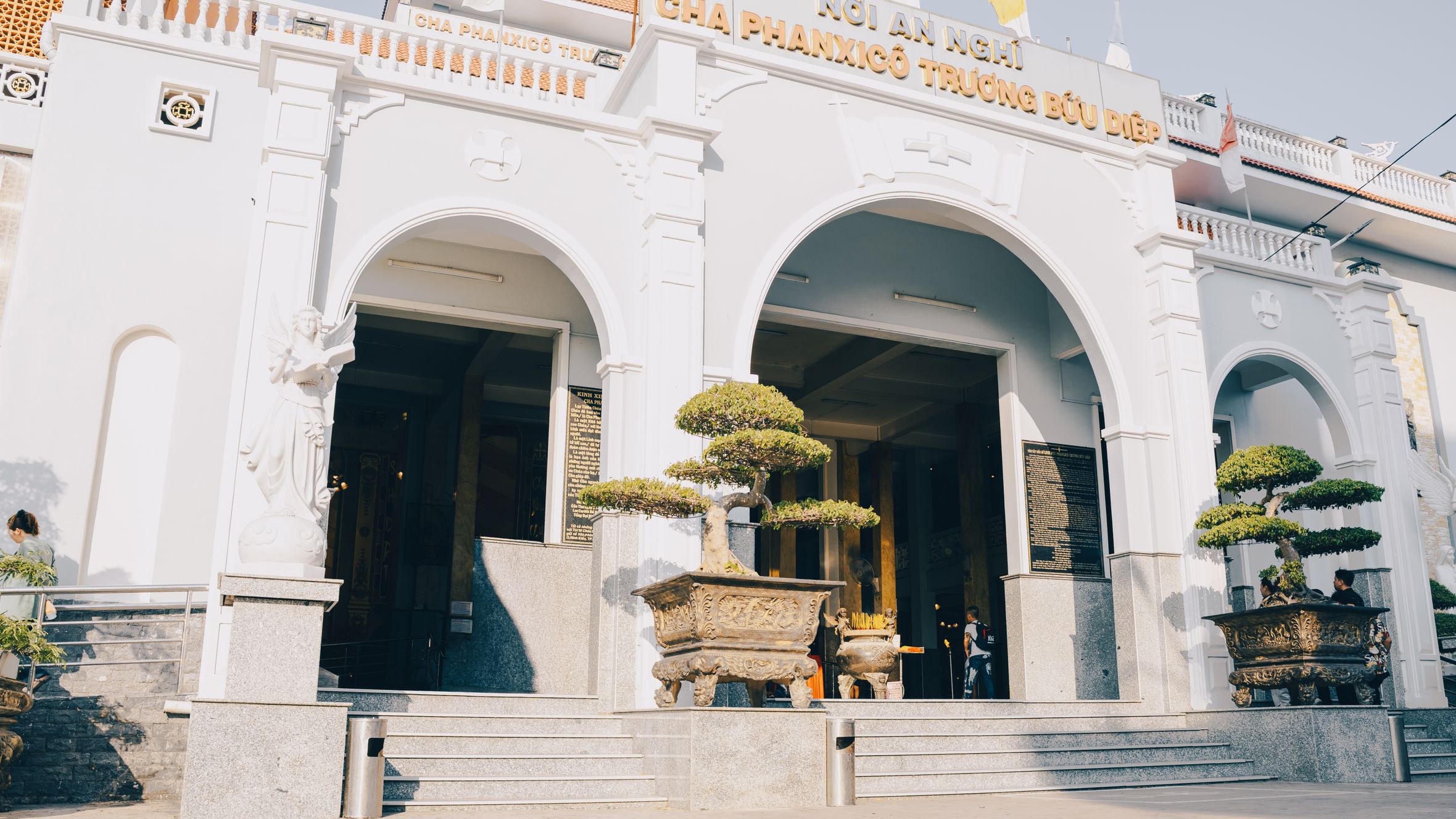
Photo by maxed. RAW on Pexels
Getting There
Ca Mau City (the provincial capital) is roughly 350 km south of Ho Chi Minh City by road—a 6–8 hour drive. Direct flights are limited; most visitors fly into Ho Chi Minh City or Can Tho, then travel overland. Buses run daily from Ho Chi Minh City to Ca Mau City (roughly 10 hours). Once in Ca Mau, hire a boat and driver—the primary way to see the province.
The main bus operators on the Saigon–Ca Mau route include Phuong Trang (FUTA) and Thanh Buoi, with sleeper buses departing from Mien Tay Bus Station in Ho Chi Minh City. Expect to pay around 200,000–280,000 VND for a one-way ticket. From Can Tho, it is about 3–4 hours by bus or car (roughly 180 km). If you are doing a broader Mekong Delta loop—Can Tho, Soc Trang, Bac Lieu, Ca Mau—renting a motorbike or hiring a car with driver makes the logistics much easier. Motorbike rental in Can Tho or Ca Mau City runs about 150,000–200,000 VND per day.
Ca Mau also has a small domestic airport (Ca Mau Airport, CAH) with limited flights to Ho Chi Minh City. Schedules change seasonally and cancellations are common, so do not count on flying in or out without a backup plan.
Where to Stay
Accommodation in Ca Mau City is functional, not luxurious. Budget guesthouses ("nha nghi") start around 200,000–300,000 VND per night. Mid-range hotels along Phan Ngoc Hien Street or Ly Bon Street in the city center cost 400,000–700,000 VND and usually include air conditioning, Wi-Fi, and breakfast. There are no international chain hotels here.
For a more immersive experience, look for homestays in Ngoc Hien district (near Ca Mau Cape) or along the canals in Dam Doi. These are basic—expect a mosquito net, a fan, a shared bathroom—but you will eat home-cooked meals, join fishing trips at dawn, and sleep to the sound of water lapping against the stilts of the house. Prices are negotiable but typically 300,000–500,000 VND per person including meals.
Common Mistakes Foreigners Make in Ca Mau
- Not bringing enough cash. ATMs exist in Ca Mau City but are unreliable outside town. Card payments are essentially nonexistent in rural areas. Bring VND from Ho Chi Minh City or Can Tho—at least 2,000,000–3,000,000 VND in small bills.
- Expecting English. Very few people speak English here, even at hotels. Download Vietnamese phrases offline or bring a translation app. Useful phrases: "Bao nhieu tien?" (How much?), "Cho toi mot phan" (Give me one serving), "Nha ve sinh o dau?" (Where is the bathroom?).
- Underestimating travel time. Distances look short on the map, but roads are narrow, boats follow tidal schedules, and transfers between land and water eat hours. Budget a full day to get from Ca Mau City to Ca Mau Cape and back.
- Skipping sunscreen and insect repellent. The mangrove canals are beautiful but mosquito-heavy, especially at dawn and dusk. Bring DEET-based repellent and a hat—shade is scarce on open boats.
- Arriving without a plan. Unlike Hoi An or Phu Quoc, there is no backpacker strip or walk-in tour desk. Arrange your boat, guide, and accommodation before arriving—or at minimum, have your hotel call ahead.
- Treating it like a beach destination. Ca Mau's coastline is mudflat and mangrove, not sand. If you want a beach day, Phu Quoc is about 150 km to the west (reachable by boat from Rach Gia or Nam Can, though indirect).
Quick Reference
- Provincial capital: Ca Mau City
- Distance from Ho Chi Minh City: ~350 km (6–8 hours by car, ~10 hours by bus)
- Distance from Can Tho: ~180 km (3–4 hours by car)
- Airport: Ca Mau Airport (CAH) — limited domestic flights
- Best months to visit: December–March (dry, relatively cool)
- Currency: VND only — bring cash, ATMs unreliable outside city
- Budget hotel: 200,000–400,000 VND/night
- Mid-range hotel: 400,000–700,000 VND/night
- Homestay (with meals): 300,000–500,000 VND/person/night
- Bowl of bun nuoc leo: 25,000–35,000 VND
- Mud crab meal: 250,000–400,000 VND
- Speedboat to Ca Mau Cape (one way): 150,000–200,000 VND
- Language: Vietnamese; very limited English
- Key districts for tourism: Ngoc Hien (Ca Mau Cape), Dam Doi (mangroves), U Minh (wetland forest), Dong Hai/Ganh Hao (seafood)
A Note on Access
Ca Mau is one of Vietnam's least-visited provinces by foreign tourists, partly due to remote location and limited English-language tourism infrastructure. This is not a drawback—it means fewer crowds, more authentic interaction, and genuine quiet. Come prepared for basic accommodations, bring cash (ATMs are sparse), and consider hiring a guide who speaks English and knows the canals well.
If you are combining Ca Mau with a broader Mekong Delta itinerary, the natural loop runs: Ho Chi Minh City to Can Tho (overnight), Can Tho to Bac Lieu (overnight), Bac Lieu to Ca Mau (two nights minimum), then return north. Three days in the province is enough to visit Ca Mau Cape, explore the mangroves, eat your weight in mud crab, and get a feel for delta life at its most unhurried.
Bottom Line
Ca Mau is not for everyone. There are no cocktail bars, no infinity pools, no Instagram cafes. What there is: the end of Vietnam, where the land dissolves into mangrove and tide, and the pace of life is set by water levels, not notifications. If you have already seen Ninh Binh, Ha Long Bay, and the central coast, Ca Mau is the kind of place that reminds you why you came to Vietnam in the first place—not for the polished version, but for the real thing.
Last updated · May 29, 2026 · independently researched, never sponsored.