What Ho Thang Hen actually is
About 20 km southwest of Cao Bang city, Ho Thang Hen sits inside a collapsed karst basin surrounded by limestone towers. It's not one lake — it's a chain of 36 connected pools that fill and drain depending on rainfall and underground river systems. During the wet season (roughly June through October), the water rises through subterranean channels and floods the basin into a single, wide lake. In the dry months, it shrinks back into separated pools, exposing the rocky floor between them.
Locals have known about Thang Hen for generations. The Tay ethnic community living around the basin has stories about a dragon that carved the lake system, which is why you'll sometimes hear it called "the dragon's eyes." The area was formally recognized as part of the Non Nuoc Cao Bang UNESCO Global Geopark in 2018, which put it on more travelers' radars — but it still sees a fraction of the visitors that Ha Long Bay or Ninh Binh (닌빈 / 宁平 / ニンビン) get.
Why travelers go
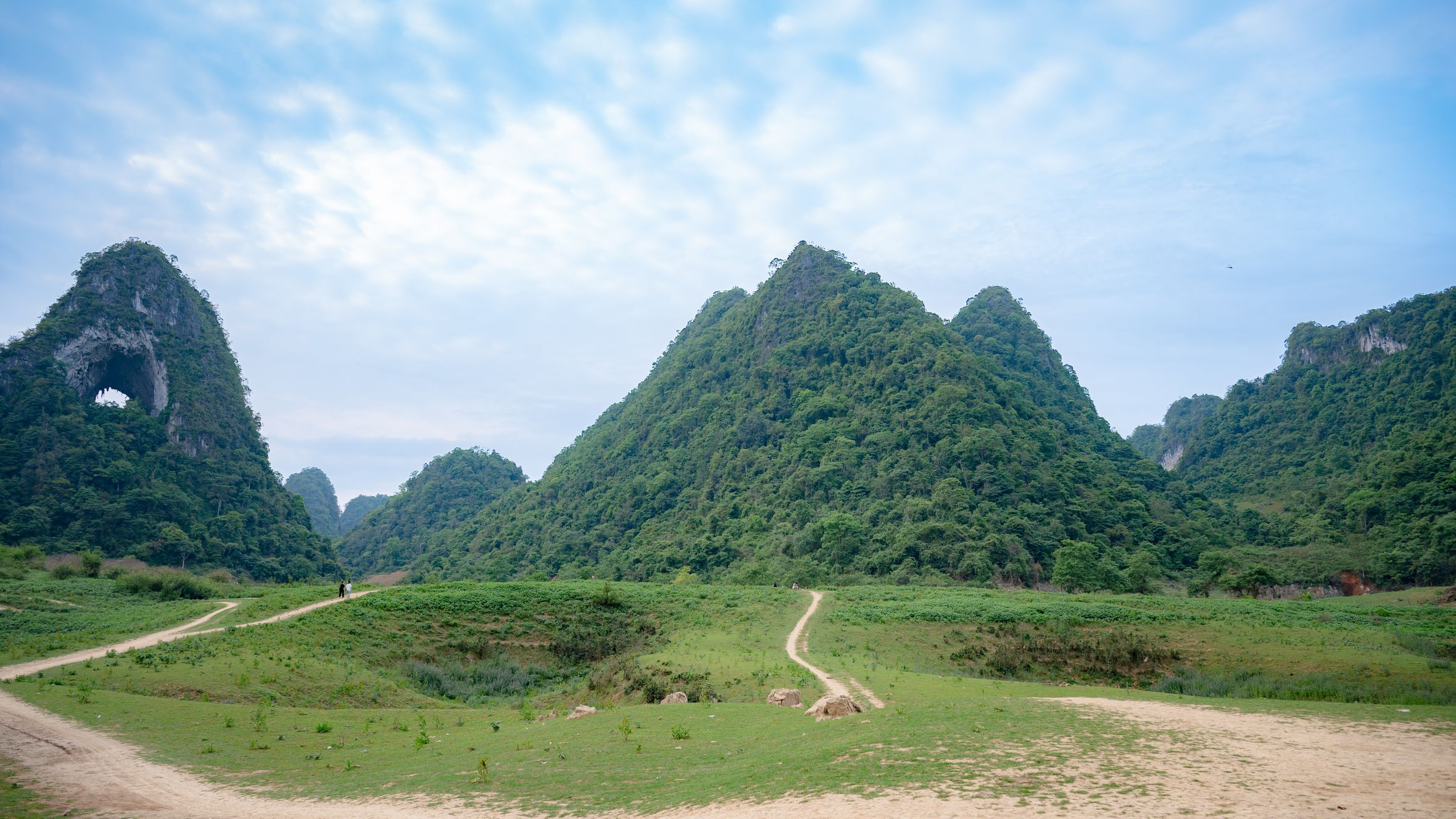
The draw is geological, not resort-style. The karst formations here are sharper and more vertical than what you see further south. The water shifts between deep green and pale turquoise depending on the season and mineral content. There are caves threading through the surrounding limestone, hill trails with views over the basin, and very few other tourists on any given day.
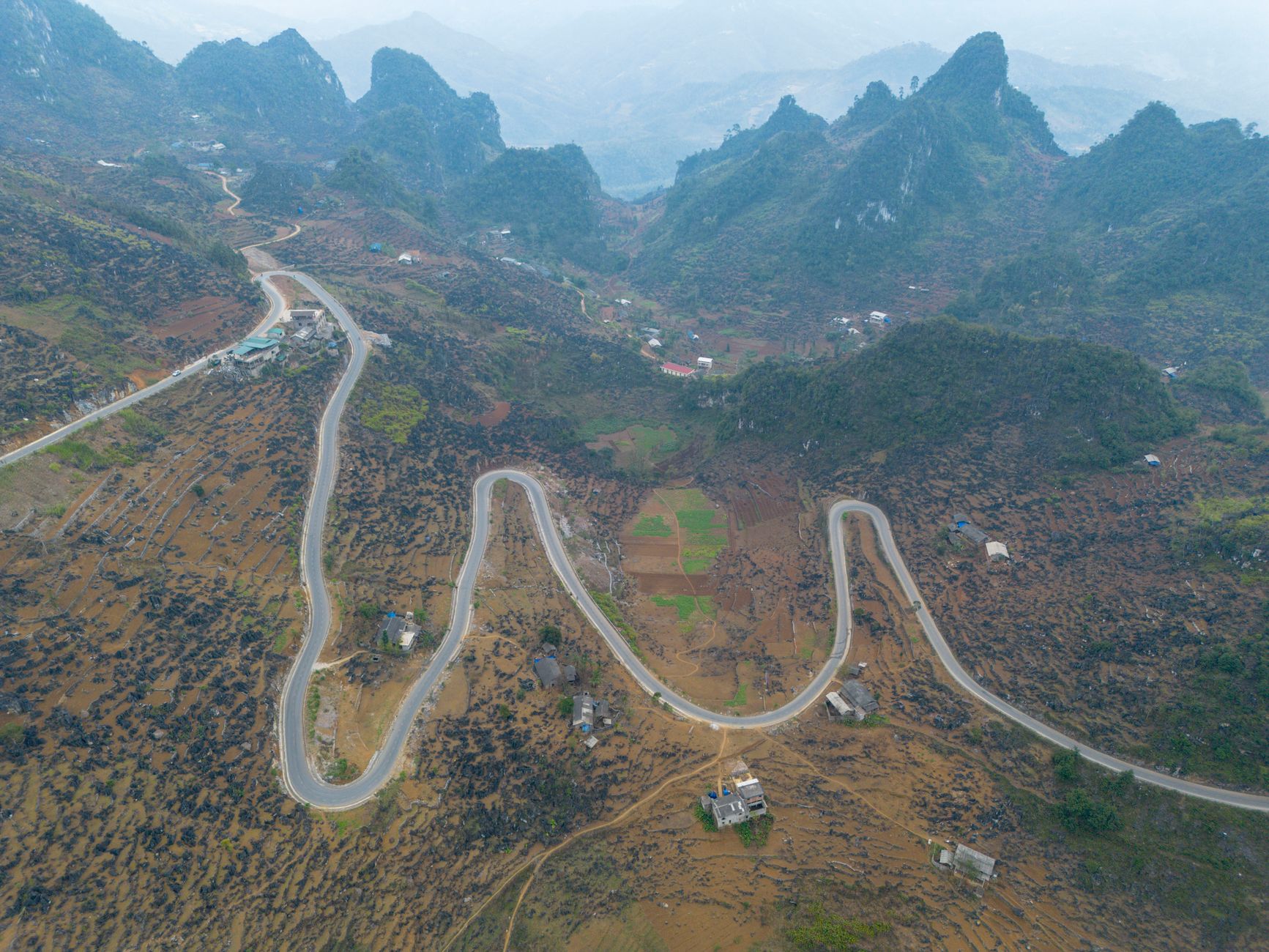
If you've done the Ha Giang loop and want to keep exploring the far north without repeating the same terrain, Cao Bang province — and Thang Hen specifically — offers a different texture. The landscape is softer in some ways, more enclosed, and the ethnic minority culture here (primarily Tay and Nung) has its own character.
Best time to visit
The lake is most photogenic from September through November, when water levels are high from monsoon rains but the skies start clearing. September and October give you the fullest lake. By November, the water begins dropping but the weather is cooler and dry — good for walking.
April and May are interesting if you want to see the basin in its skeletal state: exposed rock, separate pools, different mood entirely. It's hotter (30-35°C some days), but the emptied lake bed has a strange, lunar quality.
Avoid January and February if you dislike cold fog. Temperatures at this elevation can drop to 5-8°C at night, and the lake area gets socked in with mist for days at a time. That said, Tet celebrations in nearby Tay villages are worth experiencing if you're already in the region.
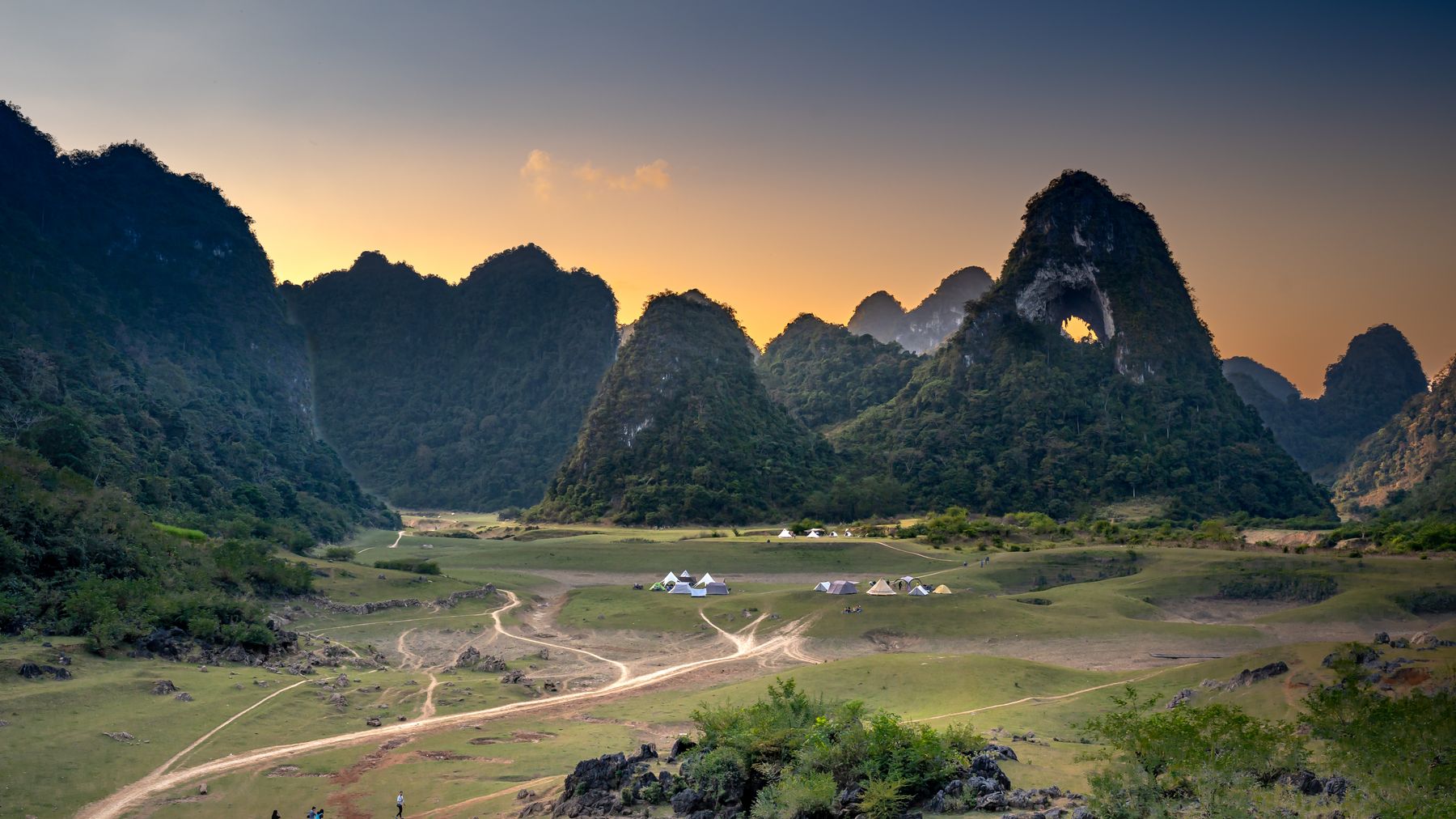
Photo by Quang Nguyen Vinh on Pexels
How to get there
From Hanoi: The most common route is a bus from My Dinh or Nuoc Ngam bus station to Cao Bang city. Multiple operators run daily departures. Journey takes about 7-8 hours, costs 250,000-350,000 VND depending on the bus company and seat type. Sleeper buses run overnight if you'd rather not lose a day.
Once in Cao Bang city, Ho Thang Hen is roughly 20 km out on the road toward Quoc Toan commune. You have a few options:
- Motorbike rental from Cao Bang city: 120,000-180,000 VND/day. The road is paved and in decent shape. Takes about 40 minutes.
- Xe om (motorbike taxi): Negotiate for around 100,000-150,000 VND one way.
- Private car/taxi: Around 300,000-400,000 VND round trip if you arrange through your hotel.
There's no public bus running directly to the lake.
What to do
Walk the lake perimeter trail
A dirt path loops partway around the basin, roughly 4-5 km depending on water levels. It's not a manicured boardwalk — expect uneven ground, tree roots, and some scrambling over rocks near the southern end. Budget 2-3 hours at a relaxed pace. The eastern shore gives the best vantage points over the karst towers.
Boat on the lake
Local operators run small wooden boats and bamboo rafts during the wet season. Expect to pay around 50,000-100,000 VND per person for a 30-45 minute circuit. The boat takes you through narrow channels between the karst walls, which you can't access on foot. Confirm availability on arrival — boats don't run when water is too low.
Explore the surrounding caves
Several caves open into the basin walls. The most accessible is on the northern shore, reachable by a short climb. Bring a headlamp or phone flashlight — there's no installed lighting. The formations inside are unpolished, which is part of the appeal. Don't expect Phong Nha-level infrastructure.
Visit a Tay village
A couple of Tay hamlets sit within walking distance of the lake. Stilt houses, tobacco drying on racks, chickens underfoot. If you show up respectfully (ask before photographing, greet people, don't barge into homes), you'll likely get invited for tea. Some families sell handwoven textiles.
Catch sunrise from the eastern viewpoint
If you stay overnight nearby, the ridgeline east of the lake has an unmarked lookout accessible by a 20-minute climb. When the mist lifts off the water in the morning, the basin reveals itself slowly. Get there by 5:30-6:00 AM in summer months.
Where to eat nearby
The lake area itself has no restaurants — just a couple of drink vendors near the entrance during peak season. Eat in Cao Bang city before or after.
Two things to seek out:
- "Banh cuon (반꾸온 / 蒸米卷 / バインクオン)" — Cao Bang's version uses a thicker rice sheet than Hanoi's, often stuffed with minced pork and wood ear mushroom, served with a slightly sweet dipping sauce. Multiple stalls along Xuan Truong street serve it in the mornings.
- Roast duck with "mac mat" pepper — a local specialty. "Mac mat" is a tiny, intensely fragrant pepper that grows in this province and basically nowhere else in Vietnam. The duck is roasted whole and served with rice. Try Vit Quay Cao Bang shops near the central market. A full duck runs about 350,000-500,000 VND and feeds 3-4 people.
Vietnamese coffee from any roadside "ca phe" stall will cost 15,000-25,000 VND — strong, sweet, and reliable fuel for the ride out.
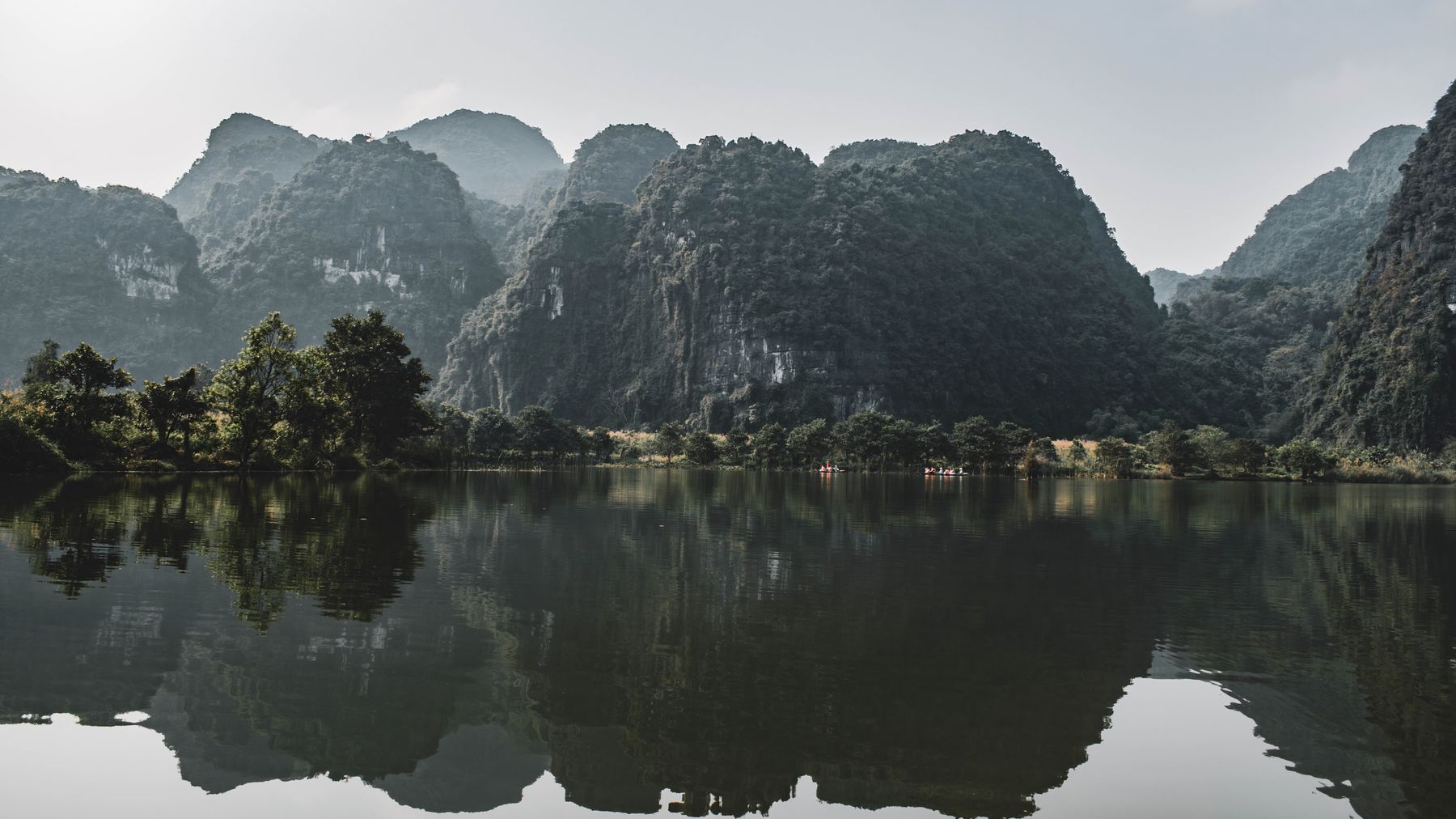
Photo by Karolina on Pexels
Where to stay
Most travelers base in Cao Bang city:
- Budget: Basic guesthouses along Vuon Cam street, 200,000-350,000 VND/night. Clean enough, hot water, Wi-Fi.
- Mid-range: A handful of newer hotels near the market area charge 500,000-800,000 VND/night with air conditioning, breakfast, and English-speaking reception.
- Homestay near the lake: One or two Tay families near Thang Hen offer homestay rooms, but availability is seasonal and unpredictable. Ask at your hotel in Cao Bang city or inquire through local tourism offices. Expect 150,000-250,000 VND/night including dinner.
Practical tips locals would tell you
- Bring cash. There are ATMs in Cao Bang city but nothing at the lake.
- Phone signal is patchy around the basin. Download offline maps before heading out.
- If you're riding a motorbike, fill up in Cao Bang. There's one fuel station on the road to Thang Hen, but it keeps irregular hours.
- Mosquitoes are aggressive near the water from dusk onward. Repellent is non-negotiable.
- The access road has some sharp turns and occasional loose gravel — take it slow, especially on the descent approaching the lake.
Mistakes to avoid
- Day-tripping from Hanoi. At 7-8 hours each way, trying to do this as a day trip from the capital makes no sense. Budget at least two nights in Cao Bang — one to arrive, one to visit the lake and explore.
- Coming only for the lake. Cao Bang province has Ban Gioc waterfall, Nguom Ngao cave, and the geopark trails. Thang Hen works best as one stop on a 3-4 day Cao Bang circuit, not a solo destination.
- Showing up in January expecting a full lake. Water levels are lowest in winter. If you want the big lake experience, come in September or October.
- Littering. This should go without saying, but the area has no waste management. Pack out everything you bring in.
Last updated · May 29, 2026 · independently researched, never sponsored.