What it is
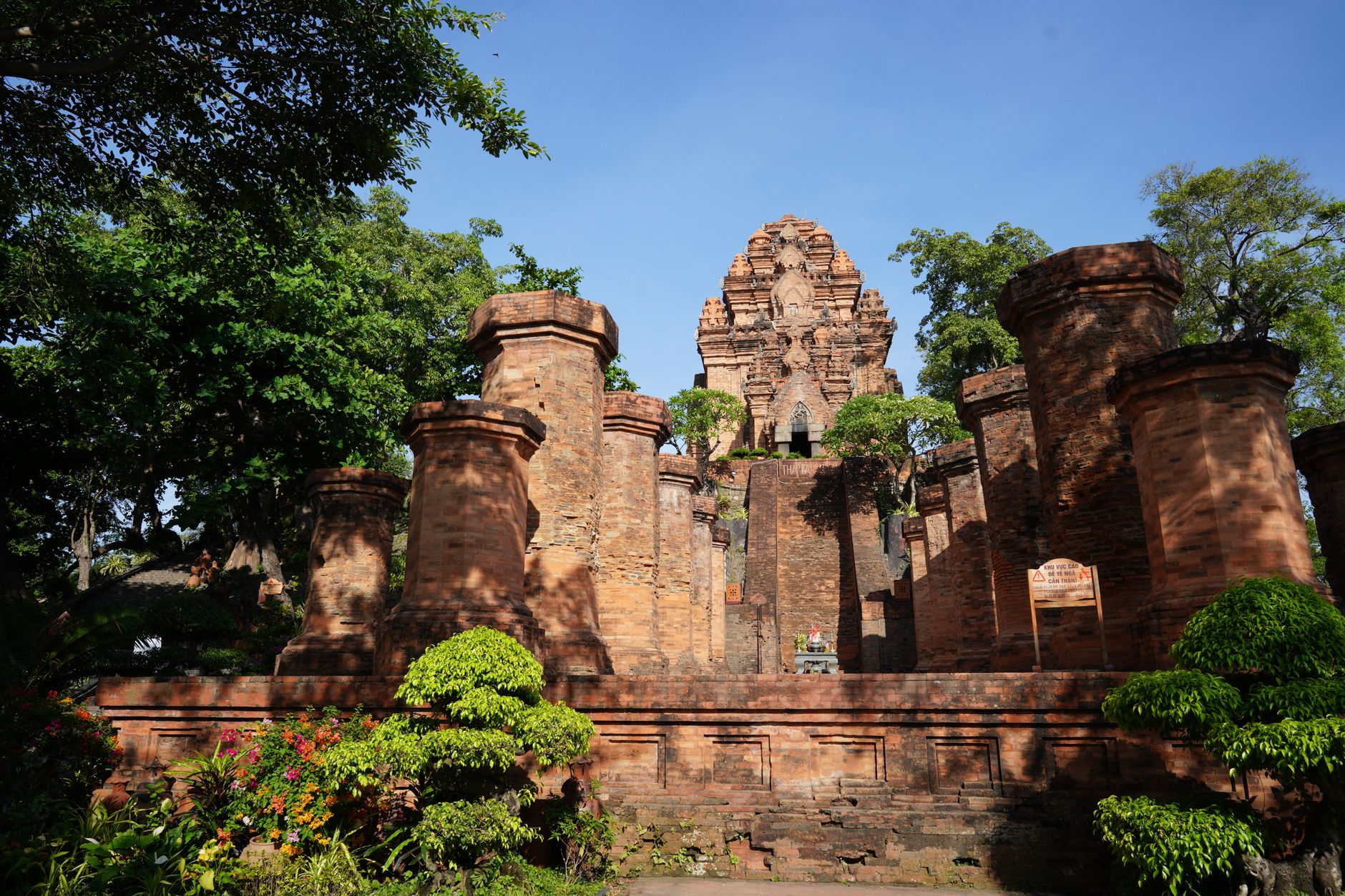
Thap Ba Hot Springs (Suoi Khoang Nong Thap Ba) is a hot spring and mud bath complex about 6 km northwest of central Nha Trang (냐짱 / 芽庄 / ニャチャン), tucked into the hills behind the Po Nagar Cham towers. It opened in 1994 and was one of the first commercial hot spring operations in Vietnam — built around naturally occurring mineral water sources that locals in Khanh Hoa province had been using informally for decades. The water here runs between 38°C and 72°C depending on the source, rich in sodium silicate and various trace minerals.
It's not a wilderness hot spring. This is a developed resort-style facility with pools, private tubs, a waterpark section, and spa services. Think of it as a wellness day out rather than a backcountry soak. That said, the grounds are well-maintained, the setting against low green hills is genuinely pleasant, and the mineral mud is the real draw.
Why travelers go
Most people come for the mud baths. You sit in a tub — solo, as a couple, or in a group — filled with warm mineral mud that feels like wet clay. It dries on your skin, you rinse it off in a mineral water pool, and your skin feels noticeably smoother afterward. It's one of those things that sounds gimmicky until you actually do it.
Beyond the mud, the hot mineral pools are a good way to recover after a few days of motorbike touring or overnight buses. The complex also works well as a half-day activity when you need a break from the beach scene in Nha Trang — especially useful if the weather is overcast and the sea isn't cooperating.
Best time to visit
Nha Trang's dry season runs from roughly January to August, with peak sunshine from April through July. That's the best window for Thap Ba too, though honestly the hot springs work in any weather — rain actually makes the outdoor pools more atmospheric.
Avoid Vietnamese public holidays, especially Tet (late January or early February) and the April 30–May 1 long weekend. The complex gets packed with domestic tourists and wait times for private tubs spike. Weekday mornings are the sweet spot: fewer crowds, cooler air temperature that makes the hot water feel better, and staff are more relaxed.
How to get there from Nha Trang
From the main tourist area along Tran Phu beach road, Thap Ba is about 6 km north — a 15-minute taxi or Grab ride costing around 50,000–70,000 VND. If you're already visiting Po Nagar (which sits just downhill from the springs), it's only another 2 km up Ngoc Hiep road.
Renting a motorbike for the day (120,000–150,000 VND from most hotels) makes sense if you want to combine the hot springs with Po Nagar and lunch in the surrounding neighborhood. The road is straightforward — follow Nguyen Thien Thuat north, cross the Xom Bong bridge, then head up toward the hills. Signs are posted in English.
Organized tours from Nha Trang hotels bundle Thap Ba with other stops, but they typically cost 400,000–600,000 VND per person and rush you through. Going independently gives you control over how long you soak.

Photo by Tuan Vy on Pexels
What to do
Mud bath (the main event)
Book a private tub for two (around 350,000–500,000 VND per person depending on the package). The mud is warm, thick, and surprisingly relaxing. You get about 15–20 minutes in the mud, then move to a mineral water rinse pool. The communal mud pools are cheaper (around 250,000 VND) but you're sharing with strangers — fine if you're solo and don't mind it.
Mineral water pools
After the mud rinse, most packages include time in the large open-air mineral pools. Water temperature varies by pool, from warm to properly hot. The highest pools sit against the hillside with views over the complex. Spend at least 30 minutes here — this is where the actual relaxation happens.
Herbal bath soak
Some packages include a wooden tub filled with herb-infused hot water. It smells like lemongrass and ginger, and it's a quieter experience than the main pools. Worth the upgrade if you're not in a rush.
Waterpark area
The complex has a small waterpark with slides and a wave pool, mostly aimed at families and kids. Skip it unless you're traveling with children — it's loud and not really the vibe you came for.
Walk to Po Nagar afterward
The Po Nagar Cham towers are less than 2 km downhill. These 8th-century towers are among the best-preserved Cham religious sites in Vietnam (베트남 / 越南 / ベトナム) and take about 30–45 minutes to explore. Combining the two makes for a solid half-day.
Where to eat nearby
The complex has its own restaurant, but the food is overpriced canteen fare. Instead, head back toward the Xom Bong bridge area after your soak.
Look for "banh canh" — thick tapioca-flour noodle soup that's a Khanh Hoa specialty. Stalls near Cho Xom Moi market serve bowls with fish cake and shrimp for 30,000–40,000 VND. "Bun ca" (fish noodle soup) is another local go-to — lighter than "pho", with a turmeric-tinted broth and grilled fish on top. A bowl runs about 35,000 VND at street-side shops along Nguyen Binh Khiem.
If you want something more substantial, Nha Trang is famous for fresh seafood. The restaurants clustered on Tran Phu near the Sailing Club area are touristy but reliable — expect to pay 150,000–300,000 VND per person for grilled prawns, squid, and rice.
Where to stay
Most travelers stay in central Nha Trang and visit Thap Ba as a day trip. The hotel strip along Tran Phu and the backpacker area around Nguyen Thien Thuat cover all budgets:
- Budget: Dorm beds from 120,000–180,000 VND/night; private rooms from 250,000 VND.
- Mid-range: Clean hotels with pools and breakfast in the 500,000–900,000 VND range.
- Upscale: Beachfront resorts from 1,500,000 VND and up.
There's no real reason to stay near Thap Ba itself — the area is residential and quiet, without much nightlife or dining.

Photo by NGUYỄN THÀNH NHƠN on Pexels
Practical tips locals would tell you
- Bring your own towel. The complex charges for towel rental and the quality is what you'd expect.
- Go early. Gates open at 7:00 AM. Arriving before 9:00 means shorter waits and cooler morning air.
- Don't wear jewelry into the mud. The mineral content can discolor silver and certain metals.
- Book packages online through the Thap Ba website or Klook — prices are 10–15% cheaper than walk-up rates.
- Bring a plastic bag for your phone and valuables. Lockers are available but not always in great shape.
Common mistakes to avoid
- Rushing through it. People often book the cheapest 60-minute package, which barely gives you time to enjoy the mineral pools after the mud. Go for at least 90 minutes to two hours.
- Visiting on weekends without booking ahead. Private tubs sell out by mid-morning on Saturdays and Sundays, especially during summer months.
- Skipping sunscreen. The mineral pools are mostly outdoors. Even on cloudy days in Nha Trang, you'll burn.
- Expecting a luxury spa. The facility is clean but utilitarian — tile floors, plastic chairs, fluorescent lighting in spots. It's more public bathhouse than five-star retreat, and that's fine once you set expectations.
Practical notes
Thap Ba Hot Springs is open daily from 7:00 AM to 7:30 PM. Entry packages range from 250,000 to 800,000 VND depending on what you choose. Cash and cards accepted. The whole visit pairs well with a morning at Po Nagar and an afternoon back at the beach — one of the better half-day combos in Nha Trang.
Last updated · May 26, 2026 · independently researched, never sponsored.