Ha Tinh is one of Vietnam's quietest provinces. It doesn't appear in most guidebooks, and that's the point. You won't fight crowds at Ky Anh Beach or struggle to find a seat in village restaurants. What you will find are limestone caves, reasonable food, and a slower rhythm than the standard Hanoi–Saigon–Saigon loop.
Top sights — and whether they're worth the detour
Ky Anh Beach
Ky Anh is Ha Tinh's best-known beach, about 25 km from Ha Tinh city center. It's wide, long, and mostly empty outside holidays. The sand is coarse, the water calm enough for swimming, and the sunsets are solid. A handful of beachside restaurants serve grilled fish and "com tam" (broken rice) for 40,000–60,000 VND. Arrive on a weekday; weekends bring Hanoi day-trippers and the charm evaporates. There's no reason to stay overnight unless you're looking for slowness itself.
Hang Tien (Money Cave)
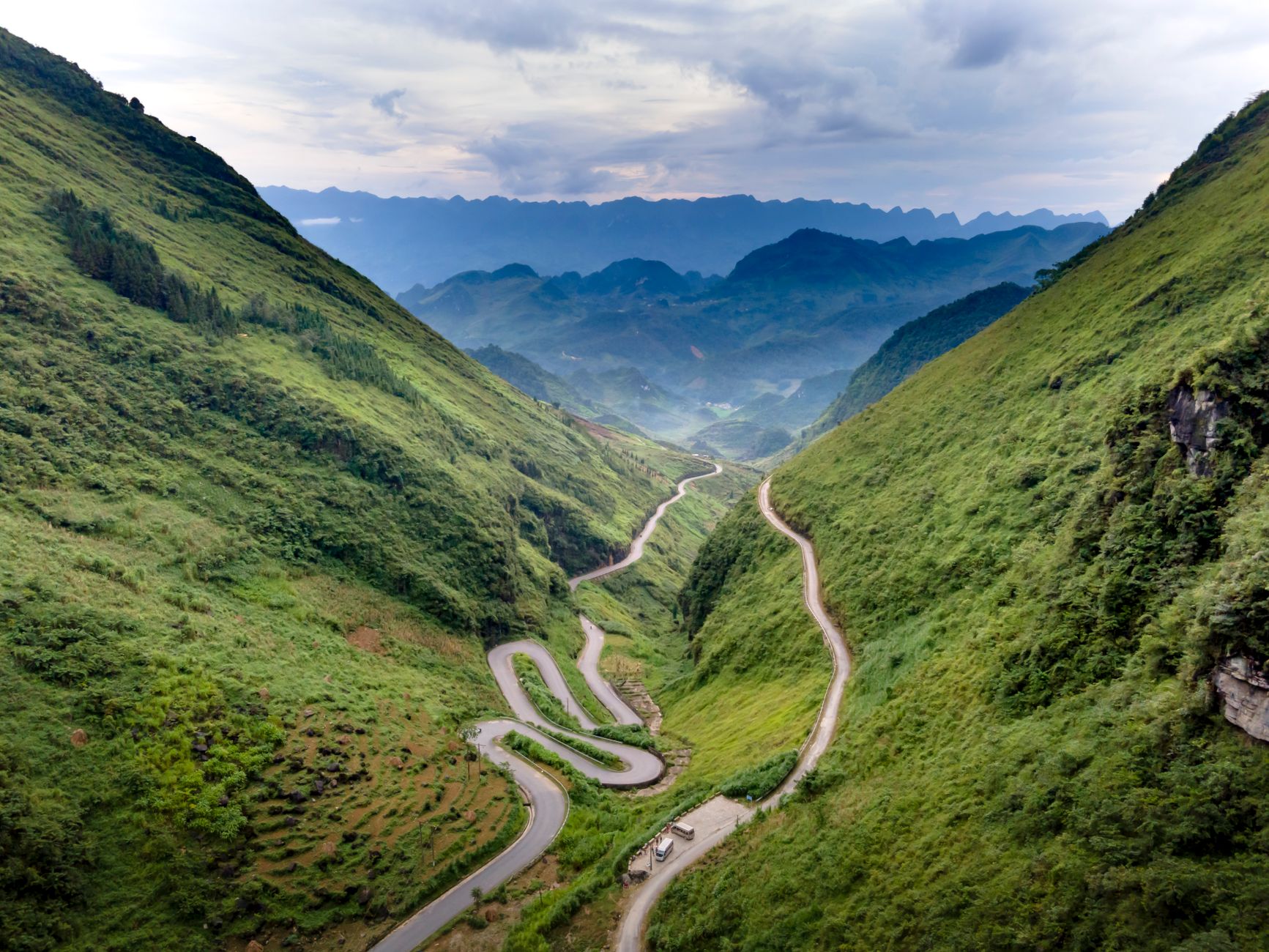
About 40 km north of Ha Tinh city, Hang Tien sits in a limestone karst valley that's worth the drive. The cave itself is modest—a single chamber with a stream and a few stalactites—but the setting is quiet and oddly meditative. The local guides (a few hundred thousand dong) know the area's ecology and can point out bats and the ecological damage from old mining. The road there is poor; go with a motorbike or arrange a car. This is a genuine day trip, not a quick tick-off.
Than Tien waterfall
In Huong Son district, about 50 km from town, Than Tien is a modest 20-meter cascade that's popular with locals on hot weekends. The pool below is swimmable. It's not Thailand-postcard dramatic, but it's real and peaceful on weekdays. Bring snacks; facilities are basic.
Hidden gems
Ky Anh salt farms
The salt flats west of Ky Anh Beach are visually striking—geometric ponds in shades of white, pink, and rust, depending on mineral content and season. They're also a working industry, so respect the boundaries. You can drive or bike past them and ask locals to explain the salt-making cycle. Free to observe; no official tour.
Que Phong village
About 35 km south of Ha Tinh city, Que Phong is a traditional "non la" (conical hat) weaving village. A handful of families still hand-weave hats using bamboo strips and palm leaves—a craft that's nearly extinct. The pace is slow and hypnotic. You can buy a hat directly from weavers for 50,000–150,000 VND, much cheaper and more direct than Hue markets. Stop by unannounced or call ahead through a local guide; most don't advertise. This is a real craft, not a tourist theater.
Thach Tru village
North of Ha Tinh city near Thanh Chuong district, Thach Tru is known for traditional "cao lau" (a regional noodle dish) and fish cakes. Locals eat there; tourists rarely do. The food is cheap (banh hoai—the Hoi An-style pancake—costs 15,000 VND) and the family running the spot has been doing it for decades. It's a 45-minute motorbike ride but worth a half-day loop combined with a nearby pagoda.

Photo by Carlo Giovanni Ghiardelli on Pexels
Cultural experiences
Temples and pagodas
Ha Tinh province has dozens of small temples and pagodas, many tied to local legends and folk worship. Tran Phu Temple (honoring a revered communist-era official) sits in Ha Tinh city and is well-maintained but sparse. More atmospheric are the village temples—like Duc Thien Temple in Duc Tho district—where you'll see locals praying and making offerings. These are active worship spaces, not museums; be respectful and quiet.
Markets and street food
Ha Tinh Central Market (Cho Ha Tinh) is a chaotic, good-humored place to eat. Vendors sell "bun rieu" (crab noodle soup), roasted duck, and grilled snails for 15,000–40,000 VND. There's no English and no tourists. Breakfast is the best time to go (6–8 a.m.). The market is loud and cramped; if you dislike crowds, go early or skip it.
Outdoor activities
Motorbike loops
Ha Tinh's roads are quiet and well-paved. A popular loop runs from Ha Tinh city south to Ky Anh Beach, then inland to Que Phong village, then back via Huong Son—about 150 km in a full day. Rent a motorbike in town (100,000–150,000 VND per day). Stop for lunch at a roadside "pho" stall, explore a pagoda, and keep the pace lazy. Gas is cheap; a full tank costs about 30,000 VND.
Hiking in Hue Nhan forest
Inland from Ky Anh, Hue Nhan forest is managed by locals and offers basic trails through karst and tropical vegetation. It's not a trekking hotspot—there's no formal infrastructure—but if you hire a local guide (around 300,000 VND for a half day), you'll see birds, butterflies, and old timber trails that few foreigners walk. Conditions are wet and muddy even after dry spells; waterproof shoes are essential.
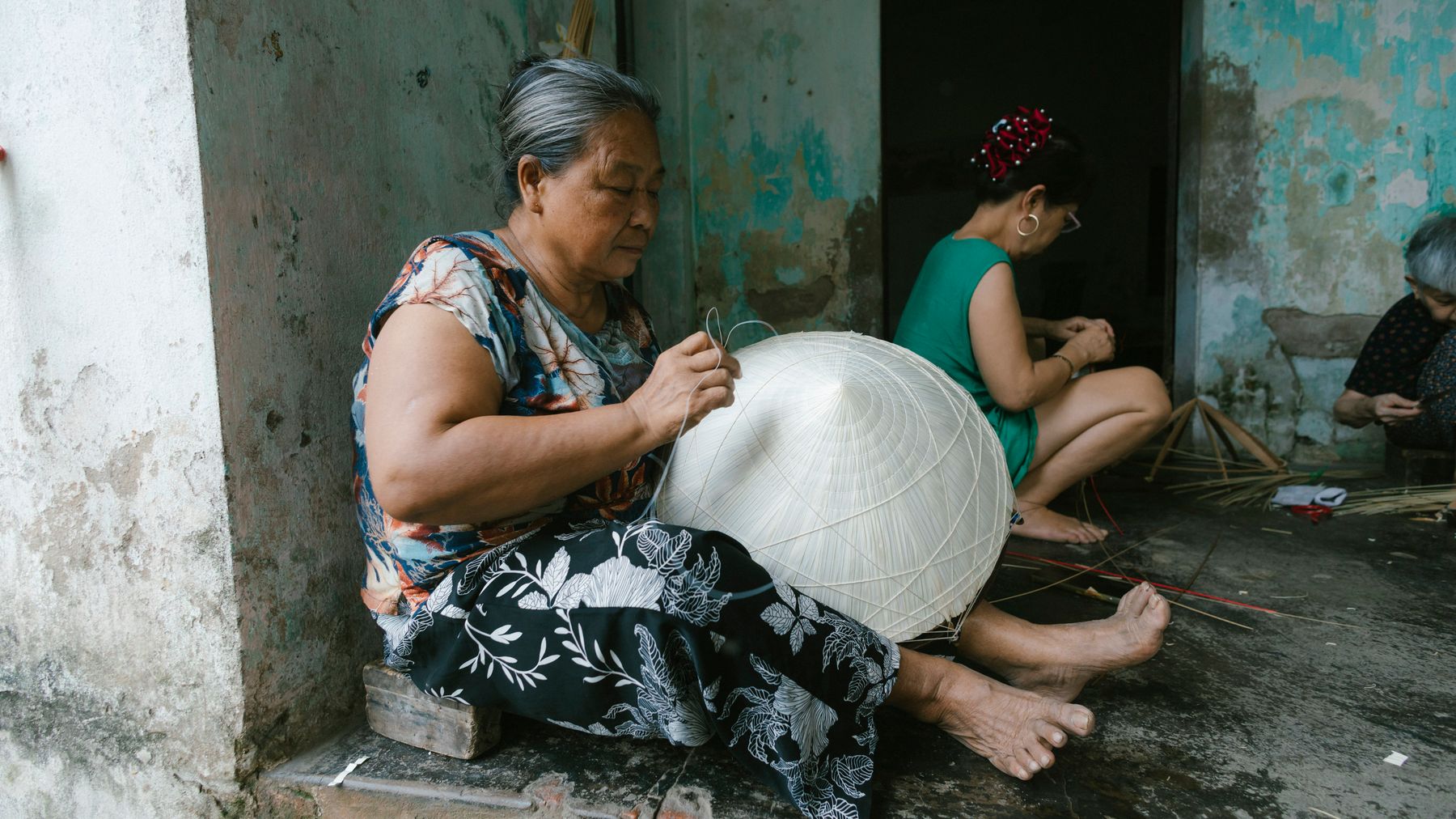
Photo by HONG SON on Pexels
What to skip
DMZ Tour Trail junction: Ha Tinh is technically on the way to the Demilitarized Zone (DMZ) if traveling north from central Vietnam. Some tours stop here to "save time." Don't. The DMZ tour infrastructure is in Quang Tri, 90 km north. Ha Tinh itself has nothing specific to the war era that justifies a deliberate stop—skip it and drive straight to Quang Tri.
Manufactured tourism villages: In the last few years, a few "cultural homestays" have opened in outlying villages, marketed to backpackers. Most are thin imitations of the real thing—staged, overpriced, and run by middlemen rather than actual families. Stick to villages you find by accident or through local referrals.
Frequently Asked Questions
How far is Ky Anh Beach from Ha Tinh city center?
Ky Anh Beach is about 25 km from Ha Tinh city center. The beach is wide, mostly empty outside holidays, and calm enough for swimming. Beachside restaurants serve grilled fish and com tam for 40,000-60,000 VND. Visit on a weekday to avoid day-trippers from Hanoi who arrive on weekends. There is no strong reason to stay overnight unless you want a slow, uncrowded pace.
What can you buy directly from weavers in Que Phong village?
In Que Phong village, about 35 km south of Ha Tinh city, a handful of families still hand-weave traditional non la conical hats using bamboo strips and palm leaves. You can buy one directly from weavers for 50,000-150,000 VND, which is cheaper and more direct than purchasing through Hue markets. Most families do not advertise, so stop by unannounced or arrange a visit through a local guide.
When is the best time to visit Than Tien waterfall in Ha Tinh?
Visit Than Tien waterfall on a weekday. Located in Huong Son district about 50 km from Ha Tinh city, this 20-meter cascade draws locals on hot weekends, making it crowded. On weekdays it is peaceful and the pool below is swimmable. Facilities are basic, so bring your own snacks. The waterfall is modest compared to more photographed destinations, but offers a genuinely quiet experience mid-week.
Practical notes
Ha Tinh city is best as a base, though accommodation is minimal—a handful of 2–3 star hotels (around 300,000–600,000 VND per night). The food is good and cheap. Distances are manageable by motorbike; a car + driver runs about 1,000,000–1,500,000 VND for a full day. Internet is spotty in villages; don't plan on uploading photos in Que Phong. The best time to visit is October–April (cool and dry); May–September is hot and wet. Ha Tinh is skipped for a reason—crowds are minimal—but that's also why it's worth your time if you move slowly.
Last updated · Sep 12, 2026 · independently researched, never sponsored.