Why Phu Tho?
Phu Tho sits in the shadow of bigger northern destinations. It's only 90 km from Hanoi but rarely gets a mention in guidebooks. That's partly because there's no knockout beach or major historical monument, and partly because tourism infrastructure is minimal. If you're the type who enjoys craft villages, quiet temples, and rural landscapes over Instagram moments, it's worth a overnight detour or a day trip from the capital.
Top sights
Hung Kings Temple
This is the main historical draw. The temple complex sits in Ha Noi district and honors the Hung Kings, legendary founders of Van Lang (the proto-Vietnamese state). It's a working pilgrimage site, not a museum—you'll see incense, offerings, and locals praying. The grounds are well-maintained; walk around the outer courtyards and you'll find quieter shrines tucked away.
Entry is free. Go early, before tour groups arrive around 10am. The site closes around 5pm. It's about 30 km south of Phu Tho city; hire a Grab motorbike or taxi from the center (around 80,000–120,000 VND one-way).
Phong Chau Pottery Village
This craft village 15 km south of Phu Tho city has made ceramics for centuries. Unlike Bat Trang pottery village (which is touristy and overrun), Phong Chau is still working—potters use the same kilns their grandparents did. You can walk into workshops, watch clay turning on wheels, and buy pieces directly. Prices are fair: small bowls around 50,000–100,000 VND, larger plates 150,000–300,000 VND.
The village is ramshackle and doesn't have English signs, which is part of its charm. There's no real "visitor center." Just wander the main road, peek into open doors, and greet people. Most potters appreciate genuine interest more than you'd expect. Grab a motorbike there or take a local bus (20,000 VND) from Phu Tho city center.
Yên Phu Pagoda
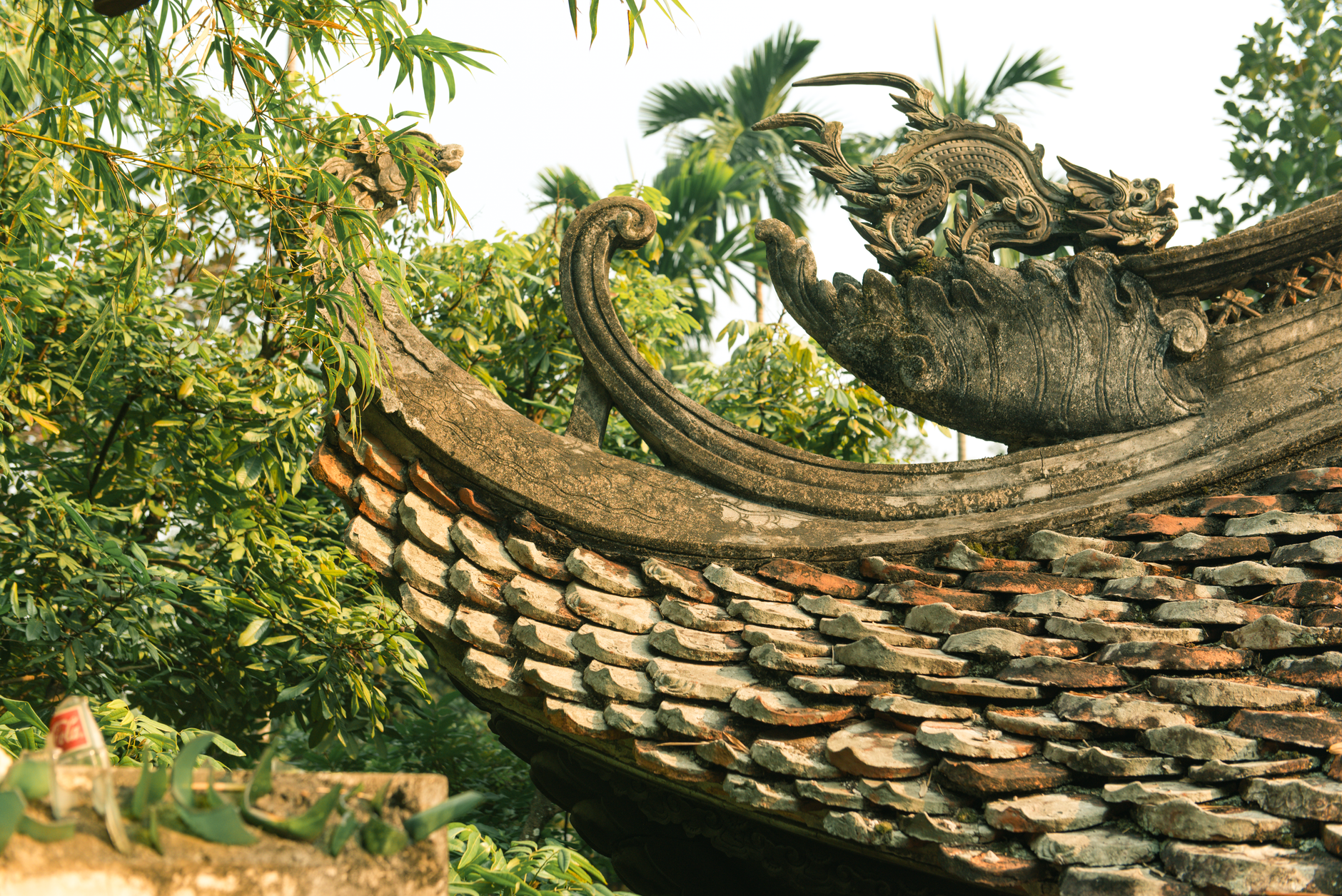
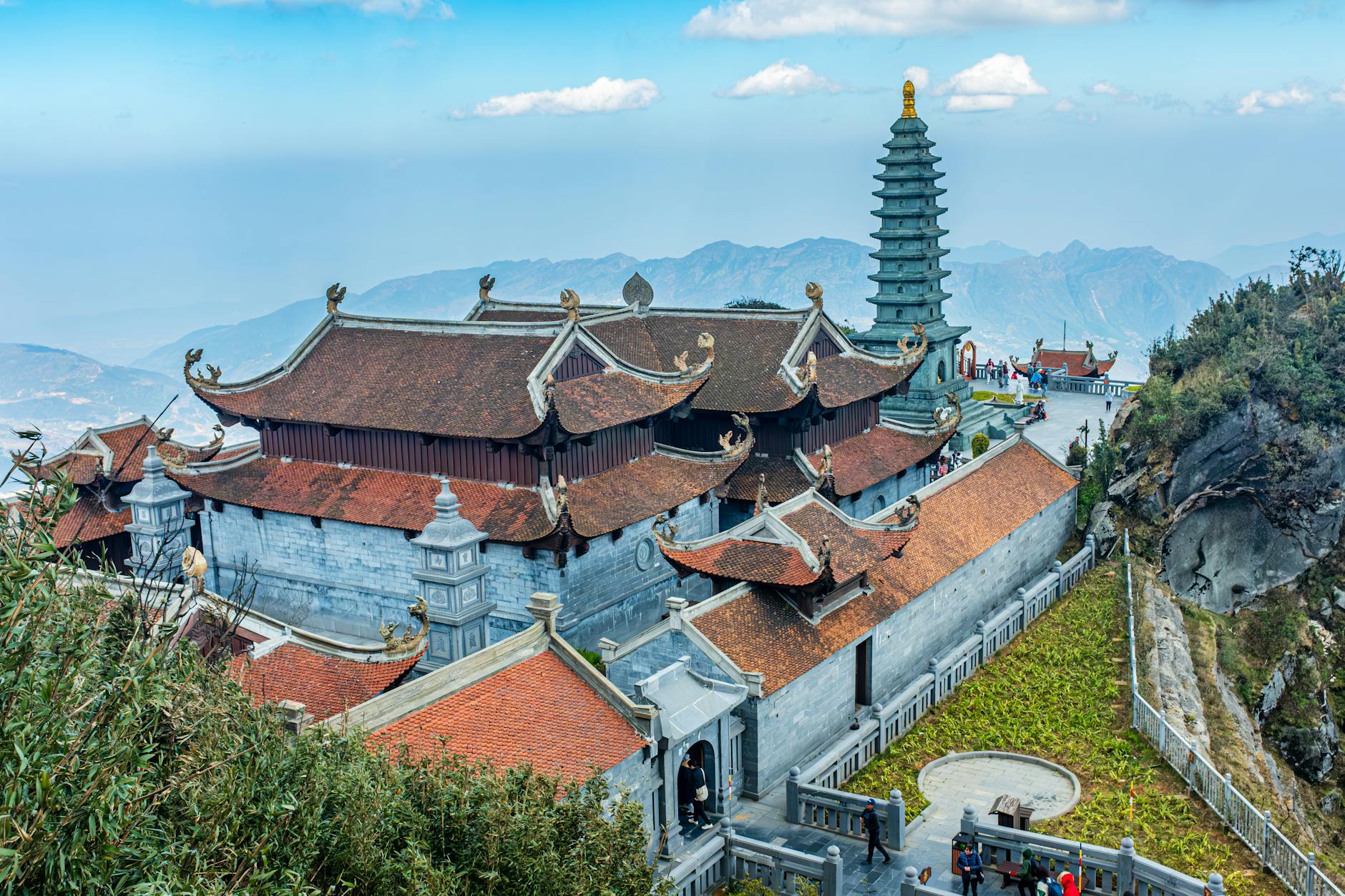
A modest but ancient pagoda in Yen Phu commune, reportedly founded in the 11th century. It sits on a hill with views over rice fields and is far quieter than Tran Quoc Pagoda in Hanoi. The interior has ornate wooden doors and a small library of Buddhist texts. If you're into temple architecture and don't mind a quiet hike, it's worth the climb.
Entry is free. Bring water. It's roughly 20 km northwest of Phu Tho city; combine it with Phong Chau as a half-day loop if you have transport.
Hidden gems
Vinh Phuc Commune Markets
If you're passing through Vinh Phuc commune, stop at the morning market (around 6–8am). It's not curated for tourists—it's where locals buy vegetables, fish, meat, and everyday goods. The atmosphere is chaotic and real. Prices are cheap and you'll see exactly how Vietnam moves in the morning.
Ma River Loop (Bike or Motorbike)
The Ma River (Song Ma) runs through the province and the surrounding countryside is agricultural. Rent a motorbike from Phu Tho city (around 150,000 VND per day) and ride the river road north through Do Luong district. You'll pass water buffalo, riverside villages, and food carts selling bánh chưng and "ca phe sua da". It's a slow, low-key morning. Stop for lunch at a roadside pho stall—most cost 30,000–40,000 VND.
Thanh Son Waterfall
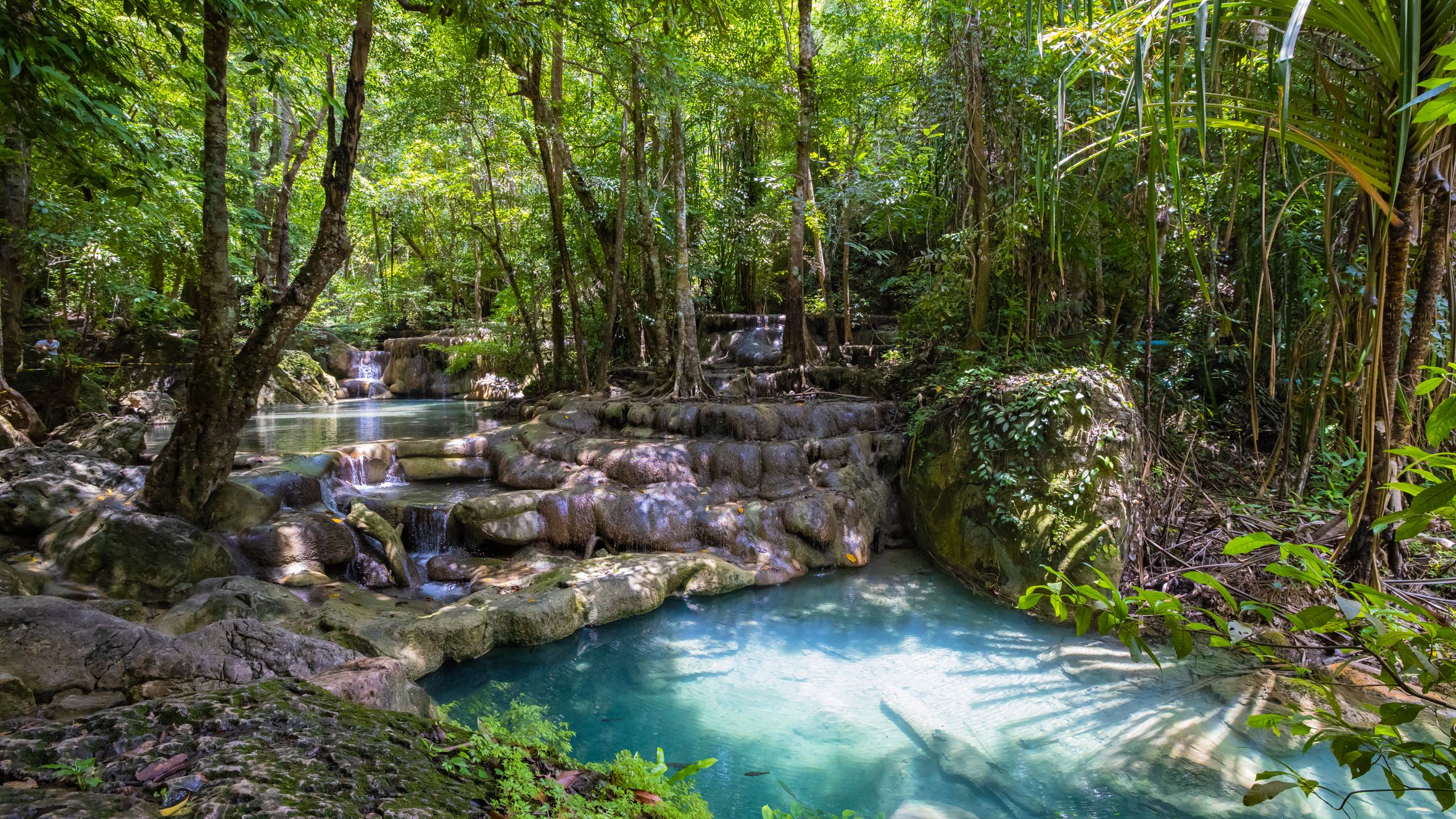
A smaller waterfall in the northwest, accessible by motorbike from Phu Tho city (about 40 km). The path is muddy in wet season, so dry season (October–April) is better. The waterfall isn't dramatic, but the forest canopy and the walk in are genuinely peaceful. There's a basic guesthouse nearby if you want to stay overnight.

Photo by Valeria Drozdova on Pexels
Cultural experiences
Learn pottery at a Phong Chau workshop
Some workshops let visitors try the wheel for 30–60 minutes. Expect to pay 100,000–200,000 VND depending on how long you stay and what the potter decides. Arrive mid-morning when work is well underway and workshops are more receptive. Speak to the workshop owner directly; few advertise tours online.
Attend a temple festival (seasonal)
If you're there during a "tet" (temple festival)—common around Lunar New Year or ancestor festivals—you'll see crowds, food stalls, and ritual offerings. The Hung Kings Temple in particular draws pilgrims. Ask your guesthouse when the next temple day is; dates vary by lunar calendar.
Outdoor activities
Hiking in Xuan Phuong District
The northwestern hills near Xuan Phuong have limestone karst formations and forest trails. It's not Sapa, but it's green and under-explored. Hire a local guide through your accommodation (most guesthouses can arrange one for 400,000–600,000 VND per day). Trails take 4–6 hours depending on difficulty.
Kayaking the Ma River
A handful of small outfitters in Phu Tho city offer 2–3 hour kayak trips. It's gentle paddling through rural scenery. Cost is typically 300,000–400,000 VND per person. Not dramatic, but peaceful. Ask at your guesthouse or contact local travel agents in the city center.

Photo by Quang Nguyen Vinh on Pexels
Day trips from Hanoi
If you're based in Hanoi and have a day to spare:
- Morning: Grab or hire a motorbike. Drive to Phong Chau pottery village (1.5 hours). Spend 2–3 hours at workshops.
- Lunch: Eat bánh cuón (steamed pork rolls) at a local eatery near the village.
- Afternoon: Visit Hung Kings Temple (30 km south) and walk the grounds for 1–2 hours.
- Late afternoon: Head back to Hanoi. Arrive by 6pm.
Alternatively, stay overnight in Phu Tho city and combine Yên Phu Pagoda with the Ma River loop the next morning.
What to skip
- Phu Tho City Center. The city itself is unremarkable—concrete, traffic, no particularly nice cafes or views. It's only useful as a transport hub.
- High-end resorts. There are none. Accommodation is basic guesthouses and family-run hotels. Don't expect luxury.
- Beach or waterpark resorts. Phu Tho is inland. If you're after a beach, go to Ha Long or Phu Quoc.
- Amusement parks. There's a small amusement park on the outskirts of the city, but it's aimed at local families and isn't worth a traveler's time.
Practical notes
Phu Tho is best visited by motorbike or hired transport from Hanoi. Public buses run from Hanoi's Long Bien Station (2–3 hours, 60,000–100,000 VND). Accommodation is cheap and basic; a guesthouse room costs 150,000–350,000 VND per night. Most locals speak no English; bring a Vietnamese phrasebook or offline translation app. Restaurants don't have English menus; point at dishes or ask the owner what's good.
The best time to visit is October to April (cool and dry). Rainy season (May–September) can make roads muddy and obscure views.
Last updated · May 26, 2026 · independently researched, never sponsored.