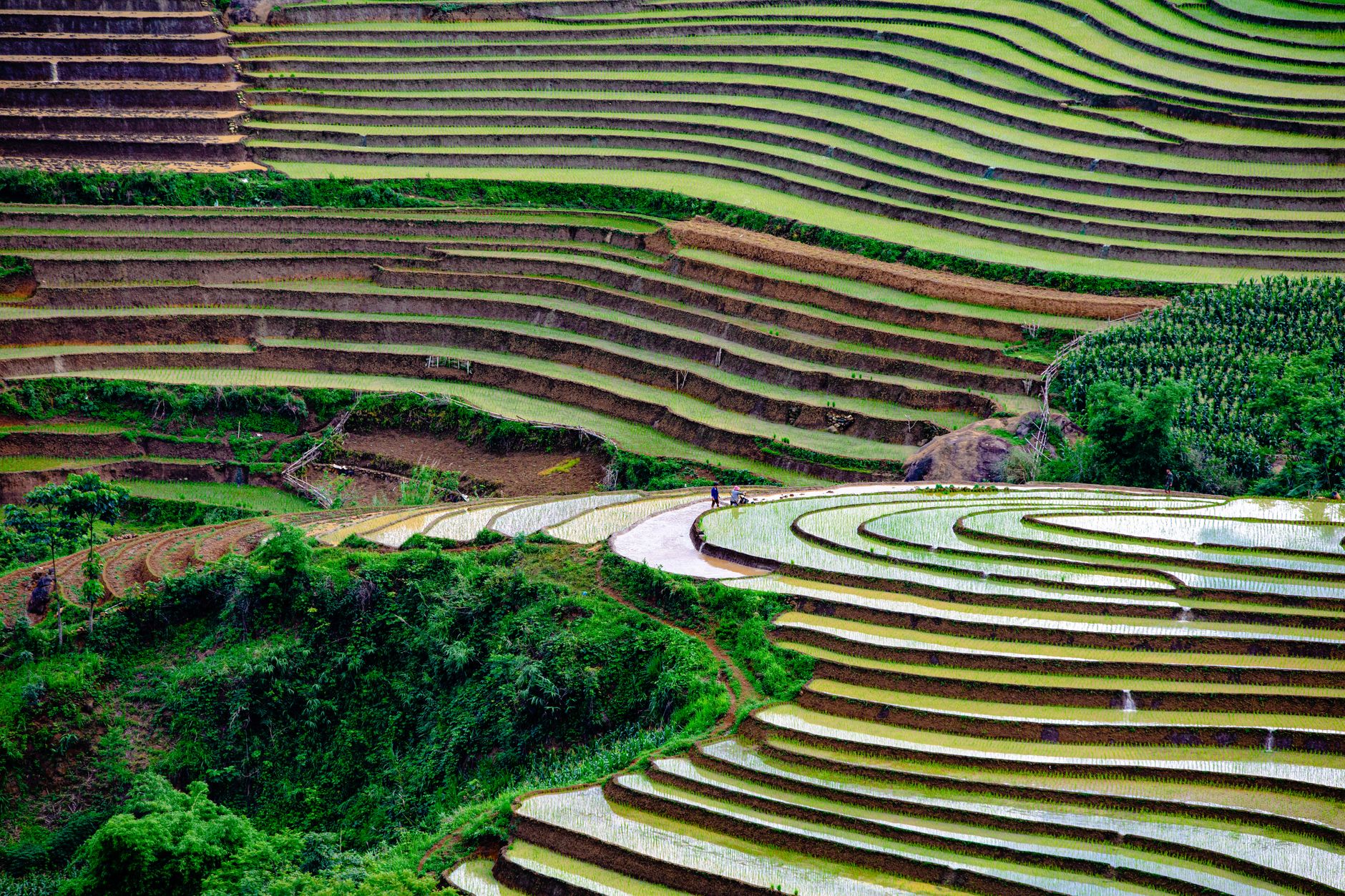
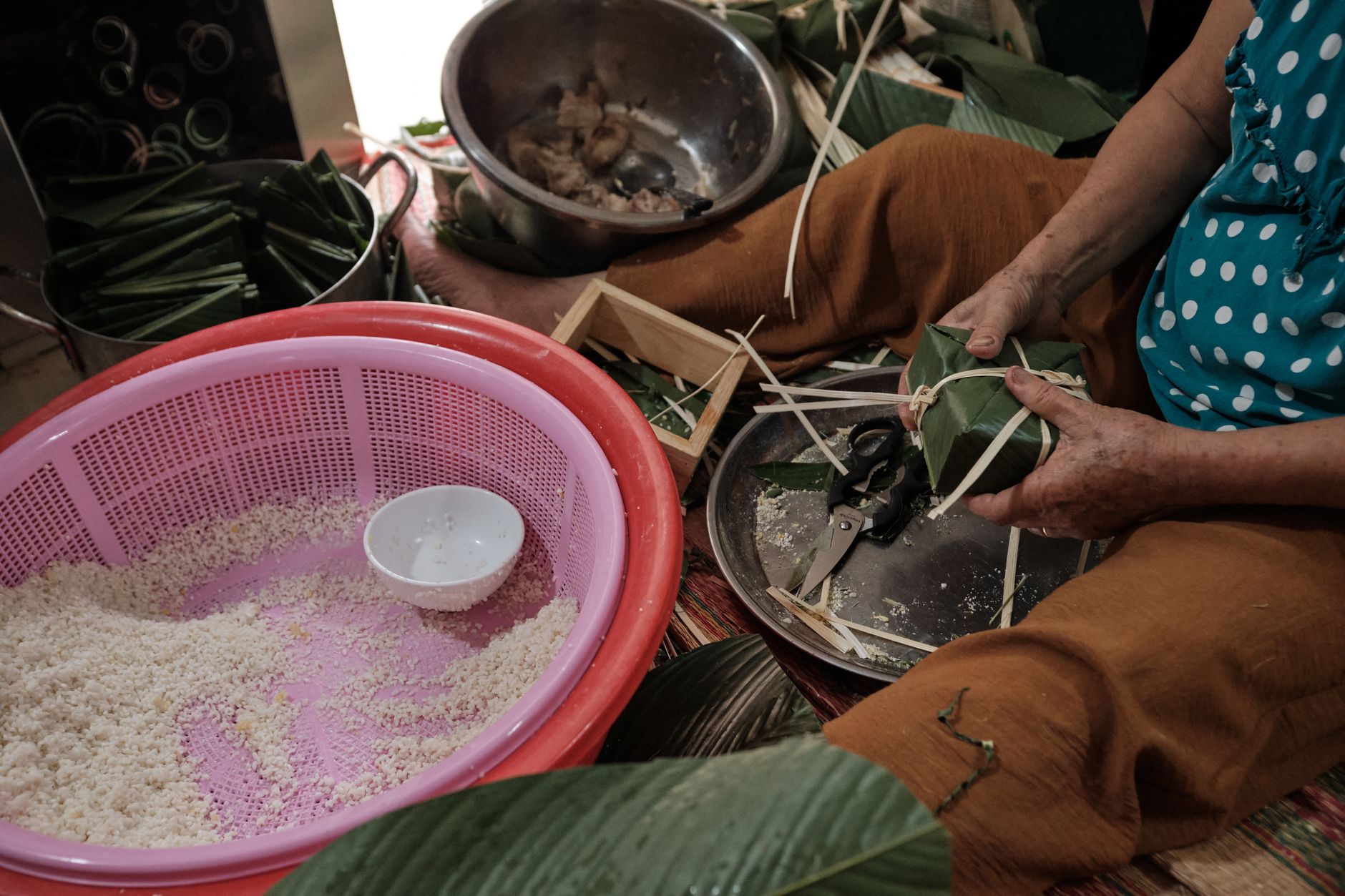
Hai Duong sits in northern Vietnam's Red River Delta, about 40 km east of Hanoi. It's a transit hub and a secondary destination for travelers heading toward Ha Long Bay or the northeast highlands, but it has its own rhythm: silk traditions, flower villages, and the nearby Tien Duong Citadel. The catch is that weather dominates the visit experience here more than in coastal or mountainous areas.
The lay of the seasons
Hai Duong follows the standard north Vietnam climate pattern: hot and wet from May to September, cool and dry from October to April. The shoulder months—March to April and October to November—are the sweet spot for most travelers.
Summer (May–September): Temperatures hover between 28–35°C, with humidity often over 80%. Afternoon downpours are routine, not exceptions. Roads become slick; visibility drops in smaller towns. The city air can feel stagnant. If you're sensitive to heat and moisture, this is hard going. Upside: fewer foreign tourists, lower hotel rates, and locals aren't rushing through motions.
Winter (December–February): Temperatures drop to 10–18°C at night, sometimes colder. Mornings can be foggy; the sun doesn't burn through until mid-day. Rain is light but frequent (drizzle more than storms). Locals wear jackets; you'll want layers. This is when northern Vietnam feels most like a proper winter, not just "less hot." Hotels and restaurants feel less crowded but still open.
Spring (March–April): The transition into heat. Temperatures climb from 18°C to 28°C. Rainfall tapers off by late April. Days are often clear, mornings crisp. Flowers bloom in the village nurseries around Hai Duong (this is a big silk and ornamental-plant region). Humidity is moderate. This is a genuinely good window.
Autumn (October–November): The reverse of spring. Temperatures fall from 28°C to 18°C. Rain drops sharply. Visibility is clear. The light is soft. Morning runs become pleasant instead of sweaty ordeals. Late October and all of November are probably the best two months in Hai Duong.
Festivals and timing
Hai Duong's calendar is tied to the broader northern Vietnamese rhythm, with a few local twists.
Tet (late January or early February): The lunar new year shuts down most of Vietnam. Hai Duong is no exception. Hotels fill up, buses get packed, and family-run restaurants close for a week. If you're here during Tet, expect limited dining options, early closures, and crowds of Hanoians visiting relatives. The city does light up with red banners and flower markets, but travel logistics are messy. Most travelers skip Tet or book well ahead.
Hung Kings Festival (late April, 10th day of lunar month): A regional observance honoring legendary founders. Temples fill with worshippers. The pace is quiet and ceremonial rather than touristy. If you're interested in Vietnamese spiritual practice and local devotion, it's worth timing a visit around this; otherwise, it won't affect your experience much.
Tet Doan Ngo (summer solstice, 5th day of 5th lunar month, typically June): Also called "Children's Day" on the civic calendar. It's a lesser-known festival with temple visits and family meals, but doesn't draw heavy crowds or restrict travel.
Mid-Autumn Festival (8th day of 8th lunar month, typically September–October): Celebrated more heavily in the midsummer heat, with lanterns, mooncakes, and children's processions. Hanoi's Old Quarter gets packed; Hai Duong sees local interest but not tourism surges.
None of these festivals are Hai Duong's main draw—the city isn't a festival destination. But if you're passing through and want to witness local practice, late October to early November captures mild weather and calm atmosphere.

Photo by Alberto Capparelli on Pexels
Month-by-month breakdown
January: Cold (10–18°C), dry. Hotel rates are standard. Tet (usually early February) is approaching, so last-minute family travel clogs roads mid-month. Manageable if you travel before Tet fever peaks.
February: Still cold, light rain possible. Post-Tet, the city resets. Good for quiet exploration.
March: Warming up (15–25°C). Rain increases slightly. Spring flowers appear in village nurseries. Crowds pick up as travelers flee Hanoi heat.
April: Warm (20–30°C), occasional showers. Hung Kings Festival mid-month. This is a solid month: good weather, manageable crowds, some cultural activity.
May: Hot and muggy (28–33°C). Monsoon rains begin. Humidity spikes. Tourist flow slows; rates drop. Challenging for comfort, good for budget travelers.
June–August: Peak heat and rain (30–35°C, 80%+ humidity). Afternoon deluges routine. This is when Hai Duong feels most provincial and least appealing to foreign visitors. Hotels are cheapest; streets are wet. Mid-Autumn Festival in September adds a cultural note but doesn't offset the heat.
September: Still hot (28–32°C), rain continues. Toward month's end, conditions start to ease.
October: Turning point. Temperatures drop (22–28°C), rain tapers off. This is when northern Vietnam transforms. Hai Duong becomes pleasant. Hotels fill up; rates creep up. Widely considered the best month.
November: Near-perfect (15–25°C, low humidity, clear skies). The second-best month. Shoulder season means fewer crowds than October but consistent good weather. This is when Hanoi expats plan weekend trips to the northeast—Hai Duong sits on that route and benefits.
December: Cooling further (12–20°C). Christmas and New Year travel starts mid-month; rates rise, availability drops. Still dry and pleasant if you're cold-tolerant.
Crowd levels and booking
Peak season (late October–November, early December): Hotels fill 2–3 weeks out, especially on weekends. Rates are 20–30% above low-season baseline. Restaurants catering to tourists run busier lunches and dinners. Getting taxis or private drivers is easy; buses are full.
Shoulder season (March–April, late December): Moderate crowds. Hotels have availability but book a week ahead for weekends. Rates are stable. Tourist infrastructure (English menus, tour desks) is available but not strained.
Off-season (May–September): Hotels have vacancies daily. Rates are lowest (sometimes 40% off peak). Tourist-facing services thin out. Restaurants stay open but feel half-empty. This is when you get genuine local interaction—but heat and humidity are the tradeoff.
Tet (late January–early February): Completely full. Avoid unless you're a Tet enthusiast. Hotels often require 3- to 5-night minimum bookings. Transport is congested.

Photo by trung nguyen on Pexels
What actually brings people to Hai Duong
Hai Duong itself is not a major tourist destination; most visitors pass through en route to Ha Long Bay, the northeast mountains (Ha Giang, Sapa), or are Hanoi day-trippers. The city has a historic citadel, silk workshops, and ornamental-plant villages—quiet, niche interests. If you're spending a full day here, October or November gives you pleasant walking weather and a manageable pace. In summer, you'll want to move fast between air-conditioned stops. In winter, mornings are chilly; pack a light jacket.
For most travelers, Hai Duong is a 2–4 hour checkpoint between Hanoi and Ha Long, not a destination. Timing matters less for a pit stop than for a genuine stay.
Frequently Asked Questions
When is the best time to visit Hai Duong for good weather?
Late October and November are the best months to visit Hai Duong. Temperatures fall from 28C to around 18C, rainfall drops sharply, and visibility is clear with soft light. March and April are a close second, with crisp mornings, moderate humidity, and temperatures climbing from 18C to 28C. Both windows avoid the oppressive summer heat, which regularly hits 35C with humidity above 80%.
What is Hai Duong and how far is it from Hanoi?
Hai Duong is a city in northern Vietnam's Red River Delta, about 40 km east of Hanoi. It functions primarily as a transit hub for travelers heading to Ha Long Bay or the northeast highlands, but it has its own local character: silk traditions, ornamental-plant nurseries, and the nearby Tien Duong Citadel. It is not a major festival destination but rewards travelers who pass through during the right season.
How does Tet affect travel logistics in Hai Duong?
Tet, the lunar new year falling in late January or early February, significantly disrupts travel in Hai Duong. Hotels fill quickly, buses become packed, and family-run restaurants close for roughly a week. Dining options are limited and hours shorten across the city. Most travelers either skip the Tet period entirely or book accommodation well in advance. The city does see red banners and flower markets, but logistical friction is high.
Practical notes
October through November is objectively the best window: temperatures are mild, rain is minimal, and humidity is tolerable. November is marginally quieter than October and equally good weather-wise. If you're flexible, aim for those two months. For budget-conscious travelers, May through August offer rock-bottom rates and authentic local atmosphere, with the tradeoff of heat and humidity that can make sightseeing uncomfortable. Tet is worth skipping entirely unless family obligations bring you.
Last updated · Apr 20, 2026 · independently researched, never sponsored.