What it is and how it got here
Vuon Nho Ninh Thuan — literally "Ninh Thuan grape gardens" — refers to the cluster of vineyards spread across the former Ninh Thuan province, now part of Khanh Hoa after Vietnam (베트남 / 越南 / ベトナム)'s 2025 administrative merger. The area around Phan Rang and Ba Moi village (Ninh Hai district) is the commercial center of Vietnamese grape cultivation, and has been since the French introduced table grape varietals here in the early 20th century.
The climate is the story. This strip of coast between Cam Ranh and Phan Rang is the driest in Vietnam — annual rainfall sits around 700mm, roughly a third of what Saigon gets. Combined with sandy, mineral-rich soil and consistent heat, the conditions turned out to be weirdly perfect for growing grapes. Farmers here harvest twice a year, typically around April–May and August–September.
Today, the vineyards cover over 1,000 hectares. Most grow NH01-48, a local green table grape with thick skin and a sharp sweetness. You'll also find red and black varietals at some farms, along with experimental wine grape plots. This isn't Napa Valley — it's scrappier, hotter, and more interesting for it.
Why travelers go
Most visitors end up here because they're already on a coastal road trip between Nha Trang (냐짱 / 芽庄 / ニャチャン) and Mui Ne, and the vineyards make for a half-day detour that feels genuinely different from the beach-temple-market loop. The landscape alone — rows of grapevines under intense sun, backed by arid hills — looks more like southern Spain than Southeast Asia.
But there's a food angle too. The region produces grape wine (rough but drinkable), grape juice, dried grapes, and grape seed oil. You can buy all of it directly from farm shops at prices well below what tourist markets in Nha Trang or Da Nang charge. A 750ml bottle of local grape wine runs 60,000–100,000 VND.
Best time to visit
Aim for late April through June or late August through September — these overlap with harvest seasons, when you can actually pick grapes and the farms are at their most photogenic. The vines are heavy with fruit and farmers are actively working the rows.
Avoid November through February if you want green vines. The plants are pruned back hard after harvest and the fields look bare. The weather is still pleasant (dry, mid-20s), but you'll be staring at sticks.
Year-round, expect heat. Midday temperatures from March to September regularly hit 35–38°C. Bring a hat, sunscreen, and water. Morning visits (before 10am) are far more comfortable.
How to get there
The vineyards are closest to Phan Rang, roughly 100km south of Nha Trang along the coast.
- From Nha Trang: Grab a bus from the Phia Nam bus station heading toward Phan Rang. Tickets cost 60,000–80,000 VND, and the ride takes about 1.5–2 hours on the QL1A highway. Alternatively, rent a motorbike in Nha Trang (150,000–200,000 VND/day) and ride — the coastal stretch past Cam Ranh is one of the better rides in central Vietnam.
- From Mui Ne/Phan Thiet: Buses run north to Phan Rang, about 3 hours, 100,000–130,000 VND.
- From the vineyards themselves: Ba Moi village (Ninh Hai) is about 15km northeast of Phan Rang city center. You'll need a motorbike or taxi for this last stretch — expect 50,000–70,000 VND for a Grab bike.
Ba Moi vs. Phan Rang vineyards
Ba Moi (also written Ba Moui) in Ninh Hai is the most visited area, with several farms set up to receive tourists. There are also vineyards closer to Phan Rang city, but these tend to be commercial operations without visitor infrastructure. Stick to Ba Moi if you want the walk-through-the-vines, taste-the-grapes experience.

Photo by Quang Nguyen Vinh on Pexels
What to do
Walk the rows and pick grapes. Most farms charge a small entry fee (20,000–30,000 VND) that includes a bunch of grapes to eat. During harvest season, you can snip your own clusters — the green NH01-48 grapes taste tart and floral straight off the vine, nothing like supermarket imports.
Try the local grape wine. Several farms have tasting rooms, though "room" is generous — usually a table under a corrugated roof. The red wine is tannic and a little rough; the white is sweeter and easier to drink cold. Don't expect complexity, but it's honest and cheap.
Visit the grape processing workshops. A few farms in Ba Moi dry grapes into raisins and press grape seed oil on-site. The oil is sold as a cooking and skincare product. Watching the pressing process takes ten minutes but gives you context for what you're buying.
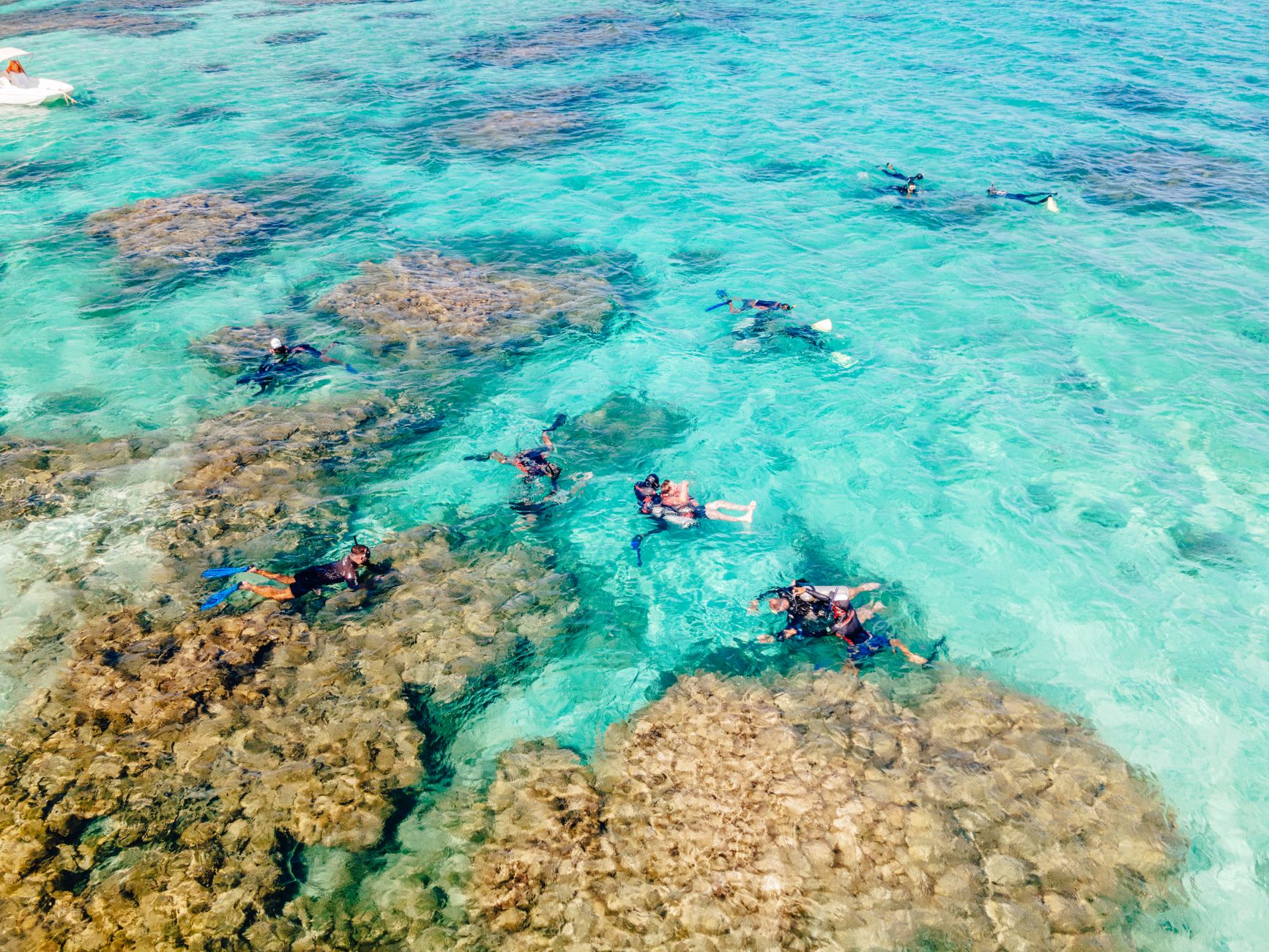
Combine with Vinh Hy Bay. The bay is about 20km northeast of Ba Moi — turquoise water, fishing boats, very little development. If you have a motorbike, the ride from the vineyards to Vinh Hy through scrubby hills is excellent. Budget an extra half-day.
Stop at a Cham tower. Po Klong Garai, a 13th-century Cham temple complex, sits on a hill just outside Phan Rang. It's small but well-preserved and gives cultural weight to the trip. The Ninh Thuan area has one of Vietnam's largest Cham communities, and the towers are still used for ceremonies.
Where to eat nearby
Phan Rang is known for two dishes worth tracking down:
- "Banh canh" cha ca Phan Rang — thick tapioca noodles in a fish-based broth with fried fish cake. The texture of the noodles is slippery and dense, unlike anything in Hanoi or Saigon. Try the stalls along Ngo Gia Tu street in Phan Rang; a bowl runs 30,000–40,000 VND.
- Grilled lamb and goat. The dry scrubland around Ninh Thuan supports goat and sheep farming, so grilled lamb ("de nuong") is a regional specialty. Quan De Vuon Nho near the vineyard area serves straightforward grilled goat with rice paper, herbs, and a fermented shrimp dip. Portions for two cost around 200,000–300,000 VND.
Where to stay
Most travelers base in Phan Rang city, where budget guesthouses start at 200,000–300,000 VND/night and mid-range hotels with air conditioning and breakfast go for 400,000–700,000 VND. Nothing fancy, but clean and functional.
If you have a bigger budget and want to be closer to the coast, a few resorts have opened near Vinh Hy Bay and Ninh Chu Beach — expect 1,000,000–2,500,000 VND/night. These are quiet, low-key places, not party resorts.
There's no real accommodation in Ba Moi village itself. Day-trip from Phan Rang.

Photo by Andreas Schnabl on Pexels
Practical tips locals would tell you
- Bargain gently at farm shops. Prices for wine and dried grapes aren't fixed. Buying in bulk (3+ bottles, a few kg of raisins) usually gets you 10–20% off without much negotiation.
- Wear closed shoes in the vineyards. The ground between rows is sandy and rough. Flip-flops work, but your feet will regret it by the end.
- Bring cash. Almost nothing in Ba Moi or the surrounding farms takes card or mobile payment. ATMs are in Phan Rang.
- Vietnamese coffee from roadside stalls in Phan Rang is strong and good — the local roast tends to be darker than what you'll find in Da Lat or Hoi An.
Mistakes to avoid
- Coming outside harvest season and expecting fruit. If you visit in December, the vines are pruned stubs. Check timing before you commit the detour.
- Rushing through as a 30-minute photo stop. The vineyards reward a slower pace — tasting, walking, buying directly. Give it at least 2–3 hours, more if you combine with Vinh Hy Bay.
- Skipping Phan Rang itself. Travelers sometimes treat the town as a nothing-to-see transit point. The Cham towers, the food, and the coastline south of town are all worth your time.
Practical notes
Vuon Nho Ninh Thuan sits naturally on a Nha Trang–to–Mui Ne road trip, or works as a full-day excursion from Nha Trang if you start early. The area is one of the few places in Vietnam where the landscape genuinely surprises — no rice paddies, no jungle, just vines and dust and heat. Come during harvest, eat the grapes, buy the wine, and give Phan Rang the afternoon it deserves.
Last updated · May 29, 2026 · independently researched, never sponsored.