What Bien Ho actually is
Bien Ho — also called Ho T'Nung — is a freshwater lake formed in an ancient volcanic crater roughly 7 km north of Pleiku city center in Gia Lai province. It sits at about 800 meters elevation, covers around 230 hectares, and drops to depths that locals claim have never been fully measured (estimates range from 12 to 40 meters depending on the season and who you ask). The Jarai and Bahnar ethnic communities have lived around its shores for centuries, and their oral traditions treat the lake as sacred — a place where spirits reside beneath water that never fully dries out, even in the harshest dry season.
The French colonial administration used the area as a hill station retreat in the early 1900s. Today it's a protected landscape, technically classified as a national scenic relic since 2005. The surrounding pine forests and coffee plantations give the whole area a moody, highland character that feels nothing like coastal Vietnam (베트남 / 越南 / ベトナム).
Note: Gia Lai province recently merged administratively with Binh Dinh province. For travelers, nothing changes on the ground — Pleiku is still your base, roads are the same, and locals still refer to the area as Gia Lai.
Why travelers go
Honestly, most don't — and that's the appeal. Bien Ho draws almost zero international tourism. You won't find tour buses or souvenir stalls. What you get instead:
- A genuinely quiet volcanic lake surrounded by old-growth pine and tropical hardwoods
- Cool highland air (18-25°C most of the year) that feels like a different country compared to the coast
- Proximity to Gia Lai's coffee culture — this province produces some of Vietnam's best robusta
- A window into Jarai and Bahnar village life without the packaged "ethnic tourism" experience you find in Sapa or Ha Giang
If you're already in the Central Highlands (중부 고원 / 中部高原 / 中部高原) visiting Da Lat or Kon Tum, Bien Ho is an easy add-on that rewards travelers who like landscapes without crowds.
Best time to visit
The Central Highlands have two distinct seasons:
- Dry season (November–April): Clear skies, cooler mornings (sometimes 15°C at dawn), best visibility across the lake. December through February is peak comfort.
- Rainy season (May–October): Afternoon downpours most days, the lake fills to capacity, surrounding greenery is lush but trails get muddy. Still manageable if you plan mornings only.
Avoid the heaviest rains in September–October if you want to walk the perimeter trails.

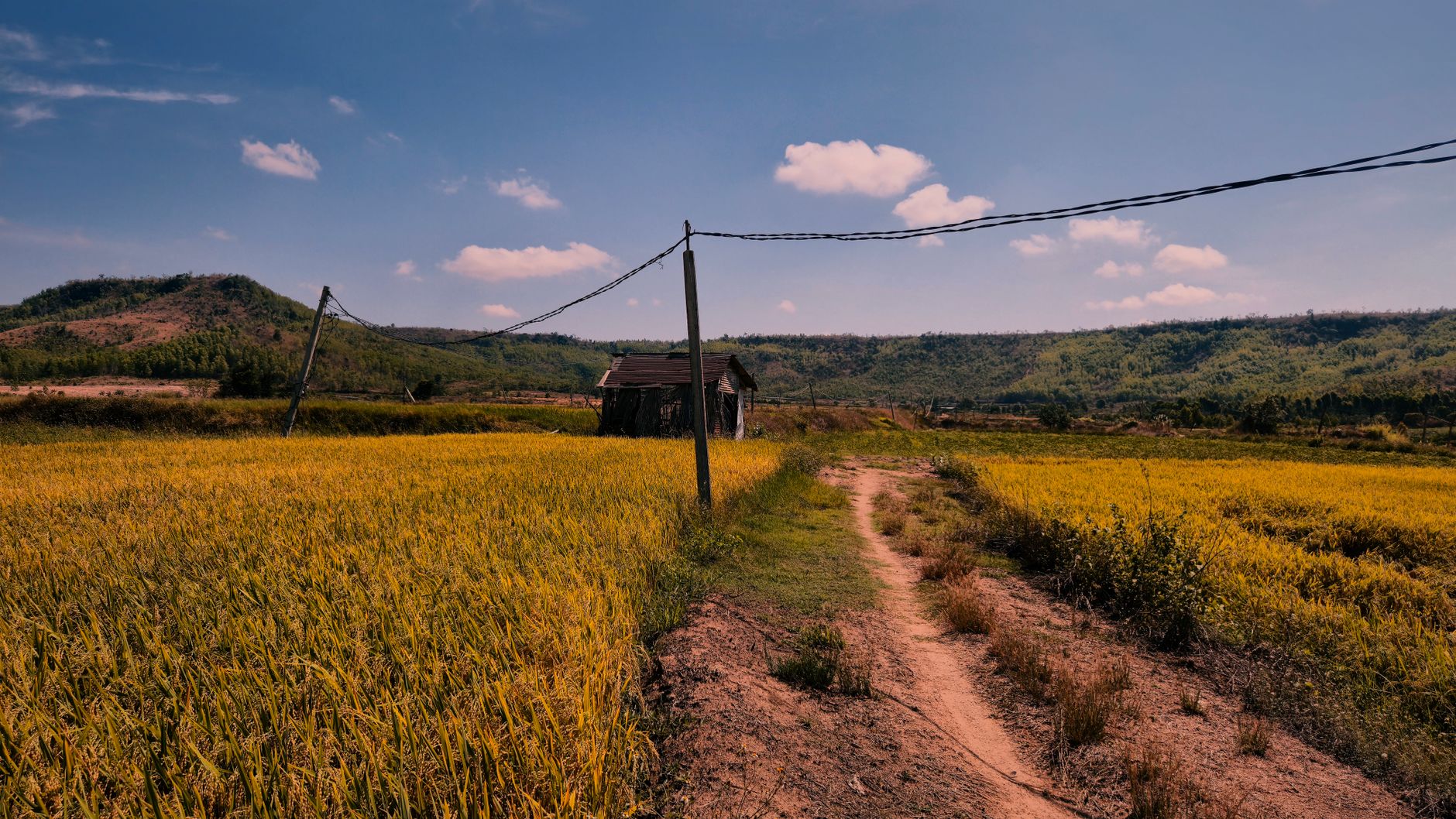
Photo by Dongdilac on Pexels
How to get there
By air: Pleiku Airport (PXU) has daily flights from Saigon (1 hr 15 min, typically 800,000–1,500,000 VND one way on Vietnam Airlines or VietJet) and Hanoi (1 hr 40 min). From the airport, Bien Ho is about 12 km — a 30,000–50,000 VND Grab ride.
By bus: Sleeper buses run from Da Nang (8–9 hours, around 250,000 VND) and Saigon (12–13 hours, around 350,000 VND) to Pleiku's bus station on Nguyen Tat Thanh street. From there, a xe om or Grab to the lake takes 15 minutes.
By motorbike: If you're riding the Central Highlands loop (Kon Tum → Pleiku → Buon Ma Thuot), Bien Ho is a natural stop on QL14 heading south from Kon Tum. The road is paved and in good condition.
From the lake, it's also only about 50 km east on QL19 to reach An Khe pass and eventually the coast toward Quy Nhon — a spectacular ride through mountain passes and coffee country.
What to do
Walk the lake perimeter
A paved road circles most of the lake (roughly 8 km). Early morning is best — mist sits on the water until about 7:30 AM, the light is soft, and the only sounds are birds and distant motorbikes. You can walk the whole loop in 90 minutes or rent a bicycle from guesthouses in Pleiku for around 50,000 VND/day.
Visit the viewpoint
The main scenic overlook is on the southwest side, marked by a small parking area and a few drink vendors. This is where Vietnamese tourists take photos. It's fine, but the quieter northeast shore — accessible by a dirt path — gives you a better sense of the lake's scale.
Drink local coffee
Gia Lai is coffee country. Within 3 km of Bien Ho, several small cafes serve fresh-roasted robusta brewed in the "phin" filter style. Try Ca Phe Vuon (Garden Coffee) on the road leading to the lake — nothing fancy, plastic chairs under jackfruit trees, but the beans are grown 500 meters away. A cup of vietnamese coffee runs 15,000–25,000 VND.
Explore Jarai villages
Plei Ốp and other Jarai communities sit within a few kilometers of the lake. These aren't tourist villages — be respectful, don't enter "rong" communal houses without invitation, and don't photograph people without asking. If you speak basic Vietnamese (or bring a local friend), elders are often happy to talk about the lake's spiritual significance.
Where to eat
Pleiku city is your best bet for meals. The local specialty is "pho kho" (dry pho) — rice noodles served separately from a rich beef broth, mixed with scallion oil. Try it at Pho Kho Hong on Nguyen Van Troi street (35,000 VND a bowl). For something different, "com tam" rice plates are everywhere along Le Loi street, served with grilled pork and a fried egg for 30,000–40,000 VND.
Near the lake itself, options are limited to a few drink stalls selling instant noodles and snacks. Bring your own breakfast if you're doing an early morning visit.

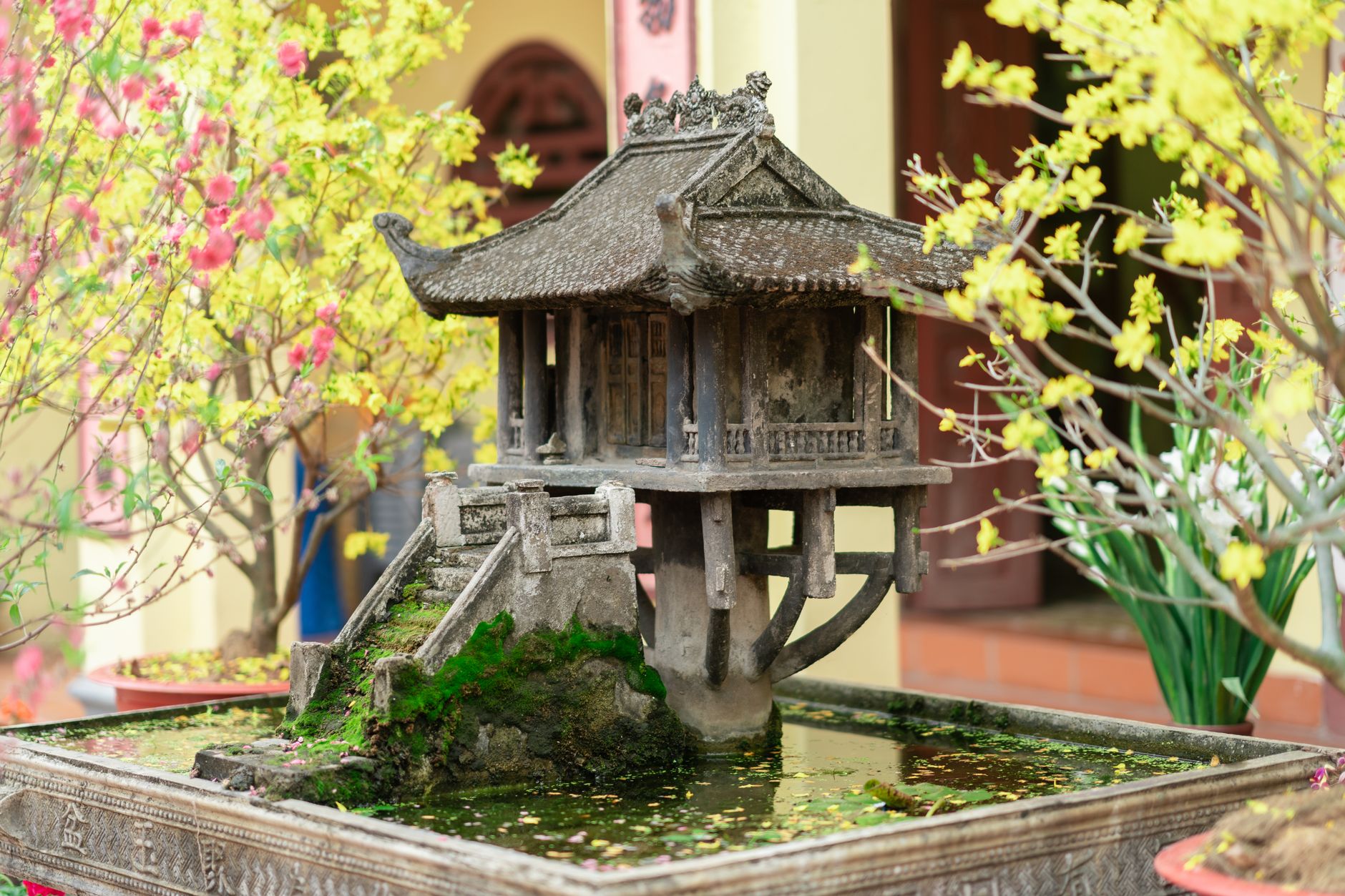
Photo by Duc Nguyen on Pexels
Where to stay
Bien Ho has no accommodation directly on its shores (it's a protected area). Stay in Pleiku:
- Budget: Hoang Anh Gia Lai Hotel — basic but clean, around 300,000–400,000 VND/night, central location.
- Mid-range: HAGL Hotel Pleiku — yes, named after the football club — decent rooms, pool, around 600,000–900,000 VND/night.
- Homestay: A few homestays have popped up on the road between Pleiku and the lake. Search "homestay Bien Ho" on Booking or ask at the Pleiku tourism office on Tran Phu street.
Practical tips
- Bring a light jacket. Even in the dry season, mornings at 800m elevation are cool.
- Grab works in Pleiku but drivers are fewer than in bigger cities. Book 10 minutes ahead.
- There's no entrance fee to Bien Ho as of early 2024.
- Swimming in the lake is not officially permitted and locals advise against it due to unpredictable depth and cold undercurrents.
- Phone signal (Viettel, Mobifone) is strong around the lake.
Common mistakes
- Treating it as a day trip from Da Nang or Hoi An. It's 8+ hours away. Commit to at least one night in Pleiku or you'll spend the whole day on a bus.
- Arriving midday. The lake looks flat and unimpressive under harsh noon light. Go at dawn or late afternoon.
- Expecting infrastructure. There are no kayak rentals, no lakeside restaurants, no boardwalks. That's the point — but pack accordingly.
- Skipping Pleiku itself. The city has underrated street food, a lively morning market on Le Loi, and some of the cheapest good coffee in Vietnam. Give it at least one evening.
Last updated · May 29, 2026 · independently researched, never sponsored.