What it is
Dai Hoang village in Ly Nhan district, Ha Nam province, is better known by its literary name: Lang Vu Dai — the fictional village in Nam Cao's 1941 short story Chi Pheo. But the real draw for food-obsessed travelers isn't literature. It's "ca kho," specifically ca kho lang Vu Dai: whole black carp braised for 16-plus hours in clay pots over a wood fire, caramelized in a sauce of galangal, fish sauce, and pepper until the bones soften enough to eat.
This isn't a factory product dressed up as tradition. Families here have been doing this for over a century, and the process hasn't changed much. Each pot is sealed, slow-cooked overnight, and the result — dense, savory, mahogany-dark fish — ships all over Vietnam (베트남 / 越南 / ベトナム) during Tet as a luxury gift. Visiting in person means seeing the workshops, tasting it fresh, and understanding why a single clay pot of braised carp can sell for 500,000-2,000,000 VND depending on size.
Why travelers go
Most visitors are Vietnamese, especially in the weeks before Tet (뗏 (베트남 설날) / 越南春节 / テト) when production peaks. Foreign travelers are rare, which is part of the appeal — no tourist infrastructure, no entrance fees, just a working village doing what it does. You go for three reasons:
- To watch (and smell) the braising process up close — rows of clay pots over smoldering rice husks and longan wood, tended through the night.
- To eat ca kho that's hours old instead of days old. The texture difference is real.
- To visit the Nam Cao memorial house and see the village that inspired one of Vietnam's most important modern writers.
If you're already in Ninh Binh doing Tam Coc or Hoa Lu, this is a 60-70 km detour east into Ha Nam. Not next door, but doable as a half-day trip.
Best time to visit
The village operates year-round, but the peak braising season runs from the 10th month of the lunar calendar through Tet (roughly November to late January). This is when every household fires up their kilns and the whole village smells like caramelized fish sauce. Visit in December or January for maximum activity.
Outside of Tet season, fewer households are actively braising, but you can still find 3-5 families producing on any given day. Call ahead if visiting in summer — some workshops only run to order.
How to get there from Ninh Binh
Dai Hoang village sits about 65 km northeast of Ninh Binh city. Your options:
Motorbike
The most practical choice. Take QL1A north toward Phu Ly, then cut east on DT971 toward Ly Nhan. Total ride: about 1.5 hours. Roads are flat delta terrain, easy riding. Google Maps handles it fine — search "Lang ca kho Vu Dai" or "Dai Hoang, Ly Nhan, Ha Nam."
Grab car / private driver
From Ninh Binh city, a Grab car runs 350,000-450,000 VND one way. A round-trip with 2 hours of waiting will cost around 900,000-1,200,000 VND if you negotiate directly with a local driver. Ask your hotel to arrange this — it's common.
Bus
There's no direct bus. You'd need to get to Phu Ly (buses from Ninh Binh, ~40,000 VND, 1 hour) then grab a xe om or local bus to Ly Nhan. It's workable but slow. Motorbike or car is better.

Photo by ㅤ quang vinh ㅤ on Pexels
What to do
Watch the braising process
Most family workshops welcome visitors — just walk in and ask. The process starts with live black carp (ca tram), usually 3-5 kg each, gutted and arranged in clay pots with galangal, fish sauce, coconut water, and pepper. Pots are sealed and placed over low-burning rice husks and longan wood for 16-18 hours. You'll see women tending the fires through the night during peak season.
Buy a pot to eat (or ship)
You can buy individual portions from 150,000 VND for a small pot or a full 3-kg fish for around 1,200,000-1,500,000 VND. Some families will heat one up for you to eat on-site with rice. This is the move — fresh ca kho with steamed rice, pickled mustard greens, and a bowl of broth.
Visit the Nam Cao memorial house
A small museum dedicated to the writer Nam Cao (1915-1951), whose short stories depicted harsh village life in the Red River Delta. The house is modest — a few rooms of manuscripts, photos, and period furniture — but it gives context to the village's literary fame. Free entry.
Walk the village
Dai Hoang is a proper delta village: narrow lanes, brick houses, fish ponds, and banyan trees. Thirty minutes of wandering gives you a feel for rural Ha Nam that you won't get in Ninh Binh's tourist zones.
Try "banh cuon" at the market
Ly Nhan's morning market (open until about 9:30 AM) has excellent banh cuon — thin steamed rice sheets with minced pork and wood ear mushroom, served with fried shallots and dipping sauce. Different style from Hanoi's version: thicker sheets, more filling.
Where to eat nearby
There are no restaurants in the village itself. Your options:
- Eat ca kho at a workshop — ask any family if they'll serve you a pot with rice. Most will for 100,000-200,000 VND per person.
- Phu Ly town (20 km west) has proper restaurants. Try "bun cha" here — the Ha Nam style uses smaller patties and a sweeter broth than Hanoi's version.
Where to stay
There's no accommodation in Dai Hoang village. Your best options:
- Ninh Binh city: budget hotels 200,000-400,000 VND/night, mid-range 600,000-1,000,000 VND. Use it as a base and day-trip to the village.
- Phu Ly city (Ha Nam provincial capital): closer at 20 km, but fewer tourist-friendly options. Basic hotels 250,000-500,000 VND.
- Tam Coc area: if you're doing Ninh Binh's main sights anyway, stay in Tam Coc and combine the village visit with Hoa Lu on the same day.
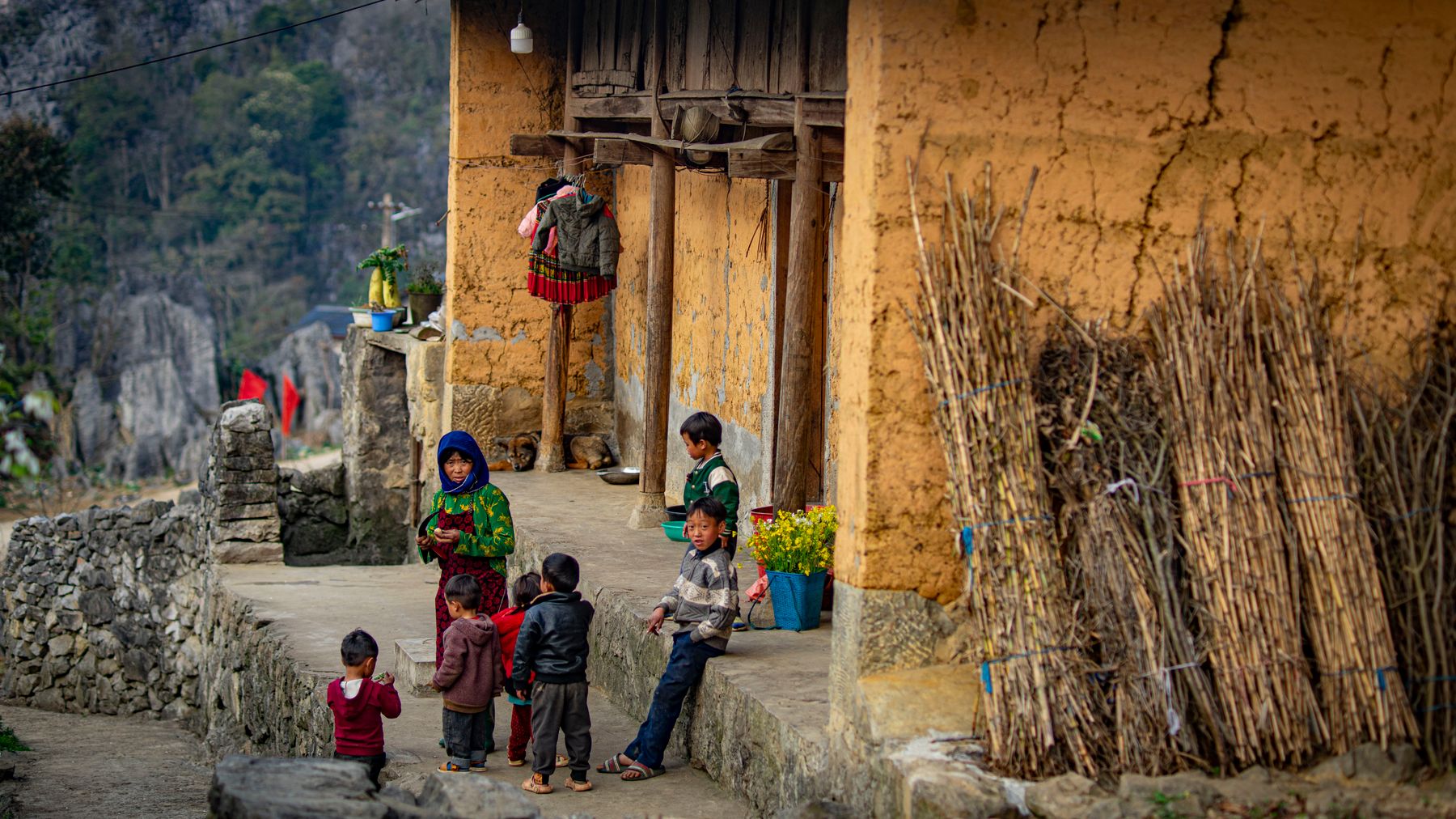
Photo by Vietnam Hidden Light on Pexels
Practical tips locals would tell you
- Go early. Arrive by 7-8 AM to see the overnight pots being opened. By mid-morning, the interesting part is over.
- Bring cash. No card payments, no ATMs in the village. Phu Ly has ATMs if you need to stop.
- The clay pot is the packaging. If you buy ca kho to take home, it comes sealed in its cooking pot. It keeps 7-10 days unrefrigerated, longer in a fridge. Yes, you can fly with it — wrap it in a plastic bag in checked luggage.
- Tet season means crowds. The last two weeks before Tet, the village is packed with Vietnamese buyers. Good for atmosphere, bad for parking.
Common mistakes to avoid
- Expecting a tourist attraction. There are no signs, no ticket booths, no guides. It's a working village. Just show up and be polite.
- Coming in the afternoon. Braising happens overnight; mornings are when pots come off the fire and new ones go on. Afternoons are dead.
- Confusing this with Ninh Binh province. The village is in Ha Nam, not Ninh Binh. Your GPS needs to point to Ly Nhan district, Ha Nam. It's an easy day trip from Ninh Binh but it's a different province.
- Skipping the fish because of the price. Yes, 1,000,000+ VND for a pot of fish sounds steep. But this is a 16-hour artisan product using 3-5 kg of fresh carp. Split one pot between 3-4 people and it's a reasonable lunch.
Practical notes
Combine this with a morning at Hoa Lu or an afternoon at Tam Coc if you're based in Ninh Binh. The drive is flat and easy. Bring your appetite and an empty space in your bag — you'll almost certainly leave with a clay pot of fish.
Last updated · May 29, 2026 · independently researched, never sponsored.