What Pho Minh Pagoda Is and Why It Matters
Pho Minh Pagoda sits in Tuc Mac village, just outside the small city of Nam Dinh, roughly 30 km east of Ninh Binh (닌빈 / 宁平 / ニンビン). It dates to the 13th century under the Tran Dynasty — the same rulers who repelled three Mongol invasions — and served as the royal family's personal place of worship. The compound's centerpiece is a 14-tier stone tower, built around 1305 to hold relics of King Tran Nhan Tong after his death. That tower still stands, largely intact, making it one of the oldest original stone structures in northern Vietnam.
This isn't a place that draws tour buses. Pho (쌀국수 / 越南河粉 / フォー) Minh is a working pagoda in a quiet residential area, and most foreign visitors pass through the region without knowing it exists. That's exactly what makes it worth the detour if you're already spending time in Ninh Binh.
Why Travelers Go
The 14-tier tower is the draw. At roughly 21 meters tall, it's built from stacked laterite and stone blocks without mortar — the kind of engineering that makes you stop and think about what 1305 actually looked like. Each tier is slightly smaller than the one below, giving it a tapered profile you can see from across the village. Bronze bells hang from the corners of each level, and on windy days you can hear them from the courtyard.
Beyond the tower, the pagoda holds a collection of Tran Dynasty artifacts: stone steles with inscriptions, carved dragon banisters, and a large bronze bell cast in the 14th century. The main hall is modest compared to places like Bai Dinh, but that's the point. This is an actual historical site, not a modern mega-temple.
For anyone interested in Vietnamese history or Buddhist architecture, Pho Minh is one of the most rewarding stops in the north — and you'll likely have it mostly to yourself.
Best Time to Visit
October through March gives you the coolest, driest weather in the Red River Delta. Mornings in December and January can be genuinely cold (12-15°C), so bring a layer.
If you time it right, the annual Tran Temple Festival falls in the third lunar month (usually March or April). The festival centers on the nearby Tran Temple complex, but Pho Minh Pagoda sees extra ceremonies and visitors during this period. It's lively without being overwhelming — nothing like the crowds at Perfume Pagoda or Bai Dinh during Tet.
Avoid July and August if you can. The heat is oppressive and afternoon rain is almost guaranteed.
How to Get There from Ninh Binh
From Ninh Binh city, you have a few options:
- Motorbike or scooter — The most flexible choice. Head east on Highway 10 toward Nam Dinh city. The ride is about 30 km, mostly flat delta roads through rice paddies, and takes around 45 minutes. Rental bikes in Ninh Binh run 120,000-150,000 VND/day.
- Grab car — A one-way Grab from Ninh Binh to the pagoda costs roughly 200,000-280,000 VND. Coverage can be spotty in Nam Dinh's outskirts, so book the return before you head out or arrange a wait.
- Local bus — Buses run between Ninh Binh and Nam Dinh bus stations (about 40,000 VND, 1 hour). From Nam Dinh bus station, it's another 3 km to the pagoda by xe om or taxi (around 30,000-40,000 VND).
If you're coming from Hanoi, take a bus to Nam Dinh directly from Giap Bat station (90,000-120,000 VND, roughly 2 hours), then grab a local taxi to the pagoda.

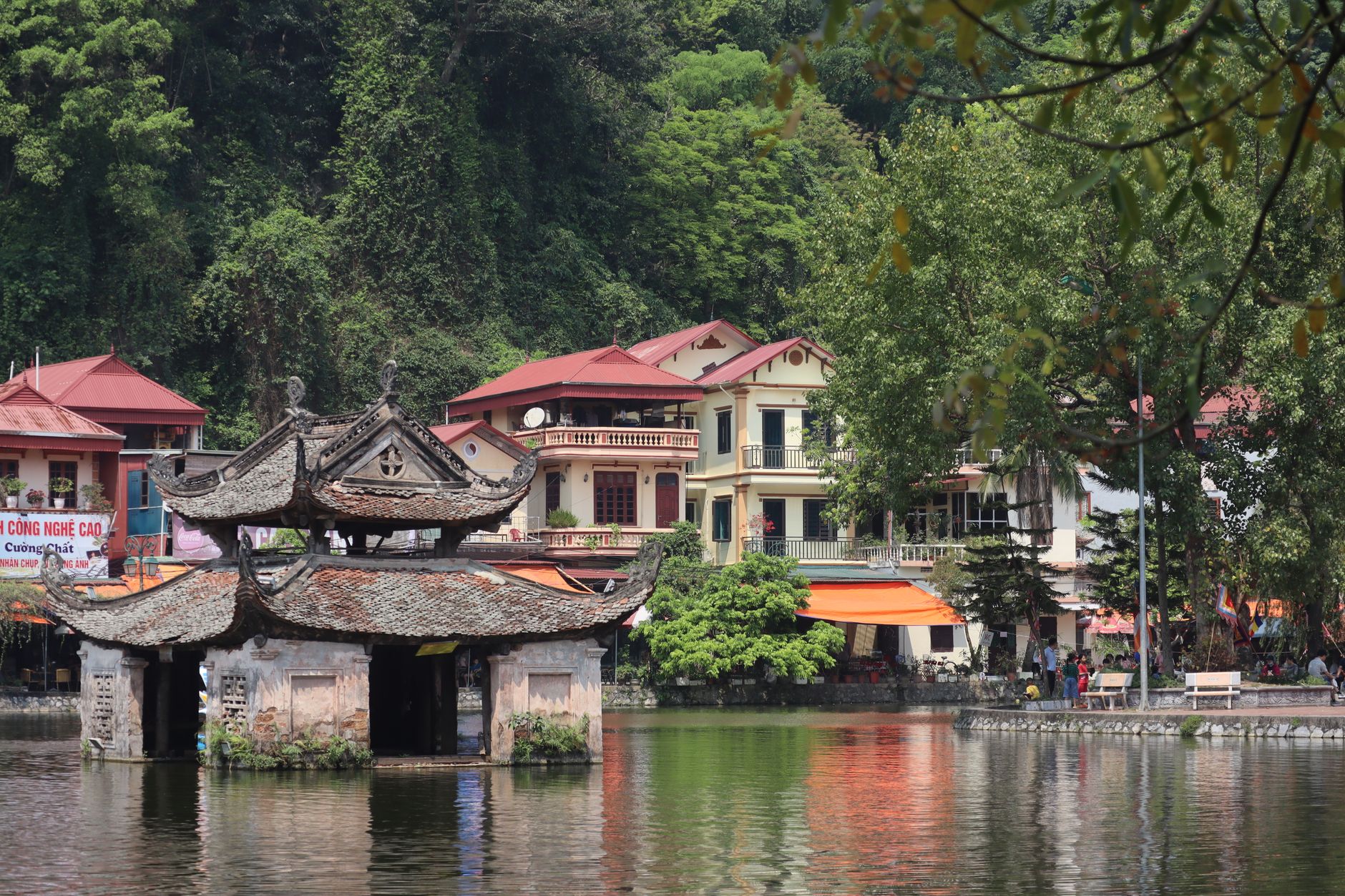
Photo by Karolina on Pexels
What to Do at Pho Minh
Walk the tower up close
The stone tower is fenced at its base, but you can circle it completely and study the carvings on the lower tiers — lotus motifs, guardian figures, and weathered inscriptions. The stonework on the north-facing side is the best preserved.
Read the steles
Several carved stone steles sit in the courtyard, some dating to the 14th and 15th centuries. They record temple restorations and royal decrees. Vietnamese-language placards offer some context; there's minimal English signage, so a translation app helps.
Visit the main worship hall
The hall contains a gilded Buddha statue and several Tran Dynasty-era wooden carvings. It's small and dim — your eyes need a minute to adjust — but the carved dragon banisters flanking the entrance steps are exceptional.
Combine with Tran Temple
The Tran Temple complex (Den Tran) is about 1 km from Pho Minh and honors the Tran Dynasty kings directly. The two sites share history and make a natural pair. Budget an extra 30-45 minutes for Tran Temple.
Wander Tuc Mac village
The surrounding village is a classic Red River Delta settlement — narrow lanes, brick houses, fish ponds, and banana trees. A 20-minute walk gives you more texture than most organized village tours.
Where to Eat Nearby
Nam Dinh is famous for "pho" — specifically "pho bo" Nam Dinh style, which uses a darker, more intensely beefy broth than the Hanoi version. Vendors near the Tran Temple area serve bowls for 40,000-55,000 VND. Look for places where locals are sitting on plastic stools at 7 AM; that's your quality signal.
Also try "banh cuon" — thin steamed rice rolls filled with minced pork and wood ear mushroom. Nam Dinh's version tends to be slightly thicker than Hanoi's, with a chewier texture. A plate runs 25,000-35,000 VND at street stalls near the city market.
Where to Stay
Most travelers base themselves in Ninh Binh and day-trip to Pho Minh, which makes logistical sense given the wider range of accommodation around Tam Coc and the Ninh Binh city center.
- Budget: Hostels and guesthouses around Tam Coc start at 150,000-250,000 VND/night for a dorm or basic room.
- Mid-range: Hotels in Ninh Binh city run 400,000-800,000 VND/night with air-con, breakfast, and motorbike rental help.
- Splurge: A few ecolodges near Tam Coc and Trang An charge 1,500,000-3,000,000 VND/night with river views and some peace.
If you prefer staying closer to the pagoda, Nam Dinh city has a handful of local hotels in the 300,000-600,000 VND range, though options are more limited and English is rare.

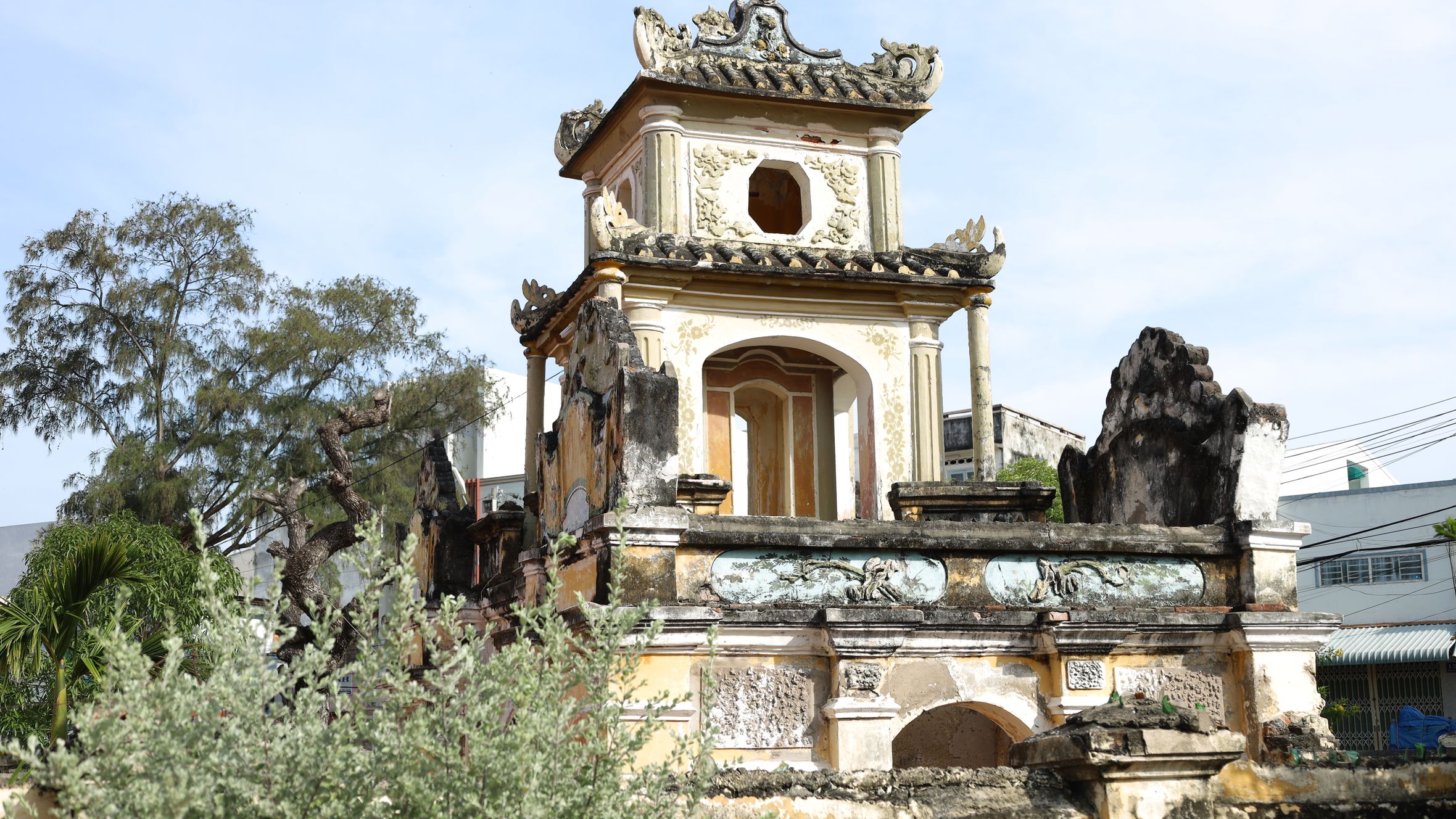
Photo by Braven Nguyen on Pexels
Tips Locals Would Tell You
- Dress modestly. This is an active place of worship. Cover shoulders and knees. Remove shoes before entering the main hall.
- Bring cash. There are no ATMs within walking distance of the pagoda. The nearest banks are in Nam Dinh city center.
- Go early. The pagoda grounds are open from around 6 AM. Before 9 AM you'll have the tower courtyard almost entirely to yourself.
- Don't skip the back garden. Behind the main hall there's a quieter garden area with old trees and a small pond. Most visitors never walk past the tower.
Common Mistakes to Avoid
- Rushing it. People stop for 15 minutes, photograph the tower, and leave. Give yourself at least an hour to walk the grounds, read the steles, and absorb the village atmosphere.
- Expecting English signage. There's very little. Download Vietnamese on Google Translate offline before you arrive.
- Visiting on major festival days without preparation. During the Tran Temple Festival, the area gets significantly more crowded and parking becomes chaotic. If you want quiet contemplation, pick a regular weekday.
- Confusing Pho Minh with the Tran Temple complex. They're separate sites about 1 km apart. Many taxi drivers default to Tran Temple since it's better known — specify "Chua Pho Minh" clearly.
Practical Notes
There's no entrance fee at Pho Minh Pagoda. A small donation box sits near the main hall — 20,000-50,000 VND is appropriate. The pagoda pairs naturally with a day trip to Ninh Binh's main sites like Tam Coc, Trang An, or Hoa Lu, making it easy to fold into a broader northern Vietnam itinerary without needing a dedicated day.
Last updated · May 29, 2026 · independently researched, never sponsored.