Quang Binh is small enough that "where to stay" doesn't mean wrestling with dozens of neighborhoods. The province centers on three zones: Dong Hoi town (the main hub), the Phong Nha area 40 km inland (cave central), and a handful of beach pockets along Highway 1. Your choice depends on whether you want hiking boots or flip-flops as your main shoe.
Dong Hoi Town Center
Dong Hoi is the provincial capital and transport nexus. It's not picturesque—think grid of shop-houses, karaoke bars, and a working port smell—but it's practical. You'll find the bus station here, reliable restaurants, and ATMs that actually work. The town wraps around Nhat Le River, which divides the old quarter (north) from the newer commercial zone (south).
Best for: backpackers on tight schedules, overnight stops between Hanoi and central Vietnam, travelers who want zero friction.
Budget options (300,000–600,000 VND / night):
- Hostels cluster around the backpacker strip near Tran Hung Dao Street. Expect four-bed dorms, shared bathrooms, occasionally sketchy WiFi. The upside: you'll meet other travelers and bar staff know the cheap pho places.
- Budget guesthouses (family-run, 2–3 floors) go for 450,000–550,000 VND for a double with AC and hot water. Don't expect styling, but rooms are clean.
Mid-range (700,000–1.5 million VND / night):
- Nguyen Hue Street (the main drag) has three-star hotels: mid-rise, tidy, functional. Swimming pools are common. Breakfasts are usually pho or fried egg sandwiches. Good value if you're splitting time between the caves and town.
- Look for properties marketed toward tour groups—they're used to managing international guests and usually have English-speaking front desk.
Practical edge: if you're arriving by bus or need to catch an early flight from Dong Hoi Airport (7 km south), staying in town saves hassle.
Phong Nha District: The Cave Tourism Belt
Phong Nha is 40 km northwest of Dong Hoi and home to Son Doong, Paradise Cave, and a dozen other sites that pull hard-core trekkers and casual tourists. The district town (also called Phong Nha) is tiny—basically one main road—but it's transformed in the past decade from a pit stop into a proper lodge-and-cafe hub. Nearly every guesthouse here will book your cave tour the next morning; you'll roll out at 6 AM with a headlamp and a packed lunch.
Best for: hikers, cave enthusiasts, anyone planning 2+ days on the caving circuit, travelers who want to minimize transfer time.
Budget options (300,000–700,000 VND / night):
- Homestays in surrounding villages (Tan Trach, Hang Toi area) rent rooms for 350,000–500,000 VND. You sleep in a local family's house, eat breakfast with them, and get genuine rural Vietnam without sacrificing comfort. Guides will pick you up from your door.
- Phong Nha town hostels (four-bed dorms) run 250,000–350,000 VND. The common area is usually a bar-cafe where you can book tours and swap stories with other caver-types.
Mid-range (800,000–2 million VND / night):
- Phong Nha has a small cluster of three-star lodges: Phong Nha Farmstay, Tam Coc Garden (themed bungalow-style), and newer spots opening every year. They tend to have in-house guide services, meaning your tour is booked before you unpack.
- These places cater to older couples and families doing "adventure light"—you're not ultra-compact, but you're not stuck in a shoebox either.
Luxury (2.5–4 million VND / night):
- Oxalis Adventure Tours runs Farmstay Phong Nha, a compound with wooden bungalows, restaurant, and curated multi-day cave expeditions. It's designed for people who want comfort + serious caving without DIY hassle.
- Expect 3.5–4 million VND per night, often bundled with a guided tour package.
Logistics note: Phong Nha town is 1.5 hours from Dong Hoi by taxi (450,000–550,000 VND one-way). If you're doing caves for 2+ days, staying in Phong Nha eliminates repetitive driving.

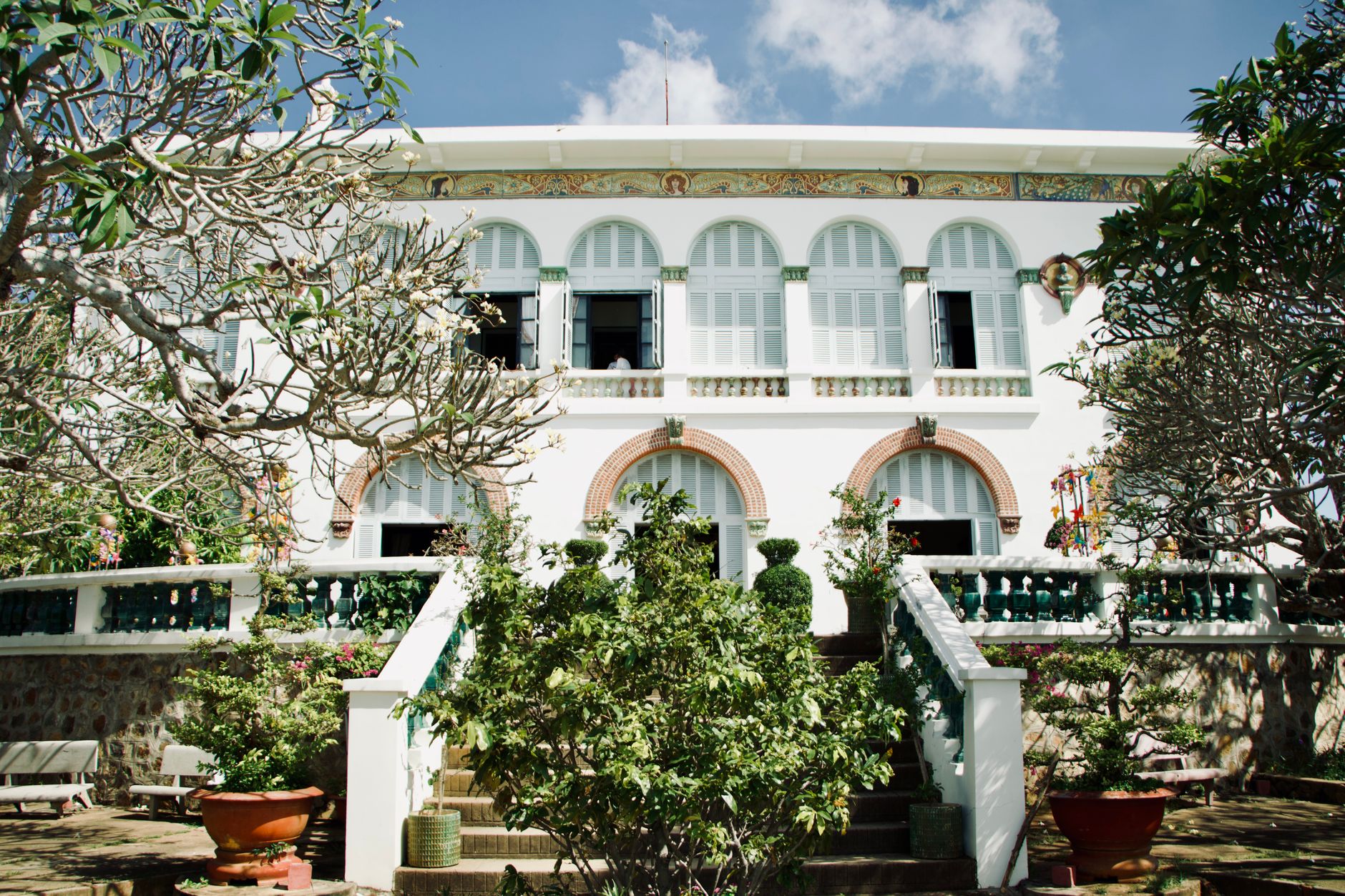
Photo by Vietnam Hidden Light on Pexels
Beach Areas: Nhat Le and Bao Ninh
Quang Binh's coastline is underdeveloped by Vietnamese standards—that's partly the appeal. Nhat Le Beach (right next to Dong Hoi town) is urban and a bit scraggly, popular with locals on weekends. Bao Ninh, 30 km south, is quieter and used as a staging point for Quang Binh Tunnel tours and kayak trips into Thuan An Lagoon.
Best for: beach loungers, kayakers, travelers mixing caves + coastal time, anyone avoiding the cave-tourist crowds.
Budget options (350,000–650,000 VND / night):
- Nhat Le has beachside guesthouses (usually three stories, concrete, no frills) for 400,000–550,000 VND. Hot water, AC, and a sea view from the balcony. Decent for a rest day between cave tours.
- Bao Ninh is even cheaper—small family homestays offer 350,000–450,000 VND for basic but clean rooms.
Mid-range (900,000–1.8 million VND / night):
- Bao Ninh Lagoon Ecolodge and similar properties offer bungalow-style rooms with restaurant and tour coordination for lagoon kayaking (400,000–600,000 VND per person, half-day).
- Nhat Le has a few "resort" properties trying to draw weekend Hanoians: pools, better restaurants, more English. Fewer backpackers, more families.
Why choose beach: if you've spent 3 days in caves, Nhat Le Beach is 10 minutes from town for a saltwater reset. Thuan An Lagoon kayaking (near Bao Ninh) is a gentler alternative to cave trekking.

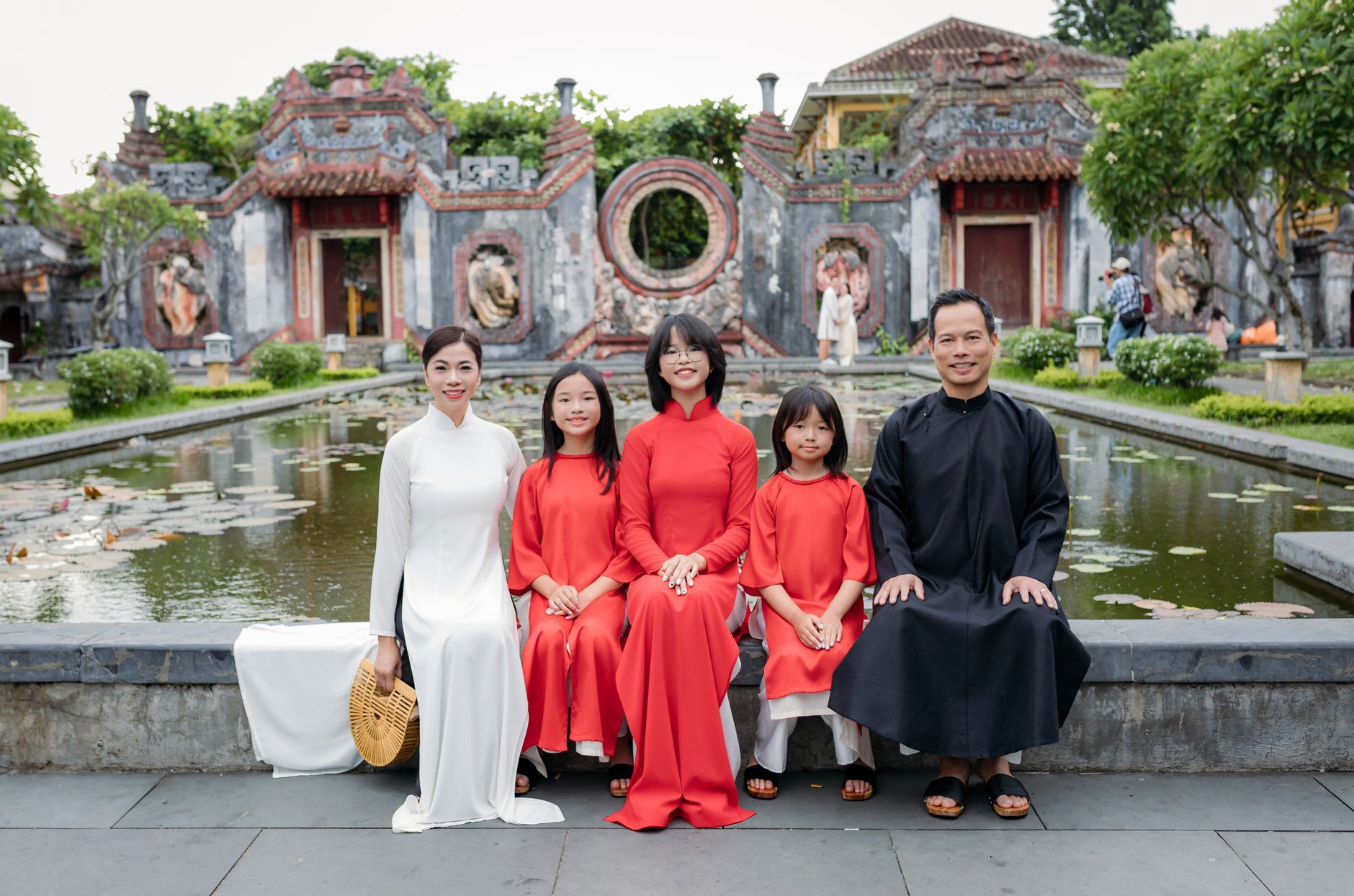
Photo by Vietnam Hidden Light on Pexels
By Traveler Type
Backpackers / budget tours: Dong Hoi town center or Phong Nha hostels. Phong Nha has more social energy (cave tour crews swap intel at breakfast). Dong Hoi is faster logistics if you're catching a bus out.
Couples / older travelers: Phong Nha Farmstay or mid-range Dong Hoi hotels. You get comfort, curated experiences, and no need to haggle with local guides outside dark caves.
Families: Bao Ninh or Phong Nha mid-range. Lagoon kayaking and less-strenuous cave tours (Paradise Cave vs. Son Doong) are less risky for kids. Lodges usually organize pickup from your accommodation.
Solo adventure travelers: Phong Nha town or homestays. You'll share morning cave pickups with other tourists, reducing solo transport costs, and lodges assume you know how to book your own adventure.
Frequently Asked Questions
How far is Phong Nha from Dong Hoi town center?
Phong Nha is 40 km northwest of Dong Hoi. The drive takes roughly an hour. Staying in Phong Nha eliminates that transfer each morning — cave tours typically depart around 6 AM, so guests staying locally can walk out the door with their headlamp rather than arranging early transport from town.
What is the typical price range for a budget guesthouse in Dong Hoi?
Family-run guesthouses in Dong Hoi run 450,000–550,000 VND per night for a double room with air conditioning and hot water. Hostels near the backpacker strip on Tran Hung Dao Street offer four-bed dorms for less. For mid-range comfort, hotels on Nguyen Hue Street cost 700,000–1.5 million VND and often include a swimming pool and breakfast.
When does it make sense to stay in Phong Nha instead of Dong Hoi?
Stay in Phong Nha if you are spending two or more days on the caving circuit. Nearly every guesthouse there books cave tours for the next morning, and you avoid a 40 km transfer each day. Budget homestays in villages like Tan Trach start at 350,000–500,000 VND. If you only need an overnight stop near the bus station or airport, Dong Hoi is the more practical base.
Practical Notes
Quang Binh has no high season in the way Hanoi or Saigon do. Cave tourism runs year-round; beaches are best April–September. Prices stay relatively flat. Book tours directly with your guesthouse (they get commission, so they're invested in your safety and happiness). Most lodges can arrange onward transport to Hue or Da Nang via bus or private car.
Last updated · May 26, 2026 · independently researched, never sponsored.