Nghe An doesn't have the infrastructure hype of Da Nang or Hoi An, and that's the point. The province—home to Ho Chi Minh and a clutch of revolutionary leaders—draws few Western tourists, which means you'll eat better and see something closer to how central Vietnam actually works. The capital, Vinh, is a scruffy port city of 500,000 with decent enough hotels and restaurants, but the real appeal lies inland and along the coast.
Vinh: Base camp, not a destination
Vinh itself won't hold you for more than a meal and a night. The city centre is a grid of Soviet-style housing blocks and motorbike chaos. Do eat here, though: Vinh has a strong noodle culture. Try "hu tieu" (a southern-style pork and shrimp clear broth) at any of the small spots near Hang Dau Market—expect to pay 25,000–40,000 VND. "Com tam" (broken rice with grilled pork and egg) is also done well; a full plate runs 30,000 VND.
If you need to stay over, the Ninh Hai Hotel (near the riverfront) is basic but clean, around 300,000 VND a night. Don't overcommit; spend your afternoon exploring and move on in the morning.
Phong Nha–Ke Bang: Caves and limestone
Phong Nha is about 45 km south of Vinh—roughly 1 hour by bus or rental motorbike. This is the main draw for most visitors: a UNESCO-listed karst landscape with caves, rivers, and trekking trails. The area centres around the town of Dong Hoi, which sits on the Gianh River.
Son Doong Cave is the headline act—the world's largest cave by volume, allegedly. A tour there takes 3 days and costs USD 3,000+ per person, requires fitness, and involves rock climbing. It's not a quick stop. If you're game, book through Oxalis Adventure Tours or Son Doong Rescue Centre well in advance.
More accessible: Phong Nha Cave itself (the river cave you can boat through) and Ke Bang Cave (a dry, tunnel-like formation with bats). Half-day boat trips from Dong Hoi town run about 300,000–500,000 VND per person and include both. The riverside town of Dong Hoi has guesthouses, restaurants, and a waterfront that's pleasant enough for an evening stroll. Try the local banh hoai (a toasted pancake with minced meat and herbs, similar to what you'd find in nearby Hoi An but less touristy here)—15,000–25,000 VND.
Cua Lo: Beach break without the resort theatre
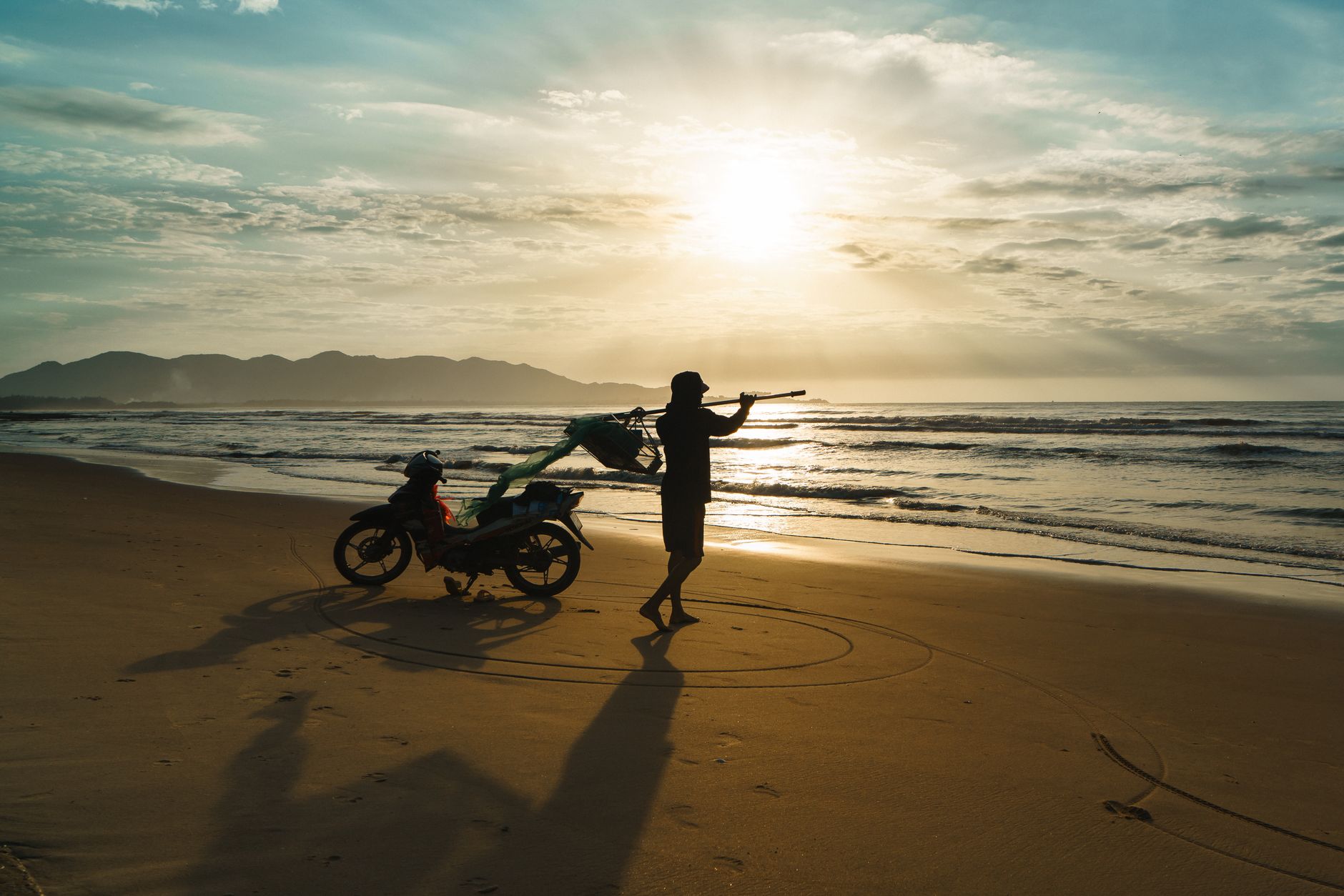
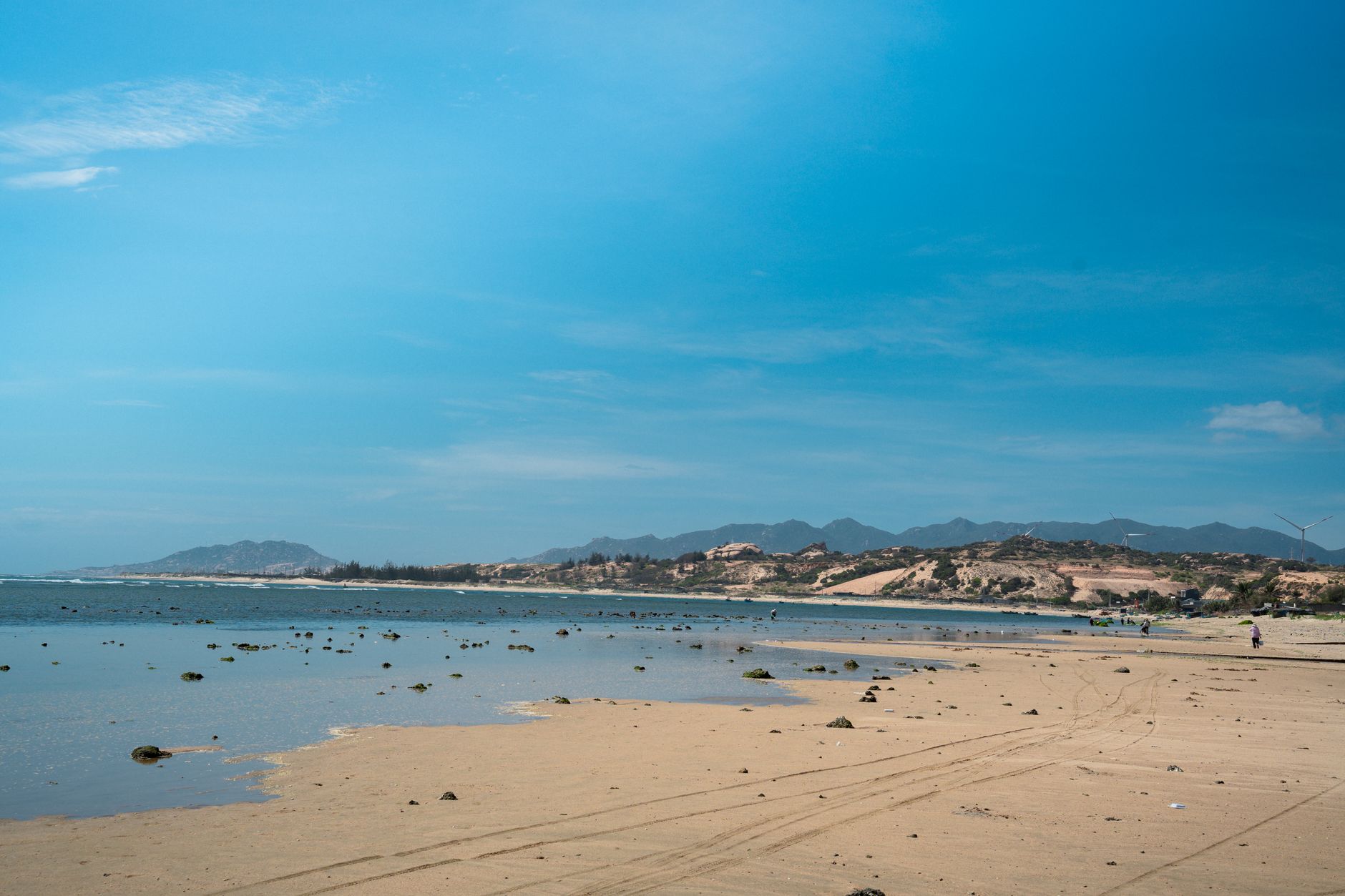
Cua Lo, 20 km east of Vinh, is a working fishing village and beach town. Unlike the go-go areas of Phu Quoc or Mui Ne, Cua Lo is unglamorous: a long sand beach, a few seafood restaurants, and local families swimming on weekends. Hotels are basic but adequate—expect 200,000–400,000 VND for a simple room with a sea view.
The real appeal is the seafood. Walk along the waterfront and pick any restaurant. Fresh grilled squid, crab, and shrimp cost half what you'd pay in Hanoi. A full meal for two—squid, fish, greens, rice, beer—runs 200,000–300,000 VND. No English menus; point and smile.
Cua Lo is a day trip from Vinh (40 minutes by taxi, ~100,000 VND) or a one-night stop if you want to slow down.

Photo by Quang Nguyen Vinh on Pexels
Pu Mat: Jungle and wildlife
Pu Mat National Park sits 80 km southwest of Vinh, near the Laos border. This is a real jungle: dense forest, few tourists, no paved roads once you leave the main entry point. The park protects endangered sun bears, langurs, and hornbills.
You'll need a motorbike guide to explore safely; arrange one through your hotel in Vinh or book ahead with Pu Mat's visitor centre. A full day (8 hours) on a motorbike with guide costs 400,000–600,000 VND. Trails are basic; the payoff is solitude and authentic forest without crowds.
Bring water, a hat, and insect repellent. There are no restaurants inside; eat before you go.
Ho Chi Minh's Birthplace: Kim Lien Village
Kim Lien, about 40 km from Vinh in Duc Tho District, is the hamlet where Ho Chi Minh was born (then called Nguyen Tat Thanh). The site has been developed as a small heritage museum and shrine, with his childhood home reconstructed and a large statue in the main square.
It's a pilgrimage spot for Vietnamese school groups and older visitors; Westerners are rare. The site is free to enter but modest—not a major architectural showpiece. Visit if you're interested in 20th-century Vietnamese history and have a half-day to spare. A motorbike taxi from Vinh runs about 50,000 VND each way.
A Lua–Thanh Chuong: Pottery and craft villages
Thank Chuong is a small pottery-making village (about 30 km from Vinh) where artisans still hand-throw earthen crockery and roof tiles using methods unchanged in centuries. It's quiet and underdeveloped as a tourist site, which is refreshing.
Walk the main road, chat with craftspeople, watch a firing if you're lucky, and buy a small pot (50,000–200,000 VND) directly. No fancy showroom; just real work. Plan 2–3 hours, then motorbike back to Vinh for lunch.

Photo by Quang Nguyen Vinh on Pexels
What to skip
Vi Xuan Beach (north of Vinh) and Khe Sanh are sometimes promoted in old guides, but they're either industrial or of niche historical interest only. Unless you have specific reasons, skip them.
Avoid travelling during high school exam seasons (May–June) when roads are chaotic; Tet (late January–early February) when everything shuts; and September–October when rain can wash out roads to remote areas.
Eating in Nghe An
Beyond Vinh and Dong Hoi, food is simple and regional. "Banh chung" (square sticky-rice cake with pork and beans) appears at Tet. Freshwater fish and shrimp are standard. Coffee is good—Vietnamese coffee served over ice—and costs 10,000–15,000 VND at a street stall.
Restaurants with English menus are rare. Point, smile, ask "Bao nhieu?" (how much?), and expect a plate of protein with rice or noodles for 30,000–60,000 VND.
Frequently Asked Questions
How far is Phong Nha from Vinh, and how do you get there?
Phong Nha is about 45 km south of Vinh — roughly 1 hour by bus or rental motorbike. The area is a UNESCO-listed karst landscape centred around Dong Hoi town on the Gianh River. Half-day boat trips from Dong Hoi covering Phong Nha Cave and Ke Bang Cave run 300,000–500,000 VND per person. Son Doong Cave, the world's largest by volume, requires a 3-day tour costing USD 3,000+ and must be booked in advance through Oxalis Adventure Tours.
What does a seafood meal cost at Cua Lo beach?
Cua Lo, 20 km east of Vinh, has waterfront restaurants where a full meal for two — grilled squid, fish, greens, rice, and beer — runs 200,000–300,000 VND. That is roughly half what the same meal costs in Hanoi. Restaurants have no English menus; pointing at what you want is the standard approach. A taxi from Vinh to Cua Lo takes about 40 minutes and costs around 100,000 VND.
When should a first-time visitor eat in Vinh rather than skip it?
Vinh rewards a single meal stop before moving on. Near Hang Dau Market, small spots serve hu tieu — a clear pork and shrimp broth — for 25,000–40,000 VND, and com tam (broken rice with grilled pork and egg) for 30,000 VND. The city has a strong noodle culture that reflects central Vietnamese cooking without tourist pricing. A night at the Ninh Hai Hotel near the riverfront costs around 300,000 VND if an overnight stop is needed.
Practical notes
Nghe An is well-connected by bus from Hanoi (8 hours, ~250,000 VND) and Da Nang (4 hours, ~150,000 VND). Vinh airport has limited flights; the bus is more practical. Renting a motorbike in Vinh (100,000–150,000 VND/day) opens up countryside. English is less common than in tourist hotspots; download a translation app and go with patience. Visit October–March for the best weather; April–September is hot and humid.
Last updated · May 26, 2026 · independently researched, never sponsored.