Nghe An isn't a tourist circuit mainstay like Hanoi or Hoi An, which means you're not fighting for elbowroom at major sites. But the province's tropical monsoon climate demands real planning—pick the wrong months and you'll be dodging downpours or shivering in an unexpectedly chilly drizzle.
Overall climate
Nghe An sits in central Vietnam where two monsoons collide. Southwest monsoon (May–September) brings heavy rain and heat; northeast monsoon (October–March) brings cooler, drier air but not reliably. The transition months (April, late September–early October) can be chaotic—sudden storms or muggy calm.
Temperatures stay warm year-round (15–35°C), but humidity is the real puzzle. July–August feels like a sauna. December–January can dip below 15°C in the highlands and feel cold if you're used to southern Vietnam.
September to November: shoulder-to-ideal
This is your sweet spot. September still catches the tail of monsoon rains, especially early in the month, but by mid-September skies clear. October and early November are nearly perfect—blue skies, cool dry air (20–28°C), manageable humidity. Rainfall averages 50–100 mm per month versus 300+ mm in summer.
Crowd levels stay light. You'll see domestic visitors during extended holidays (late October national day period), but Nghe An doesn't pull foreign tourists like the central coast does. Accommodation is easy to find, restaurants aren't rammed, and roads are passable.
If you visit mid-to-late October, you might catch lingering local festivals tied to the harvest or lunar calendar—ask locals about temple fairs and community events.
December to February: dry but cool
Winter in Nghe An is real. December and January see temperatures drop to 15–22°C, with chilly mornings and fog in upland areas. Rainfall is low (50–80 mm/month), and the air is crisp and clear.
For hikers exploring Pu Mat National Park or the limestone karst inland, December–January is solid: cool enough for effort, dry enough for trails. However, budget accommodations in rural areas have minimal heating, so pack layers.
February warms up slightly (18–25°C) and remains dry. This is still off-season for tourists, so prices stay low and the landscape feels less crowded than northern Vietnam in winter.

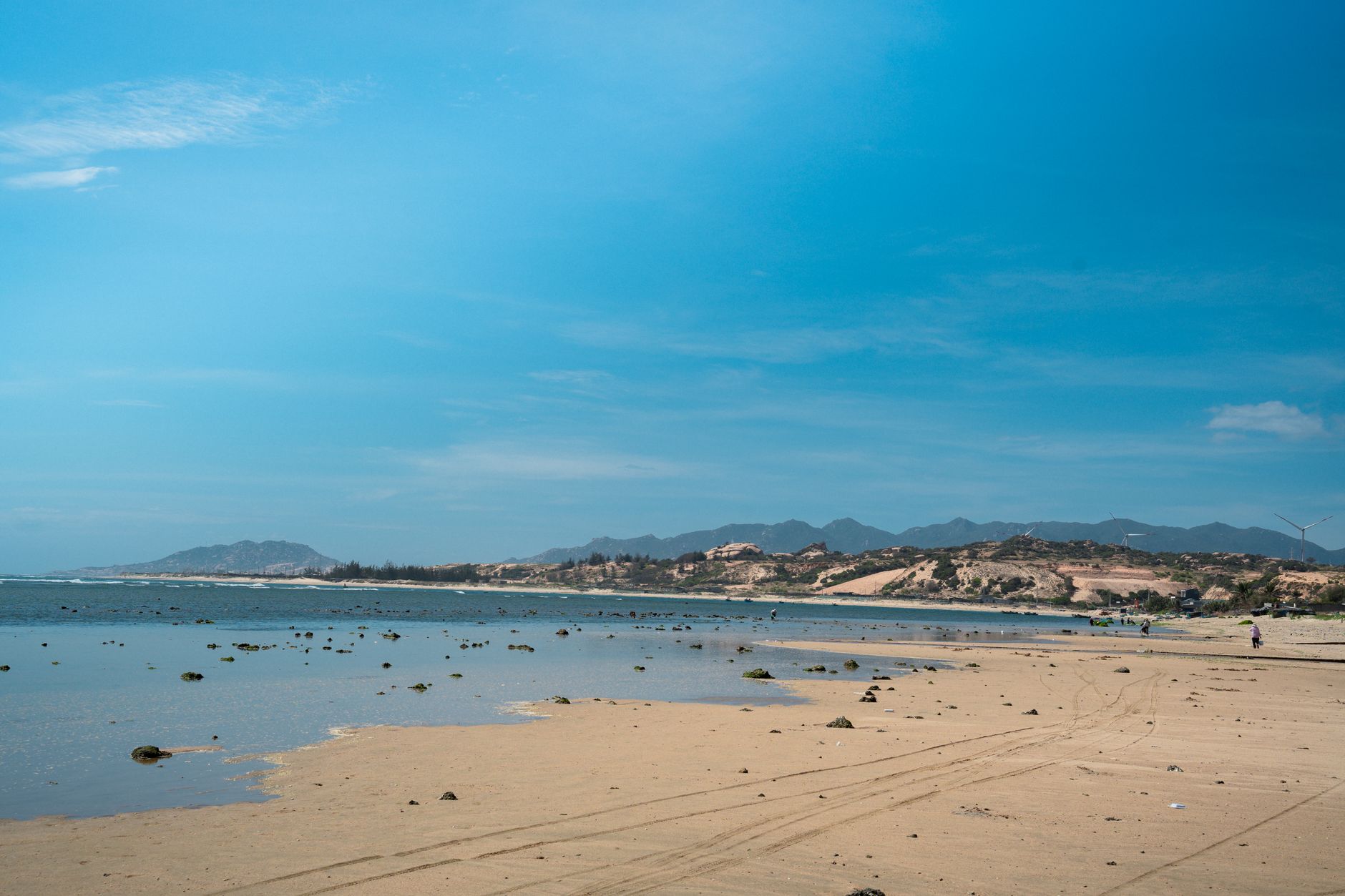
Photo by Quang Nguyen Vinh on Pexels
March to April: warming and unstable
Spring is inconsistent. March sees temperatures climb to 22–28°C, but rain creeps in (100–150 mm). April is the bridge—it can be warm and dry one day, soggy the next. Humidity rises sharply.
Avoid late April if you dislike heat and dampness. Early March is tolerable if you're flexible and willing to work around sudden weather shifts. This period is less appealing for trekking or exploration because trails can be muddy and visibility foggy.
May to August: monsoon and summer
Nghe An gets slammed with rain June–August, averaging 200–350 mm per month. July and August are the worst: hot (28–33°C), humid, and rain is frequent and heavy. Flooding is a real risk in low-lying areas around Vinh.
Roads are passable, but visibility is poor, and outdoor activities (hiking, coastal exploration) are compromised. If you're stuck visiting in summer, aim for May (slightly drier, 120–160 mm rain) or wait it out in towns with indoor attractions—museums, markets, cafés.
That said, summer green-season landscapes are lush and dramatic if you don't mind getting wet. Waterfall viewing is best after heavy rain. If you're into moody, atmospheric travel, monsoon Nghe An has a particular charm.
Festivals and events
Nghe An's festival calendar follows lunar dates, so check ahead. The most visible are:
Hung Kings Festival (8th lunar month, usually September–October): Celebrated across northern and central Vietnam, including Nghe An. Temple visits spike, roads get busier, and local communities organize processions.
Tet (lunar new year, late January–mid-February): Crowds increase slightly, and many small restaurants close for family time. Traveling during Tet itself is quieter than before—many people are home.
Local temple fairs and harvest celebrations happen year-round but peak in autumn and early winter. They're worth catching if you stumble on them, though not worth planning a trip around unless you're deeply interested in rural Vietnamese traditions.

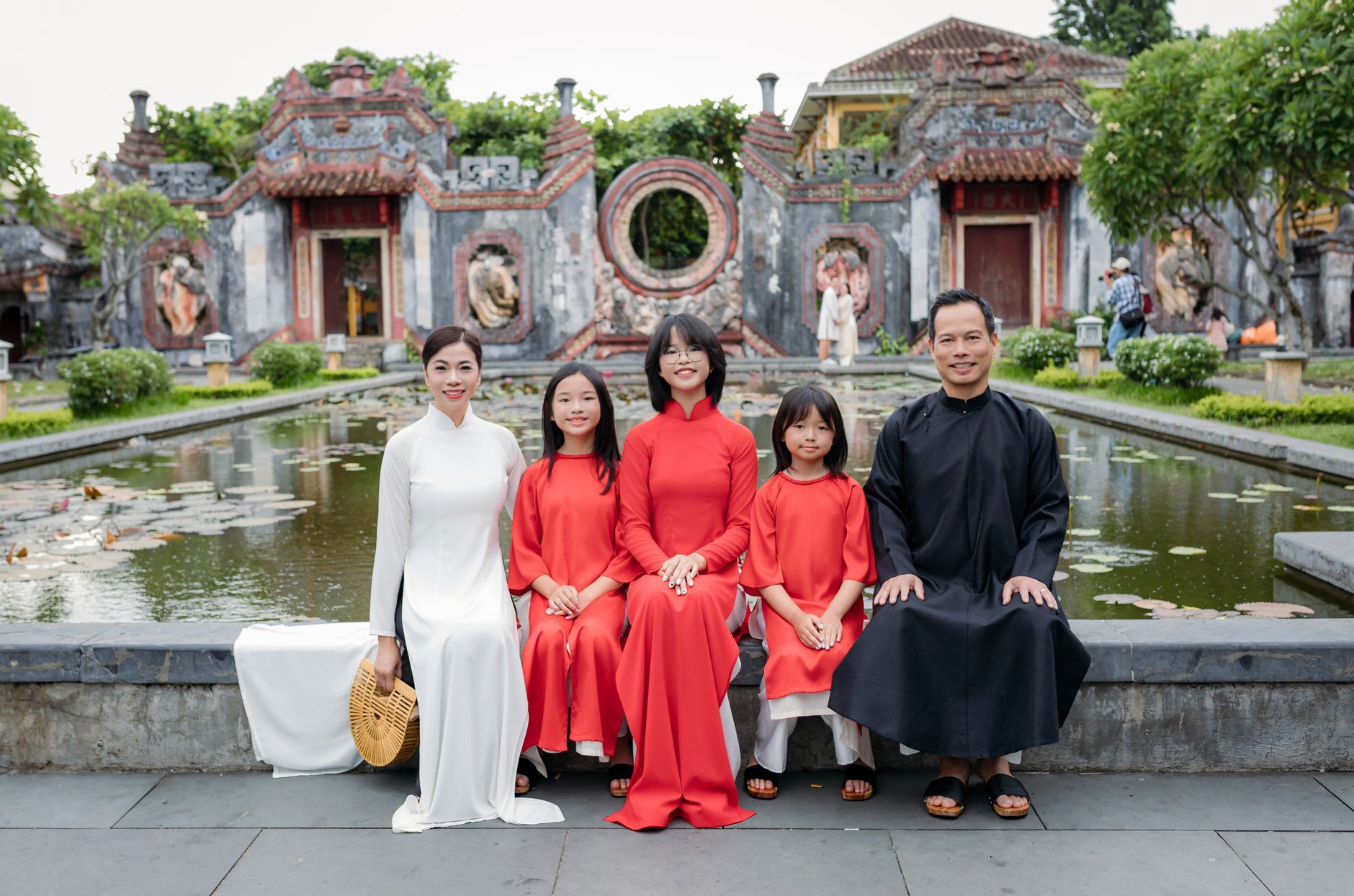
Photo by Vietnam Hidden Light on Pexels
Crowd levels by season
Nghe An is genuinely quiet compared to coastal neighbors like Hoi An or Da Nang. Even in peak season (October–November), you won't experience crowds. This is partly because the province lacks famous heritage sites—it's more about landscape, local culture, and off-the-beaten-path appeal.
Domestic tourists trickle in during national holidays (April 30, September 2–3, Tet) and long weekends. Backpacker traffic is minimal.
What to pack by season
September–November: Light clothes, a rain jacket (early September especially), comfortable walking shoes, sunscreen. Water shoes if you're exploring rivers or coastal areas.
December–February: Layers—a light fleece or long-sleeve shirt for cool mornings, a waterproof jacket for occasional drizzle. Jeans or trousers work. Hiking boots if you're trekking.
March–April: Breathable, loose clothes; rain jacket; good shoes for muddy trails if you venture off-road.
May–August: Quick-dry clothes, sturdy waterproof bag, rain jacket, sandals. Humidity is punishing, so cotton and linen are better than synthetics.
Frequently Asked Questions
When is the best time to visit Nghe An for good weather?
Mid-October to early November is the most reliable window. Skies are blue, temperatures sit at 20-28 degrees Celsius, and rainfall drops to 50-100 mm per month compared to 300+ mm in summer. October also avoids the tail-end monsoon rains that linger through early September. Crowd levels stay light, accommodation is easy to find, and roads are fully passable.
What is the weather like in Nghe An during December and January?
December and January are dry but genuinely cold by Vietnamese standards. Temperatures fall to 15-22 degrees Celsius, with chilly mornings and fog in upland areas. Rainfall is low at 50-80 mm per month. Hikers heading to Pu Mat National Park will find trails dry and cool enough for effort. Budget accommodations in rural areas have minimal heating, so packing layers is necessary.
Is summer a good time to visit Nghe An province?
Summer is the least practical time to visit. June through August brings 200-350 mm of rain per month, temperatures of 28-33 degrees Celsius, and high humidity. Flooding is a real risk in low-lying areas around Vinh, and outdoor activities like hiking and coastal exploration are compromised. If a summer visit is unavoidable, May is slightly drier at 120-160 mm of rain and is more manageable than July or August.
Practical notes
Book accommodation and transport at least 2–3 weeks ahead in October–November if you're visiting popular spots like Pu Mat or Cua Lo beach. For other times, walk-ins are usually fine. If weather is a dealbreaker for your activity—say, you're climbing—October–November or February are non-negotiable. Otherwise, Nghe An's quietness makes it forgiving year-round if you're flexible.
Last updated · May 26, 2026 · independently researched, never sponsored.