What It Is
Rach Gam - Xoai Mut is a national historical site marking the location of a major 18th-century naval battle on the Tien River. In January 1785, Nguyen Hue — the Tay Son military leader later known as Emperor Quang Trung — defeated a large Siamese fleet along the stretch of river between the Rach Gam and Xoai Mut estuaries. The victory effectively ended Siamese military intervention in southern Vietnam and consolidated Tay Son control over the Mekong Delta (메콩 델타 / 湄公河三角洲 / メコンデルタ).
The memorial complex sits on the north bank of the Tien River, roughly 10 km east of My Tho city center. The area was historically part of Tien Giang province; following a recent provincial administrative merger, it now falls under Dong Thap. If you see older maps or guidebooks referencing Tien Giang, that's why.
The site itself covers a modest grounds with a main monument, a small museum, riverside walkways, and reconstructed displays. It's not a massive complex — plan for one to two hours, not a full day.
Why Travelers Go
Most visitors to the Mekong Delta stick to floating markets and coconut candy workshops. Rach Gam - Xoai Mut draws a different crowd: history-minded travelers, Vietnamese domestic tourists on school trips, and anyone who wants to understand the Delta beyond its postcard version.
The museum contextualizes the Tay Son dynasty period in a way that's hard to find elsewhere in the south. The riverside setting is genuinely peaceful — the Tien River is wide here, and you get unobstructed views of the waterway where wooden warships once clashed. It's a good counterpoint to the busier tourist circuits around My Tho and Ben Tre.
Best Time to Visit
The Mekong Delta has two seasons: wet (May to November) and dry (December to April). Visit during the dry months if you can. The grounds are largely open-air, and wet season downpours can cut a visit short. January is ideal — the weather is relatively cool by southern standards (28-31°C), skies are clear, and the anniversary of the battle falls on the 19th and 20th day of the 12th lunar month, which usually lands in January or early February. Local authorities sometimes organize commemorative events around that date, which adds atmosphere.
Weekday mornings are quietest. Weekend afternoons bring school groups and domestic tour buses.
How to Get There
The nearest major hub is My Tho, capital of the old Tien Giang province and about 70 km southwest of Saigon.
From Saigon to My Tho
Buses depart from Mien Tay Bus Station (Binh Chanh district) every 30 minutes or so. The ride takes about 90 minutes and costs 60,000-80,000 VND. Phuong Trang (FUTA) and Thanh Buoi are reliable operators. If you're riding a motorbike, take the HCMC-Trung Luong Expressway — it's roughly a 1.5-hour ride.
From My Tho to the Site
The memorial is about 10 km east of central My Tho, near Kim Son commune along the river road. A Grab bike from My Tho runs around 30,000-40,000 VND one way. If you've rented a motorbike, follow Quoc Lo 1A east and watch for the signposted turnoff — brown heritage signs point the way. There's free parking at the site.
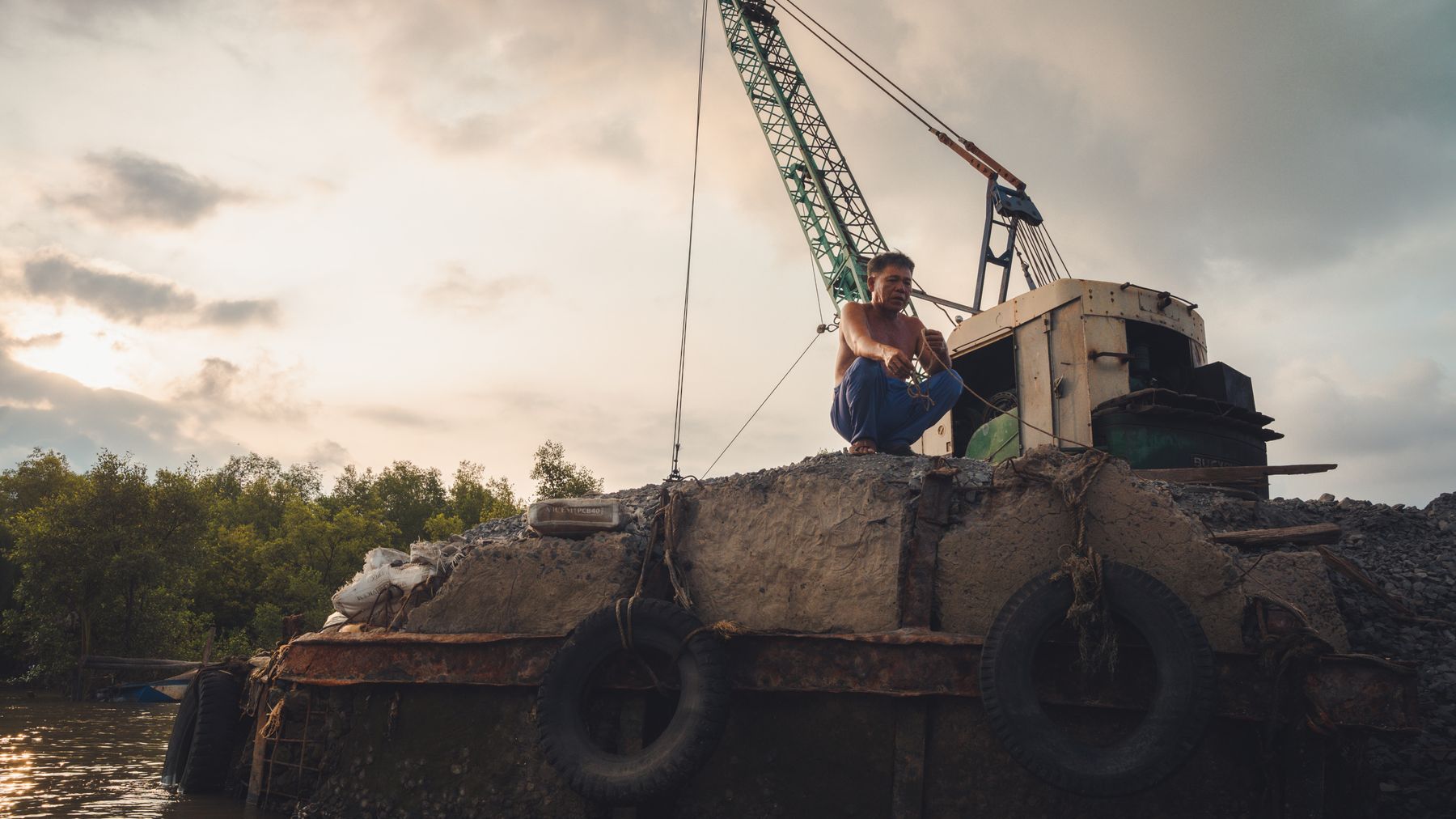
Photo by Long Bà Mùi on Pexels
What to Do
Walk the Monument Grounds
The central monument is a tall concrete stele flanked by relief panels depicting the 1785 battle. The scale gives you a sense of how seriously this event figures in Vietnamese historical memory. The surrounding gardens are well-kept and quiet — a decent spot to sit and read up on the Tay Son period if you've brought a book or downloaded a podcast.
Visit the Museum
The on-site museum is small but informative. Displays include replica weapons, maps of the battle formations on the river, dioramas of the Tay Son fleet, and historical context panels. Most signage is in Vietnamese with limited English — having Google Translate's camera mode ready helps. Admission is free or nominally priced (around 10,000-20,000 VND when charged).
Walk Along the Tien River Bank
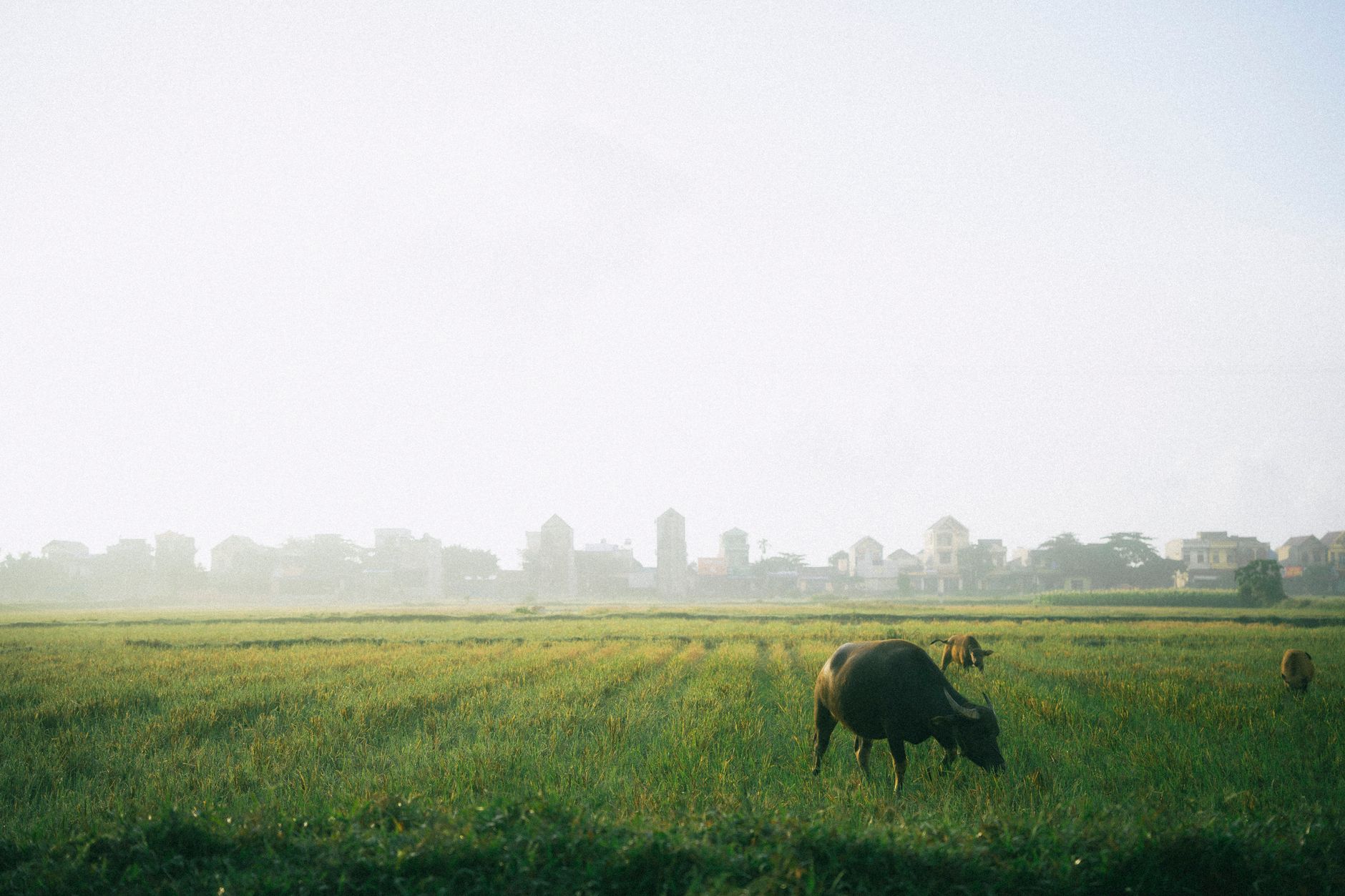
A path runs along the riverfront behind the monument. The Tien River — one of the two main branches of the Mekong — is broad and slow here. You'll see cargo barges, fishing boats, and the green line of fruit orchards on the opposite bank. It's an honest look at working river life without the tour-boat treatment.
Combine with a My Tho Day Trip
Most travelers pair Rach Gam - Xoai Mut with a half-day in My Tho. The town is a solid base for Mekong boat trips, and the local food scene punches above its weight. If you have more time, the Can Tho floating markets are a few hours further into the Delta.
Where to Eat Nearby
My Tho's signature dish is "hu tieu" My Tho — a pork-and-prawn rice noodle soup with a clear, slightly sweet broth. It's different from the Saigon version: thinner noodles, more restrained seasoning, served with a side plate of bean sprouts and herbs. Hu Tieu 44 on Trung Trac Street and Hu Tieu Chay 24 are local standbys. A bowl runs 35,000-50,000 VND.
If you're hungry for something heavier, look for "banh mi" carts near My Tho's central market — the fillings lean toward the pork-and-pate Saigon (사이공 / 西贡 / サイゴン) style, and they cost 15,000-25,000 VND.
For a proper sit-down meal, riverside restaurants along Lac Long Quan Street serve grilled river fish and hot pots with Mekong-caught catfish and snakehead. Expect 150,000-250,000 VND per person for a full spread with drinks.
Where to Stay
Most travelers base themselves in My Tho. Budget guesthouses near the market area start around 200,000-350,000 VND per night for a clean room with air conditioning and Wi-Fi. Mid-range options like Chuong Duong Hotel or Song Tien Annex run 500,000-800,000 VND and sit close to the riverfront. There's nothing upscale in the immediate area — if you want a nicer hotel, Saigon is only 90 minutes back by bus.
Alternatively, you can day-trip from Saigon. Leave early, hit the site by mid-morning, eat hu tieu for lunch in My Tho, and be back in the city by late afternoon.

Photo by Hugo Heimendinger on Pexels
Practical Tips
- Bring water and sun protection. The grounds are mostly open with limited shade. Southern Vietnam's midday sun is no joke, even in the "cool" season.
- Vietnamese language helps here. This isn't a heavily touristed site. Museum staff and nearby food vendors rarely speak English. A few basic phrases or a translation app goes a long way.
- Check opening hours before you go. The site generally opens from 7:00 to 17:00, but hours can shift around holidays or maintenance closures. Calling ahead or asking your hotel to confirm saves a wasted trip.
- Cash only. There are no card terminals at the site or at most nearby eateries. ATMs are available in central My Tho.
Common Mistakes to Avoid
Don't arrive expecting a large-scale attraction — this is a historical monument and small museum, not a theme park. Travelers who set expectations accordingly enjoy it most. Don't skip the museum and just photograph the monument; the context inside makes the visit worthwhile. And don't leave My Tho without eating hu tieu — it's the town's whole culinary identity, and the versions here are better than what you'll find repackaged in Saigon.
Practical Notes
Rach Gam - Xoai Mut rewards travelers who care about the layers beneath the Delta's tourist surface. Pair it with a morning on the river in My Tho, eat well, and you've got a solid day trip from Saigon that most visitors never think to make.
Last updated · May 29, 2026 · independently researched, never sponsored.