Son Doong is not a tourist attraction you add to a Vietnam (베트남 / 越南 / ベトナム) itinerary on a whim. It is a four-day jungle-and-cave expedition run by a single licensed operator, and the booking window closes months before you ever set foot in Phong Nha.
Why Only One Operator Runs This Tour
Oxalis Adventure Tours holds the exclusive concession granted by the Quang Binh provincial government and the management board of Phong Nha (퐁냐 / 峰牙 / フォンニャ)-Ke Bang National Park. The arrangement exists to cap visitor numbers at roughly 1,000 people per year — a hard limit set to protect cave formations that took millions of years to develop. No other operator, local guide, or freelance trekking company can legally take paying guests into Son Doong. Anyone offering cheaper access through back channels is not offering Son Doong; they are either lying or taking you somewhere else.
The permit system is strict and the rationale is straightforward: the cave contains living ecosystems, ancient stalagmites up to 70 metres tall, and a subterranean jungle growing beneath two "dolines" — collapsed ceiling sections that let in shafts of light. Foot traffic is already a risk at current volumes.
What the Expedition Costs and What It Covers
The published price for the Son Doong expedition runs approximately 3,000 USD per person for a group tour (prices are periodically revised; check the Oxalis website for the current season rate). Private expeditions cost considerably more.
For that price, the package includes:
- All meals and water from day one departure from Phong Nha town to day four return
- Porters — typically 20-plus porters carry camp equipment, food, and safety gear
- Experienced guides and safety team, including a dedicated rope team for the "Great Wall of Vietnam", a 90-metre calcite wall inside the cave that requires fixed ropes and harnesses
- Two nights camping inside the cave and one night at a jungle camp outside
- Caving and trekking equipment including harnesses, helmets, and headlamps
- National park fees and permits
- Transfer to and from Phong Nha
What it does not include: international or domestic flights to Dong Hoi (the nearest airport, about 50 km from Phong Nha), travel insurance, or accommodation in Phong Nha before and after the trip. Travel insurance with adventure sports coverage is not optional — Oxalis requires it and will check documentation before departure.
The 4-Day Itinerary
Day 1 — Jungle Trek to Camp 1
The group departs Phong Nha early and drives to the park entrance. From there it is a 10 km trek through dense jungle to the first camp, pitched outside the cave entrance. Expect six to seven hours of walking on uneven terrain, river crossings, and significant humidity. This day filters out anyone who has over-estimated their fitness.
Day 2 — Enter Son Doong
The actual cave entrance drops steeply. The first hours inside reveal the scale — the main passage is up to 200 metres wide and 150 metres high in places. The group reaches the first doline, where the jungle growing on the cave floor gets natural light. Camp 2 is set up near the "Watch Out for Dinosaurs" formation, a cluster of massive stalagmites that earned the nickname partly because the scale warps your sense of proportion.
Day 3 — The Great Wall and Beyond
This is the hardest day. The Great Wall of Vietnam is a near-vertical calcite barrier that blocks further passage into the cave. The rope team has fixed lines; guests ascend with harnesses. On the far side is the second doline and some of the most dramatic cave scenery on earth — a beam of light dropping through the ceiling onto a green jungle floor inside a cave. The group descends and camps again underground.
Day 4 — Exit and Return
The return trek covers roughly 11 km back through the jungle to the vehicles. Most groups reach Phong Nha by late afternoon.

Photo by Trinh Tuoi on Pexels
Fitness Requirements
Oxalis states that participants should be able to trek 10-plus km per day on uneven terrain, swim in fast-moving water (river crossings are unavoidable), and climb ropes using a harness. No technical climbing experience is required, but cardiovascular fitness matters more than gym strength. The minimum age is 16; there is no maximum age limit, but Oxalis reserves the right to deny participation if a guest's health creates risk for the group.
Booking Window
The expedition season runs roughly February through August, avoiding the rainy months when flash floods make the cave dangerous. Tours for peak months — April, May, June — sell out a year or more in advance. If you are planning a trip around Son Doong, book first and plan the rest of your Vietnam itinerary around the confirmed date, not the other way around.

Photo by Quang Nguyen Vinh on Pexels
Cheaper Alternatives in the Same Park
If Son Doong is out of reach on budget or timeline, Oxalis runs several other expeditions through Phong Nha-Ke Bang that are genuinely impressive in their own right.
Tu Lan Cave System (2-4 day options, roughly 250-600 USD) involves swimming through cave passages and camping underground. The landscape is dramatic and far less crowded than Son Doong's waitlist suggests.
Hang Va is a newer route that involves river swimming and features rare cave coral formations. Prices sit between Tu Lan and Son Doong depending on group size and tour length.
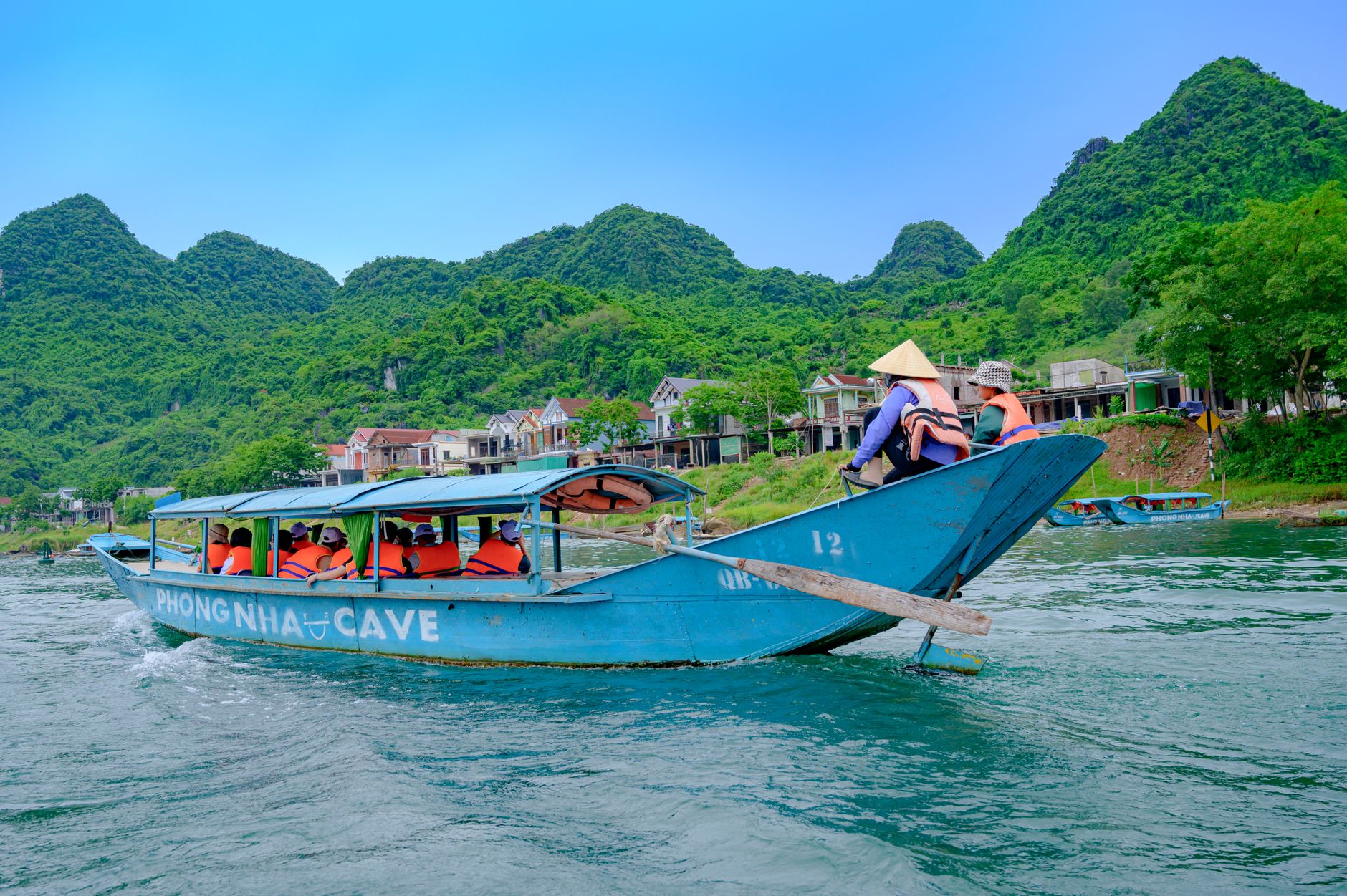
Phong Nha Cave and Paradise Cave are accessible day trips from Phong Nha town for travellers without multiday availability or budget — neither compares to Son Doong in scale, but Paradise Cave at 31 km is one of the longest dry caves in Asia and genuinely worth the half-day.
Practical Notes
Flights to Dong Hoi run from both Hanoi and Saigon; the journey from Dong Hoi to Phong Nha takes about an hour by car or motorbike taxi. Phong Nha has a small but functional strip of guesthouses and restaurants along the Son river — budget a night on either end of your expedition. Book Oxalis directly at their official site; third-party resellers exist but add margin without adding value.
Last updated · May 26, 2026 · independently researched, never sponsored.