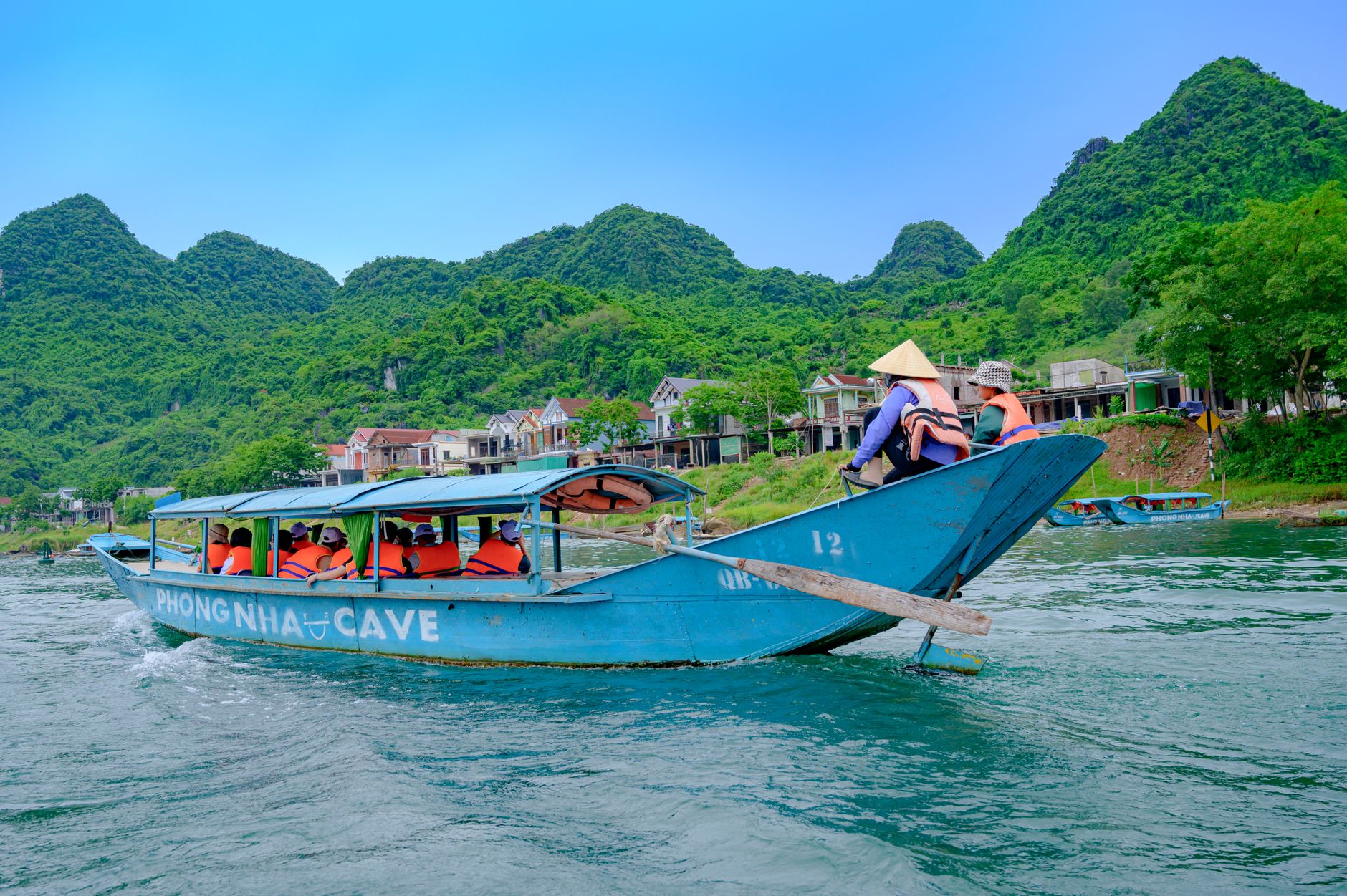
Son Doong Cave in Quang Binh is technically the largest cave on Earth by volume. To visit it, you book a single operator: Oxalis Adventures. There's no negotiating, no drop-in visits, no backdoor deals. This is by design—and worth understanding before you commit $3,000 and four days to walk inside a mountain.
Why only Oxalis?
In the late 1990s, a local farmer named Ho Khanh discovered Son Doong while hunting. He kept quiet for years. When word leaked in 2009, the Vietnamese government restricted access to protect the cave ecosystem. In 2013, Oxalis won the exclusive concession to manage tourism here. That monopoly still stands. The cave is in Phong Nha-Ke Bang National Park (Quang Binh), and the permit system is tight: only 300 visitors per year are allowed. Oxalis runs two groups of about 10 people every week in the dry season (October to April).
This isn't just bureaucratic gatekeeping. The restrictions are real: the cave's internal ecosystem—underground lakes, a forest inside the cave, rare fauna—requires strict visitor management. Too many feet, and the ecology collapses.
The 4-day itinerary
Day 1: Hanoi to Phong Nha and trek to base camp
You fly from Hanoi to Dong Hoi (around 180 km south), arriving late morning. Oxalis picks you up and drives 45 minutes to the town of Phong Nha (퐁냐 / 峰牙 / フォンニャ). After lunch and a gear briefing, you hike 8 km through jungle to Paradise Cave ("Hang Tien"), then 4 km onward to Camp Oxalis—your base for the night. Total walking: 12 km, mostly downhill. Expect mud, steep drops, river crossings. You're testing your fitness here. Sleep in a basic but clean camp shelter. Dinner is rice, vegetables, and pork.
Day 2: Enter Son Doong
Early wake-up (5 a.m.). You walk 5 km and arrive at Son Doong's entrance—a sinkhole in the jungle floor. You rappel down 60 meters on a fixed rope. The moment your feet hit the cave floor, your eyes adjust to cathedral-sized voids. The cave is so massive that it has its own river, a jungle canopy inside, and wildlife (blind cave fish, spiders, bats). You'll wade through water, scramble over boulders, and camp on a sandy beach inside the cave. Distance: 6 km. This day is slow, overwhelming, spectacular. Dinner cooked on gas stoves inside the mountain.
Day 3: The full cave traverse
You cross the underground river (waist-deep in places), climb the "Watch Tower"—a limestone tower you ascend to see the cave's scale—and navigate the cave's lower passages. You'll swim through "Hand of Dog Lake," a freshwater pool named for a rock formation above it. This day is technically the hardest: ropes, climbing, swimming. About 8 km of movement. Camp inside the cave again. Guides cook; you help gather water from the river.
Day 4: Exit and return to Phong Nha
You climb back out of Son Doong via the same rope system, hike out to base camp, and then trek 12 km back to the van. You'll be exhausted. The drive back to Dong Hoi takes 1.5 hours. Fly back to Hanoi (하노이 / 河内 / ハノイ) same day (or stay overnight in Phong Nha). Most people choose to stay and recover.
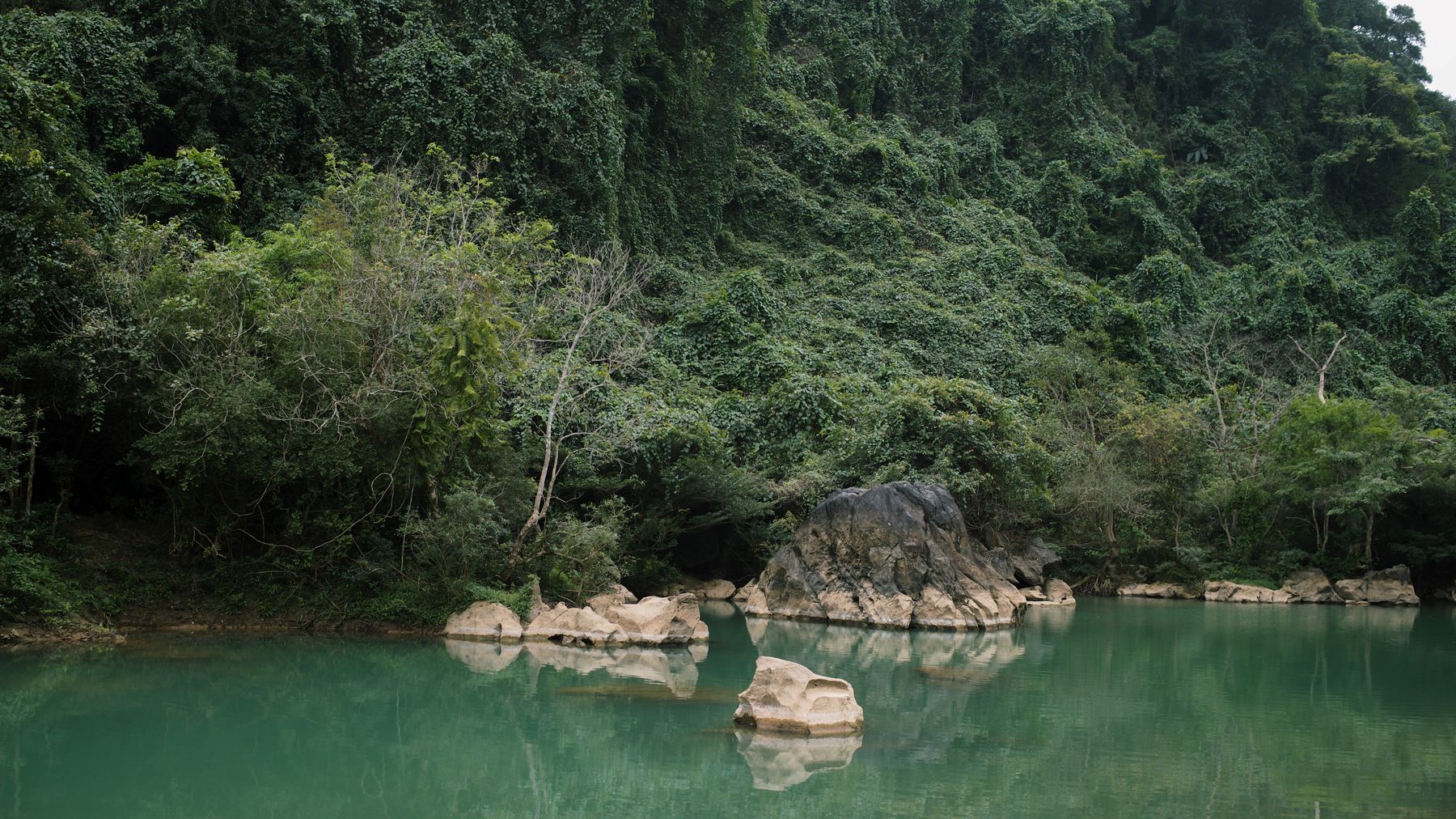
Photo by Lucas Tran on Pexels
Who should actually go?
Oxalis markets this as a bucket-list expedition for anyone reasonably fit. The reality is narrower:
You should go if: You're comfortable hiking 10+ km per day on steep, muddy terrain. You can swim or at least be comfortable in water. You don't mind sleeping on a camp bed and using a squat toilet. You have the vacation time (it's 4 days plus 1–2 days for flights from Hanoi).
You should skip if: You have knee, hip, or back pain. You're afraid of heights or confined spaces (the rappel and narrow passages are real). You're uncomfortable in nature without a shower and proper bed. You don't swim.
The fitness bar is higher than it sounds. This isn't a guided cave walk with guardrails. You're moving through an unmodified cave system with ropes and natural obstacles.
The full cost breakdown
Tour operator (Oxalis): $3,000 USD per person for the 4-day tour. This covers:
- Accommodation (base camp and inside cave)
- All meals
- Guides (1 guide per 6 people, minimum)
- Ropes, harnesses, climbing gear
- Transportation from Phong Nha town to trailhead
What it does NOT include:
- Flights to/from Hanoi–Dong Hoi: $40–$120 return
- Transfer from Dong Hoi airport to Phong Nha town: $20–$30 (you can negotiate taxis or ask Oxalis to arrange)
- Optional gear rental (headlamp, wet suit): $20–$50
- Extra night in Phong Nha if you're too sore to fly: $20–$40 for a guesthouse
Total all-in cost from Hanoi: around $3,200–$3,300.
Booking window: Groups fill 3–6 months in advance during peak season (November–February). If you want to go in December or January, book by August. Shoulder season (October, March–April) has more availability. The wet season (May–September) is technically open, but trails are slippery and cave passages flood. Not recommended.

Photo by Quang Nguyen Vinh on Pexels
Cheaper cave alternatives in the region
If $3,000 is too steep or your fitness is questionable, Quang Binh has other impressive caves:
Hang Va (Awesome Cave): A 2–3 day trip through a dry cave system with fewer restrictions. Cost: $300–$400 with local guides. Less famous than Son Doong, less crowded, still genuinely huge. No permits required; you arrange guides in Phong Nha directly.
Tu Lan River Cave System: A 3-day trip involving canyoning, river trekking, and cave camping. Cost: $350–$500. Operated by several tour companies in Phong Nha. Physically demanding but shorter than Son Doong and slightly cheaper.
Thien Duong (Paradise Cave): You visit this on Day 1 anyway. If you want a show cave without the camping, you can do a 1-day hike-and-cave trip for $50–$100. It's not as raw, but it's still massive.
Hang Va is the real alternative: it has no government permit monopoly, so competition among guides keeps prices low. It's genuinely dramatic and less touristy because fewer people know about it.
Practical notes
Book Oxalis directly (oxalis.com.vn) or through a Hanoi travel agent; both charge the same rate. Bring a waterproof bag for your camera and phone—water is constant. The guides are excellent and bilingual (English and Vietnamese). Expect to be sore for 2–3 days after. If you cancel within 14 days of your tour date, you forfeit 50% of the fee.
Last updated · May 26, 2026 · independently researched, never sponsored.