Quang Binh sits on Vietnam's central coast, where monsoon patterns swing hard between seasons. You'll want to pick your timing carefully — the difference between dry, warm, and flooded or dangerously windy is often just a few weeks.
October to December: Dry season and your safest bet
This is when Quang Binh shines. Rain backs off by early November, temperatures cool to the mid-20s°C (still warm), and seas calm down. Most travelers and tour groups concentrate here, especially November and December when the weather holds steady and school holidays kick in.
October bridges the tail of the rainy season and the dry. You'll get occasional showers, but nothing like September's downpours. By late October, skies clear. Humidity remains high — expect 75–80% — but it's bearable compared to the wet season.
December is peak season. Beaches are crowded, boat tours fill up, and guesthouses jack prices 15–25%. If you're visiting caves like Son Doong or Phong Nha, book weeks ahead. Crowds swell especially around Christmas and New Year's, when backpacker tours from Hanoi and Saigon roll through. Prices for accommodation spike; a basic double room jumps from 250,000 VND to 400,000+ VND per night.
Weather: 20–25°C, clear skies, 5–7 dry days per week. This is optimal for cave tours, beach days, and jungle treks.
January to March: Cool and crowded
January and February stay dry and pleasant. Temperatures drop slightly — expect 18–22°C, especially in the mornings. It's the coolest season, which draws hikers to Phong Nha-Ke Bang National Park. Crowds remain high through Tet (lunar new year) in late January or early February, when domestic tourism spikes.
After Tet, the rush eases. Late February and March offer a sweet spot: fewer crowds than December–January, still dry, and cool enough for trekking without heat exhaustion. March warms up toward 25°C, and you'll see occasional rain by the last week.
Accommodation prices settle back to mid-season rates (280,000–350,000 VND for budget doubles). Restaurants and boat tours operate normally without the December crush.
Weather: 18–25°C, dry, 6–7 clear days per week.
April to May: Warming up, rain creeping in
April marks the shift. Humidity climbs, temperatures push 28–30°C, and rain becomes more frequent but not yet torrential. You'll see 3–4 rainy days per week, mostly afternoon showers that pass in an hour. The landscape greens up, and cave air feels fresher.
Crowds drop noticeably. Families with school kids are gone, and Southeast Asian tourists shift focus to beach destinations further south. Budget accommodation dips to 200,000–280,000 VND. You can book cave tours the day before instead of weeks ahead.
May is the last reasonable month before the monsoon hits hard. By late May, rain intensifies, and some outdoor activities scale back. Phong Nha cave tours still run, but jungle hikes become slippery and less pleasant.
Weather: 28–32°C, humid, 3–4 rainy days per week. Fine for cave tours and beaches, less ideal for multi-day treks.

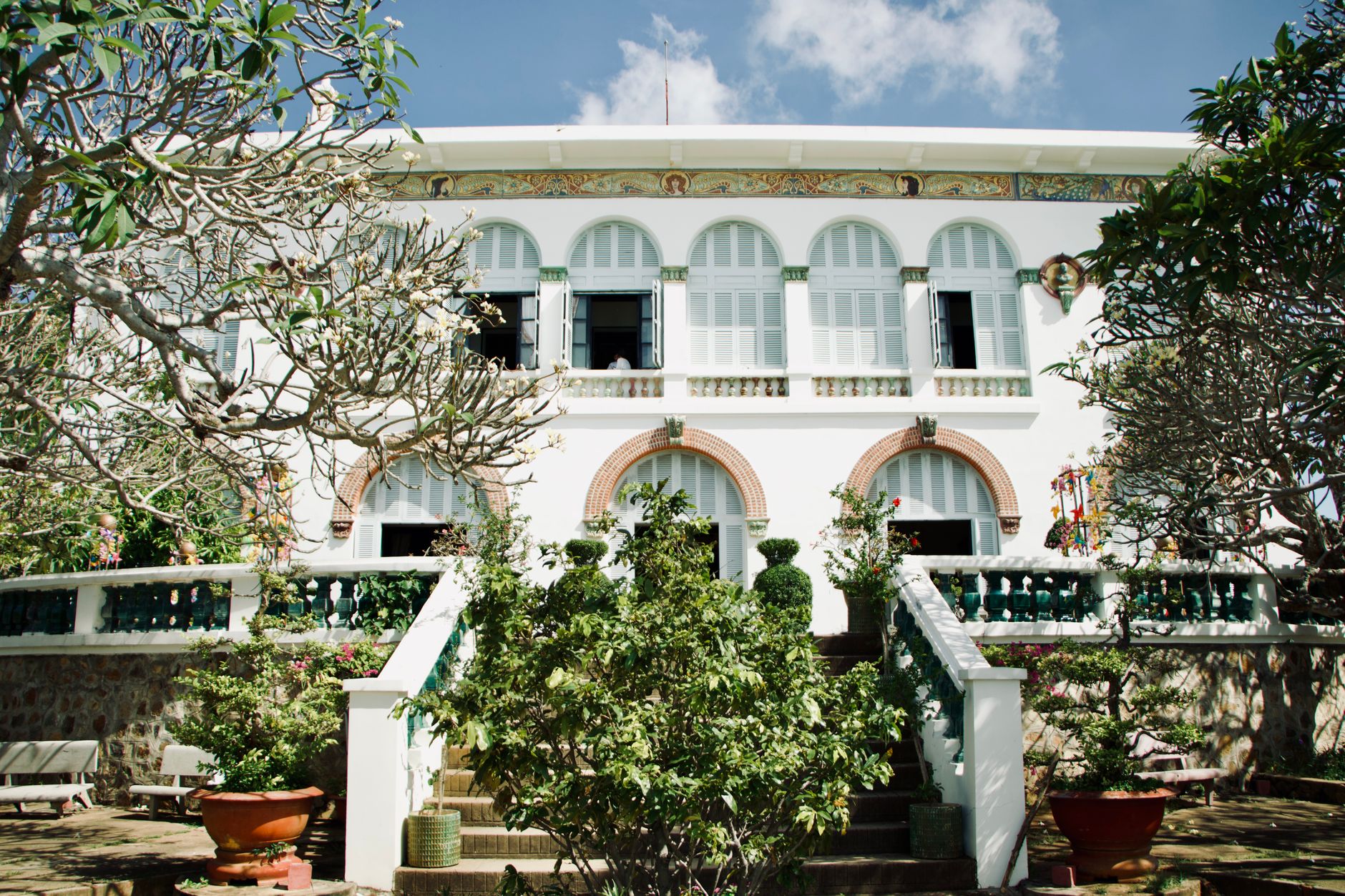
Photo by Trinh Tuoi on Pexels
June to September: Wet season and lowest tourism
This is the monsoon. Expect rain almost daily, heavy downpours in August–September, and high humidity (85%+). Temperatures hover around 28–30°C but feel hotter because of moisture. Cave tours still operate — caves don't care about rain — but beach days are grim. Flash flooding can close roads temporarily. Some guesthouses and restaurants close for maintenance during this period.
Tourism dries up. You'll find empty beaches, quiet streets in Dong Hoi town, and rock-bottom prices (150,000–220,000 VND for a double room). If you don't mind rain and want solitude, this works. Cave tours run with 2–3 people instead of 15.
September is the worst month for weather. Typhoons can graze the coast, bringing violent wind and rain. The sea is choppy and dangerous for boats. Phong Nha town empties out. Unless you're a storm chaser, skip September.
Weather: 28–30°C, 6–7 rainy days per week, 85%+ humidity. Flash flooding possible; typhoons August–September.
Festivals and special dates
Tet (lunar new year), late January or early February, fills the province with domestic tourists. Prices spike, and restaurants get crowded for family meals. If you want local atmosphere, stay; if you want deals and quiet, avoid.
Quang Binh has no major tourist-facing festivals like some other provinces. The province is quieter on the festival calendar than Hue or Phu Quoc.

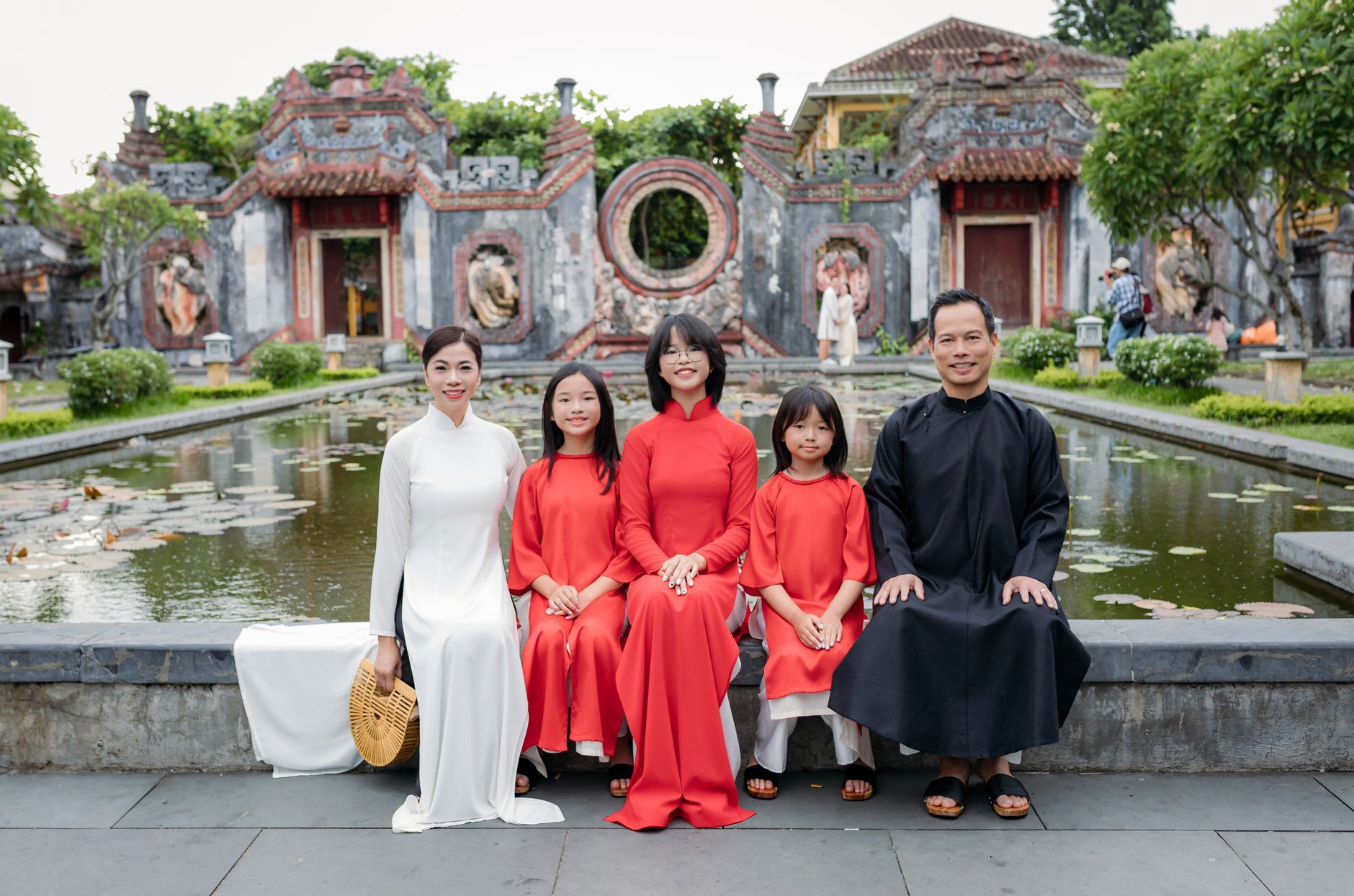
Photo by Pew Nguyen on Pexels
Month-by-month summary
Best for most travelers: November–December. Weather is perfect, caves are accessible, but crowds and prices are high.
Best for budget travelers: April–May or February–March. Decent weather, fewer crowds, lower prices.
Best for solitude: June–August. Rain and humidity, but you'll have caves and beaches nearly to yourself. Accept wet conditions.
Avoid: September. Peak monsoon and typhoon risk.
Frequently Asked Questions
When is the best time to visit Quang Binh for good weather?
November and December offer the most reliable conditions: temperatures of 20-25°C, clear skies, and 5-7 dry days per week. January through March also stays dry, with cooler mornings around 18-22°C. Late February and early March are a practical sweet spot — dry weather, fewer crowds than peak December, and budget double rooms running 280,000-350,000 VND instead of the 400,000+ VND peak-season rates.
How much does accommodation cost during Quang Binh's peak season?
During December peak season, a basic double room jumps from around 250,000 VND to 400,000+ VND per night, a rise of 15-25%. Prices ease to 280,000-350,000 VND in the January-March mid-season. April and May see the lowest dry-season rates at 200,000-280,000 VND, while the June-September wet season drops prices further to 150,000-220,000 VND as tourism falls sharply.
How far in advance should you book Son Doong cave tours?
During December and the Christmas-New Year period, cave tours including Son Doong and Phong Nha fill weeks ahead, especially as backpacker groups arrive from Hanoi and Ho Chi Minh City. By contrast, visiting in April or May means you can typically book the day before. If flexibility matters, plan a trip in the shoulder months rather than peak December when tour slots and guesthouses are both under pressure.
Practical notes
Book accommodation and cave tours at least 2–3 weeks ahead during November–December. From January onward, you can often book caves a few days out. If you're flexible with dates, shift your trip to April–May to sidestep both the December crush and the worst of the rainy season. Cave water levels do rise in the wet season, but commercial tours (Son Doong, Tu Lan) adjust routes and still operate safely. Bring waterproof gear year-round: even the "dry" season includes occasional showers.
Last updated · Jun 11, 2026 · independently researched, never sponsored.