Ao Tien — literally "Fairy Pond" — is one of those places that rarely appears on mainstream itineraries but keeps showing up in Vietnamese travel forums. Sitting in the mountainous territory that was formerly part of Bac Kan province before the administrative merge with Thai Nguyen, it's a natural limestone lake surrounded by forested karst peaks, roughly 170 km north of Hanoi. If you've done Ha Long Bay and Ninh Binh (닌빈 / 宁平 / ニンビン) and want karst scenery without the tour bus crowds, this is worth knowing about.
What Ao Tien actually is
Ao Tien is a freshwater lake formed in a depression between limestone mountains. The water is a deep blue-green, fed by underground springs, and stays remarkably clear year-round. The surrounding area is home to Tay and Dao ethnic communities who've farmed these valleys for generations. There's no grand temple complex or UNESCO designation here — it's a natural site, and its appeal is straightforward: clean water, quiet forests, and a landscape that feels genuinely remote even though it's reachable in a day from Hanoi (하노이 / 河内 / ハノイ).
The name comes from local Tay folklore about fairies bathing in the pond. You'll hear a few versions of the story depending on who you ask. None of them matter much for planning your trip, but they explain the name on the signs.
Why travelers go
People come here for three reasons. First, the swimming. The lake water is cool and clean, and on a hot day between April and September, it's one of the better natural swimming spots in the northern mountains. Second, the scenery. The karst formations around Ao Tien are smaller-scale than Ha Long Bay or Tam Coc, but they're right there at the water's edge with almost nobody around. Third, the drive. The road from Thai Nguyen city passes through tea plantations and minority villages — it's a good motorcycle route in its own right.
Best time to visit
The sweet spot is April through June and September through October. July and August bring heavier rain, which can make the dirt roads leading to the lake slippery and raise the water level unpredictably. The lake is swimmable from April onward when temperatures climb above 28°C. November to March is cooler and drier — fine for photography and hiking, but too cold for most people to want to get in the water. Weekdays are noticeably quieter than weekends, when Vietnamese domestic tourists drive up from Hanoi.
How to get there from Hanoi
Ao Tien sits about 170 km north of Hanoi. The most practical options:
By motorbike
The most popular choice. Take QL3 (National Road 3) north through Thai Nguyen city, then continue toward the former Bac Kan area. The ride takes roughly 4-4.5 hours depending on your pace and stops. Fuel cost is around 120,000-150,000 VND round trip for a 125cc bike. The final 15-20 km involves smaller provincial roads — not terrible, but not highway-smooth either. A GPS app is essential for the last stretch.
By bus + xe om
Catch a bus from My Dinh or Gia Lam station in Hanoi to Thai Nguyen city (around 80,000-100,000 VND, 2 hours). From Thai Nguyen, you'll need to arrange a local "xe om" (motorbike taxi) or rent a motorbike to cover the remaining 80-90 km north. There's no direct public transport to the lake itself.
By car
Hiring a private car with driver from Hanoi runs about 1,500,000-2,000,000 VND for a day trip, or 2,500,000-3,000,000 VND overnight. This makes sense if you're splitting costs with a group.

Photo by Quang Nguyen Vinh on Pexels
What to do
Swim in the lake. This is the main event. The water is spring-fed and noticeably cooler than rivers in the area. There's no lifeguard, no roped-off swimming area — you're responsible for yourself. Stick near the edges if you're not a confident swimmer.
Hike the surrounding karst hills. Several informal trails lead up into the limestone formations around the lake. None are marked or maintained to any standard, so wear proper shoes and don't go alone. A 1-2 hour loop gives you elevated views over the lake and the valley.
Visit nearby Tay and Dao villages. The ethnic minority communities in this area are not set up as tourist attractions — there's no ticket booth or cultural show. But if you're respectful and ideally have a Vietnamese-speaking companion, people are generally welcoming. You might see traditional stilt houses and small-scale tea processing.
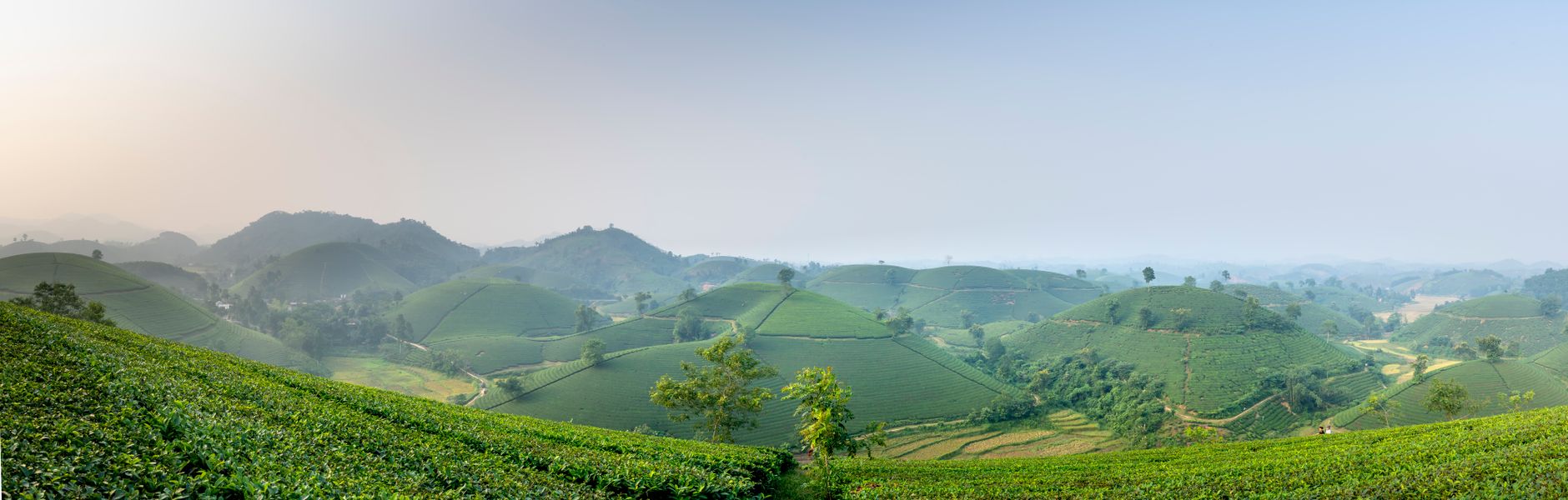
Explore the tea country south of the lake. Thai Nguyen province is Vietnam's most famous tea-growing region. On the drive between Thai Nguyen city and Ao Tien, you'll pass through rolling hills covered in tea bushes. Stop at a roadside family operation, buy some "tra Thai Nguyen" (Thai Nguyen green tea) directly, and watch them process it. Expect to pay 100,000-200,000 VND per kilogram for decent loose-leaf green tea.
Camp overnight. There's space to pitch a tent near the lakeshore. Bring everything you need — there are no rental facilities. This is the best way to experience the lake at dawn, when mist sits on the water.
Where to eat nearby
Don't expect restaurants at the lake itself. Eat before you arrive or bring food.
In Thai Nguyen city, look for "pho chua" — sour pho, a local specialty that's nothing like the Hanoi version. It's a cold noodle dish with crispy fried toppings, peanuts, and a tangy broth served on the side. You'll find it at small shops around Hoang Van Thu street for 30,000-40,000 VND.
Closer to the lake, if you pass through any of the small towns, look for "com lam" — sticky rice cooked inside bamboo tubes over charcoal. It's a Tay staple and usually sold for 15,000-20,000 VND per tube.
Where to stay
At the lake itself, options are limited to camping or basic homestays run by local families. Expect to pay 150,000-300,000 VND per night for a mattress on the floor in a stilt house, sometimes including a home-cooked dinner.
For more comfort, base yourself in Thai Nguyen city, where budget hotels run 250,000-400,000 VND per night and mid-range options with air conditioning and hot water go for 500,000-800,000 VND.
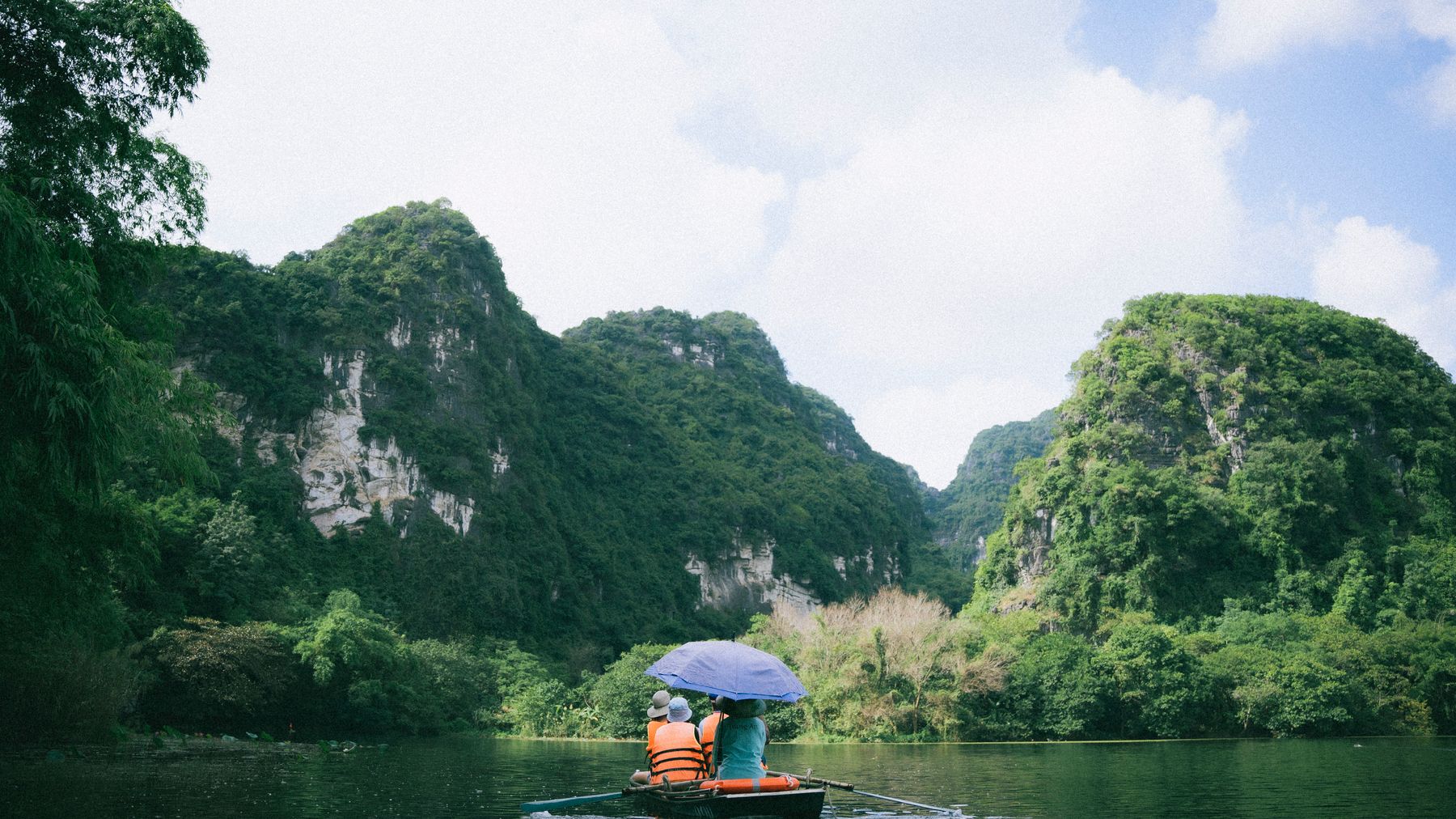
Photo by Bid on Pexels
Practical tips locals would tell you
- Bring cash. There are no ATMs near the lake and nobody takes cards.
- Pack insect repellent. The mosquitoes around the lake at dusk are aggressive.
- Carry your trash out. There's no waste collection. This is a recurring complaint in Vietnamese travel forums — visitors leaving garbage at the shoreline.
- Fill your fuel tank in Thai Nguyen city. Gas stations get sparse on the road north.
- Download offline maps. Phone signal drops in and out for the last 20 km.
Common mistakes to avoid
Trying it as a day trip from Hanoi. It's technically possible, but 8-9 hours of driving for a few hours at a lake is exhausting. Stay overnight — either camp or use a homestay.
Expecting facilities. There are no changing rooms, no food stalls, no boat rentals. This is not a developed tourist site. If that sounds inconvenient rather than appealing, this probably isn't the right destination for you.
Going only for the lake. Ao Tien alone might not justify the trip unless you're really into wild swimming. Combine it with the tea country, the minority villages, and the ride itself. The journey is half the point.
Practical notes
Ao Tien works best as part of a 2-3 day loop through the northern mountains — ride up from Hanoi, spend a night at the lake, then continue to other spots in the region or loop back through the tea hills. It's not a destination that needs a week of planning, but it does reward people who come prepared and don't expect polish.
Last updated · May 29, 2026 · independently researched, never sponsored.