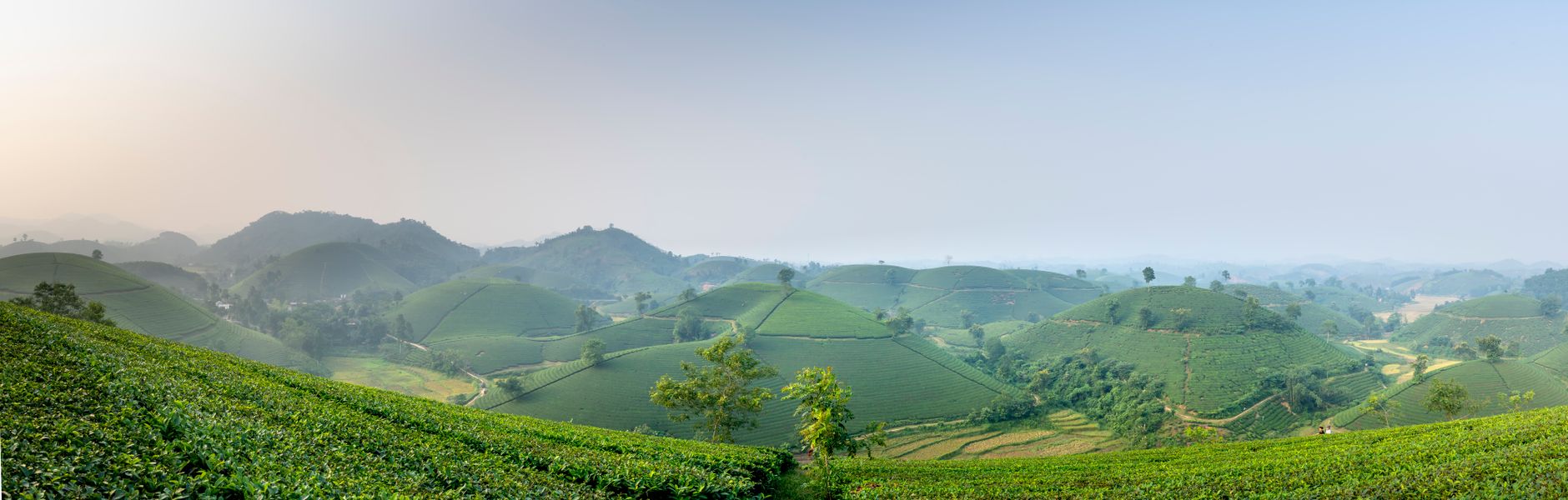
Ba Be National Park sits about 240 km north of Hanoi in Bac Kan province, and it remains one of the least-visited national parks in northern Vietnam (베트남 / 越南 / ベトナム). That's precisely why it's worth your time.
What Ba Be Actually Is
Ba Be — the name means "Three Bays" — centers on Ba Be Lake, the largest natural freshwater lake in Vietnam. The lake stretches roughly 8 km long and up to 30 meters deep, surrounded by limestone karst peaks covered in dense primary forest. The park itself covers about 10,000 hectares and was established in 1992, though the Tay ethnic minority has lived around these waters for centuries.
The landscape here is karst country, similar in geology to Ha Long Bay or Ninh Binh (닌빈 / 宁平 / ニンビン), but covered in jungle rather than seawater. You get towering limestone cliffs, river caves, waterfalls, and a lake that shifts between jade green and deep blue depending on the season and light.
Why Travelers Go
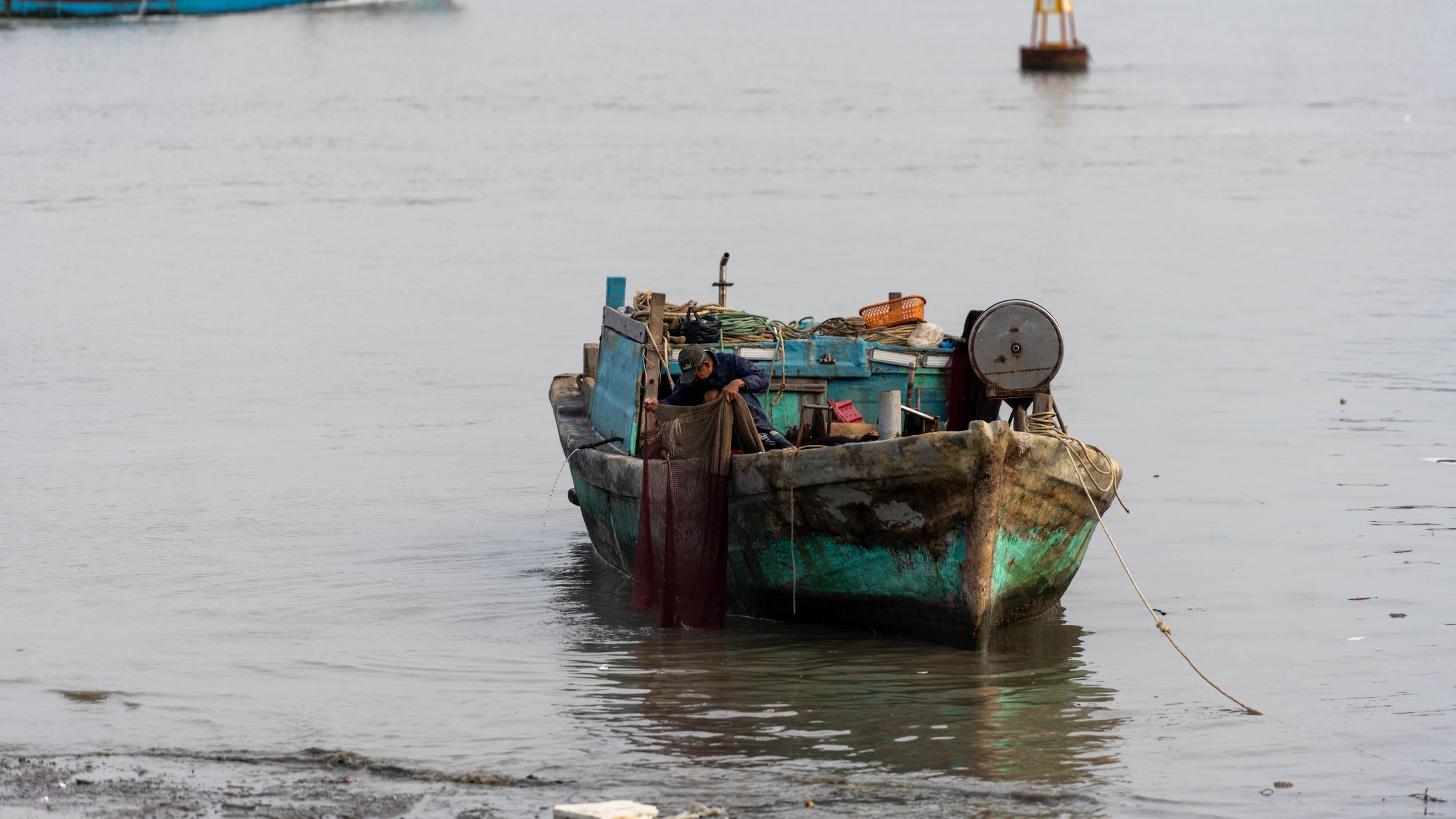
Ba Be draws people who want northern Vietnam's landscape without the tour-bus experience of Ha Long Bay or Sapa. The lake is genuinely quiet. On a weekday outside of summer, you might share it with a handful of local fishing boats and nobody else.
The Tay homestays are the other draw. Villages like Pac Ngoi sit right on the lakeshore, and staying overnight in a traditional stilt house — eating home-cooked meals, drinking rice wine with the family — is about as close to rural Vietnamese life as most travelers get. This isn't a manufactured cultural experience; these families have been here for generations.
Best Time to Visit
September through November is the sweet spot. The summer rains have tapered off, the lake is full and at its most photogenic, and the air cools down enough to make hiking comfortable. Temperatures hover around 20-25°C.
April and May also work well — warm but not yet peak rainy season.
Avoid June through August if you can. Heavy rain raises river levels, can make boat trips rougher, and occasionally floods trails. The park doesn't close, but leeches come out in force on jungle paths after rain, and some cave trips get cancelled.
December through February is dry but cold. Nighttime temperatures in the valley can drop to 5-8°C, and most homestays don't have heating. Bring layers.
How to Get There
From Hanoi, you have a few options:
- Bus from My Dinh station to Bac Kan city, then a local bus or xe om to the park. The Hanoi–Bac Kan leg takes about 4-5 hours and costs around 150,000-200,000 VND. From Bac Kan city, it's another 60 km (roughly 1.5 hours) to the park entrance. A xe om for this stretch runs about 200,000-300,000 VND.
- Direct minibus/limousine van to Ba Be — a few operators run daily from Hanoi. Around 300,000-350,000 VND, 6-7 hours door to door. Ask your homestay to book; they usually know which van is running that week.
- Motorbike from Hanoi — about 240 km, mostly on QL3 highway through Thai Nguyen and then winding mountain roads from Bac Kan onward. Budget a full day. The last 60 km from Bac Kan is the scenic stretch, with mountain passes and valley views.
Thai Nguyen city, about 80 km south of Hanoi, is the last major urban stop heading north. It's a reasonable place to break the journey if you're riding, but most travelers push straight through to the park.
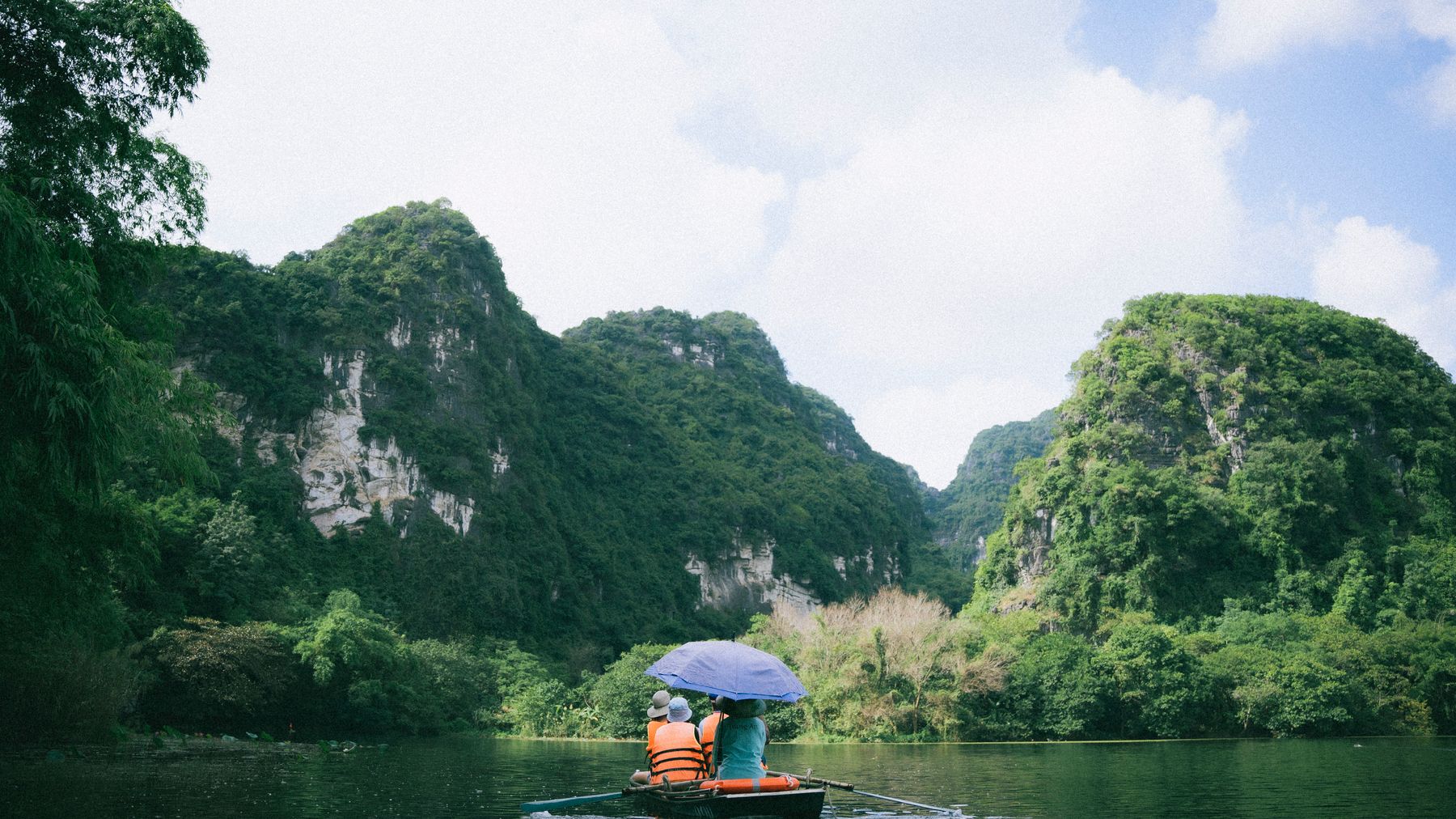
Photo by Bid on Pexels
What to Do
Boat Trip on Ba Be Lake
The core experience. Hire a local boat (typically a narrow motorboat or kayak) and spend a half-day on the lake. The standard route takes you across all three bays, past Widow's Island (a small forested island mid-lake), and into the Puong Cave — a river cave about 300 meters long where you boat right through the mountain. Thousands of bats roost in the ceiling. A boat for 2-4 people costs around 400,000-600,000 VND for a half-day trip.
Dau Dang Waterfall
A series of cascades on the Nang River, about 3 km downstream from the lake. You can reach it by boat and then walk along a forest trail. The falls aren't massive, but the limestone gorge they cut through is impressive. Allow 2-3 hours for the round trip including the walk.
Hua Ma Cave
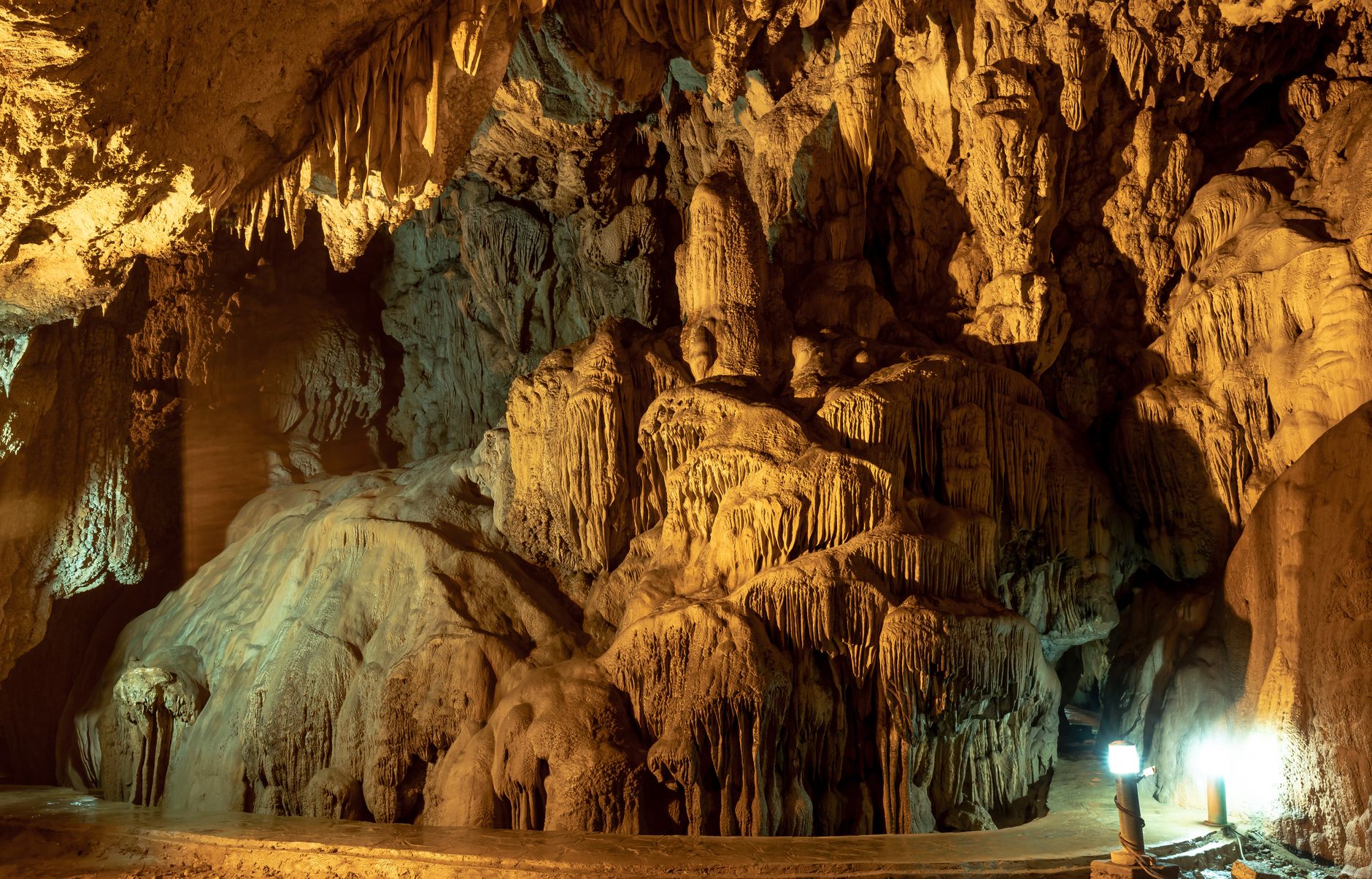
Located outside the park boundary, about 8 km from the lake. This is a large dry cave with tall chambers and stalactite formations. It sees fewer visitors than Puong Cave and feels more remote. Entry is around 40,000 VND. You'll need a motorbike or xe om to get there.
Pac Ngoi Village Walk
Pac Ngoi is the main Tay village on the lakeshore and where most homestays are concentrated. Walk through the village in the early morning when families are tending rice paddies and water buffalo are being herded. The stilt houses here are the real thing — not rebuilt for tourists.
Hiking in the Park
Several trails loop through the forest. The trail from the park headquarters to Dau Dang Waterfall follows the river and passes through good primary forest. For longer treks, hire a local guide (around 300,000-500,000 VND per day) — trails aren't well marked, and a guide helps with river crossings and finding the less-obvious routes.
Where to Eat
Homestays handle most meals, and honestly, the home-cooked food is the highlight. Expect rice, stir-fried greens, river fish grilled in banana leaves, and bamboo-shoot soup. The fish from Ba Be Lake — often a species locals call "ca chinh" (freshwater eel-like fish) — is worth asking for specifically.
If you want something outside the homestay, small restaurants near the park entrance serve "pho" and "com binh dan" (everyday rice plates) for 30,000-50,000 VND. Nothing fancy, but filling.
Rice wine is the local drink. Your homestay host will almost certainly offer it. It's strong and homemade — pace yourself.
Where to Stay
- Homestays in Pac Ngoi village: 150,000-300,000 VND per person including dinner and breakfast. You sleep on a mattress on the floor of a stilt house, usually communal-style. Basic but comfortable. This is the recommended option.
- Park guesthouse near headquarters: Around 400,000-600,000 VND per room. More privacy, less character.
- A few newer boutique-style homestays have popped up with private rooms and hot showers, running 500,000-800,000 VND per night. These fill up on weekends, so book ahead.

Photo by Quang Nguyen Vinh on Pexels
Practical Tips
- Bring cash. There's no ATM at the lake. The nearest reliable ATMs are in Bac Kan city, 60 km away. Bring enough VND for your entire stay.
- Insect repellent is not optional. Mosquitoes at dusk by the lake are aggressive. If visiting in the wet months, tuck your pants into your socks on forest trails — leeches are small and persistent.
- Phone signal is patchy. Viettel works best in the area. Don't count on data for navigation once you're in the park.
- Weekends in summer (June-August) bring domestic tour groups, mostly from Hanoi. The lake loses its quiet. Midweek visits are dramatically more peaceful.
Common Mistakes
- Not staying overnight. Some travelers try Ba Be as a day trip from Hanoi. That's 12+ hours of driving for a few hours at the lake. Stay at least one night — two is better.
- Skipping the guide for hikes. Trails are unmarked and fork without warning. Getting turned around in the forest burns daylight fast.
- Expecting Sapa-level infrastructure. This isn't a polished tourist zone. Hot water can be unreliable, menus are limited, and nobody's curating your experience. That's the point.
Practical Notes
Ba Be is best paired with a broader northern Vietnam loop — riders often combine it with Ha Giang or Cao Bang on a multi-day motorbike route. If you're short on time and based in Hanoi, a two-night trip works: bus up one morning, full day on the lake, bus back the next afternoon. The park entrance fee is 40,000 VND per person.
Last updated · May 29, 2026 · independently researched, never sponsored.