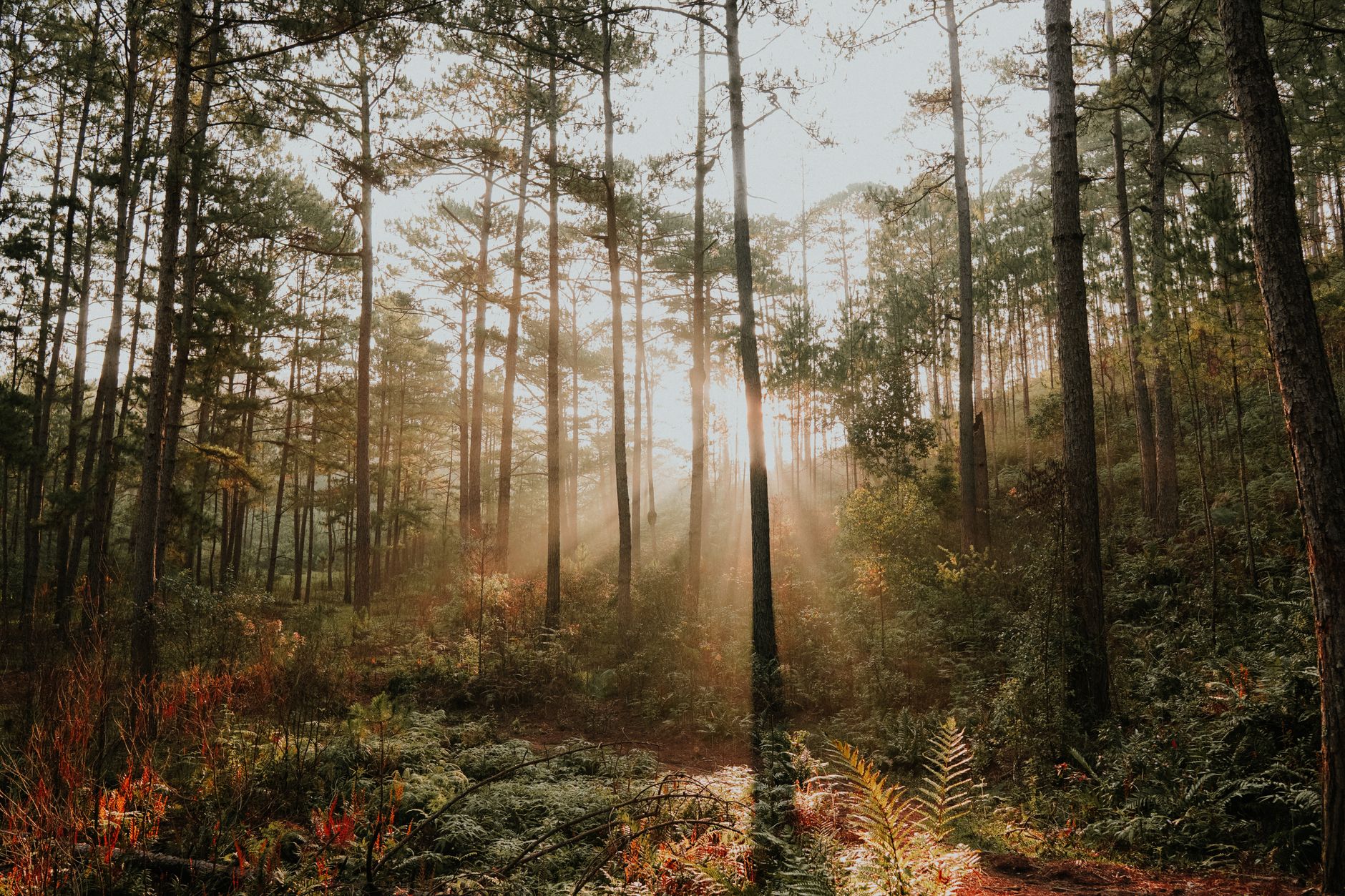
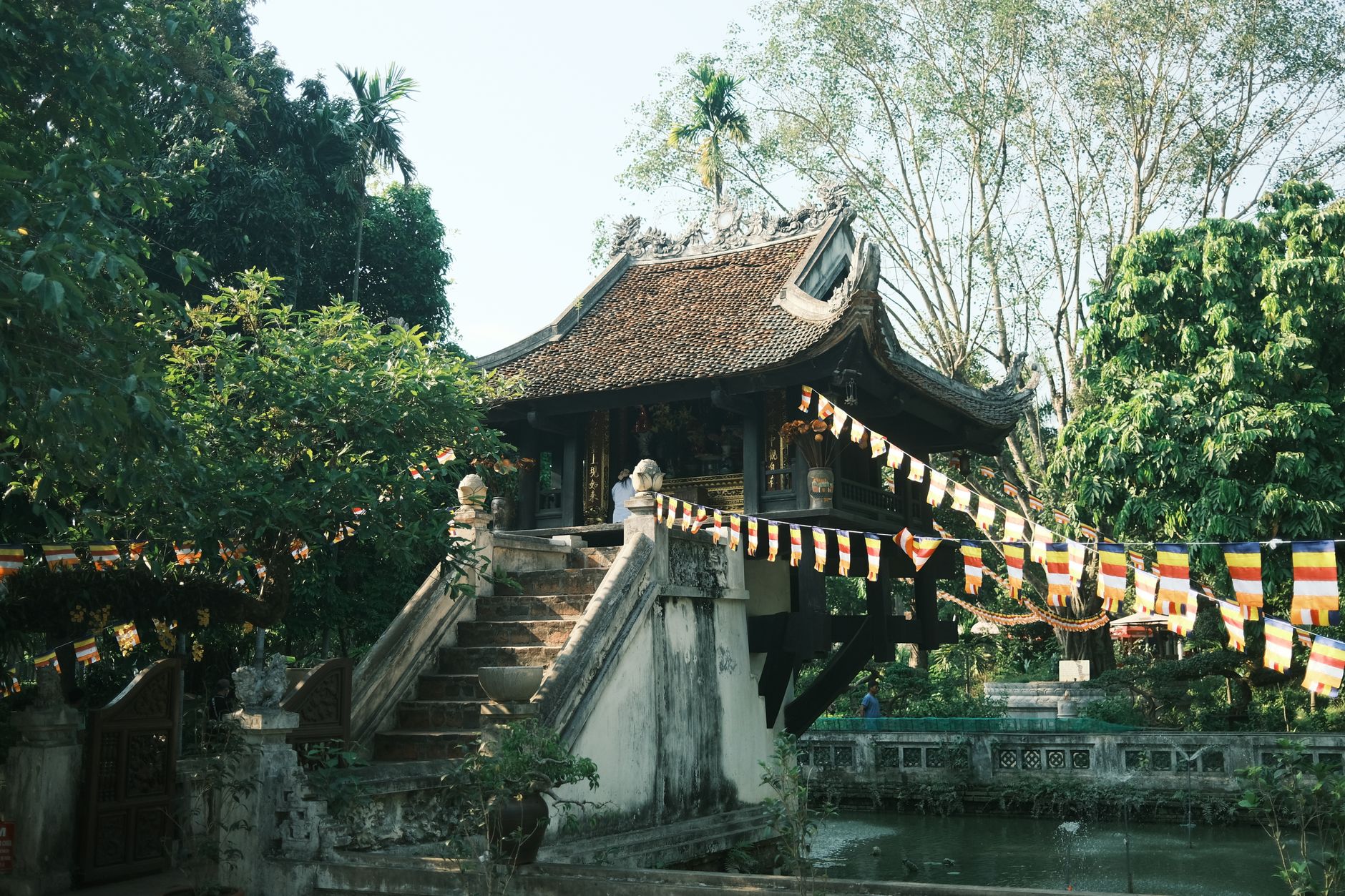
Thong Nhat Park — Reunification Park — is the biggest public park in central Hanoi, and one of the few places in this city where you can walk in a straight line for more than two minutes without dodging a motorbike. It sits between Hai Ba Trung and Dong Da districts, roughly 1.5 km south of Hoan Kiem Lake, and it's the kind of place that tells you more about daily Hanoi life than most tourist sights will.
What it is and how it got here
The park covers about 50 hectares, with Bay Mau Lake taking up a good chunk of that. It was built in the late 1950s through volunteer labor — thousands of Hanoi (하노이 / 河内 / ハノイ) residents helped dig the lake and plant trees over several years. The name means "Reunification," and the park has been a fixture of the city ever since. Old-growth trees, wide walkways, a small island in the lake, and a layout that feels more like a lived-in neighborhood green than a manicured showpiece.
It's not a polished attraction. That's the point. This is where Hanoi residents go to exercise at 5:30 a.m., where retired men play chess on stone benches, where couples rent swan-shaped paddle boats on weekends, and where kids learn to rollerblade on cracked concrete paths. If you want a break from the Old Quarter crowds, this is your room to breathe.
Why travelers go
Most visitors to Hanoi spend their time around Hoan Kiem Lake, the Old Quarter, and the Temple of Literature. Thong Nhat Park doesn't appear on many short-trip itineraries, which is exactly why it's worth an hour or two. You get an unfiltered look at how people in Hanoi actually spend their mornings and evenings — not performing for tourists, just living. It's also a practical pit stop: shaded, quiet, free to enter (the main gates, at least), and central enough to combine with other things.
Best time to visit
Early morning, any time of year. Between 5:30 and 7:00 a.m., the park fills up with joggers, tai chi groups, badminton players, and people doing that backward-walking exercise along the lake path. It's Hanoi at its most communal and unselfconscious.
Season-wise, October through December is ideal — cooler air, less humidity, the trees look good. January and February can be grey and chilly, but a morning walk around Bay Mau Lake in the fog has its own appeal. Avoid midday in summer (June–August); the heat and humidity will chase you out in fifteen minutes. If you visit during Tet, the park gets decorated and draws big crowds — festive but packed.
How to get there
From the Old Quarter or Hoan Kiem Lake area, it's about 2 km south. A Grab bike takes 10 minutes and costs around 15,000–25,000 VND depending on traffic. Walking takes 20–25 minutes down Tran Hung Dao or Le Duan — both are interesting streets in their own right.
The main entrance is on Tran Nhan Tong street, which is also a pedestrian street on weekend evenings. There are secondary gates on Dai Co Viet and Le Duan. If you're coming from the Train Street area or the vicinity of Long Bien Bridge, just head south — it's a straightforward route.
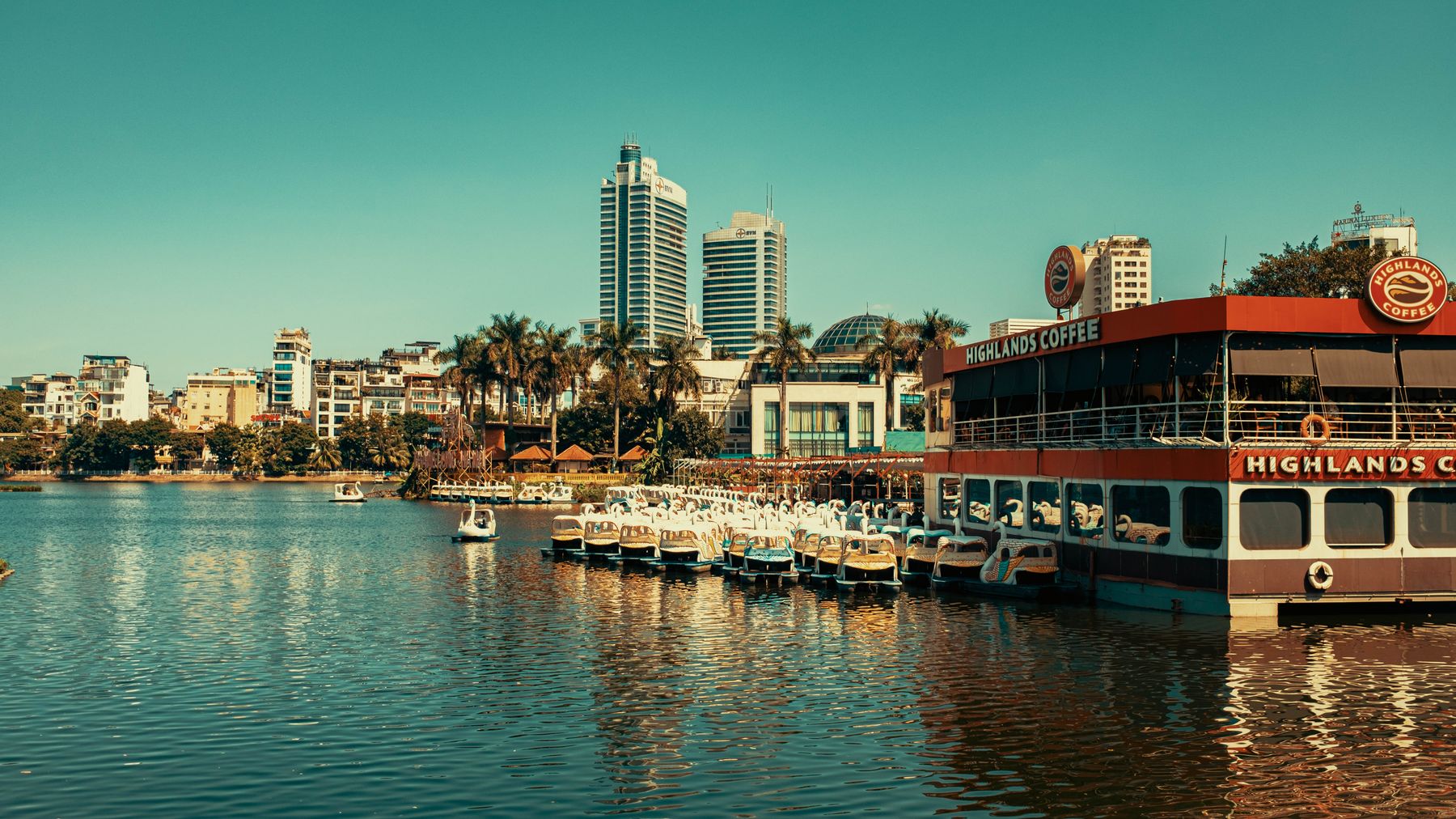
Photo by Quý Nguyễn on Pexels
What to do
Walk the Bay Mau Lake loop
The path around the lake is roughly 3 km. Flat, shaded in most sections, and lined with benches. You'll pass fishermen, exercise groups, and vendors selling sugarcane juice. It takes about 40 minutes at a relaxed pace.
Rent a paddle boat
The swan boats on Bay Mau Lake cost around 60,000–80,000 VND for 30 minutes. They're slow, a little rickety, and genuinely fun. You can paddle out to the small island in the center of the lake. Weekends and holidays are busiest.
Watch the morning exercise culture
This isn't something you "do" so much as witness. By 6 a.m. on any given day, you'll see aerobics classes with portable speakers, sword-form tai chi, couples doing ballroom dancing on the concrete plaza near the main gate, and solo practitioners doing moves you can't name. It's one of the most distinctly Hanoi experiences available, and it costs nothing.
Visit the weekend pedestrian zone
On Friday, Saturday, and Sunday evenings, Tran Nhan Tong street (which runs from the park's main gate north toward Thien Quang Lake) closes to traffic and becomes a walking street. Families come out, street food stalls set up, kids ride scooters. It's lower-key than the Hoan Kiem walking street but feels more local.
Sit and do nothing
Hanoi doesn't give you many chances to just sit still. The park does. Find a bench under a banyan tree, buy a cup of "ca phe sua da" from a nearby street vendor, and watch the city move around you. Underrated activity.
Where to eat nearby
The streets surrounding the park have solid food options. Tran Huy Lieu and Nguyen Du streets, both a short walk from the park gates, have local rice-and-dish lunch spots where a plate of "com tam" or a rice set runs 35,000–50,000 VND.
For something specific, head a few blocks north toward Hoan Kiem and find a bowl of "pho" — Le Van Huu street has several good spots. Or walk east to the Bui Thi Xuan area for "bun cha (분짜 / 烤肉米粉 / ブンチャー)", Hanoi's signature grilled-pork-and-noodle dish. Expect to pay 40,000–60,000 VND for a filling portion.
If you're visiting in the morning and want coffee before or after your walk, the side streets off Le Duan have plenty of small cafe setups. Egg coffee originated in this city, and you won't have trouble finding a cup within a five-minute walk of the park.
Where to stay
Thong Nhat Park sits between the Old Quarter (budget–midrange, 300,000–800,000 VND/night for guesthouses) and the Hai Ba Trung district hotels (midrange–upper, 800,000–2,500,000 VND/night). Staying near the park puts you close to both the tourist core and a quieter residential area. A few international-brand hotels sit on Tran Nhan Tong and Le Duan; smaller guesthouses dot the surrounding alleys.
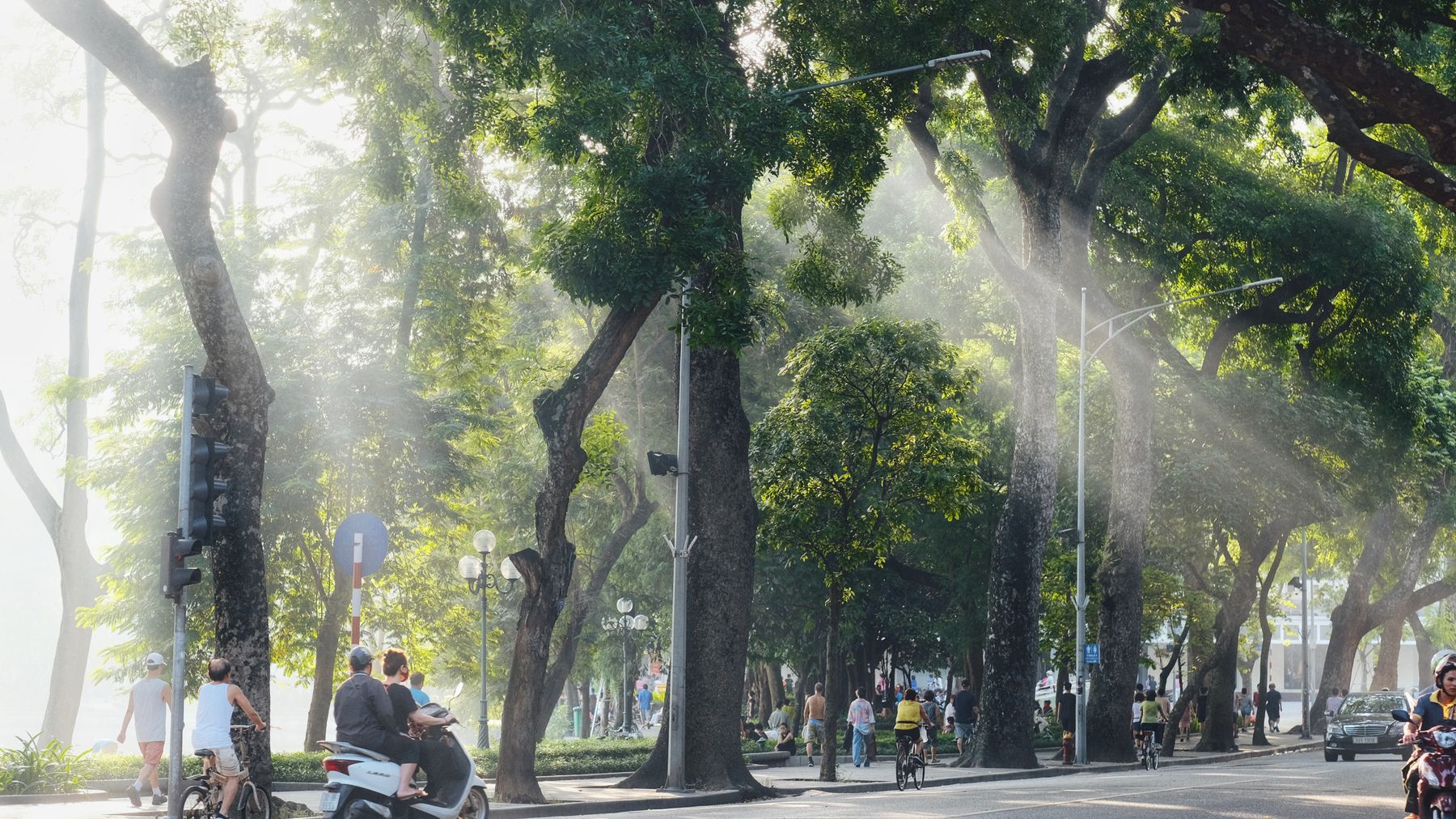
Photo by tu nguyen on Pexels
Practical tips locals would tell you
- Shoes matter. The paths are uneven in places, and morning dew makes stone surfaces slippery. Sandals are fine, but flip-flops less so if you're doing the full lake loop.
- Bring water. There are vendors inside the park, but selection is limited early in the morning.
- The park technically charges a small entrance fee at certain gates (around 4,000 VND), though enforcement is inconsistent. Many people walk in through side entrances without paying. Don't stress about it either way.
- Mosquitoes appear at dusk, especially near the lake. If you're there for the evening walking street, long pants or repellent help.
Common mistakes to avoid
- Skipping the morning visit. The park in the afternoon is just a park. The park at 6 a.m. is a social event. Time your visit accordingly.
- Treating it as a destination rather than a break. Don't build a half-day around Thong Nhat Park alone. Pair it with a walk through the French Quarter or a visit to the nearby Van Mieu area around the Temple of Literature.
- Expecting manicured perfection. Infrastructure is aging, some areas look rough, and the lake water isn't exactly pristine. That's Hanoi. The appeal is atmosphere, not aesthetics.
Practical notes
Thong Nhat Park is open daily, generally from 5:00 a.m. to 10:00 p.m. It's one of the easiest low-effort additions to a Hanoi itinerary — central, free (or nearly so), and a genuine window into how this city lives when it's not performing for visitors. Give it an early morning, and it'll reward you.
Last updated · May 29, 2026 · independently researched, never sponsored.