When to go: the short version
Bac Ninh, 30 km northeast of Hanoi, doesn't have the tourism infrastructure of coastal destinations, but that's precisely what makes it worth visiting. You get temples, silk workshops, and local food without the Hoi An carnival. The best months are March to May and September to November — warm, dry, and relatively quiet. Avoid the Tet holiday crush and the brutal July-August humidity.
Spring (March to May): the sweet spot
This is the ideal window. Daytime temperatures hover around 25–28°C, humidity is manageable, and rain is sparse. The landscape is greenest after winter, and you can actually walk the temple grounds without sweating through your shirt.
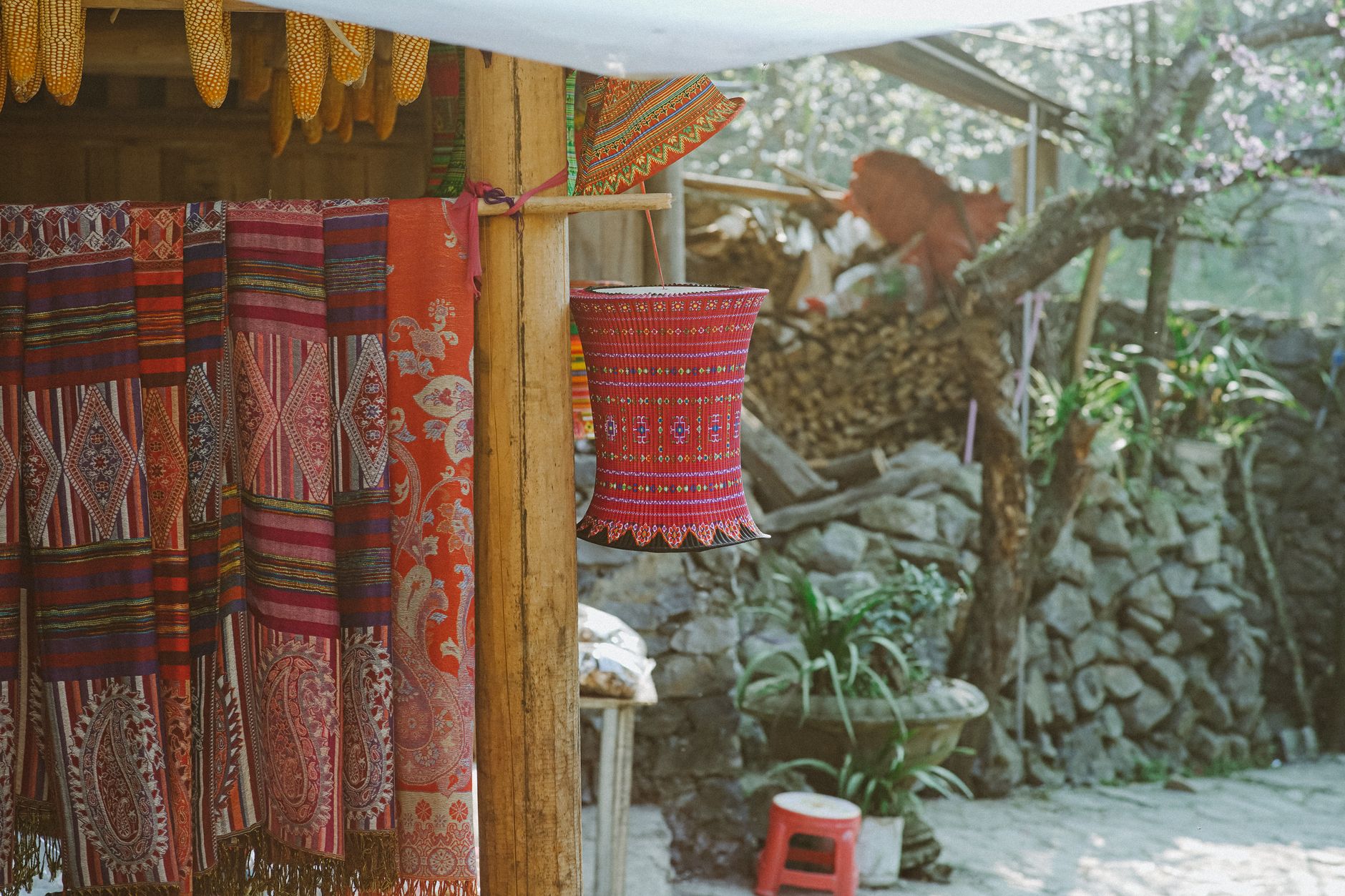
Bac Ninh's traditional silk weaving villages are most active in spring — artisans work in natural light, and you'll see finished products being prepared for summer sales. The Bao Thang silk village (15 minutes south of Bac Ninh city) is less mobbed than in peak tourist season, so you can chat with weavers without feeling rushed.
Crowd levels are low. You might share temples with local worshippers rather than tour groups. Hotels in the province have availability and don't inflate prices.
Summer (June to August): not recommended
Temperatures climb to 32–35°C with humidity regularly hitting 80–90%. The sun is relentless by 10 a.m., and afternoon downpours are common, flooding minor roads. The Hung Kings Festival (celebrated the 10th day of the lunar third month, usually falling in April or May) falls before summer, so you miss that draw.
Bac Ninh slows down in summer. Tourist-facing businesses reduce hours, and many family-run silk shops close mid-day. Local people are indoors with air conditioning. If you do visit, plan temple and market visits for early morning (5–7 a.m.) and late afternoon (5–7 p.m.).

Photo by Quang Nguyen Vinh on Pexels
Autumn (September to November): second best
Weather mirrors spring — 22–28°C, low humidity, minimal rain. October is often the goldest month: clear skies, cool mornings, and the rice paddies around Bac Ninh are harvested or freshly planted, creating good photo light.
Autumn is quieter than spring. Summer tourists have returned home, and the Tet surge hasn't begun. Lodging is easier to book, and you'll find more personal attention from guesthouse owners.
This is also when local silk and ceramics producers ramp up for winter gift markets. You might time a visit with a pop-up craft fair in Bac Ninh city.
Winter (December to February): crowded around Tet
Temperatures drop to 10–18°C. Clear days are frequent, but so are overcast, drizzly stretches. December and early January are pleasant — cool enough for long walks, wet enough to feel fresh.
The chaos begins mid-January and peaks through early February. Tet holiday (lunar new year) sends Hanoi residents and overseas Vietnamese home to visit family. Hotels fill, prices spike 30–50%, and main roads to temples see heavy traffic. If you travel after Tet (mid-February onward), you'll find empty guesthouses and lower rates, though the cultural energy of the new year celebrations has faded.
For solitude and good weather, aim for late December or early January, before Tet bookings spike.

Photo by Phạm Quý on Pexels
Month-by-month snapshot
January: Cool (12–16°C), mostly dry. Tolerable crowds until Tet rush begins mid-month.
February: Tet holiday (dates shift yearly). Peak crowds, peak prices. Skip it unless you specifically want to experience the festival.
March: Spring warmth returns (18–25°C), rain minimal. Silk workshops busy. Excellent month.
April: 22–28°C, occasional showers. Hung Kings Festival usually lands here. Still good.
May: 26–32°C, humidity rising. Last month of spring comfort before summer sweat. Plan early starts.
June–August: Heat and humidity spike. Least appealing for outdoor exploration.
September: 24–30°C, rain tapering. Transition month — still warm but cooling toward autumn comfort.
October: 18–25°C, clear skies, low humidity. One of the best months overall.
November: 15–22°C, dry and clear. Still excellent, though mornings are cool.
December: 10–18°C, occasional drizzle. Pleasant for temple visits and walking. Pre-Tet calm.
What you'll actually encounter
Bac Ninh attracts few foreign tourists compared to Hanoi or Hoi An, so "peak season" here means more Vietnamese weekenders from Hanoi than international travelers. On weekends, local families visit temples and eat banh da (sticky rice cake) at roadside stalls. Weekdays are nearly empty.
Rain rarely cancels activities — temples and shops operate regardless. You'll just swap outdoor stalls for covered ones. The Sung Hung Pagoda and the Dong Ho Painting artisan studios have covered areas, so weather doesn't ruin a visit.
Festivals anchor the calendar: the Hung Kings Festival (usually April) sees larger crowds at local temples, and Tet Trung Thu (mid-autumn festival, September-October) brings night fairs with lanterns and traditional games. Neither rivals big-city tourism surges, but both are worth timing a visit around if culture is your priority.
Practical notes
Bac Ninh is small and easily done in a half-day or full day from Hanoi. Skip a hotel stay and visit on a day trip if you prefer flexibility, or stay overnight (mid-range guesthouses run 300,000–600,000 VND) to explore without Hanoi traffic stress. March–May and September–November offer the best combination of weather, affordability, and cultural activity.
Last updated · Aug 2, 2026 · independently researched, never sponsored.