Bac Ninh sits in the Red River Delta, about 30 km northeast of Hanoi. Most tour groups rush through in a half-day; if you stay longer, you'll see why locals call it a real place, not a monument.
Bat Trang: pottery beyond the photo op
Bat Trang is the pottery village everyone mentions. Fine. Go, but go early—before 9 am—and skip the "tourist pottery studios" with the laminated menus. Instead, walk into unmarked workshops where potters actually work. Knock on doors along Ngo Giai street. You'll watch someone throw a bowl or carve patterns into clay for 50 cents' worth of someone's morning. Many workshops sell directly; a set of four small rice bowls costs 80,000–120,000 VND, and the owner will wrap them in newspaper.
There's a small Bat Trang Ceramics Museum (Bao Tang Gom Bat Trang) near the main square, entry 20,000 VND. Skip it unless you want a climate-controlled break. The kilns and the workers are the real museum.
Eat at one of the streetside pho stalls near the ferry landing—they're better than anything labeled "tourist restaurant." A bowl runs 30,000–40,000 VND.
Bai Dinh: the pagoda, the crowds, the climb
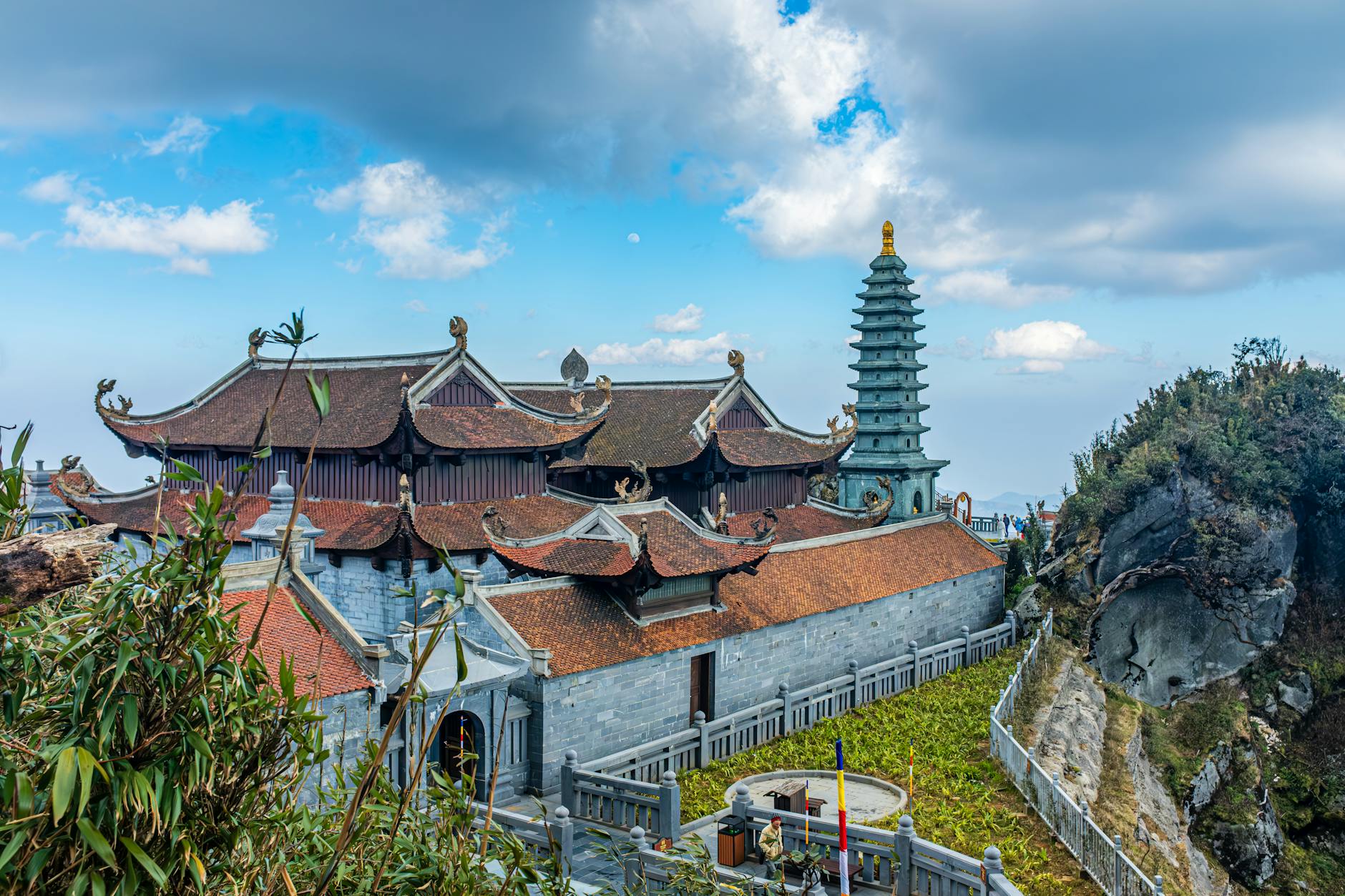
Bai Dinh Pagoda is Bac Ninh's biggest draw. Built in 2010, it's one of Southeast Asia's largest pagodas, with about 500 bronze statues of arhats (enlightened monks) on the grounds. The main sanctuary holds a 10-ton bronze Buddha. It's grand and genuinely striking if you like Buddhist architecture.
Go in the early morning (before 7 am) or late afternoon (after 4 pm) if you hate crowds. Weekends are packed with Vietnamese families. Entry is free, though donations are suggested (50,000–100,000 VND typical).
Wear shoes you can slip off easily; you'll remove them to enter the main hall. The site is about 15 km from Bac Ninh city; a taxi or hired car is easiest (150,000–250,000 VND roundtrip from the center, negotiated beforehand).
Tran Quoc Pagoda and Phat Tich: quieter temple options
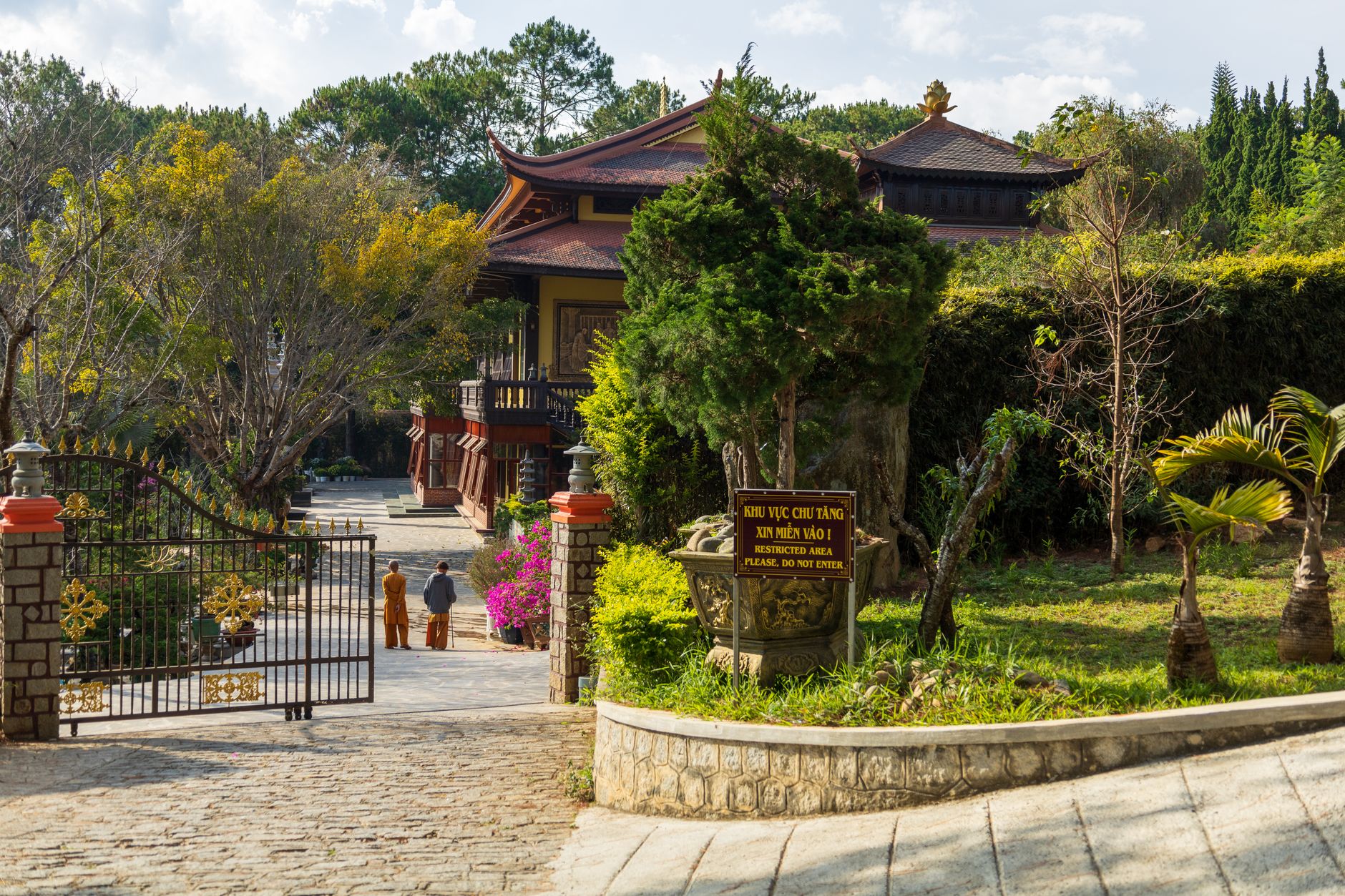
If you want pagoda time without the tour buses, head to Phat Tich Pagoda, about 25 km south. It's older than Bai Dinh (rebuilt in the 17th century, original foundations 6th century) and hosts maybe 10% of the visitors. The grounds are peaceful; the main hall has intricate wood carvings. Entry is 10,000 VND. A taxi from Bac Ninh center costs around 300,000 VND for a roundtrip (haggle).
Tran Quoc Pagoda, one of Hanoi's oldest temples, is accessible by a short day trip from Bac Ninh (about 40 km south). If you're staying in Bac Ninh for 2+ days, it's worth a morning.

Photo by Braven Nguyen on Pexels
Silk weaving workshops in Van Phu
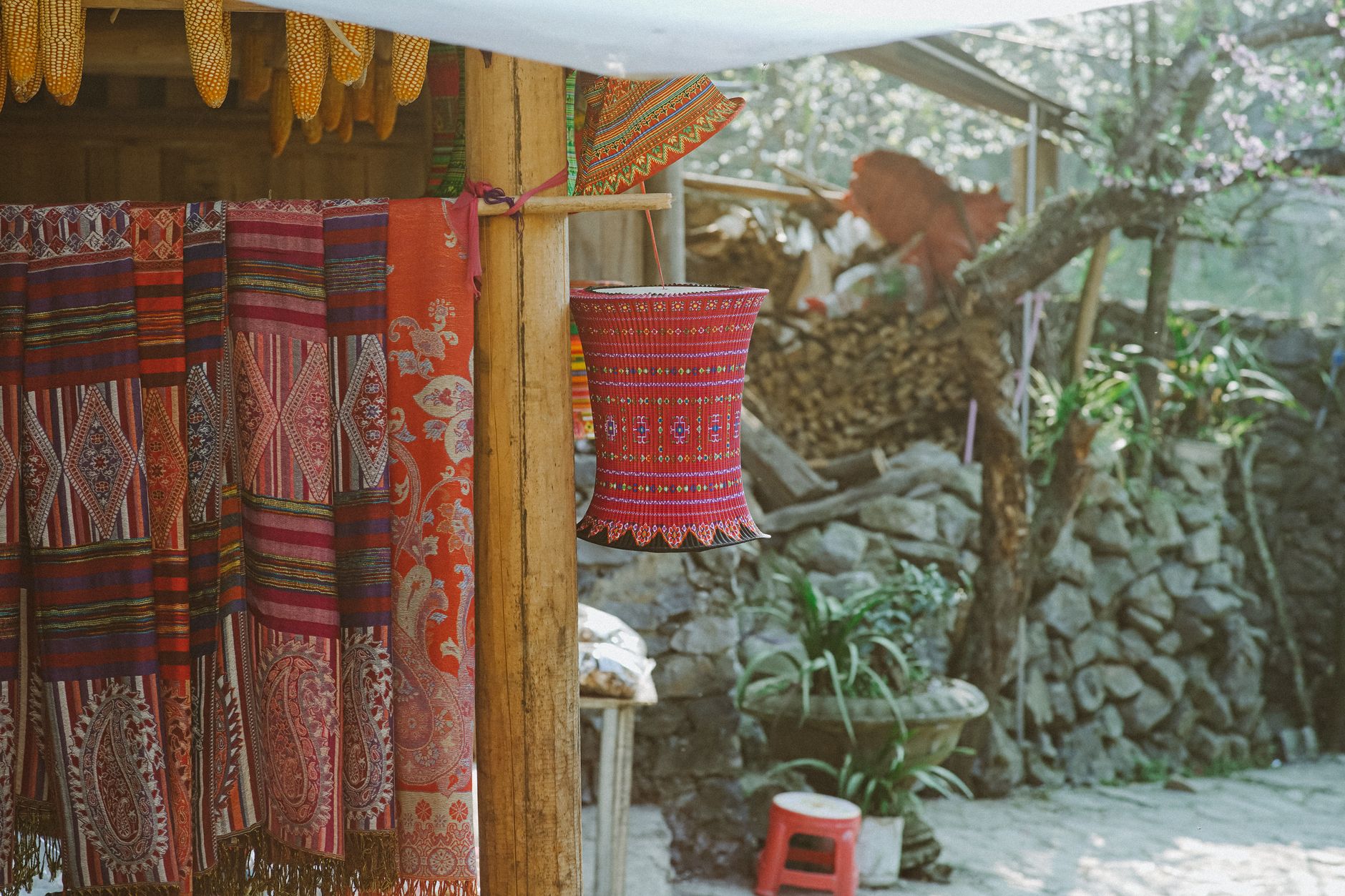
Van Phu, a few km west of Bac Ninh center, is the silk-weaving district. Unlike Bat Trang, it doesn't attract many foreigners, and that's the point. Workshops here produce traditional "lua Bac Ninh" (Bac Ninh silk), sold to high-end boutiques in Hanoi and abroad.
Walk along the main road (Quoc Lo 1A) and look for open workshop doors. You'll see looms, dyers, and bolts of fabric in progress. A few workshops allow visitors to watch and buy scarves or meter lengths of fabric directly. Prices range from 150,000–500,000 VND per meter, depending on weight and dye quality. Ask the weaver for recommendations; they know which merchants are honest.
There's no formal "silk museum" here; the authenticity is the draw.
Water puppetry and "ca tru" (chamber music)
Bac Ninh is the birthplace of "ca tru," an intimate vocal style performed in small rooms for an audience of 5–20 people. It's mesmerizing if you have time and patience; completely lost on tourists rushing between pagodas.
The Bac Ninh Water Puppet Theater (Nha Hat Roi Nuoc Bac Ninh) offers evening shows most nights at 8 pm, tickets 80,000–120,000 VND. Water puppetry originated in northern Vietnam; it's less kitsch here than in Hanoi's tourist theaters.
For "ca tru," contact your hotel or ask locals—performances are informal and not always on a fixed schedule. If you speak some Vietnamese or have a guide, they can help arrange a session. Expect to spend 200,000–400,000 VND for a 1–1.5 hour performance.
Eating in Bac Ninh
Bac Ninh doesn't have "famous dishes" in the way Hue has "bun bo Hue" or Saigon has "banh mi." Eat what locals eat.
Com tam (broken-rice with grilled meat, egg, pate) is breakfast/lunch staple; 30,000–50,000 VND at a stall. Look for places packed with motorcycles at 11 am.
Grilled fish from the Red River is excellent in season (spring and autumn). Restaurants along the river (especially near Bat Trang) serve whole grilled carp or catfish, 150,000–300,000 VND per kg.
Pho in the early morning (6–8 am) at a busy corner stall will cost 35,000–50,000 VND and be better than anything in the tourist zones of Hanoi.
There's a night market (cho dem) near the central bus station; it opens around 6 pm and has 20+ food stalls. Grab a plastic stool, order grilled shellfish or spring rolls ("cha gio"), and sit shoulder-to-shoulder with locals. Total spend: 100,000 VND for a full meal with beer.
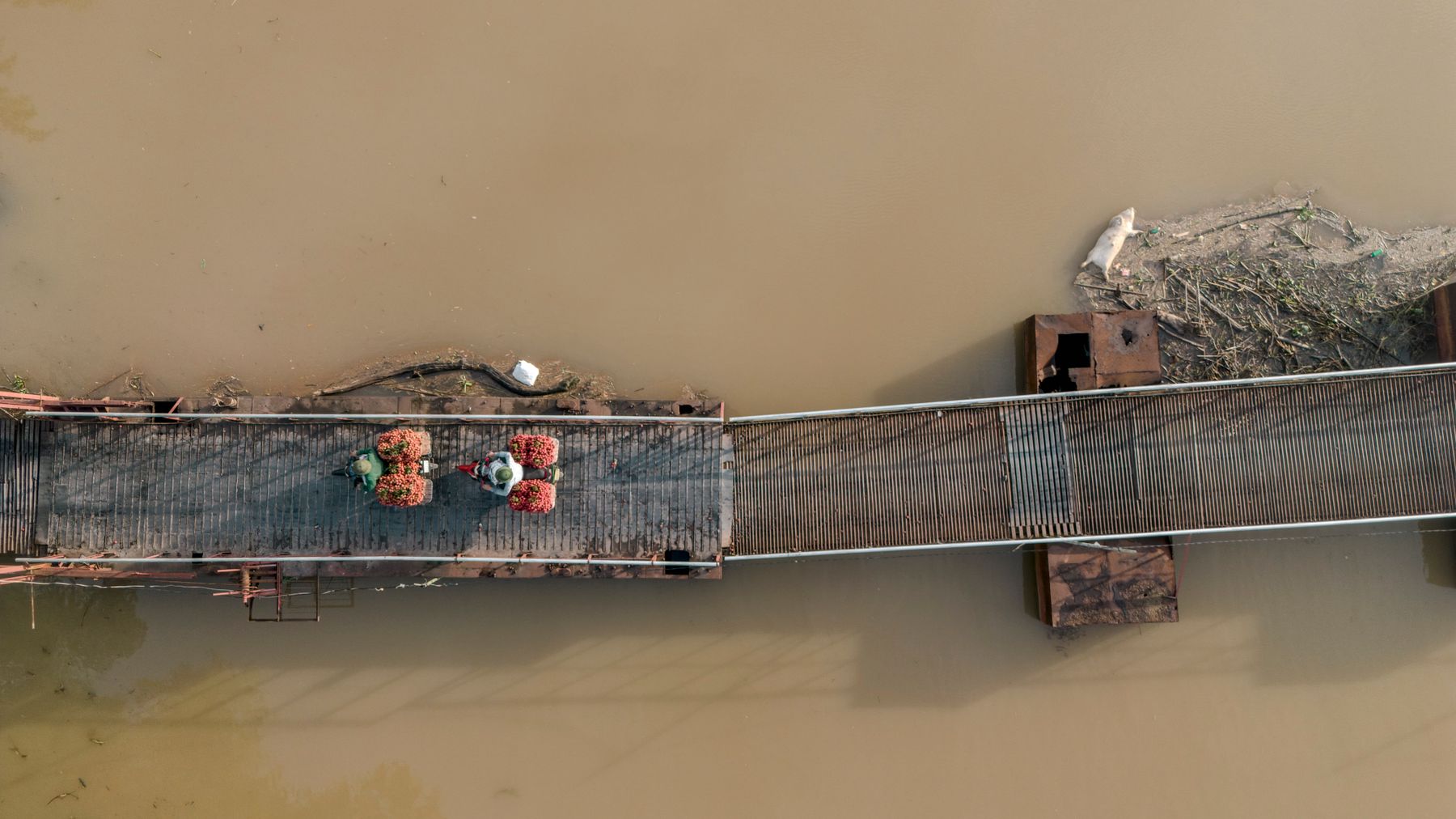
Photo by Vietnam Hidden Light on Pexels
Outdoor: Red River walks and cycling
The Red River passes near Bac Ninh. Early mornings, you'll see locals jogging and cycling along the dikes. It's not scenic in the postcard sense, but it's real—rice fields, water, old bridges, fishermen.
Rent a bicycle in Bac Ninh center (ask your hotel; 50,000–80,000 VND/day) and cycle along the dike roads for 2–3 hours. Bring water and a hat. There are no formal routes; ask locals for "con duong theo song" (the road along the river).
If you want an organized option, a few Hanoi-based tour companies offer Bac Ninh cycling tours (300,000–500,000 VND, half-day).
What to skip
"Bamboo handicraft villages": Bac Ninh is not Bali. Marketing copy talks up bamboo weaving; it's not a thing here in any meaningful way. Skip vendor pitches.
Tourist traps near Bai Dinh: There are "authentic homestays" and "family lunch experiences" listed online. They're expensive (300,000–500,000 VND per person) and generic. Stay in town instead.
Synthetic-silk shops in central Bac Ninh: A few stores claim to sell Bac Ninh silk but stock cheap synthetic material. Buy direct from Van Phu workshops or at reputable shops in Hanoi's Old Quarter.
Frequently Asked Questions
How far is Bac Ninh from Hanoi and how long should I stay?
Bac Ninh sits about 30 km northeast of Hanoi. Most tour groups pass through in a half-day, but staying longer lets you explore beyond the main sites. Two or more days gives you time to visit Bat Trang pottery village, Bai Dinh Pagoda, the silk workshops in Van Phu, and quieter temples like Phat Tich without feeling rushed.
What does a set of rice bowls cost at Bat Trang pottery village?
At Bat Trang, buying directly from workshop owners along Ngo Giai street, a set of four small rice bowls costs 80,000-120,000 VND. Owners typically wrap purchases in newspaper. For food nearby, pho stalls near the ferry landing charge 30,000-40,000 VND per bowl. The Bat Trang Ceramics Museum near the main square charges 20,000 VND entry if you want an indoor stop.
When is the best time to visit Bai Dinh Pagoda to avoid crowds?
Visit before 7 am or after 4 pm on weekdays. Weekends draw large numbers of Vietnamese families, making the grounds significantly busier. Entry is free, though donations of 50,000-100,000 VND are typical. Bai Dinh is about 15 km from Bac Ninh city center; a roundtrip taxi costs 150,000-250,000 VND, negotiated in advance.
Practical notes
Bac Ninh is 30 km from Hanoi (45 min by local bus, 25 min by hired car/taxi). A day trip is feasible; staying 1–2 nights lets you move slowly. Minibuses run from Hanoi's Luong Yen station (50,000 VND, frequent). Accommodation is modest (100,000–200,000 VND/night for a clean two-star). Bac Ninh is not a beach destination and won't feel "exotic"—it's a working Vietnamese city. That's the whole point.
Last updated · May 14, 2026 · independently researched, never sponsored.