Central Vietnam (베트남 / 越南 / ベトナム) is at its most accessible from March to August. During these months, the humidity remains manageable, and the coastal roads are clear, making it the ideal window to explore the region's imperial history and coastal food scenes.
Day 1-3: Hue and the Imperial Legacy
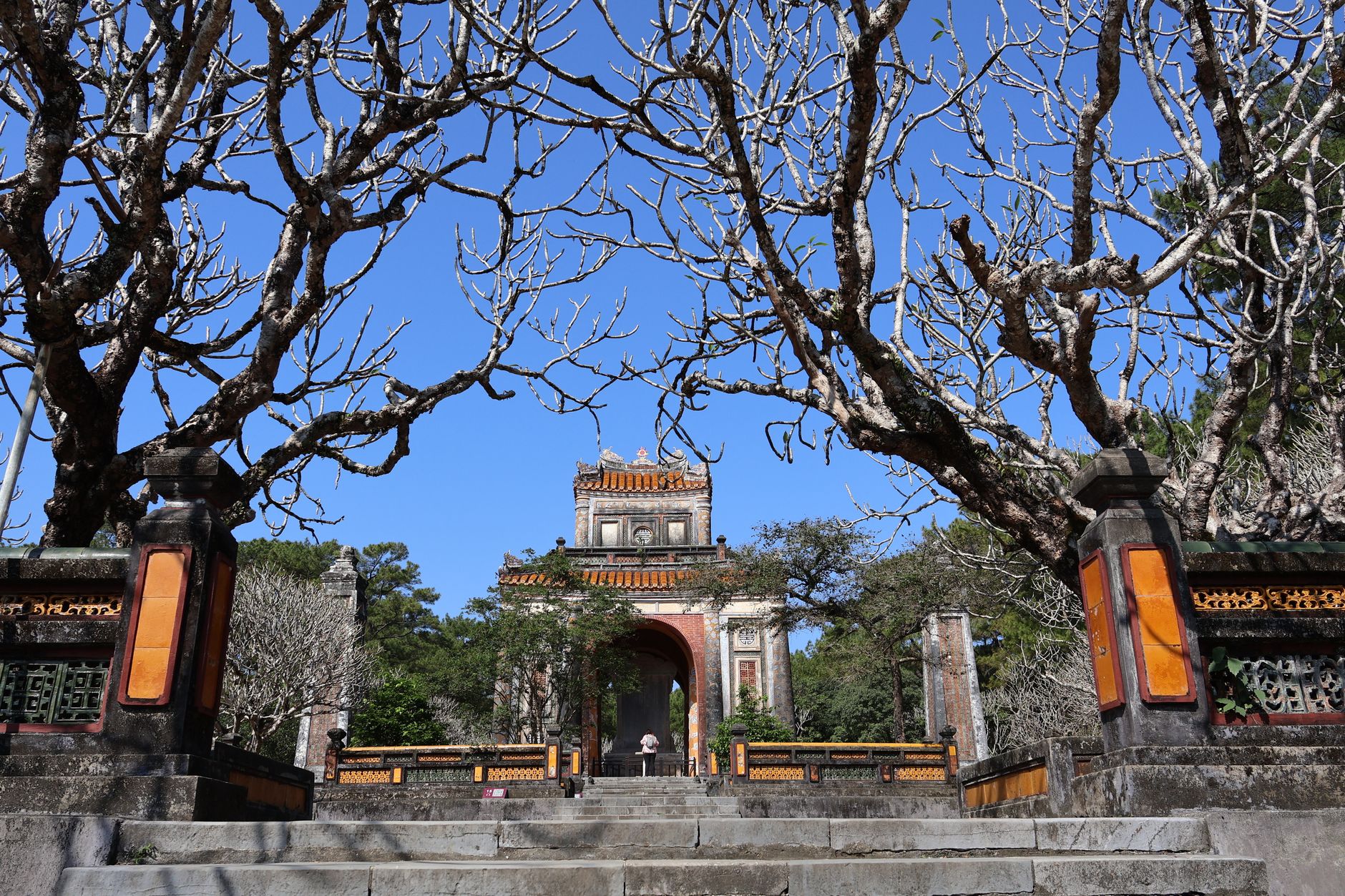
Start in Hue. The city moves at a slower pace than the metropolises, and the dry season allows for comfortable exploration of the sprawling "Tomb of Tu Duc" and "Tomb of Khai Dinh". Spend your first morning at the Imperial Citadel Thang Long’s counterpart, the Hue Imperial Citadel.
For food, you are here for the nuance of royal-influenced cuisine. Seek out "bun bo hue" from the stalls near the Dong Ba market—look for the ones with the deepest red broth. In the evenings, grab a "lotus tea" by the Perfume River. On day three, take a drive out to the Thien Mu Pagoda before heading south.
Day 4-7: Hoi An and the Coast
Travel south toward Hoi An (호이안 / 会安 / ホイアン). The drive over the Hai Van Pass is a highlight; if you have a motorbike or a private car, the views of the coastline are unmatched. Once in Hoi An, skip the main tourist thoroughfares during the heat of the day.
Spend your time sampling local specialties that you cannot find elsewhere. "Cao lau" is the essential dish here; the noodles are traditionally made with water from a specific local well. For a quick snack, grab a "banh mi" from the famous stalls near the market, though the smaller, nameless carts often have better bread. If you want to see the craftsmanship of the region, visit the nearby villages where they produce "non la" or traditional ceramics. Dedicate one day to a trip to "Cu Lao Cham" for snorkeling if the water is calm.

Photo by Võ Văn Tiến on Pexels
Day 8-9: Da Nang and the Marble Mountains
Da Nang acts as the bridge between the history of Hue and the charm of Hoi An. It is a modern city, but the food scene is exceptional. Head to the local markets for "mi quang", a turmeric-infused noodle dish that defines the region.
Spend your time exploring the Marble Mountains or taking a cable car to the "Golden Bridge" if you want the views, though I recommend spending more time at the local beaches like My Khe. In the evening, the city comes alive with street food vendors selling "banh xeo" and "nem chua".
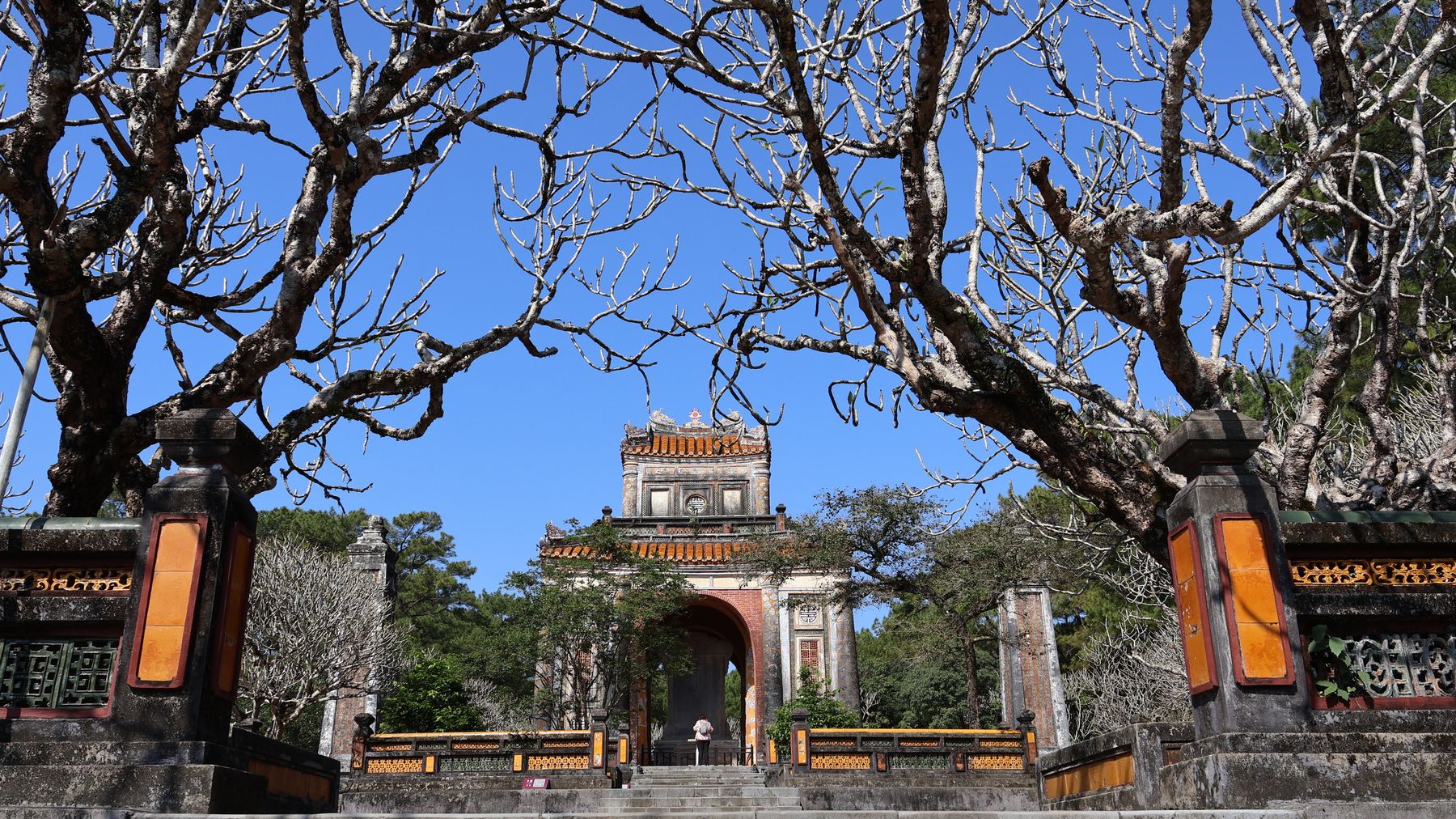
Photo by Minh Lê on Pexels
Day 10: Departure
Use your final morning to grab a "vietnamese coffee" or a "ca phe sua da" at a street-side cafe. Watch the morning rush before heading to the Da Nang International Airport. If you have time, a quick stop at the Han Market for some dried snacks is a good way to bring a piece of the region home.
Practical notes
Transport between these cities is best handled by private car or train; the train from Hue to Da Nang offers some of the best coastal views in the country. Always carry cash in VND, as smaller street stalls rarely accept cards. Remember that while the dry season is sunny, the midday sun is intense—plan your outdoor sightseeing for early morning or late afternoon.
Last updated · May 30, 2026 · independently researched, never sponsored.