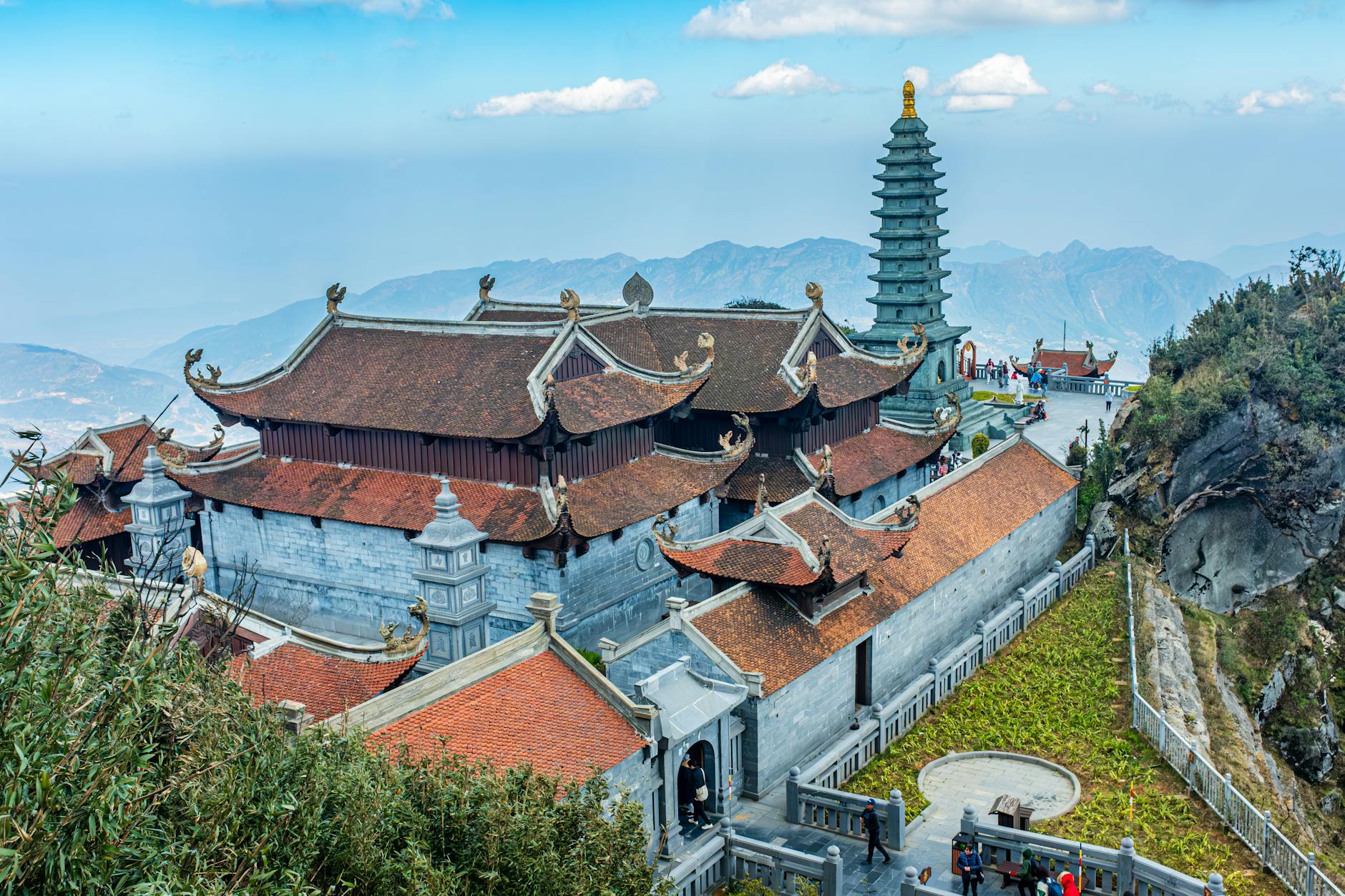
Phu Tho sits about 80 km northwest of Hanoi and pulls in fewer international tourists than the usual north-Vietnam circuit. That's partly why it's useful: you get cheaper rooms, fewer package-tour crowds, and easier access to local life. The province is broken into nine districts; the ones worth staying in for a night or two are Viet Tri city (the provincial capital) and Thanh Ba district.
Viet Tri City — The Main Hub
Viet Tri is where most travelers end up because it has the train station, bus depot, and the only real restaurant and hotel concentration. The city sits where the Red River widens, and the riverfront has some appeal if you walk it at dusk. Accommodation runs from guesthouses clustered near the station (north side) to a handful of two- and three-star hotels toward the center.
Budget (Under 300,000 VND / Night)
The guesthouses around Tran Quoc Toan Street (north of the station) offer rooms from 180,000–250,000 VND. Expect bare-bones: a fan, thin walls, shared bathroom or a small private one with iffy water pressure. Names change every few years, so don't book far ahead—just walk in and ask around. These places are used to Vietnamese truck drivers and the occasional foreign cyclist, not tourists, so English is minimal but staff are patient.
Why stay here? You're paying next to nothing, you'll meet local travelers and workers, and the streets around the station have cheap noodle soups and banh mi stalls that locals actually eat. It's unglamorous but real.
Mid-Range (300,000–700,000 VND / Night)
Viet Tri's best mid-range pick is Phu Tho Hotel (Ly Thai To Street, city center), a three-star place with 40-odd rooms, AC, satellite TV, and a small restaurant downstairs. Rooms run 450,000–550,000 VND for a double. The location is walkable to the market and the riverfront; breakfast is included. Staff speak basic English and the beds are decent.
Alternatively, Viet Tri Hotel (Tran Hung Dao Street) is cheaper (350,000–450,000 VND) and quieter, set back from the main drag. Rooms are smaller but clean; there's no restaurant, but you're near food.
Why stay here? You get a proper bed, hot water, and some comfort without paying Hanoi prices. Good for a night between Hanoi and Sapa, or a base for a day trip to Thanh Ba or the Tam Nong stilt-house villages.
Luxury (700,000+ VND / Night)
Phu Tho has no true four- or five-star resorts, which is why it appeals to travelers who don't want to pay Hanoi luxury prices. The closest option is Phu Tho Convention Hotel (Ly Thai To Street, near Phu Tho Hotel), a pseudo-business hotel with 60 rooms at 650,000–800,000 VND. It has a gym, meeting rooms, and fancier restaurant. The rooms are functional but not charming—it caters to domestic corporate guests.
Why not stay here? You're paying mid-range prices for a business hotel in a small city, with little upside. Mid-range options offer better value.
Thanh Ba District — The Rice-Field Alternative
Thanh Ba is 25 km south of Viet Tri, toward Hanoi, and is the province's agricultural heart. If you want to stay outside the city and explore rural Phu Tho—villages, rice paddies, temples—Thanh Ba is your base. Accommodation is sparse but improving.
Thanh Ba Riverside Homestay (near the district town, exact address varies) rents out rooms in a converted farmhouse for 350,000–500,000 VND. You'll get a basic room, communal dining, and access to the family's land and motorbike for exploring. This is homestay-style, so shared bathrooms, no luxury. Owners often speak minimal English but are welcoming and will cook pho or com tam (broken-rice) for dinner.
Why stay here? You're immersed in rural life, you can watch farmers in the fields, visit local temples like Tran Temple (12th century), and eat meals with the family. It's slower and less transactional than a city hotel.
Why avoid it? If you want a hot shower and privacy, it's a step down. Internet is patchy. You'll need a motorbike or willingness to be driven by the family.

Photo by Quang Nguyen Vinh on Pexels
Logistics & Transport
Viet Tri is connected by:
- Train: The Hanoi–Sapa express stops at Viet Tri station. Travel time from Hanoi: ~2.5 hours. Useful if you want to avoid the minivan crush.
- Minivan / bus: Frequent runs from Hanoi's My Dinh bus station (1.5–2 hours, 50,000–80,000 VND). Drops you at the central bus depot.
- Motorbike / rental car: From Hanoi, Route 2 north to Viet Tri is straightforward if you're riding or have a driver.
Once in Viet Tri, taxis (white with green stripe) run 20,000–30,000 VND per ride to hotels. Motorbikes and xe om (motorbike taxis) are cheaper but negotiate first.

Photo by Quý Hoàng on Pexels
What to Do While You're There
Viet Tri's riverside walks are pleasant early morning or late afternoon. Phu Tho Museum (Ly Thai To Street) covers local history and artifacts (entry ~30,000 VND); it's small but honest. The night market near Dong Kinh market square is lively and cheap for dinner.
From Viet Tri, day trips:
- Tam Nong (15 km): a cluster of villages built on stilts over the Red River floodplain; hire a motorbike or boat tour.
- Hung Temple (Hung Kings Festival site, 30 km south): sacred site with views over the valley; bus or motorbike.
- Thanh Ba markets and temples: Rural sightseeing if you want slow travel.
Frequently Asked Questions
Where should first-time visitors to Phu Tho base themselves?
Viet Tri city is the practical choice for first-time visitors. It holds the train station, bus depot, and the main concentration of hotels and restaurants. Mid-range options like Phu Tho Hotel on Ly Thai To Street run 450,000–550,000 VND per night with AC, breakfast, and walkable access to the market and riverfront. Thanh Ba district, 25 km south, suits travelers who want rural surroundings over urban convenience.
What is the cheapest accommodation option in Phu Tho?
Guesthouses along Tran Quoc Toan Street, north of the Viet Tri train station, charge 180,000–250,000 VND per night. Rooms are basic: fan cooling, thin walls, and a small private or shared bathroom with inconsistent water pressure. English is minimal but staff are patient. The surrounding streets have cheap noodle soups and banh mi stalls frequented by locals, making this area functional and affordable for budget travelers.
When is Phu Tho a useful stop on a north Vietnam itinerary?
Phu Tho works well as an overnight stop between Hanoi, roughly 80 km to the southeast, and Sapa to the northwest. It also functions as a base for day trips to Thanh Ba district or the Tam Nong stilt-house villages. Because it draws fewer international tourists than the standard north-Vietnam circuit, accommodation prices stay lower than Hanoi and crowds are minimal throughout the year.
Practical Notes
Phu Tho is not a major tourist destination, so English is scarce outside mid-range hotels. Bring a translation app or learn a few Vietnamese phrases. The best season is October–March (cool, dry); summer is hot and humid. Book mid-range hotels a day or two ahead via Booking or Ask directly; budget guesthouses are walk-ins. There's no major reason to spend more than one night here unless you're deep into rural exploration.
Last updated · May 26, 2026 · independently researched, never sponsored.