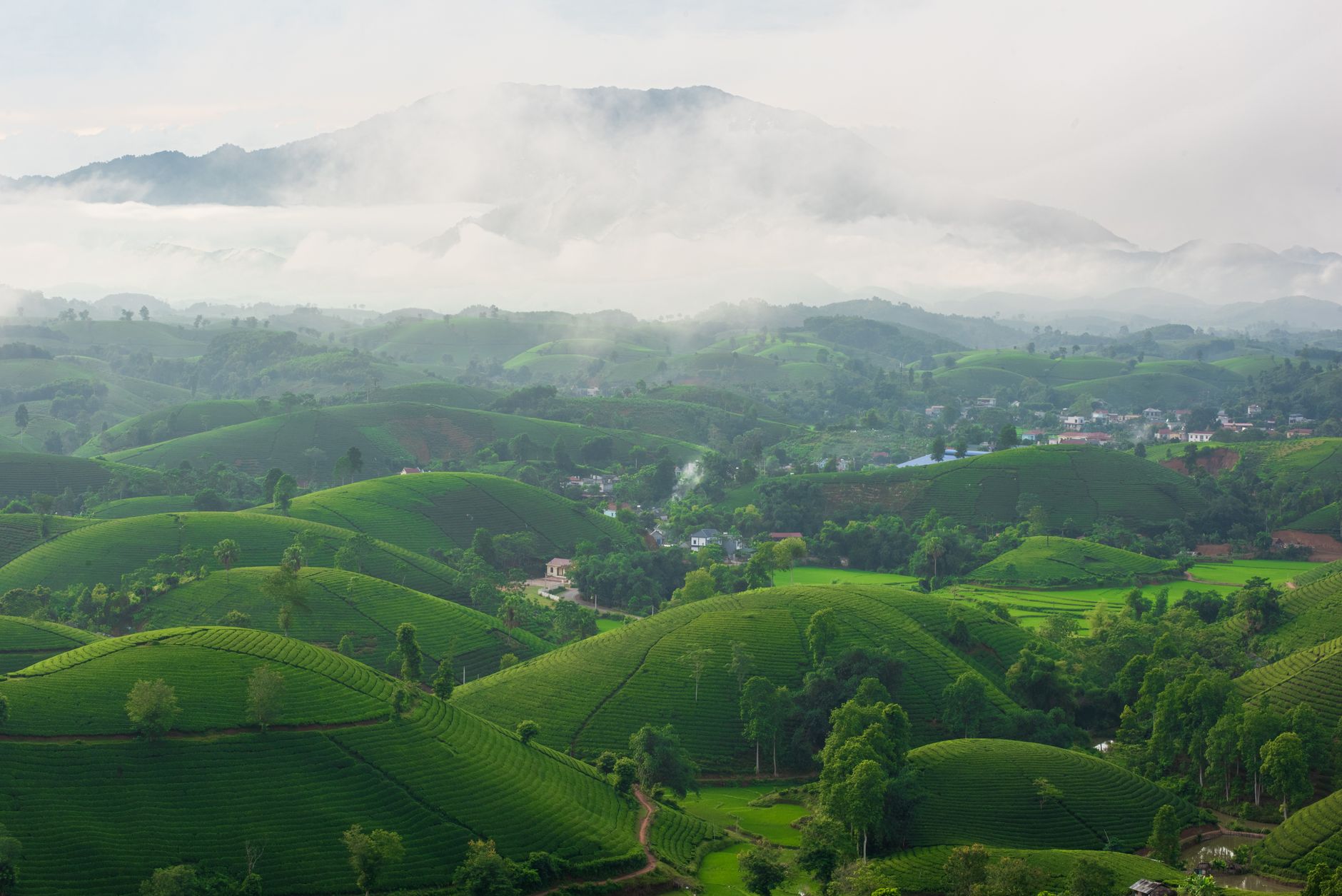
Binh Dinh is a provincial backwater relative to Hoi An or Da Nang, but that's its appeal—fewer tourists, cheaper food, and genuine everyday Vietnam. The catch: weather matters here more than most places. The province sits on the central coast where monsoons switch direction twice yearly, and picking the wrong month means soggy motorbike trips or choosing between a stuffy room and sweat.
The short answer
Visit September to April for the best balance. October to February is genuinely excellent—dry, cool-ish, and seas calm enough for island hopping. May to August is hot, sticky, and prone to heavy rain; festivals are rare, and beaches close on rough-weather days.
September to October — shoulder into gold
September is the tail of the southwest monsoon. Rain is still common, but less predictable than August. Hotels are emptier, prices drop slightly. By late September, the weather pivots: mornings clear, afternoons warm but not oppressive. Water temperature sits around 28–29°C—swimmable without hesitation.
October is when Binh Dinh really opens up. Skies are mostly clear, humidity drops, and nights become genuinely pleasant (low 20s°C). This is when you see locals actually sitting outside in the evening, not retreating indoors. Restaurants and guesthouses still have rooms; queues aren't a problem. If you're planning a motorbike loop through the Gia Lai highlands or island day trips to Cu Lao Cham (the offshore marine reserve), October is your month—visibility is sharp, seas are manageable, and the light at sunset is clean and warm.
November to February — peak season
November through February is when the northeast trade winds settle in. Days are warm (26–28°C), nights cool (18–20°C), and rain is rare. The sea flattens; visibility underwater is excellent. Hotels fill steadily from mid-November onward, especially December–January when Hanoi and Saigon send holiday travelers.
Dec–Jan is genuine peak. Prices for mid-range hotels jump 20–30%. Popular restaurants have waits. The Hung Kings Temple in nearby Ha Tinh province draws pilgrims, and family holiday traffic clogs the north-south highway. If you prefer quiet, avoid this window. If you're flexible on accommodations and don't mind sharing beach space, the weather is so stable that the trade-off is worth it.
February is the tail of peak—still good weather, slightly fewer crowds, and hotels desperate to fill rooms again as families head back to the city. If you want reliable weather without December's premium pricing, February is your sweet spot.

Photo by Md Nadim Mahmud on Pexels
March to April — heat building
March brings the pre-summer heat. Days nudge toward 30°C; humidity climbs. It's not unbearable—locals still go to the beach—but you'll notice the difference from February. Afternoon thunderstorms are occasional but brief. Hotels are quieter again; prices settle back down.
April is the last gasp of the dry season. Temperatures edge toward 32°C, and by late April the air feels thick. Tet Doan Ngo (the summer solstice festival, usually early June) isn't until later, so cultural events are sparse. This is when many travelers bail for the north or higher-altitude towns like Da Lat. Binh Dinh empties out.
May to August — the wet and warm grind
May marks the shift to the southwest monsoon. Rain returns—not constant, but frequent enough that outdoor plans get scrapped. Temperatures stay high (32–34°C), and without drying wind, humidity becomes stifling. The sea roughens; boats stop running to offshore islands. Beaches are technically open, but the vibe shifts from leisurely swimming to locals huddling under umbrellas or staying home.
June through August is the hardest sell. Heat and rain compete for dominance. Tropical downpours in the afternoon are the norm. Electricity sometimes browns out during storms. Hotels offer discounts to lure travelers, but the savings aren't worth the frustration of rain-cancelled plans. If you're stuck here for work or have deep roots, it's fine—locals manage daily life without fanfare. As a tourist, you'll be indoors or ducking between covered markets and cafes.
One exception: Tet (뗏 (베트남 설날) / 越南春节 / テト (ベトナム旧正月)) Doan Ngo (summer solstice festival) falls in early June and draws local crowds to temples and family gatherings. If you're interested in observing everyday rituals rather than tourist-circuit festivals, this is worth timing around—though expect humidity and the occasional rain shower.
Festival calendar and holiday timing
Tet Trung Thu (mid-autumn festival, August or September depending on lunar calendar) is smaller in Binh Dinh than in larger cities, but markets fill with mooncakes and lanterns, and kids parade with lanterns in the evening. Weather is still warm and occasionally rainy.
Hung Kings Festival (mid-April, lunar calendar) happens at Hung Temple in Ha Tinh province, just north of Binh Dinh. Pilgrims flock north; if you're in the region, roads get busier but the spiritual gathering is worth seeing if you're curious.
Tet (lunar new year, late January or early February depending on the year) is peak for Vietnamese family holidays. Hotels are booked weeks ahead; restaurants may close for 2–3 days. Expect crowds and higher prices, but streets and beaches are often empty during the actual holiday when families retreat indoors.

Photo by ㅤ quang vinh ㅤ on Pexels
Practical crowd levels by season
- October–November: Sweet spot. Good weather, emerging crowds, no price gouging.
- December–January: Peak holidays. Expect 70–80% hotel occupancy. Restaurants have queues 6–8 PM. Beach mornings are busy; evenings empty again.
- February–March: Relaxing. Weather still solid, crowds thin, prices gentle.
- April: Quiet. Heat builds; most tourists have moved on. Hotels offer discounts.
- May–July: Quiet but wet. Budget travelers arrive for discounts; few others.
- August–September: Transition month. Rain eases mid-month; crowds still sparse.
What to pack by season
Oct–Feb: Light layers (mornings can dip to 18°C, afternoons 27–28°C), quick-dry shirts, one light rain jacket just in case, sunscreen, sunglasses. Evenings on the coast are genuinely cool; a cotton sweater is practical, not silly.
Mar–Apr: Breathable, loose cotton, hat, sunscreen SPF 50+. Rain is unlikely but pack a compact umbrella for sudden storms.
May–Aug: Lightweight, moisture-wicking clothes, waterproof phone pouch, umbrella, sandals that dry fast. Avoid heavy fabrics; linen is your friend. Bring more socks than usual—wet feet attract fungus in heat and humidity.
Practical notes
Binh Dinh is less touristy than Hoi An or Da Nang, so fewer hotels adapt pricing to season. October–February is genuinely best for weather and comfort. February and March offer similar conditions at lower crowds. Skip May–August unless you have no choice, or unless you embrace the rainy-season vibe (quiet towns, lush green countryside, cheaper rooms). Book transport a few days ahead during December–January holidays, but normal times require no advance planning.
Last updated · May 29, 2026 · independently researched, never sponsored.