What is Dam Dong Ho?
Dam Dong Ho is a shallow, brackish-water lagoon spread across roughly 900 hectares on the eastern side of Ha Tien town in An Giang province. Fed by freshwater streams from the Cambodian border hills and connected to the sea via a narrow channel, it sits in a transitional zone — part estuary, part lake, part mangrove flat. The name translates loosely to "East Lake," though calling it a lake undersells the tidal character of the water.
Locals have fished this lagoon for generations. Crab traps, shrimp nets, and small wooden boats still dot the surface at dawn. In recent years the area has drawn more visitors — not crowds, but the kind of travelers who've already done Ha Long Bay and Phu Quoc and want something quieter, rawer, and distinctly Mekong Delta (메콩 델타 / 湄公河三角洲 / メコンデルタ).
Why travelers go
Three reasons, mostly:
-
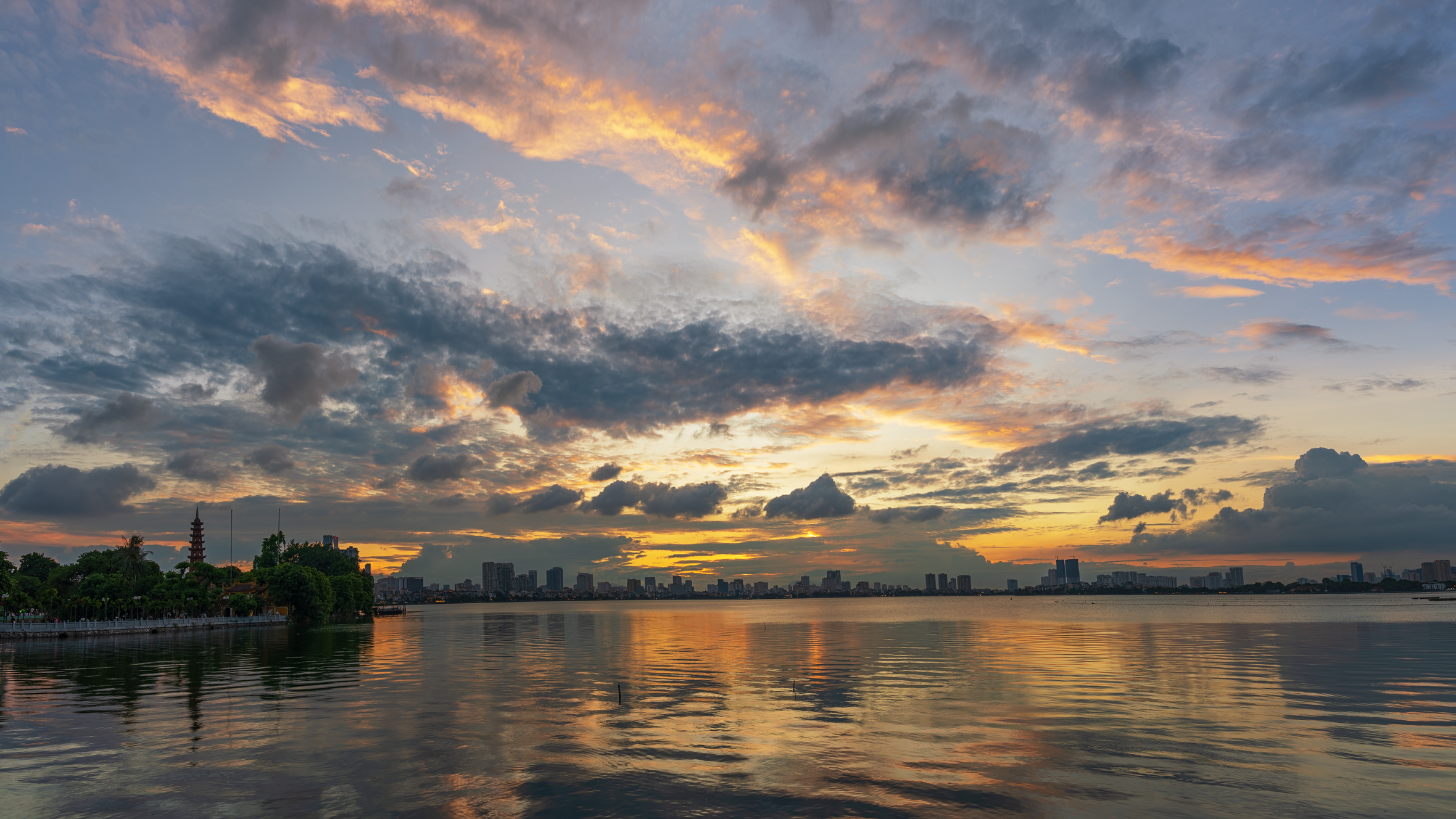
Sunsets. The lagoon faces west toward the limestone karsts of Nui Da Dung and the Cambodian hills beyond. When the sky goes orange, the silhouettes of fishing stakes and small boats against that backdrop are genuinely photogenic — no filter needed.
-
Proximity to Ha Tien. The lagoon is essentially walkable from Ha Tien's center (about 1.5 km from the market). You can pair it with a half-day in town — visit the Mac Cuu family tombs, eat "hu tieu" at the waterfront, then ride out to the lagoon for late afternoon.
-
Birds. Between September and March, migratory waterbirds use the mangrove edges as rest stops. Egrets, herons, and cormorants are common. It's no Tram Chim, but if you're already in the area, the birding is a bonus.
Best time to visit
The sweet spot is November through February — dry season in the Mekong Delta, cooler mornings, and the water level in the lagoon is moderate enough to see the mudflats and mangrove roots. The light in late afternoon during these months is particularly good.
Avoid June through August if possible. Heavy rain turns the access roads muddy, visibility drops, and the lagoon floods to a uniform grey sheet that's less interesting visually. That said, the seafood is arguably better in rainy season when the shrimp run thick.
How to get there
From Saigon: The most common route is a bus to Ha Tien (roughly 300 km, 7-8 hours via Rach Gia on Highway 80). Phuong Trang and Kumho Samco run daily departures from the Western Bus Station (Ben Xe Mien Tay). Tickets run 180,000-220,000 VND.
From Can Tho: About 180 km. Take the bus toward Rach Gia, then transfer to Ha Tien — or rent a motorbike and make a day of it along the coast road.
From Ha Tien town: Dam Dong Ho is immediately east of the town center. Cross the bridge on Tran Hau street heading toward the Dong Ho ward area. By motorbike it's 5 minutes; on foot, 20 minutes from the main market.
From Phu Quoc (푸꾸옥 / 富国岛 / フーコック): Fast ferries from Phu Quoc to Ha Tien take about 60-90 minutes (Superdong or Ngoc Thanh lines, around 230,000 VND one way). The lagoon makes an easy first stop after docking.

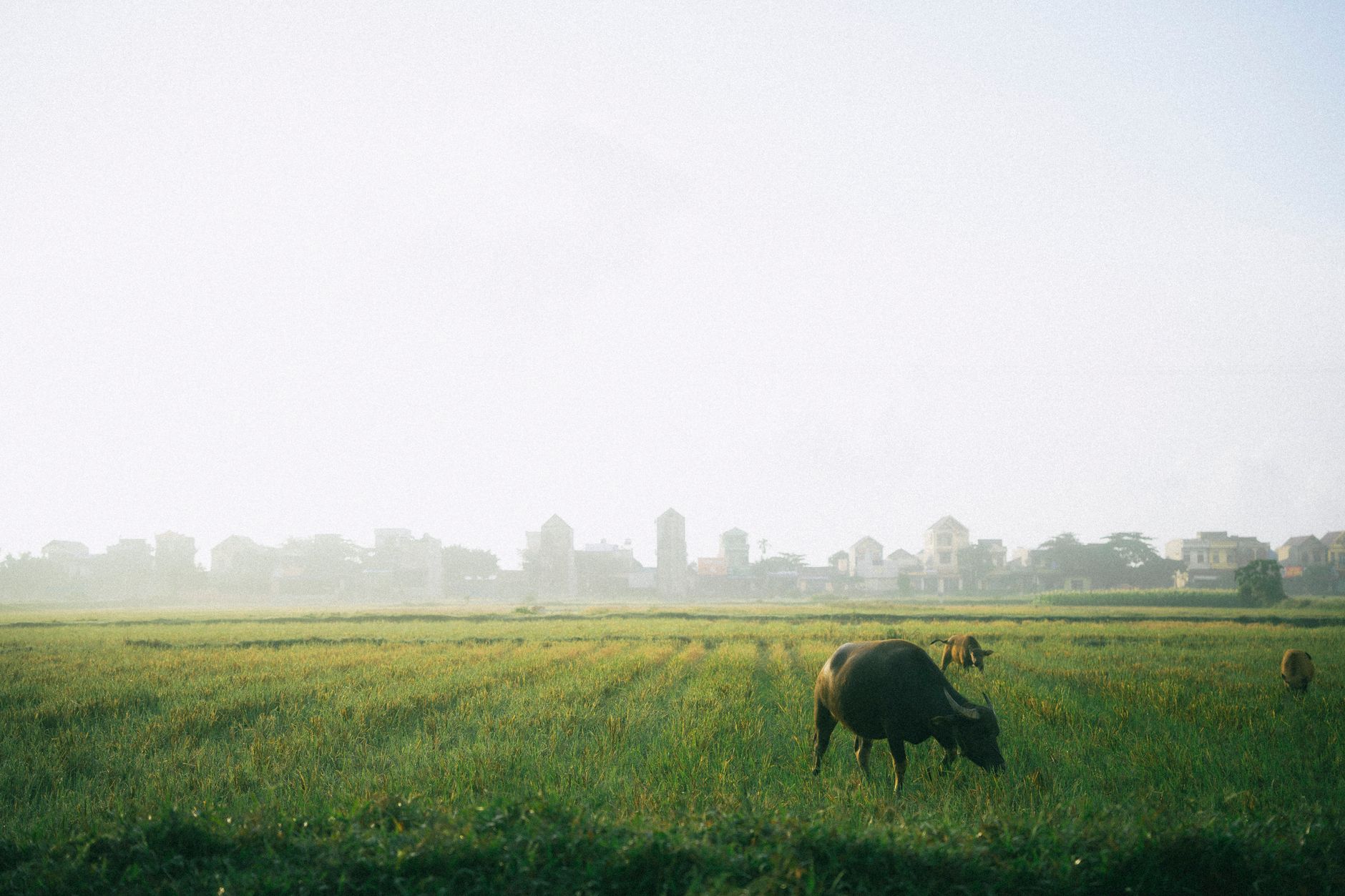
Photo by Vietnam Tri Duong Photographer on Pexels
What to do
Watch the fishing
The most satisfying activity here is passive. Find a spot along the eastern shore road in late afternoon and watch the small-scale fishing operations — basket boats checking crab traps, guys casting nets by hand, women sorting the morning catch on the bank. Nobody hassles you.
Rent a boat
Local boatmen near the Dong Ho bridge area offer short tours of the lagoon for 100,000-200,000 VND per boat (not per person — negotiate before boarding). A 45-minute loop takes you past the mangrove channels, fishing stakes, and usually a stop where you can see the freshwater springs bubbling up through the lagoon floor.
Cycle the perimeter
The road circling the southern and eastern edges of the lagoon is flat, quiet, and about 8 km total. Rent a bicycle from any guesthouse in Ha Tien (30,000-50,000 VND/day) and ride it in the early morning before the heat sets in.
Combine with Ha Tien sights
Dam Dong Ho pairs naturally with a half-day in Ha Tien town. The Thach Dong cave pagoda (4 km north), the Mac Cuu family tombs on Nui Lang hill, and the Ha Tien night market along the river are all within easy reach.
Where to eat
There's no restaurant row at the lagoon itself. Your best bet is back in Ha Tien:
- Hu tieu stands along the river promenade — the Ha Tien style "hu tieu" uses a clear pork broth with shrimp and is lighter than the Saigon version. Expect 35,000-45,000 VND per bowl.
- Seafood restaurants on Mac Thien Tich street — order crab (cua) fresh from the lagoon. A plate of steamed crab with tamarind sauce runs about 150,000-250,000 VND depending on size.
- Banh canh stalls near the market — thick tapioca noodles in crab broth. Rich, filling, 40,000 VND.
If you're exploring Can Tho before or after, the city has a much wider food scene — from "com tam" joints to upscale Mekong-fusion spots.
Where to stay
Ha Tien has decent budget and mid-range accommodation. Dam Dong Ho itself has no hotels.
- River Hotel Ha Tien — clean, river-facing rooms, 400,000-600,000 VND/night. Good location near the ferry terminal.
- Guesthouses on Phuong Thanh street — basic fan rooms from 200,000 VND. Fine for one night.
- Ha Tien Vegas Hotel — the fanciest option in town (not saying much), around 800,000 VND for a lagoon-view room.

Photo by Long Bà Mùi on Pexels
Practical tips
- Bring mosquito repellent. The mangrove edges at dusk are prime mosquito territory.
- Cash only. There's no ATM at the lagoon. Withdraw in Ha Tien town before heading out.
- Sun protection matters. There's almost no shade along the lagoon shore. Hat, sunscreen, water.
- Language. English is rare here. A few Vietnamese phrases or a translation app goes a long way. Point-and-order works at food stalls.
Common mistakes
- Showing up midday. The lagoon is flat and exposed — at noon it's just glare and heat. Come before 8 AM or after 4 PM.
- Expecting a boardwalk or visitor center. This isn't a developed attraction. There are no entrance fees, no signage, no gift shops. That's the appeal.
- Skipping Ha Tien itself. Some travelers treat Ha Tien as just a Phu Quoc ferry stop. The town has genuine character — limestone hills, Khmer-influenced temples, and some of the best cheap seafood in the delta.
Final note
Dam Dong Ho won't make anyone's top-ten Vietnam list, and that's precisely why it works. It's a quiet, photogenic lagoon attached to an underrated border town, best enjoyed slowly with a cold "bia hoi" afterward. If you're routing through Ha Tien anyway — and you probably are if Phu Quoc is on your itinerary — budget an extra half-day here.
Last updated · May 29, 2026 · independently researched, never sponsored.