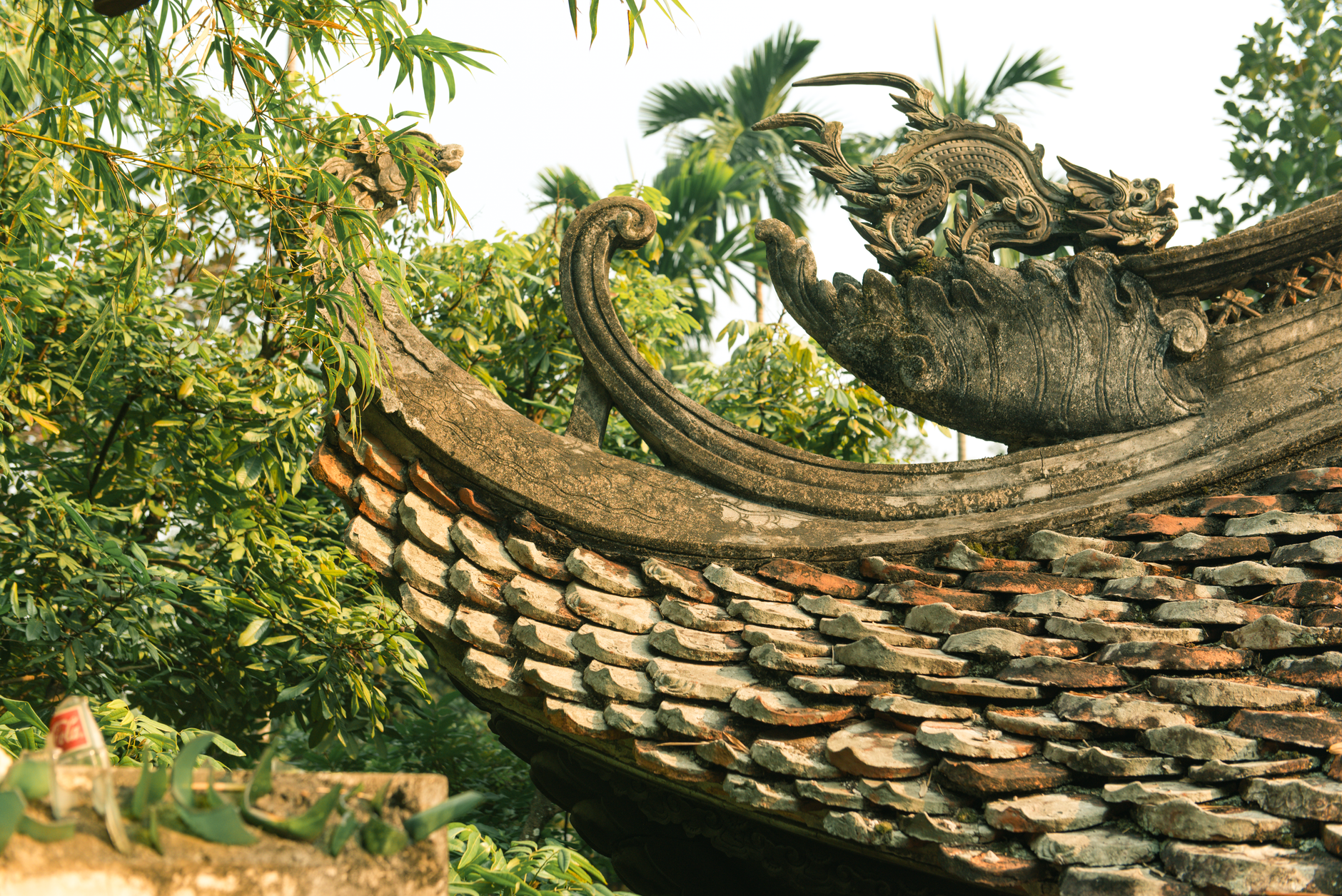
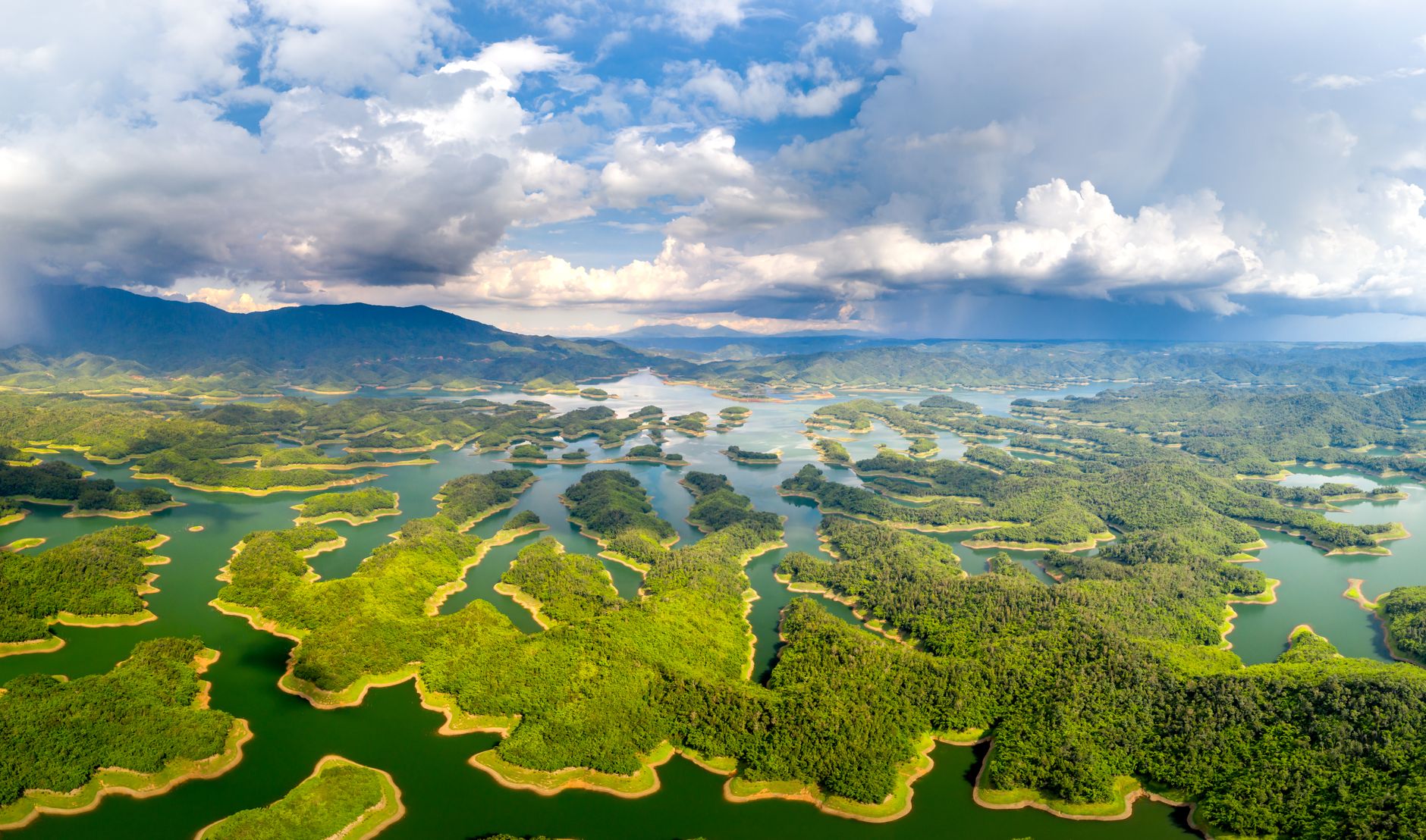
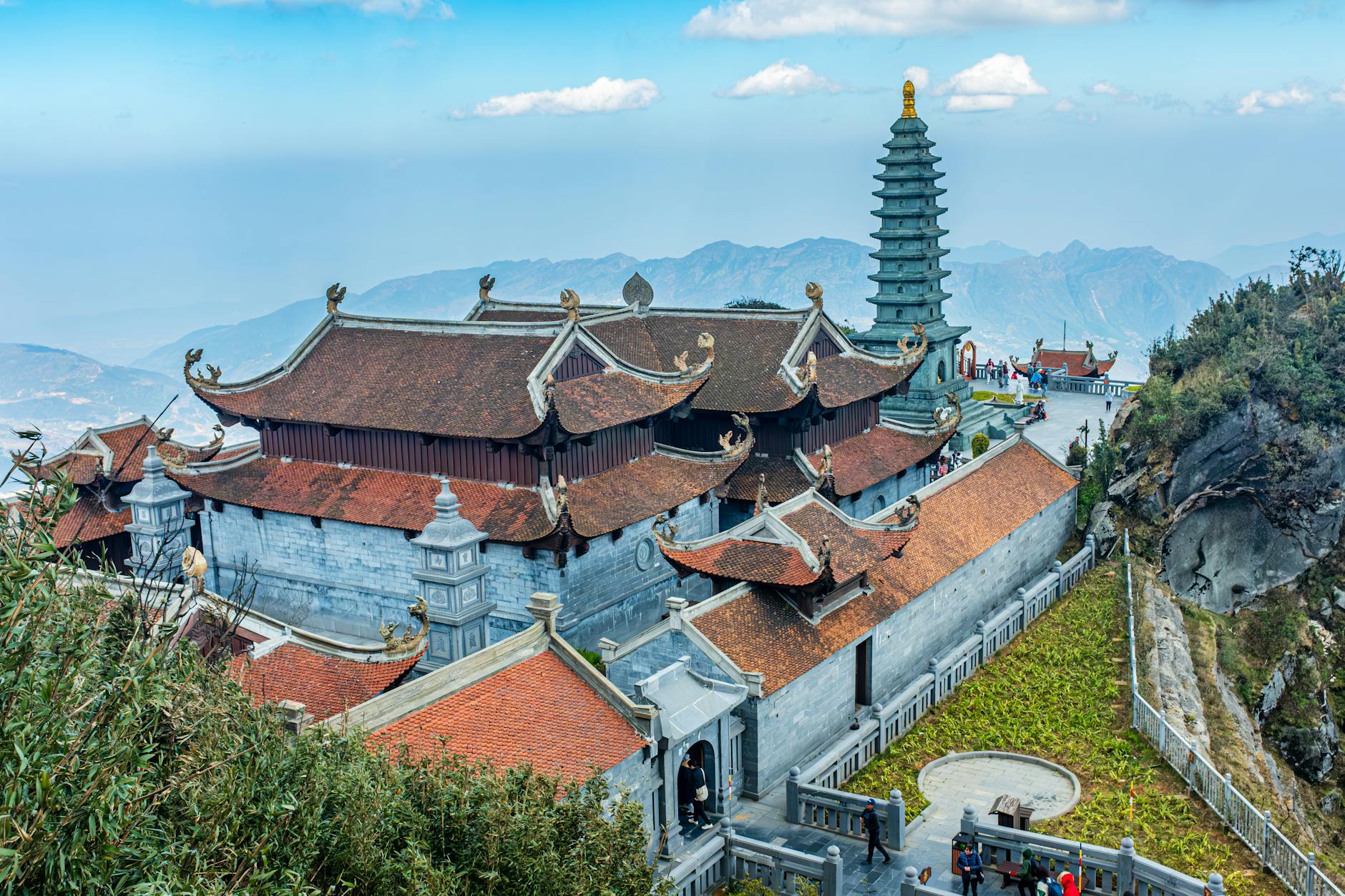
Dong Hoa Tien sits in a limestone karst hill in Phu Tho province, roughly 80 km northwest of Hanoi. It's one of those places that doesn't appear on most tourist radars, which is partly why it's worth going — you'll share the walkways with local families and school groups rather than tour buses.
What it is
Dong Hoa Tien (literally "Fairy Flower Cave") is a multi-chambered limestone cave system carved into a low karst hill near the town of Thanh Thuy, in what was formerly part of Hoa Binh province before the administrative merge with Phu Tho. The cave stretches roughly 300 meters deep into the hillside across several connected chambers, with stalactites and stalagmites that locals have named after animals, deities, and scenes from Vietnamese folklore.
The cave has been known to villagers for generations but was only developed for tourism in the early 2000s. A concrete walkway and basic lighting system run through the main chambers now. It's not a wilderness caving experience — think paved paths and colored lights — but the formations themselves are genuinely impressive, some reaching 10-15 meters from floor to ceiling.
Why travelers go
Most visitors come for a combination of the cave and the surrounding area. Thanh Thuy district is known for its natural hot springs, so a common day plan pairs a morning cave visit with an afternoon soak. The landscape along the Da River here is hilly, green, and quiet — a different feel from the flat Red River Delta closer to Hanoi (하노이 / 河内 / ハノイ).
If you're into the Hung Kings Festival or visiting the Hung Temple complex (about 50 km northeast in Viet Tri), Dong Hoa Tien works well as a side trip on the same route through Phu Tho province.
Best time to visit
The cave itself is fine year-round — temperatures inside stay cool regardless of what's happening outside. That said, the surrounding area is at its best from October through April, when humidity drops and the roads are dry. The hot springs feel particularly good in the cooler months of December and January, when daytime temperatures hover around 15-20°C.
Avoid national holidays — especially Tet and the weekends around Hung Kings Festival (usually in April) — unless you enjoy queueing. The cave path is narrow enough that crowds genuinely make it less enjoyable.
How to get there from Hanoi
By motorbike or car: Take the Thang Long highway (CT05) heading northwest, then follow QL32 toward Thanh Thuy. The drive is about 80 km and takes roughly 2 hours by motorbike, a bit less by car. Road conditions are decent — mostly two-lane highway with some village stretches where you'll slow down for market traffic.
By bus: Catch a bus from My Dinh bus station in Hanoi heading to Thanh Thuy or Thanh Son. Tickets run around 80,000-120,000 VND. From Thanh Thuy town, you'll need a "xe om" (motorbike taxi) for the last 5-6 km to the cave entrance — expect to pay 30,000-50,000 VND.
By organized tour: Some Hanoi travel agencies bundle Dong Hoa Tien with the Thanh Thuy hot springs as a day trip. Prices start around 500,000 VND per person including transport and lunch. It's convenient but limits your time at each stop.

Photo by Long Bà Mùi on Pexels
What to do
Walk the full cave system
Budget about 45-60 minutes for the complete loop through all chambers. The main hall has the tallest formations. A local guide (usually available at the entrance for 100,000-150,000 VND) will point out the named formations and explain the folklore behind them. The entry fee is around 40,000 VND for adults.
Soak in Thanh Thuy hot springs
Several hot spring resorts operate within 10 km of the cave. Water temperatures range from 38-42°C. The public pools at most resorts cost 80,000-150,000 VND per session. Suoi Khoang Nong Thanh Thuy is the most established facility. Private soaking tubs are available at higher-end spots for 300,000-500,000 VND.
Hike the surrounding karst hills
The limestone hills around the cave have informal trails that local herders use. Nothing is signposted, but a 30-minute scramble up the hill above the cave entrance gives you a wide view over the Da River valley. Wear proper shoes — the rock is sharp and slippery after rain.
Visit a Muong village
Thanh Thuy has a significant Muong ethnic population. Some villages near the cave still have traditional stilt houses. If you're polite and ask first, families are generally welcoming. This area connects culturally to the Muong communities you'd find further into Hoa Binh — it's the same highland group, same architecture, same rice wine traditions.
Stop at Hung Temple on the way back
If you're driving yourself, the Hung Kings Temple complex in Viet Tri is a natural add-on. It's about 50 km northeast of Dong Hoa Tien and is the mythological birthplace of the Vietnamese nation. Worth an hour or two, especially outside festival season when it's calm.
Where to eat nearby
Thanh Thuy town has basic "com binh dan" (everyday rice) shops along the main road. The local specialty worth seeking is "com lam" — sticky rice cooked inside bamboo tubes over charcoal, a Muong staple. You'll find it at roadside stalls for 15,000-25,000 VND per tube. Pair it with grilled mountain chicken ("ga doi") if you see it on a menu — free-range birds from the hills, noticeably different from city poultry. A full meal at a local restaurant runs 80,000-150,000 VND per person.
On the drive back toward Hanoi, the stretch through Son Tay has good "pho" and "bun cha" shops if you want something more familiar.
Where to stay
Most people visit Dong Hoa Tien as a day trip from Hanoi, but if you want to stay overnight:
- Budget: Guesthouses ("nha nghi") in Thanh Thuy town run 200,000-350,000 VND per night. Basic but clean enough. Don't expect English.
- Mid-range: The hot spring resorts offer rooms from 600,000-1,200,000 VND per night, usually including access to the thermal pools.
- Homestay: A few Muong homestays operate in the villages near the cave. Expect 300,000-500,000 VND per person including dinner and breakfast. These fill up on weekends — call ahead.
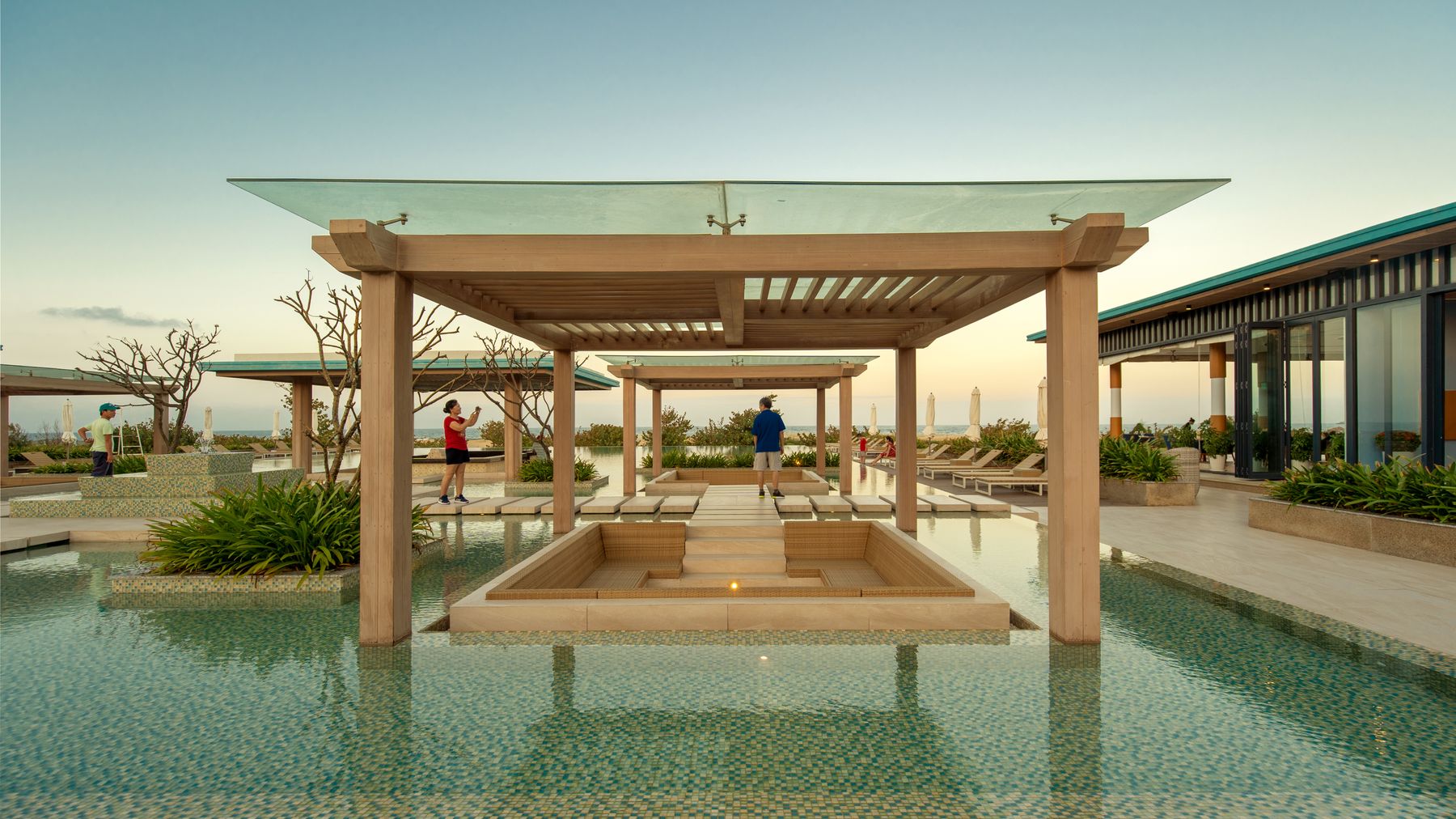
Photo by Trần Chính on Pexels
Practical tips locals would tell you
- Bring a light jacket for the cave — it's noticeably cooler inside, especially if you're sweaty from the drive.
- The colored lighting inside the cave is... aggressive. If you're a photographer, bring a headlamp or small flashlight to see the natural rock colors.
- Wear shoes with grip, not sandals. The cave floor is damp and the concrete walkway gets slick.
- Carry cash. Nothing in Thanh Thuy takes cards reliably.
- If you're riding a motorbike, fill up in Son Tay. Fuel stops thin out past that point.
Common mistakes to avoid
- Trying to combine too much in one day. Cave, hot springs, and Hung Temple is doable but rushed. Pick two.
- Coming on a weekend without a plan. Hanoi families flood Thanh Thuy on Saturdays. The cave and hot springs both get noticeably busier.
- Skipping the guide. The cave is more interesting with context. Without the folklore explanations, it's just rocks — with them, it's a story.
- Expecting Ha Long Bay underground. Dong Hoa Tien is a pleasant regional cave, not Phong Nha (퐁냐 / 峰牙 / フォンニャ). Calibrate your expectations and you'll enjoy it more.
Practical notes
Dong Hoa Tien works best as a low-key day trip from Hanoi or a weekend paired with the hot springs. It's not a destination you'd fly across the country for, but if you're in northern Vietnam and want a break from city noise without committing to a multi-day trek to Sapa or Ha Giang, this is a solid option that most visitors to the country never hear about.
Last updated · May 29, 2026 · independently researched, never sponsored.