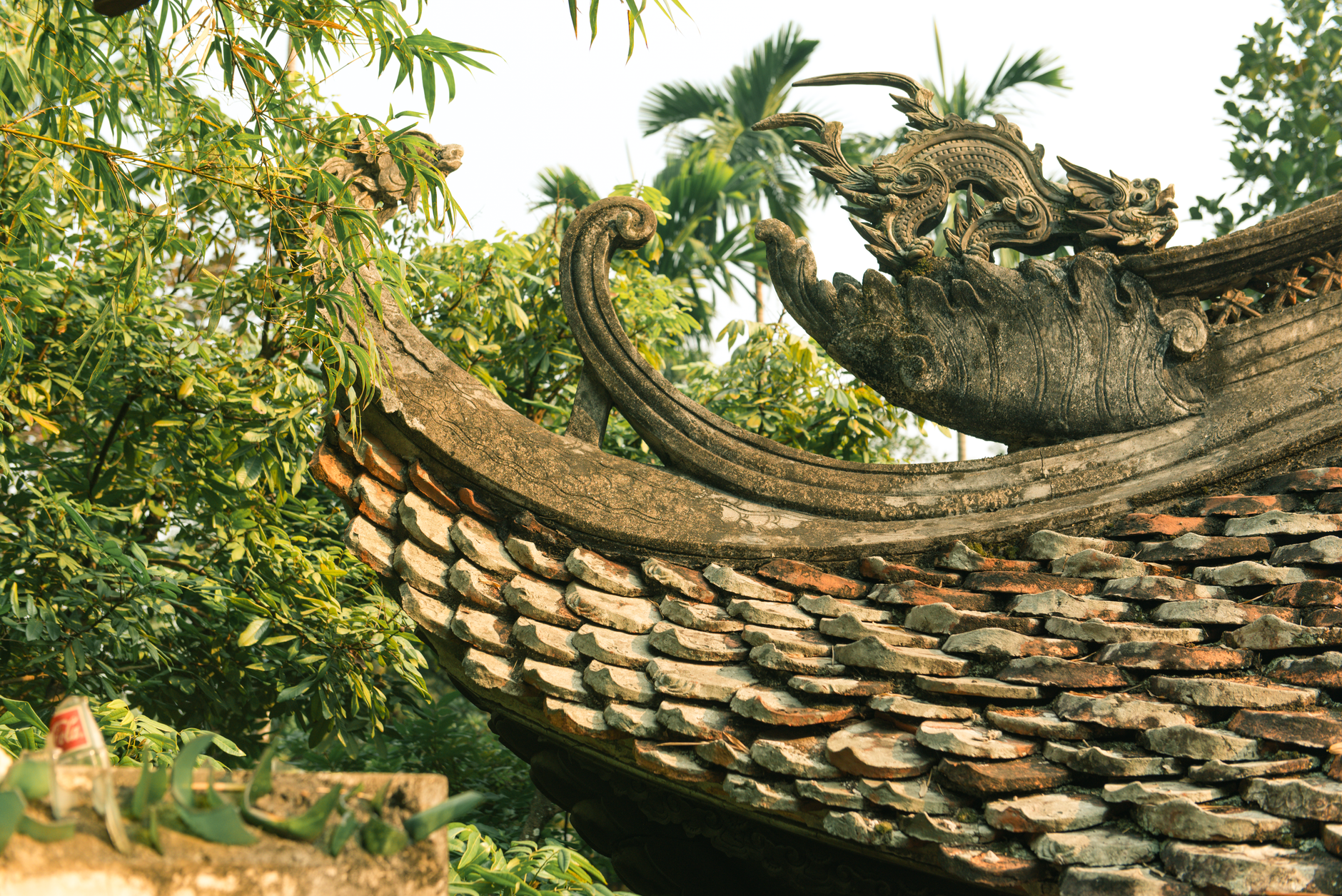
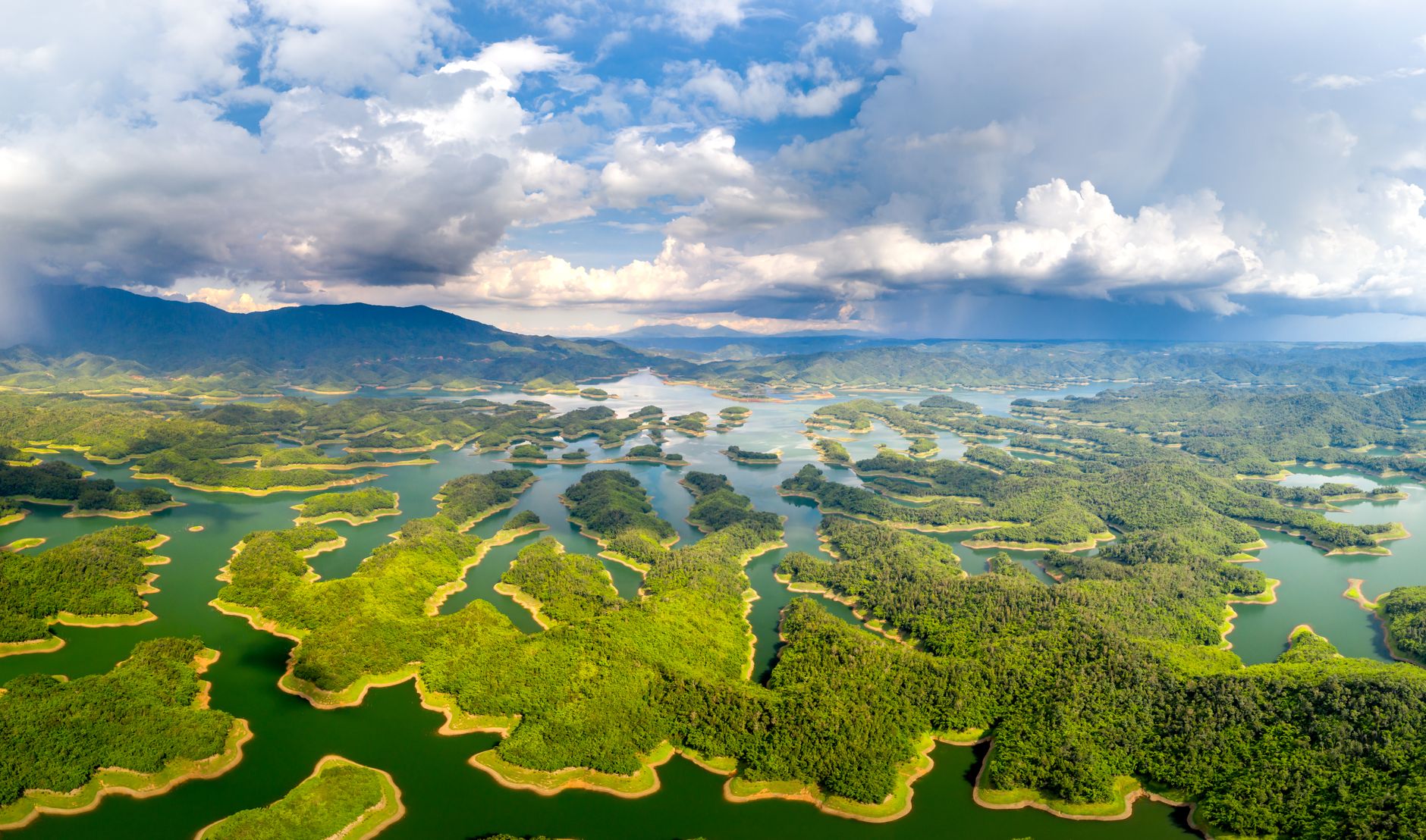
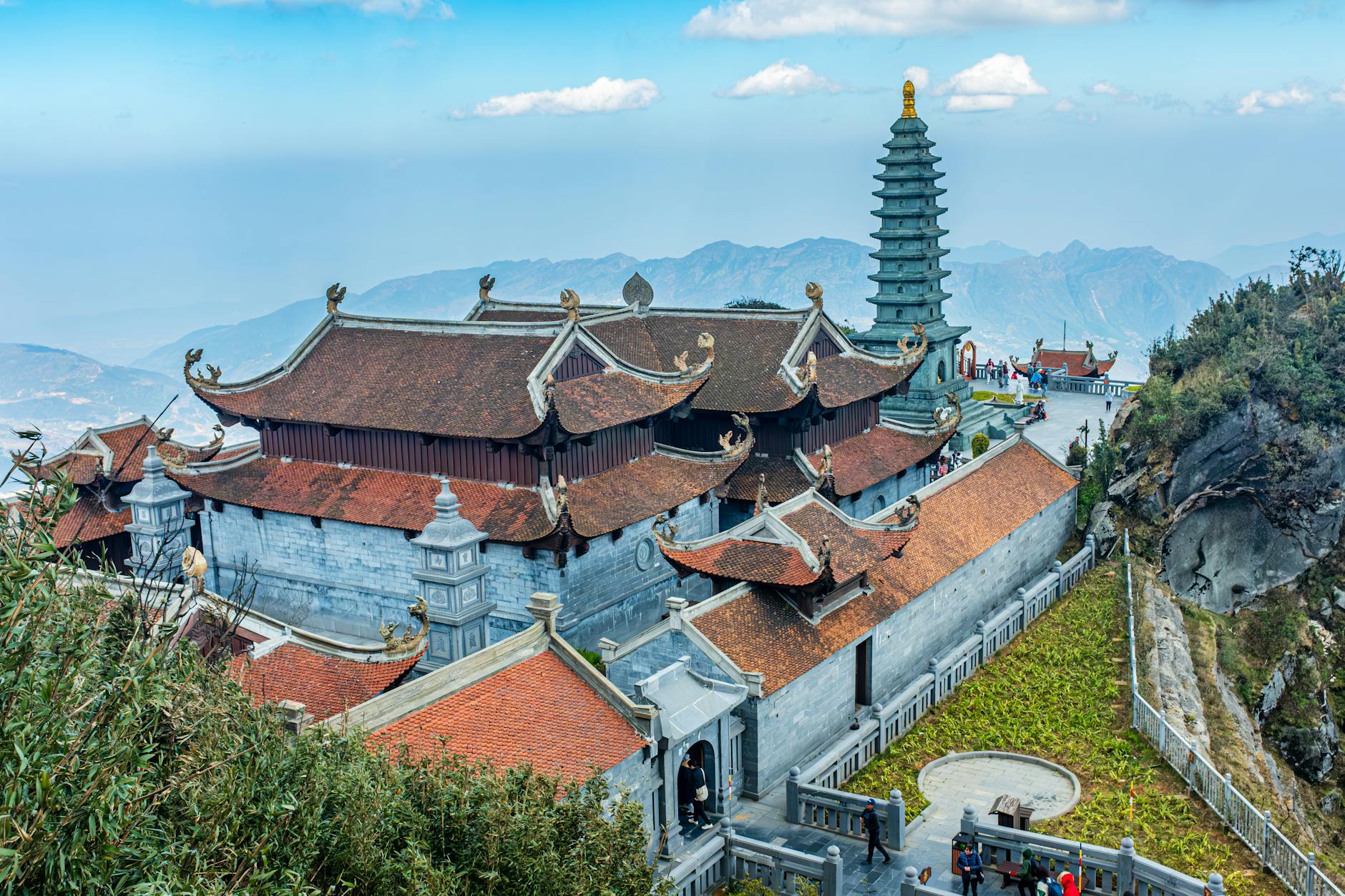
Phu Tho province doesn't make many foreign traveler itineraries, which is exactly why the ones who do show up tend to have the place mostly to themselves. Tuong Dai Bac Ho Hoa Binh — a large Ho Chi Minh (호치민 / 胡志明 / ホーチミン) monument in the area formerly administered as Hoa Binh district (now merged into greater Phu Tho) — sits at the center of a public square that doubles as the social hub for the surrounding neighborhoods. It's not a theme park. It's a civic landmark with a surprisingly pleasant park setting, and it makes a worthwhile stop if you're already heading through the province toward the Hung Kings Festival grounds or deeper into the northern midlands.
What it is
The monument is a full-standing statue of Ho Chi Minh set on a raised granite pedestal, surrounded by a tiled public square with manicured gardens and benches. The square was built as a civic gathering point, and on weekday mornings you'll find elderly residents doing tai chi, kids on scooters after school, and the occasional wedding photo crew. It's a working public space, not a ticketed attraction — which is part of what makes it interesting to visit. The design is typical of Vietnamese civic squares: clean symmetry, flagpoles, flower beds arranged in geometric patterns, and wide open sightlines.
For travelers, the real draw is context. This is what a small northern Vietnamese town center actually looks like when it isn't built for tourists. You get an honest snapshot of daily civic life.
Why travelers go
Most visitors here are domestic — families on day trips, students on school outings, locals walking their evening loops around the square. Foreign travelers who stop tend to be cycling or motorbiking through Phu Tho province on their way between Hanoi and points further northwest. The square is a clean, shaded place to rest, take some photos, and get oriented before continuing.
If you're interested in Vietnamese civic architecture and public space design, the monument and its surrounding layout are a solid example of how provincial towns organize their centers. It's also a useful jumping-off point for exploring Phu Tho's broader attractions, including the Hung Temple complex — the spiritual seat of the Hung Kings Festival, one of Vietnam (베트남 / 越南 / ベトナム)'s most significant annual events.
Best time to visit
Phu Tho has a subtropical climate with a cool, dry season from October through March and a hot, rainy stretch from May to September. November to February is the most comfortable window — temperatures sit around 18–24°C during the day, humidity is lower, and the gardens around the square look their best.
If you time your trip around the Hung Kings Festival (usually falling in March or April on the lunar calendar), you'll find the entire province in a festive mood, with ceremonies, processions, and a noticeable uptick in energy around civic spaces like this one. The square can get crowded during festival weekends, but it's a lively kind of crowded.
Avoid July and August unless you enjoy sweating through your shirt by 9 a.m.
How to get there from Hanoi
Phu Tho town is roughly 85 km northwest of Hanoi, and the drive takes about 2–2.5 hours depending on traffic and your vehicle.
- Bus: Regular buses depart from My Dinh Bus Station in Hanoi heading to Viet Tri (Phu Tho's main city). Tickets run 80,000–120,000 VND. From Viet Tri, it's a short 15–20 km ride to the monument area via local bus or xe om (motorbike taxi) for around 30,000–50,000 VND.
- Motorbike: A straightforward ride on the Noi Bai–Lao Cai expressway (QL2), then cut south toward Phu Tho town. Budget about 2 hours if you ride at a moderate pace. This is a common route for bikers heading toward Sapa or Ha Giang.
- Car/taxi: A private car from Hanoi runs around 800,000–1,200,000 VND one way. Grab cars are available to Viet Tri but less reliable for the last stretch into smaller towns.

Photo by David Tran on Pexels
What to do
Walk the square at golden hour
The square faces east-west, so late afternoon light hits the statue and gardens well. This is also when locals come out — vendors set up drink carts, families stroll, and the whole place takes on an easy, end-of-day rhythm. Bring a camera.
Visit the Hung Temple complex
Only about 10 km away, Den Hung (the Hung Kings Temple) is the main reason most people visit Phu Tho province at all. The temple complex sits on Nghia Linh mountain and is tied to the origin story of the Vietnamese people. Entry is 10,000 VND for adults. Allow 2–3 hours to walk the full grounds.
Cycle the surrounding villages
The roads around the monument area wind through flat-to-gently-rolling farmland — tea plantations, rice paddies, pomelo orchards. Rent a bicycle from your guesthouse or bring your own and do a 15–20 km loop. You'll pass through unhurried villages where the main activity is drying rice on the roadside.
Check the local market
The nearest morning market typically operates from around 5:30–8:00 a.m. and is stocked with seasonal produce, river fish, and local snacks. It's a working market, not a tourist one, so don't expect English signage — but prices are honest and the "banh cuon" here is worth an early alarm.
Where to eat nearby
Phu Tho's food scene is humble but specific. Two things to seek out:
- "Banh cuon" Phu Tho style — steamed rice rolls filled with minced pork and wood ear mushroom, served with a lighter dipping sauce than the Hanoi version. Look for stalls near the market that have a queue by 7 a.m. Expect to pay 20,000–30,000 VND per plate.
- "Thit chua" (sour fermented pork) — a regional specialty of Phu Tho. Pork is cured with rice powder and galangal, wrapped in banana leaves, and left to ferment for a few days. It's tangy, funky, and completely addictive with cold beer. You'll find it at most local com binh dan (rice-and-sides) restaurants for 15,000–25,000 VND a portion.
Wash it down with "bia hoi" if you spot a sidewalk joint — the local draft beer culture in northern towns like this is alive and well.
Where to stay
Accommodation in the immediate area is basic — think guesthouses and "nha nghi" (local inns), not boutique hotels.
- Budget (200,000–400,000 VND/night): Simple fan or air-con rooms with private bathrooms. Clean enough, rarely fancy. Look for places on the main road into town.
- Mid-range (500,000–800,000 VND/night): A handful of mini-hotels in Viet Tri offer nicer rooms with hot water, Wi-Fi, and breakfast included. Viet Tri is the better base if you want more dining options at night.
- No luxury tier exists here. If you need a proper hotel, Viet Tri's Muong Thanh branch is the closest thing to a reliable chain option.

Photo by Valeria Drozdova on Pexels
Practical tips locals would tell you
- Bring cash. Card payments are rare outside Viet Tri. ATMs exist but aren't on every corner.
- Dress modestly if you plan to visit Hung Temple the same day — shoulders and knees covered, as with any Vietnamese religious site.
- Mornings are better for photos at the square. By midday in summer, the heat and glare make everything flat.
- Vietnamese coffee from a sidewalk stall near the square costs about 12,000–15,000 VND for an iced black — order "ca phe da" and point at the size you want.
Common mistakes to avoid
- Skipping Phu Tho entirely on the way north. Most travelers blast through on the expressway toward Sapa or Ha Giang without stopping. Even a 2-hour detour here gives you something those tourist-heavy destinations can't — normalcy.
- Arriving too late in the day. Markets close by mid-morning, and the square is quietest (and hottest) around noon. Plan to arrive by early afternoon at the latest.
- Expecting English menus. Download Vietnamese phrases or use a translation app. Google Translate's camera mode works well for menus in a pinch.
Practical notes
Tuong Dai Bac Ho Hoa Binh isn't a destination you'd fly across the world to see — but if you're passing through Phu Tho province, it's a genuine, unhurried stop that shows you a side of northern Vietnam most travelers miss. Pair it with Den Hung and a morning market breakfast, and you've got a solid half-day before continuing north.
Last updated · May 29, 2026 · independently researched, never sponsored.