What it is
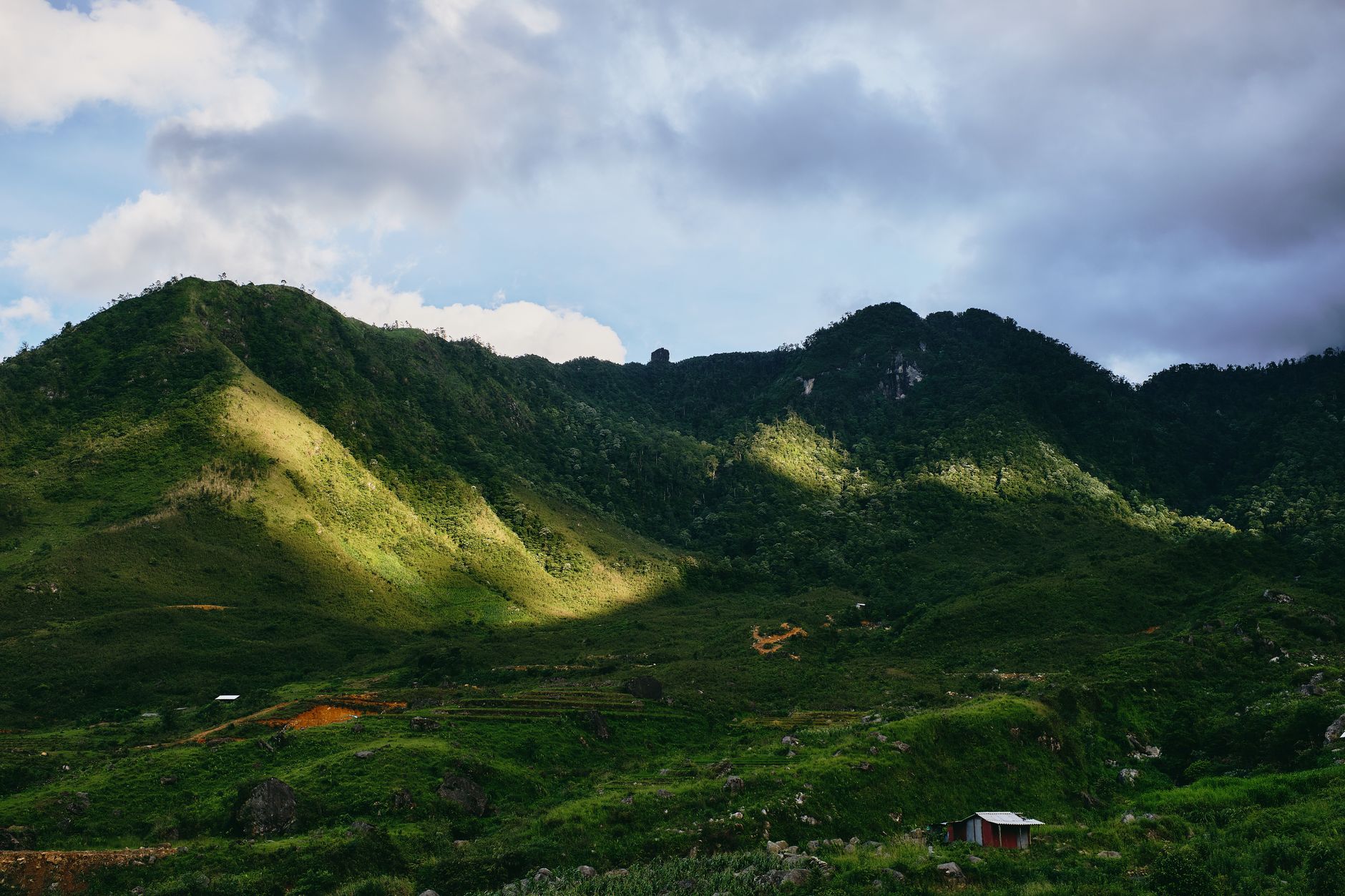
About 30 km east of Dien Bien Phu city, tucked under dense forest canopy in Muong Phang commune, sits the reconstructed command headquarters where General Vo Nguyen Giap directed the 1954 Battle of Dien Bien Phu. The site — known locally as So Chi Huy Chien Dich Muong Phang — is a cluster of thatched-roof huts, underground bunkers, and simple wood-and-bamboo structures spread across a hillside. It was chosen precisely because the thick jungle canopy made it nearly invisible from the air.
Today, the site is preserved as a national historical relic. It's not a museum with glass cases and multimedia screens. It's the actual forest, with reconstructed shelters along dirt paths, hand-lettered signs, and the kind of quiet that makes you hear your own breathing. If you're already in Dien Bien, this is the single most worthwhile historical site outside the city center.
Why travelers go
Most visitors to Dien Bien spend their time at the central battlefield sites — Hill A1, the De Castries bunker, the Dien Bien Phu Museum. Muong Phang offers something different. It's not a battlefield. It's the place where strategy happened, and the forest setting gives it a completely different atmosphere from the open valley floor downtown.
The drive alone is worth it. The road from Dien Bien Phu city winds through rice paddies, Thai ethnic minority villages with their distinctive stilt houses, and forested hills. You get a sense of how remote and difficult this terrain was — and still is — for military operations. History aside, Muong Phang is also just a good reason to get out of the small city and into the surrounding countryside.
Best time to visit
Dien Bien province has a subtropical climate with a distinct wet and dry season. The best months are October through April, when skies are clearer and trails around the site aren't muddy. March and early April can be particularly good — the weather is warming up, and you'll overlap with the anniversary commemorations of the battle (May 7, 1954), when the site sees more activity and occasional ceremonies.
Avoid July and August if you can. Heavy rain turns the forest paths slippery, and fog can settle into the valley for days. The site is still open, but you'll spend more time watching your feet than looking at the surroundings.
How to get there
From Hanoi, the most common route is a bus to Dien Bien Phu city — roughly 10-12 hours, departing from My Dinh bus station. Tickets run about 350,000-450,000 VND for a sleeper bus. Several operators run overnight services, arriving early morning.
Flying is faster. Vietnam Airlines operates daily flights from Hanoi (하노이 / 河内 / ハノイ) to Dien Bien Phu (about 1 hour), with tickets typically 800,000-1,500,000 VND if booked in advance. The airport is small and right at the edge of town.
From Dien Bien Phu city to Muong Phang, it's 30 km east on a paved two-lane road. No public bus runs this route. Your options:
- Motorbike rental: 120,000-150,000 VND/day from most guesthouses in town. The road is straightforward, mostly flat with gentle curves. Budget about 40 minutes each way.
- Xe om (motorbike taxi): Negotiate 150,000-200,000 VND for a round trip with waiting time.
- Car or taxi: Around 400,000-500,000 VND round trip. Ask your hotel to arrange it.
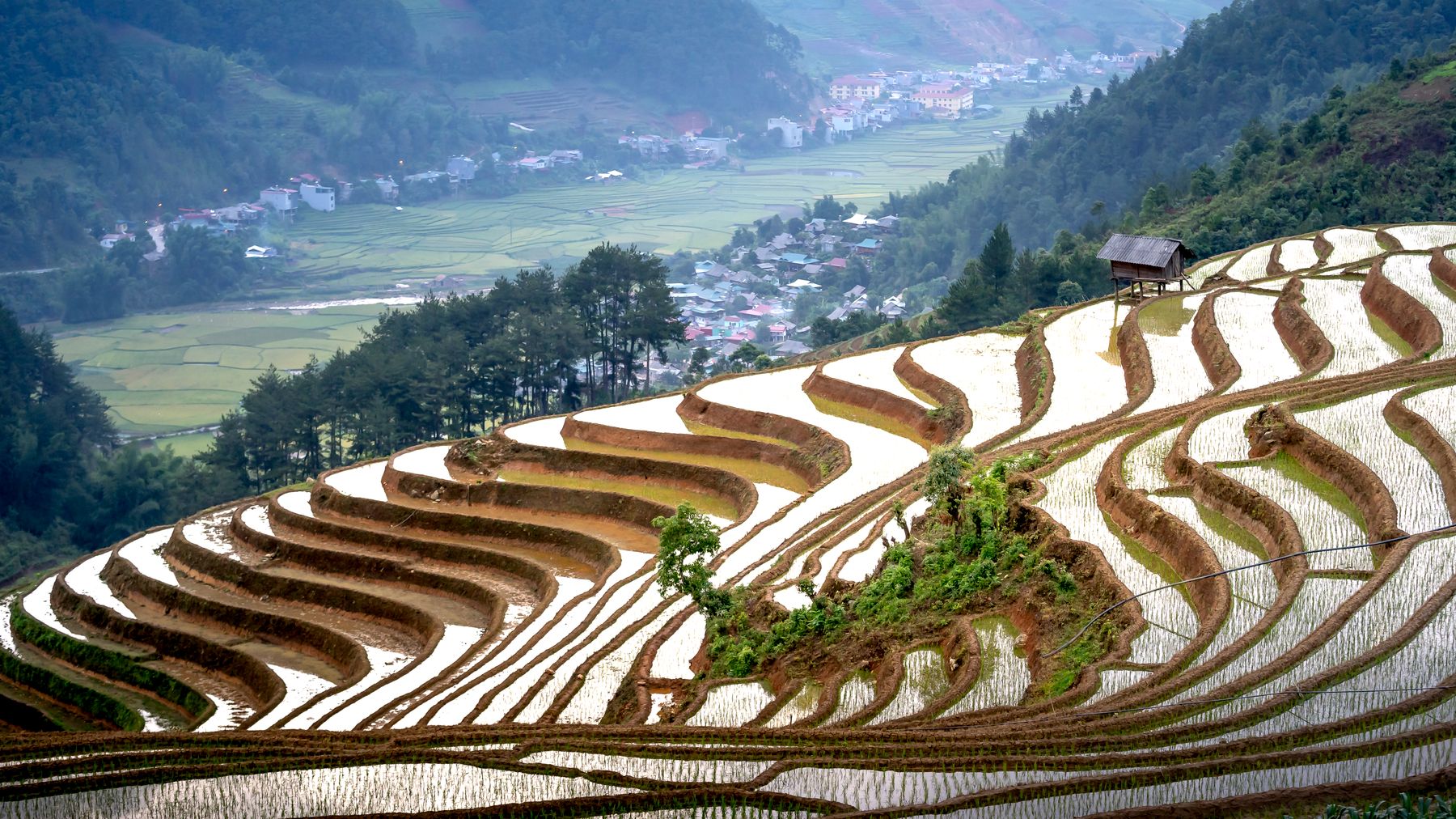
Photo by Quang Nguyen Vinh on Pexels
What to do at the site
Walk the command post trail
The main path loops through the forest past reconstructed shelters — General Giap's working quarters, the communications room, the operations planning hut, sleeping quarters for staff officers. Each is a simple bamboo-and-thatch structure, some partially dug into the hillside. The whole loop takes 45 minutes to an hour at a relaxed pace. Signage is in Vietnamese with some English translations.
Visit the underground bunker
Partway along the trail, you'll find the entrance to a small underground shelter used during air raids. It's narrow and low-ceilinged — not for the claustrophobic — but it drives home how basic conditions were. Bring a phone flashlight.
Check the old artillery positions
Scattered along the perimeter are a few preserved gun emplacements and anti-aircraft positions, some with original equipment. They're easy to miss if you rush through, so take your time on the side paths.
Sit at the forest overlook
Near the end of the loop trail, there's a clearing with views across the valley toward Muong Phang village. No signs point to it — just follow the wider path past the last shelter. It's a good place to stop and absorb the scale of the landscape.
Talk to the site caretakers
The staff here are local, and some are genuinely knowledgeable. If you speak any Vietnamese — or bring a translation app — a short conversation adds context that the signage doesn't cover. Entry is free, though there's a small donation box.
Where to eat nearby
Muong Phang commune doesn't have a restaurant strip. Your best bet is to eat in Dien Bien Phu city before or after. Two things to look for:
- "Pho" in Dien Bien leans toward the Hanoi style — clear broth, simple toppings — but local versions sometimes add dried buffalo meat, a regional specialty. Try the cluster of pho stalls near the central market. A bowl runs 35,000-45,000 VND.
- Grilled stream fish (ca nuong) is common at local eateries along the road between the city and Muong Phang. Small restaurants in Thai villages sometimes serve it wrapped in banana leaves with herbs. Ask your driver to stop — portions cost around 80,000-120,000 VND.
If you're heading back to Hanoi and want something familiar, Dien Bien Phu city has a few "com tam" and "banh mi" spots near the bus station area.
Where to stay
Dien Bien Phu city is your base. Options are limited compared to Hanoi or Sapa (사파 / 沙坝 / サパ) but adequate:
- Budget guesthouses: 200,000-350,000 VND/night. Basic rooms, fan or AC, hot water. Muong Thanh area near the central roundabout has several.
- Mid-range hotels: 500,000-800,000 VND/night. Cleaner rooms, breakfast included, motorbike rental arranged. Him Lam area has newer builds.
- Top end (locally): The Muong Thanh Grand Dien Bien Phu hotel is the nicest in town at around 900,000-1,200,000 VND/night. Nothing fancy by big-city standards, but comfortable.
There are no homestays at Muong Phang itself, though some travelers arrange overnight stays in nearby Thai stilt-house villages through local contacts. Ask at your hotel — availability is informal and seasonal.

Photo by Optical Chemist on Pexels
Practical tips locals would tell you
- Wear long pants and closed shoes. The forest trails are uneven, and mosquitoes are persistent, especially in the wet months. Bring repellent.
- Go in the morning. The forest is cooler before noon, and you'll have the place more to yourself. Afternoon tour groups from the city tend to arrive around 1-2 PM.
- Bring water. There's no shop at the site. The nearest convenience store is back in town.
- Combine with Hill A1 and the Dien Bien Phu Museum in the city center for a full day of historical sites. Together, they give you the complete picture — strategy at Muong Phang, combat at Hill A1, context at the museum.
Mistakes to avoid
- Don't rush it. Some visitors drive out, snap a few photos at the entrance, and leave within 15 minutes. The site rewards slow walking. Budget at least 90 minutes.
- Don't skip the drive itself. The scenery between the city and Muong Phang is part of the experience. If you're on a motorbike, stop at the villages along the way.
- Don't expect English signage everywhere. It exists at major points but is patchy. Download Vietnamese on Google Translate offline before you go.
- Don't visit only Muong Phang and skip the city sites. Without the museum and battlefield context, the command post can feel like a walk in the woods with some huts. The sites complement each other.
Practical notes
Muong Phang is open daily, generally from 7:00 AM to 5:00 PM. Entry is free. The site has basic toilet facilities near the parking area. Mobile signal (Viettel works best in Dien Bien province) is weak but present. Budget a half-day for the round trip from the city including time at the site.
Last updated · May 26, 2026 · independently researched, never sponsored.