What it is
Kon Ka Kinh National Park sits in the northern part of Gia Lai province in Vietnam's Central Highlands (중부 고원 / 中部高原 / 中部高原), about 50 km northeast of Pleiku. The park covers roughly 42,000 hectares of evergreen and semi-evergreen montane forest, climbing from around 600 m elevation to the 1,748 m summit of Kon Ka Kinh — the highest peak in the region. UNESCO recognized it as an ASEAN Heritage Park in 2003.
The park protects one of the last significant populations of the grey-shanked douc langur, a primate found only in central Vietnam (베트남 / 越南 / ベトナム). There are also black-shanked doucs, gibbons, pygmy slow lorises, and over 400 bird species documented here. If you care about wildlife and old-growth forest more than Instagram spots, this is your park.
Why travelers go
Honestly? Almost none do. That's the draw. Kon Ka Kinh gets a fraction of the visitors that Phong Nha or Sapa attract. People come here for:
- Trekking through genuinely undisturbed forest — not a manicured trail with handrails, but actual jungle with leeches and river crossings
- Primate watching — grey-shanked douc langurs are easier to spot here than anywhere else
- The summit hike — a challenging full-day or overnight trek to 1,748 m with views across the highlands
- Ethnic minority villages — Bahnar communities on the park's edges, with traditional "rong" communal houses still in active use
This isn't a park you casually drop into for an hour. It rewards people willing to spend 2-3 days.
Best time to visit
The Central Highlands have a dry season from November to April and a wet season from May to October. For trekking Kon Ka Kinh:
- Best months: December through March. Cool temperatures (15-22°C at elevation), minimal rain, clearer trails.
- Acceptable: November and April — transitional, occasional showers but manageable.
- Avoid: June through September. Trails flood, leeches multiply tenfold, river crossings become dangerous, and rangers may restrict access to the summit trail.
Mornings are best for wildlife — doucs are most active between 6:00 and 9:00 AM.
How to get there
The park entrance is near Mang Yang district, roughly 50 km from Pleiku.
Getting to Pleiku:
- Fly into Pleiku (Chu Lai Airport code PXU) — Vietnam Airlines and VietJet run daily flights from Hanoi and Saigon. Tickets typically 800,000-1,500,000 VND one way.
- Bus from Da Nang (7-8 hours), Quy Nhon (4 hours), or Saigon (12 hours via sleeper bus).
Pleiku to the park:
- Rent a motorbike in Pleiku (150,000-200,000 VND/day) and ride QL19 east toward Mang Yang, then turn north on DT669. The road is paved but narrow in sections. About 1.5 hours.
- Hire a car with driver through your hotel — expect 800,000-1,200,000 VND for a return trip with waiting time.
- No public bus runs directly to the park entrance.
You need to register at the park management office before entering. Bring your passport.

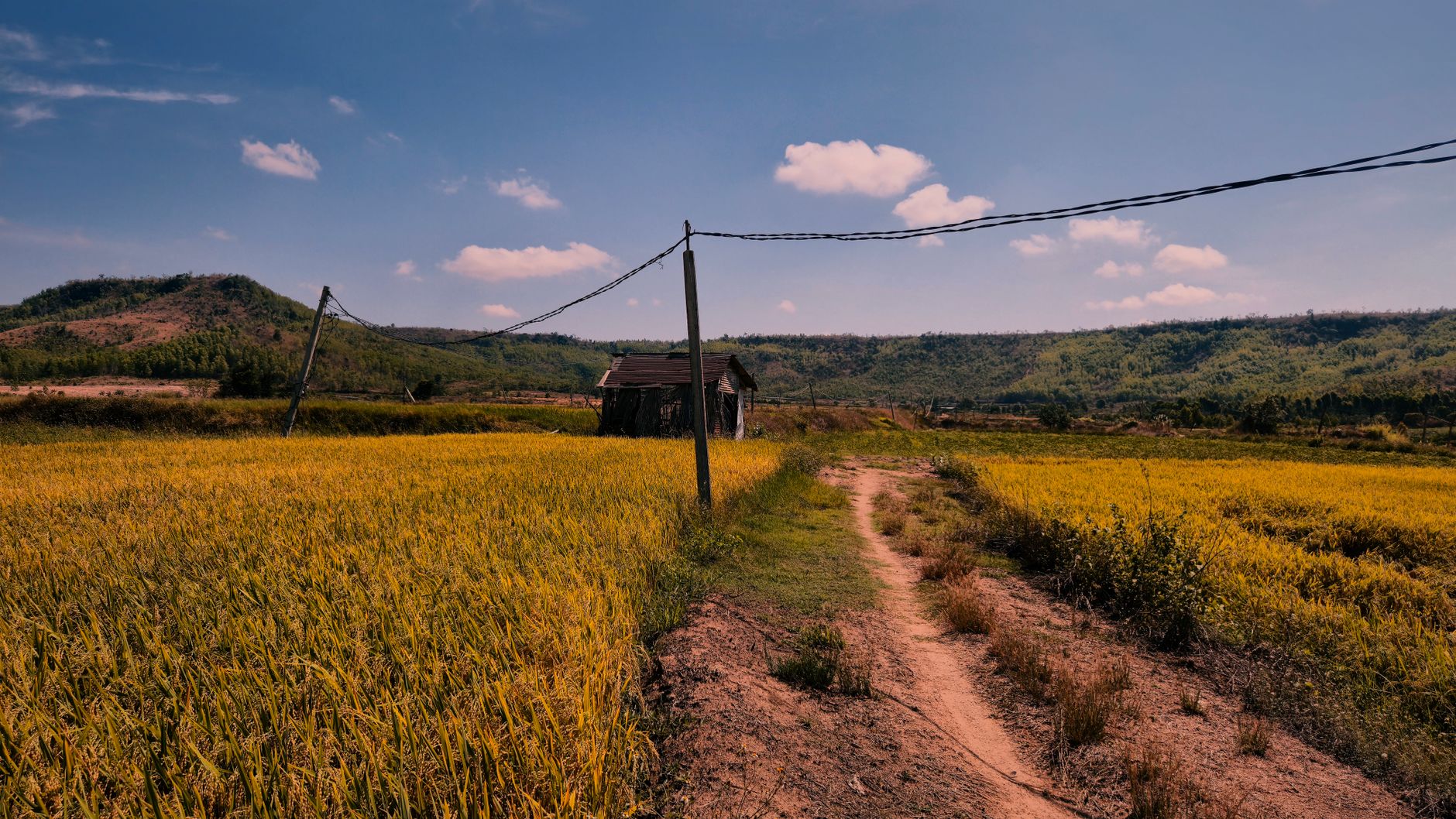
Photo by Tam Freemanfreemind on Pexels
What to do
Summit trek
The main event. The trail to Kon Ka Kinh peak is about 9 km one way through dense forest, crossing several streams. Most people do it as a two-day trek with an overnight camp at around 1,400 m. A guide is mandatory — arrange through the park office (around 500,000-700,000 VND/day for a local ranger-guide). The summit itself offers panoramic views when clear, which means early morning before clouds roll in.
Douc langur observation
Shorter trails near the park office lead through lowland forest where grey-shanked doucs feed in the canopy. Your guide knows the spots. Bring binoculars — a 200 mm lens minimum for photography. Mornings only; by 10 AM the primates retreat to higher branches.
Waterfall trails
Several shorter loops (2-4 hours) pass waterfalls that are genuinely impressive in the early dry season when flow is still strong but trails are passable.
Village visits
Bahnar villages near the park — particularly around Mang Yang and Dak Roong — have traditional stilt houses and communal rong houses with distinctive high-peaked roofs. These aren't tourist villages; be respectful, don't photograph people without asking, and consider bringing a small gift (fruit, coffee) if invited into a home.
Where to eat
There are no restaurants inside the park. Pack food for treks — instant noodles, rice, canned fish, fruit. Your guide may cook if you arrange it.
In Pleiku before/after:
- Pho Khong Ten (literally "nameless pho") on Nguyen Van Troi street — solid bowl for 35,000 VND
- Try "com tam" at the central market area — broken rice with grilled pork, standard Central Highlands style
- Local "banh mi" stalls near the bus station are reliable and cheap (15,000-25,000 VND)
- Pleiku's specialty is "pho kho" — dry pho served with broth on the side, unique to Gia Lai
For vietnamese coffee, Pleiku sits in one of Vietnam's main coffee-growing regions. Any local cafe serves robusta that was roasted that week. Look for small family-run spots, not chains.
Where to stay
In the park: Basic guesthouse at the management station — expect a simple room with fan, shared bathroom. Around 200,000-300,000 VND/night. For the summit trek, you camp (bring or rent gear from the office).
In Pleiku: Budget hotels along Hung Vuong street run 250,000-400,000 VND. For something nicer, Hoang Anh Gia Lai Hotel offers clean rooms from 600,000 VND with decent Wi-Fi.
In Mang Yang town: A couple of nha nghi (local guesthouses) exist, 150,000-200,000 VND, but facilities are minimal.

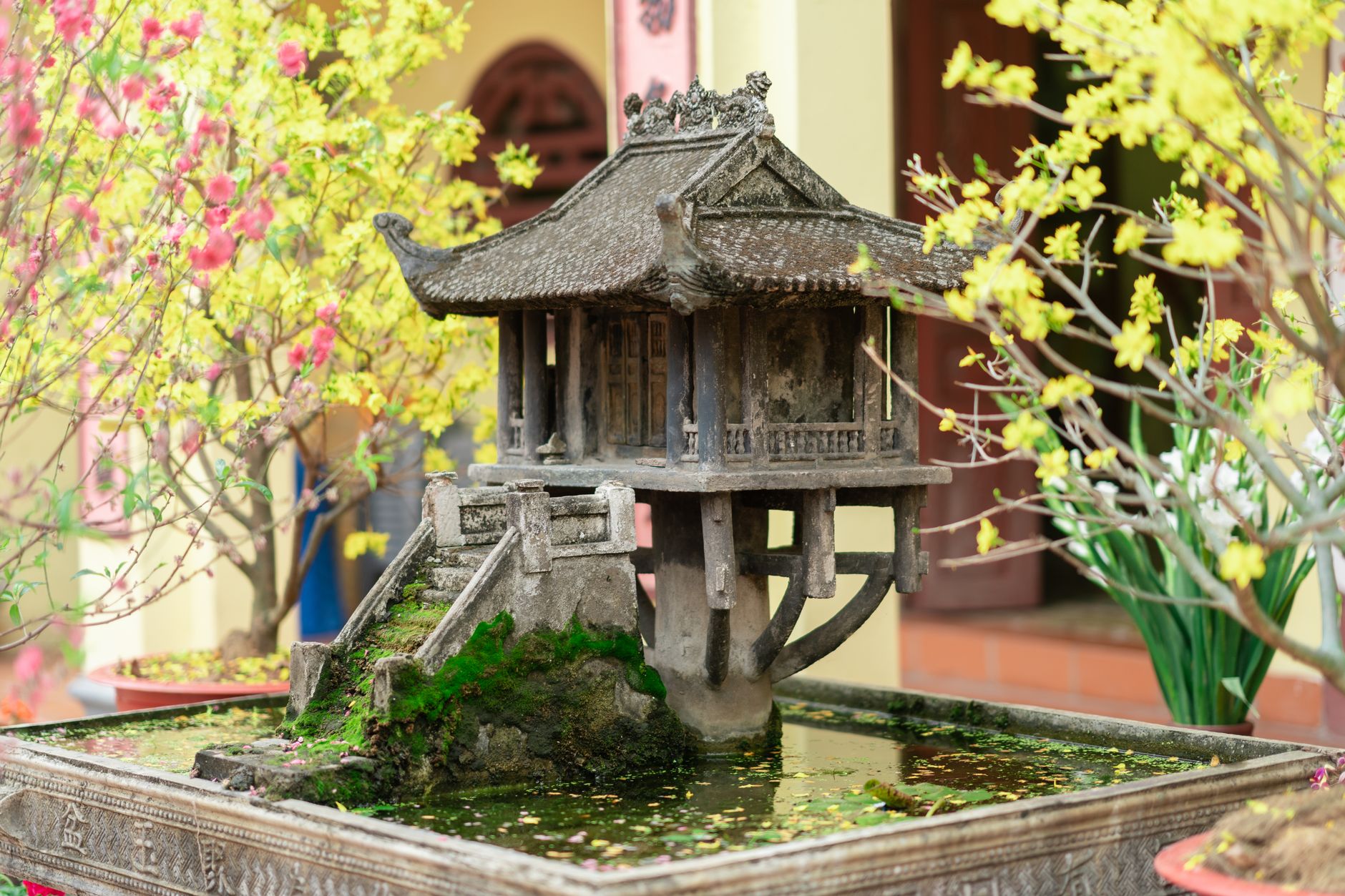
Photo by Ahmad Malulein on Pexels
Practical tips
- Bring leech socks or tuck pants into socks — even in dry season, leeches exist near streams
- The park office phone number changes often; confirm through Gia Lai Tourism Department before arriving
- Cash only everywhere — no ATMs near the park. Withdraw in Pleiku
- Phone signal is patchy to nonexistent inside the park
- A basic Vietnamese phrasebook helps enormously; almost nobody here speaks English
- Mosquito repellent with DEET for evenings at lower elevations
Common mistakes
- Showing up without a guide arranged — you cannot enter independently. Contact the park office at least 2-3 days ahead, especially for the summit trek.
- Underestimating the summit hike — it's not a casual walk. Fitness matters. Bring 3+ liters of water per person per day.
- Coming in heavy rain season — you'll spend the whole time stuck at the entrance while trails are closed.
- Expecting tourist infrastructure — this is not Da Lat or Sapa. No cafes, no souvenir shops, no English signage. That's the point.
Practical notes
Kon Ka Kinh rewards preparation. Do your logistics homework in Pleiku, stock up on supplies, and give yourself at least two full days for the park itself. It's one of the few places in Vietnam where you can spend an entire day in forest and not see another tourist — or hear a motorbike horn.
Last updated · May 29, 2026 · independently researched, never sponsored.