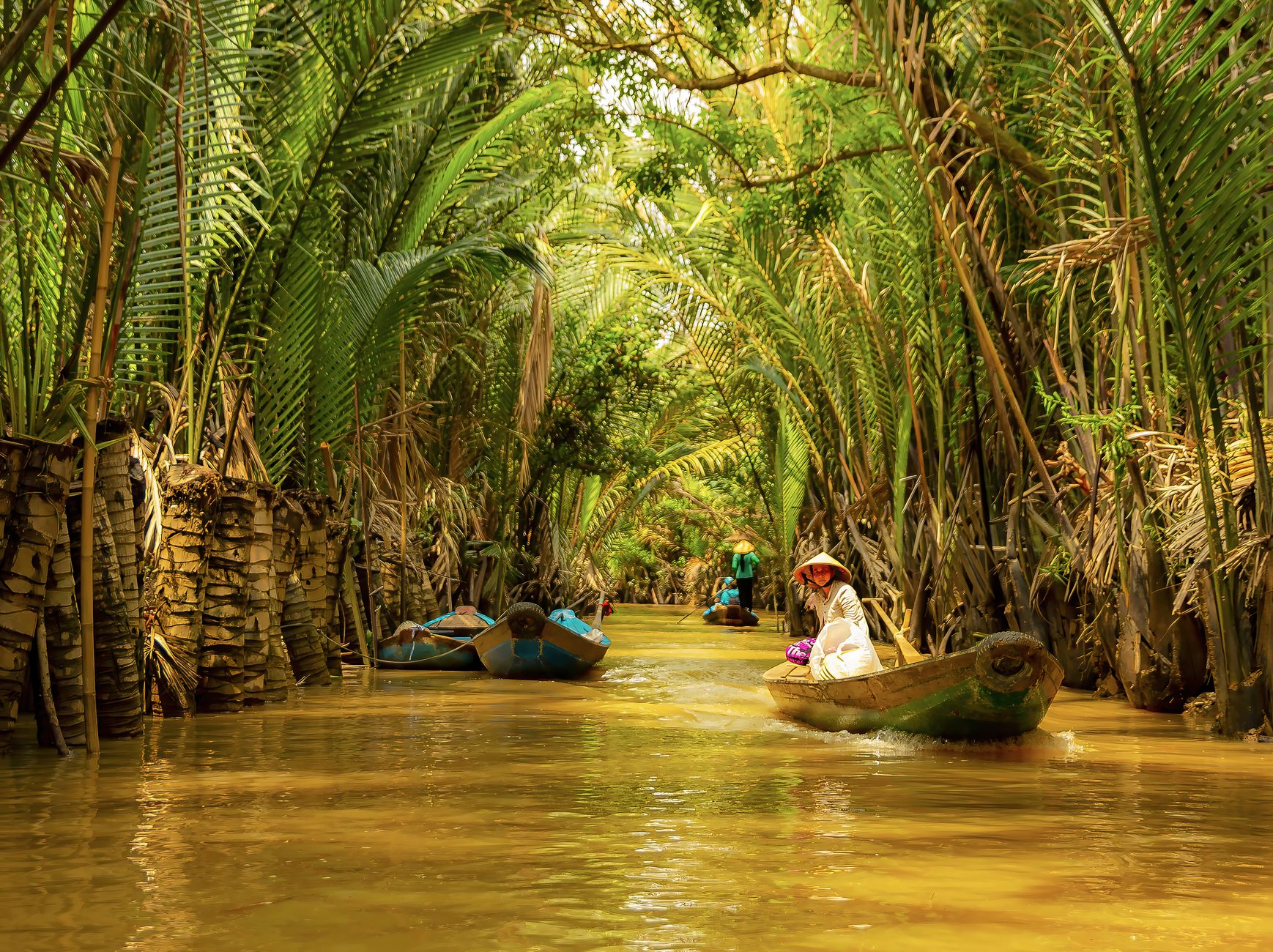
What It Is
Hon Khoai is a small cluster of islands roughly 15 km off the southern tip of Ca Mau province — the furthest point south you can go in mainland Vietnam (베트남 / 越南 / ベトナム) before hitting open sea. The main island, Hon Khoai itself, covers about 4 square kilometers of dense forest rising sharply from the water, topped by a French-era lighthouse built in 1900 that still operates today.
The island group includes Hon Khoai (the largest), Hon Sao, Hon Doi Moi, and a handful of smaller rocky outcrops. For decades this area was restricted, which kept it undeveloped. It's only in recent years that tourism access has opened up, and even now visitor numbers stay low — maybe a few dozen people on a busy weekend.
This isn't a beach resort destination. It's raw, quiet, and slightly inconvenient to reach. That's the point.
Why Travelers Go
Three reasons, mostly. First, the lighthouse — it sits at around 300 meters elevation and the hike up through old-growth forest is genuinely interesting, with massive root systems, occasional wildlife sightings, and views at the top that stretch across the Gulf of Thailand. Second, the water is surprisingly clear for this part of the coast, and the rocky shoreline creates decent snorkeling spots. Third, it's one of those places where being at the geographic extreme of a country carries its own quiet satisfaction — you're standing at the southernmost inhabited point of Vietnam.
Birdwatchers come here too. The forest canopy hosts several raptor species and sea eagles are common around the cliffs.
Best Time to Visit
Dry season runs from November through April. This is when you want to go. The sea is calmer, rain is rare, and boat cancellations are uncommon. January to March is ideal — less humidity, cooler mornings, and the clearest water for snorkeling.
Avoid June through September entirely. The southwest monsoon makes the crossing rough and boats frequently cancel. Even locals don't make the trip in peak rainy season unless they have to.
How to Get There
The jumping-off point is Nam Can town, the southernmost district capital in Ca Mau province.
From Ca Mau city to Nam Can: About 90 km south. Buses run from Ca Mau bus station every hour or so, taking around 2.5 hours. Cost is roughly 60,000–80,000 VND. Motorbike is faster (under 2 hours) if you're comfortable on Vietnamese highways.
From Nam Can to Hon Khoai: You'll need to arrange a boat from the Rach Tau pier area. There's no public ferry schedule — this is chartered boat territory. A typical speedboat holds 8–12 passengers and costs 3,000,000–5,000,000 VND for a round trip depending on the boat, season, and your negotiation skills. The crossing takes 45–60 minutes each way. Some guesthouses in Nam Can can arrange boats; otherwise, ask at the pier early morning.
From Saigon: The most practical route is a flight to Ca Mau airport (roughly 1 hour, operated by Vietnam Airlines), then overland to Nam Can. Alternatively, buses from Saigon to Ca Mau run overnight and take about 9 hours, costing around 250,000–350,000 VND.

Photo by Quang Vuong on Pexels
What to Do
Hike to the Lighthouse
The trail from the landing point to the Hon Khoai lighthouse takes about 90 minutes uphill through tropical forest. It's not paved — expect roots, rocks, and mud if it rained recently. Bring water and decent shoes. The lighthouse itself is a squat colonial-era structure with a working lamp, and the platform offers a full panorama of the island chain and open ocean.
Snorkel the Rocky Shore
The eastern side of Hon Khoai has rocky formations that create sheltered pools with reasonable visibility (5–8 meters in dry season). No coral reefs to speak of, but rock fish, sea urchins, and occasional small rays make it worthwhile. Bring your own gear — there's no rental on the island.
Walk the Forest Loop
A secondary trail loops through the island's interior forest. It's roughly 3 km and takes about 2 hours at a relaxed pace. The canopy is thick enough to block most direct sun, and you'll hear more birds than you see. Look for white-bellied sea eagles overhead and monitor lizards in the undergrowth.
Visit the Fishing Camp
A small seasonal camp of fishermen operates on the island's sheltered western cove. If they're around and you're polite, you can watch them process their catch and sometimes buy fresh squid or crab to grill on the spot. This isn't a tourist attraction — it's just real life happening at the edge of the country.
Explore Hon Sao (If Conditions Allow)
The smaller neighboring island, Hon Sao, is reachable by a short boat hop if your captain agrees. It's rockier and wilder, with tide pools and seabird nesting colonies.
Where to Eat Nearby
Hon Khoai itself has no restaurants — bring food or arrange meals through your boat operator. Back in Nam Can, eat what the locals eat:
Cua bien (sea crab) is the specialty here. Nam Can sits in mangrove country and the mud crabs are fat and cheap — expect 150,000–250,000 VND per kilogram depending on size. Most "quan nhau" (drinking food spots) along the main road grill them with tamarind or steam them with lemongrass.
"Bun nuoc leo" — the Khmer-influenced noodle soup common across Ca Mau — is hearty and costs 30,000–40,000 VND at market stalls. It's a fish-based broth with fermented fish paste, snakehead fish, and fresh herbs.
Where to Stay
Nam Can has basic guesthouses ("nha nghi") ranging from 200,000–400,000 VND per night. Don't expect luxury — you'll get a clean room, air conditioning, and hot water. There's no accommodation on Hon Khoai itself unless you bring a tent and get permission from the local border station.
In Ca Mau city, options are better: mid-range hotels run 500,000–900,000 VND per night, and a couple of newer places charge 1,200,000+ VND with proper amenities.
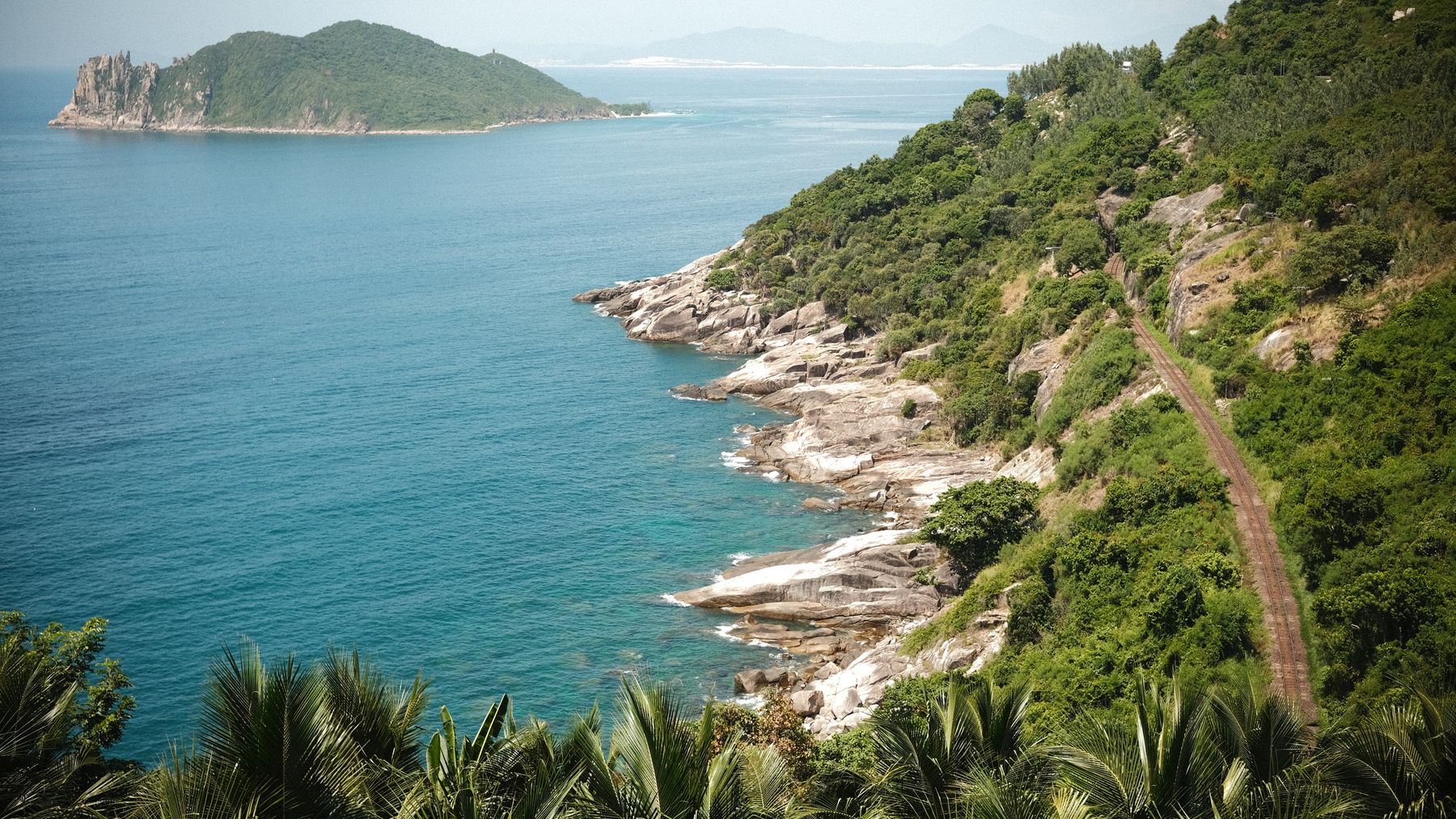
Photo by Nam Ng on Pexels
Practical Tips Locals Would Tell You
- Register your visit. Hon Khoai is in a border zone. Your boat captain will handle paperwork, but bring your passport. Foreign visitors should confirm current access rules at Ca Mau tourism office before making the trip — regulations shift.
- Bring cash. There are no ATMs on the island and card machines don't exist in Nam Can's smaller shops.
- Pack reef-safe sunscreen, a hat, and 2+ liters of water per person. The island has no shops.
- Start early. Boats leave at dawn (5:00–5:30 AM) to maximize calm seas and daylight on the island.
- Bring a plastic bag for trash. There's no waste collection on the island. Carry out everything you bring in.
Common Mistakes to Avoid
- Showing up without a boat arranged. You can't just walk to a pier and catch a ferry. Book at least a day ahead through your guesthouse.
- Wearing flip-flops on the lighthouse hike. The trail is steep and slippery. Proper closed shoes matter.
- Planning a day trip from Ca Mau city. The math doesn't work — 2.5 hours to Nam Can plus boat time means you need to overnight in Nam Can the night before.
- Visiting in monsoon season and being surprised when boats cancel. The sea doesn't care about your itinerary.
Practical Notes
Hon Khoai isn't going to make anyone's quick-hit Phu Quoc comparison list — it's too raw and too far from anything else. But if you're already exploring the Mekong Delta (메콩 델타 / 湄公河三角洲 / メコンデルタ)'s deep south, or you've made it to Ca Mau's cape and want one more layer of remoteness, the island delivers exactly what it promises: forest, ocean, solitude, and a lighthouse that's been blinking for over a century.
Last updated · Apr 25, 2026 · independently researched, never sponsored.