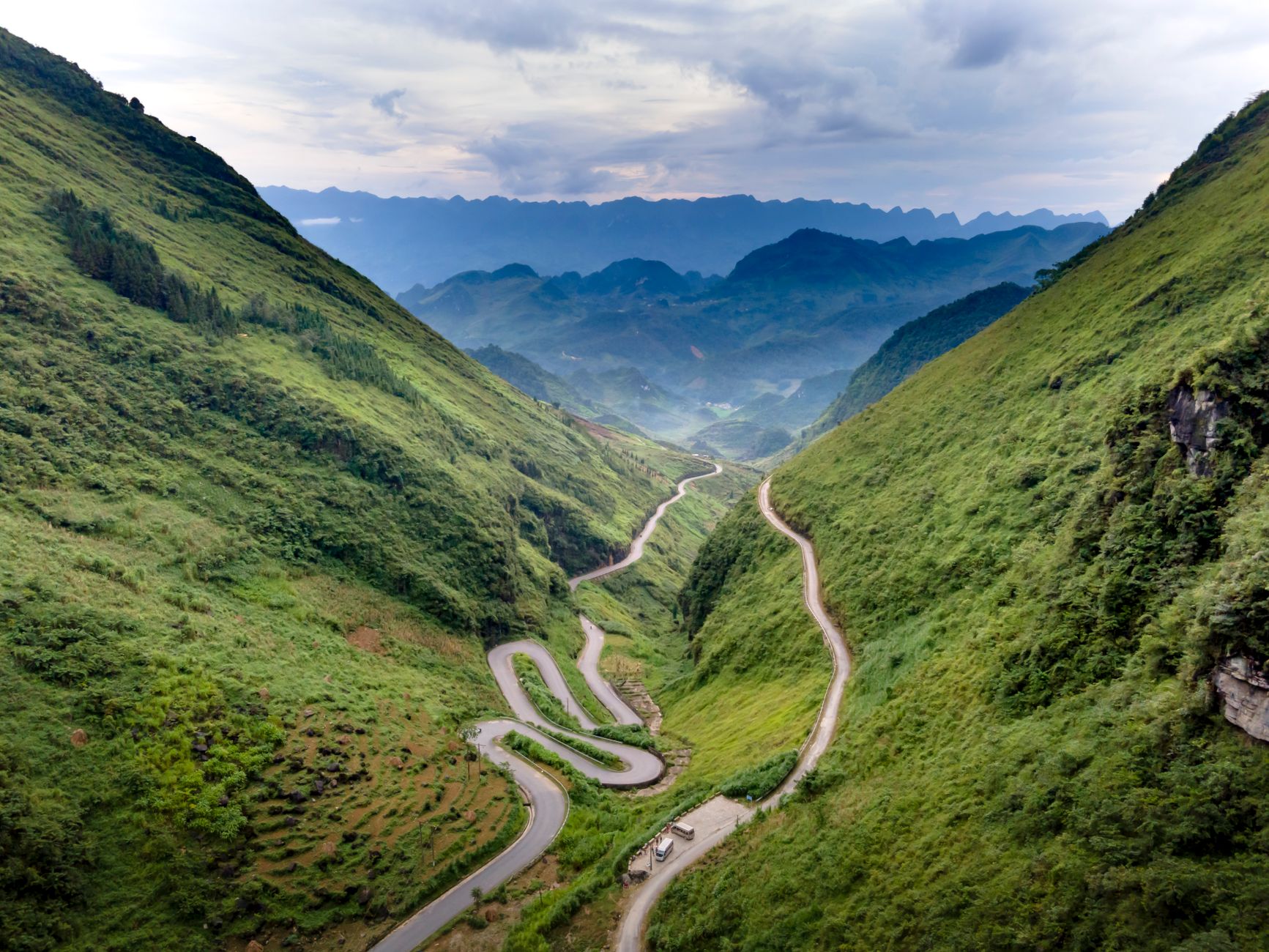
Ha Tinh doesn't show up on most tourist radars, which is exactly why Khu Du Lich Sinh Thai Hai Thuong is worth knowing about. This ecotourism area in the province's Nghi Xuan district sits in the coastal lowlands north of the city, built around the legacy of Hai Thuong Lan Ong — the 18th-century physician Le Huu Trac, one of the most important figures in Vietnamese traditional medicine.
What it is
Khu Du Lich Sinh Thai Hai Thuong is a mid-sized ecotourism complex spread across gardens, ponds, and memorial grounds in Nghi Xuan district, about 25 km north of Ha Tinh city. The site blends leisure — swimming pools, lakeside paths, picnic grounds — with a cultural anchor: the restored memorial and museum dedicated to Le Huu Trac, who practiced and wrote about herbal medicine in this area during the late Le dynasty. The complex includes a medicinal herb garden with labeled specimens, traditional-style pavilions, and a modest museum with period artifacts.
It's not a theme park or a resort. Think of it as a provincial weekend escape that happens to sit on historically significant ground, popular with domestic visitors from Ha Tinh, Nghe An, and Vinh.
Why travelers go
Most foreign visitors who end up here are passing through central Vietnam (베트남 / 越南 / ベトナム) on the north-south route, maybe stopping between Vinh and Dong Hoi on the way to Phong Nha. A half-day detour to Hai Thuong gives you something you won't find in the cave towns or beach strips: a quiet look at provincial Vietnamese life and traditional medicine culture without any tourist infrastructure pressure. There are no touts, no entrance queues, and almost no English signage — which is either a problem or the whole point, depending on what kind of traveler you are.
The herb gardens are genuinely interesting if you have any curiosity about Vietnamese folk medicine. Staff can sometimes walk you through the plants if you speak some Vietnamese or bring a translation app.
Best time to visit
Ha Tinh has a tropical monsoon climate with two distinct seasons. Come between March and June for warm, dry weather — temperatures sit around 28-34°C, and the gardens and lakeside paths are at their best. The site is pleasant in September and October too, once the worst of the summer heat breaks.
Avoid November through January. Ha Tinh gets significant rainfall during these months, and the grounds can get muddy. The area also catches the tail end of typhoon season in October, so check forecasts if you're visiting late in the year.
The busiest periods are Tet (late January or February) and summer weekends in June-July, when domestic families flood the pools and picnic areas. Weekday mornings are the calmest.
How to get there
The nearest major transport hub is Vinh, about 55 km to the north.
- From Vinh by car or motorbike: Take QL1A south through Nghi Xuan district. The drive is roughly 1 hour by car, 1.5 hours by motorbike. A Grab car from Vinh runs around 350,000-450,000 VND one way. If you're riding, the road is flat and straightforward.
- From Ha Tinh city: It's a 25 km ride north on QL1A, about 30-40 minutes. A xe om (motorbike taxi) costs around 80,000-120,000 VND.
- By train: Vinh station is on the main Reunification Express line. From Hanoi, a train takes about 5-6 hours (soft seat around 300,000-400,000 VND). From Vinh, arrange onward transport.
- By bus: Regular buses connect Vinh and Ha Tinh city. From Ha Tinh's bus station, local buses or taxis reach Nghi Xuan district.
There's no public transit directly to the ecotourism site. You'll need your own wheels or a taxi for the last stretch.

Photo by Suki Lee on Pexels
What to do
Walk the medicinal herb garden
The garden cultivates dozens of species used in traditional Vietnamese medicine — things like "ngai cuu" (mugwort), ginger varieties, and turmeric strains specific to the region. Plaques identify each plant in Vietnamese and Latin. Budget 30-45 minutes to walk through slowly.
Visit the Le Huu Trac memorial
The memorial hall has reproduction texts, medical instruments, and a timeline of Le Huu Trac's life. It's small — maybe 20 minutes — but it contextualizes the whole site. His major work, "Hai Thuong Y Tong Tam Linh," is considered one of the foundational texts of Vietnamese herbal medicine.
Rent a pedal boat on the lake
The artificial lake at the center of the complex rents pedal boats for around 50,000-80,000 VND per half hour. Nothing fancy, but it's a relaxed way to spend time, especially with kids.
Explore Nghi Xuan district beyond the park
Nghi Xuan has its own appeal: quiet coastal roads, shrimp ponds, and casuarina-lined beaches at Xuan Thanh (about 10 km east). The beach is basic — no loungers or cocktail bars — but the seafood stalls right on the sand sell grilled squid and clams for next to nothing.
Cycle the surrounding villages
If you have a bicycle (some guesthouses in the area can arrange one), the flat roads through surrounding villages are good for an hour or two of riding. Rice paddies, water buffalo, village temples — the unpolished version of rural Vietnam that tourist circuits skip.
Where to eat nearby
Ha Tinh province is known for "cu doi" — a local sweet potato variety that's dense, orange-fleshed, and often steamed as a snack. You'll find vendors selling it along QL1A near Nghi Xuan.
For a proper meal, head into Ha Tinh city or the Nghi Xuan town center for "banh canh" — the thick tapioca-and-rice noodle soup that's a central Vietnamese staple. Local versions here tend to use crab or shrimp rather than the pork-based broths you'd find further south. A bowl runs 25,000-35,000 VND at market stalls.
Seafood from Cua Hoi fishing port (near the mouth of the Lam River, about 15 km from the site) is fresh and cheap — grilled fish, steamed clams, shrimp fried with salt and chili. Expect to pay 150,000-250,000 VND per person for a full spread.
Where to stay
Hai Thuong itself doesn't have much in the way of accommodation. Your options:
- Ha Tinh city (25 km south): Budget hotels from 250,000-400,000 VND/night. Mid-range options around 500,000-800,000 VND. Nothing luxury-tier.
- Xuan Thanh beach area (10 km east): A handful of basic guesthouses and small resorts, mostly catering to domestic tourists. Rooms from 300,000-600,000 VND, higher in summer.
- Vinh (55 km north): More hotel variety, including some international-standard places around 700,000-1,200,000 VND/night.
Book directly or use Booking.com — Agoda listings for Ha Tinh are thin.

Photo by Quang Nguyen Vinh on Pexels
Practical tips locals would tell you
- Bring cash. Card acceptance outside Ha Tinh city is essentially zero. ATMs exist in town but not at the site itself.
- Bring mosquito repellent. The gardens and lakeside get buggy, especially late afternoon.
- Vietnamese language helps a lot here. Almost nobody at the site speaks English. Download Vietnamese on Google Translate offline before you go.
- Entrance fees are minimal — typically 20,000-30,000 VND for adults. Pool access may cost extra during peak season.
Common mistakes to avoid
- Expecting a polished tourist attraction. This is a provincial ecotourism site, not a Hoi An-level experience. Facilities are basic. That's part of the charm, but set your expectations.
- Coming on a summer weekend without a plan. Domestic visitor numbers spike hard in June-July. Weekdays are dramatically quieter.
- Skipping the herb garden. Most visitors beeline for the pool or the lake and miss the most distinctive part of the site. Don't make that trade.
- Not combining it with Xuan Thanh beach. The two are close enough to pair in a single day trip from Ha Tinh city.
Practical notes
Hai Thuong works best as a half-day stop on a longer central Vietnam route — combine it with Phong Nha (퐁냐 / 峰牙 / フォンニャ) to the south or a night in Vinh to the north. It's not a destination you'd fly to Vietnam for, but if you're already in the area and want something off the tourist conveyor belt, it delivers a genuine slice of provincial Ha Tinh without pretending to be anything it's not.
Last updated · Jul 14, 2026 · independently researched, never sponsored.