What it is
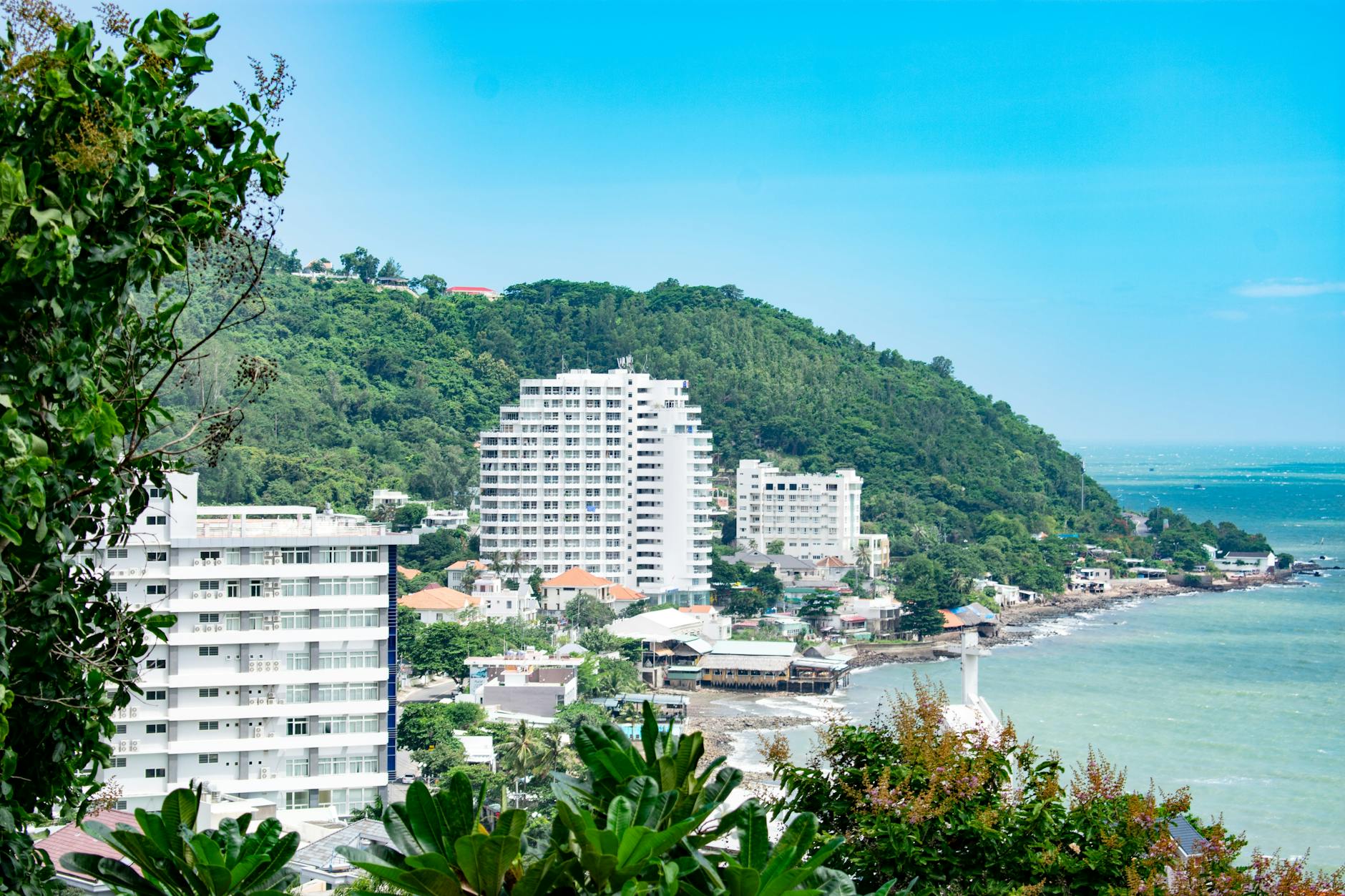
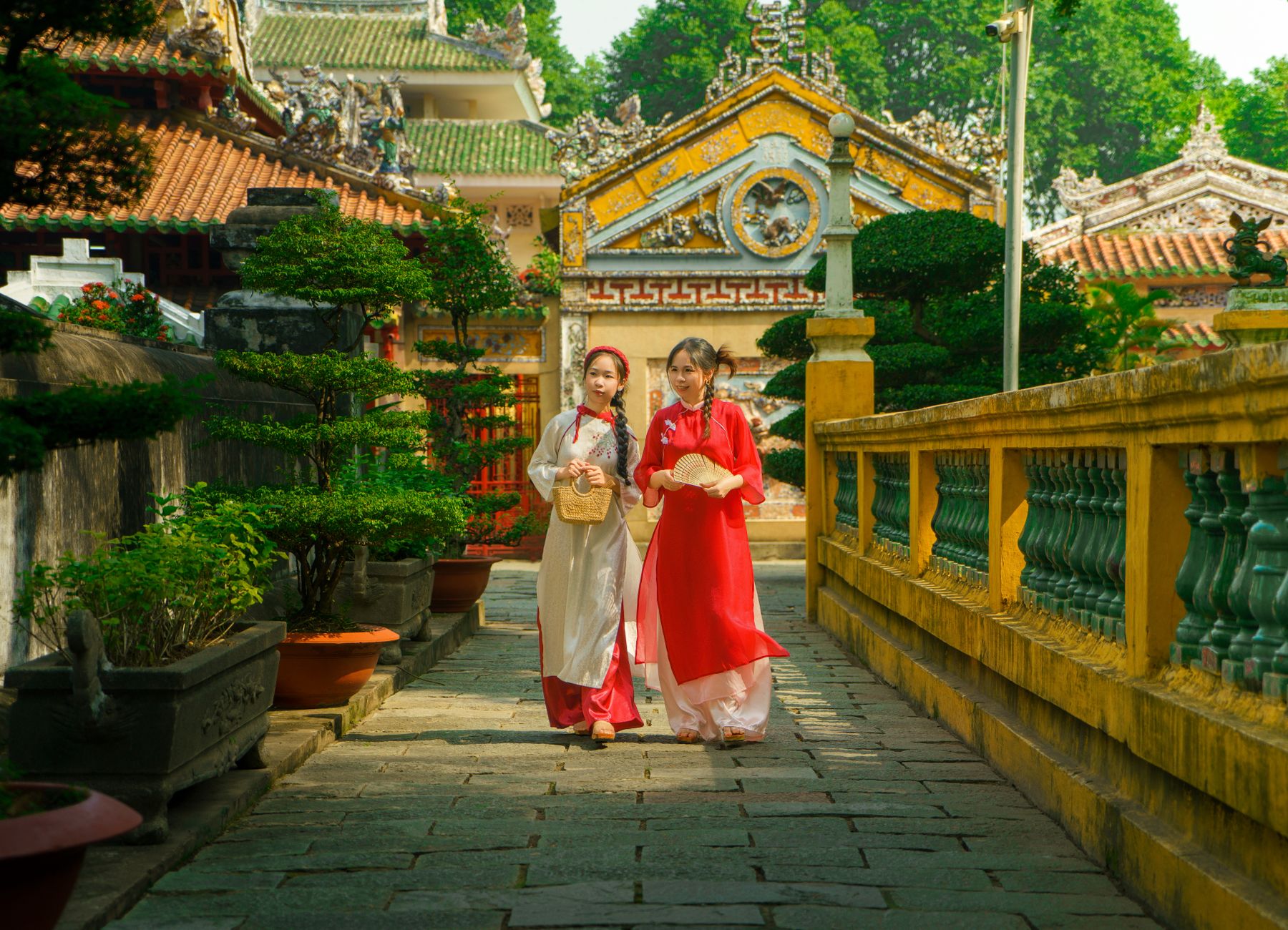
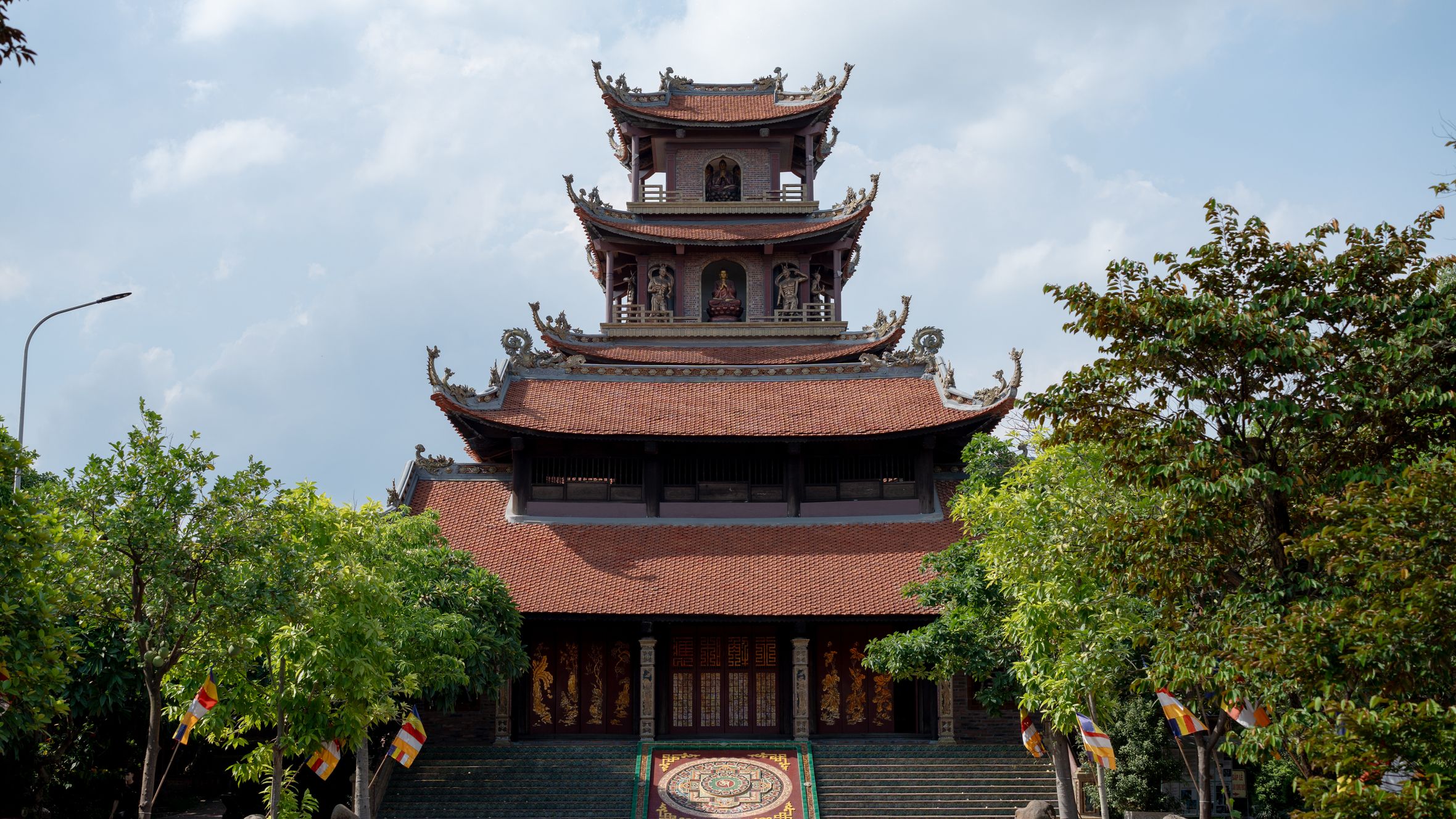
Chua Nui Chau Thoi is a Buddhist pagoda built on top of a small volcanic hill in the Di An area on the northeastern outskirts of greater Saigon. The hill rises about 82 meters — modest by any standard — but in the flatlands surrounding the city, it's one of the few elevated points you'll find. The pagoda dates back to around 1681, making it one of the oldest active temples in southern Vietnam (베트남 / 越南 / ベトナム). It was originally a simple thatched-roof structure built by a monk named Khanh Long, and has been rebuilt and expanded several times since. Today it's a functioning place of worship with multiple shrines, a large courtyard, and old-growth trees that make the whole hilltop feel noticeably cooler than the streets below.
The Vietnamese government classified it as a national historical-cultural relic in 1989. But unlike major heritage sites, Chau Thoi doesn't get tour buses. It's mostly visited by local Buddhists, families on weekend outings, and the occasional traveler who heard about it from someone who actually lives here.
Why travelers go
Three reasons, all practical. First, it's a genuine piece of southern Vietnamese Buddhist architecture without the polish and crowds of places like the Jade Emperor Pagoda in District 1. Second, the hilltop gives you a wide view over the industrial sprawl and river plains northeast of Saigon (사이공 / 西贡 / サイゴン) — not pretty in a postcard way, but interesting if you want to see what the real economic engine of the south looks like from above. Third, it's an easy half-day trip that pairs well with exploring local food outside the usual Saigon tourist circuit.
If you've spent a few days in Saigon doing the standard run — Cu Chi Tunnels, Ben Thanh Market, coffee shops in District 1 — Chau Thoi is a good excuse to get out of the center without committing to a full day trip.
Best time to visit
The dry season (November through April) is the most comfortable. Mornings are best — arrive before 9 AM and you'll have cooler air for the stair climb and fewer people. The hill gets hot and exposed by midday, especially from March to May when temperatures push past 35°C.
The pagoda is busiest on the 1st and 15th of each lunar month, when local Buddhists come to pray and burn incense. Tet and the Mid-Autumn Festival also bring crowds. If you want quiet, go on a weekday morning outside of lunar holidays.
How to get there
From central Saigon (District 1), Chau Thoi is roughly 25 km northeast, in what was formerly Binh Duong province's Di An city.
By motorbike or car: Take the Binh Trieu bridge north, then follow National Highway 1K toward Di An. The ride takes 45-60 minutes depending on traffic. If you rent a motorbike, expect to pay around 150,000-200,000 VND per day from a rental shop in the backpacker district.
By Grab: A Grab car from District 1 costs roughly 180,000-250,000 VND one way. Book the return in advance or be prepared to wait — Grab availability thins out in this area.
By bus: Bus route 616 from Saigon's Mien Dong bus station gets you close, but you'll still need a short xe om (motorbike taxi) ride from the drop-off point. Total cost under 30,000 VND for the bus, plus 15,000-20,000 VND for the xe om.

Photo by Maylight st on Pexels
What to do
Climb the 220 steps
The main approach to the pagoda is a stone staircase of roughly 220 steps winding up through trees. It's not steep enough to be difficult for most people, but wear proper shoes — the steps can be slippery after rain. Along the way you'll pass smaller shrines and statues tucked into the hillside.
Explore the main temple complex
At the top, the pagoda compound includes a main worship hall, a large Quan Am (Avalokitesvara) statue, and several secondary shrines. The architecture mixes traditional Vietnamese temple style with some Chinese-influenced elements — curved tile roofs, dragon motifs, heavy incense smoke. Take time to look at the old stone carvings near the main hall entrance. They're worn but original.
Walk the hilltop loop
A path circles the hilltop through a small garden area with frangipani and banyan trees. The east side gives you views over the Dong Nai river plain. There are benches if you want to sit and let the breeze do its work.
Visit the rock formations
The hill is volcanic in origin, and you can see exposed basalt formations on the northern slope. There's nothing dramatic, but it's geologically unusual for this part of Vietnam and worth a look if you're already up there.
Light incense at the main altar
Even if you're not Buddhist, it's a respectful gesture and the monks don't mind visitors participating. Incense bundles are available for a small donation (5,000-10,000 VND) near the main hall entrance.
Where to eat nearby
The area around Chau Thoi isn't a food destination, but there are a couple of things worth seeking out.
On the road leading to the pagoda entrance, several small stalls sell "banh canh" — thick tapioca noodle soup, usually with pork or crab. A bowl runs 35,000-50,000 VND. It's the kind of roadside place with plastic stools and no English menu, which generally means the food is honest.
If you head back toward Di An's main drag, look for a "com tam" shop — broken rice with grilled pork chop, a fried egg, and pickled vegetables. This is standard southern Vietnamese lunch fare, and the versions out here tend to be cheaper than in central Saigon. Expect 40,000-55,000 VND for a full plate.
For drinks, grab a "ca phe sua da" (iced milk coffee) at any roadside cafe on your way back. Vietnamese coffee culture extends well beyond the specialty shops of District 1.
Where to stay
Most travelers visit Chau Thoi as a day trip from Saigon, which makes the most sense. But if you're passing through:
- Budget: Basic guesthouses ("nha nghi") near Di An run 200,000-350,000 VND per night. Clean enough, nothing fancy.
- Mid-range: A few branded hotels along the highway toward Thu Dau Mot offer rooms for 500,000-800,000 VND with air conditioning, Wi-Fi, and breakfast.
- Better option: Stay in Saigon's Thu Duc area, which is closer to central Saigon for your other plans but still only 20 minutes from Chau Thoi.
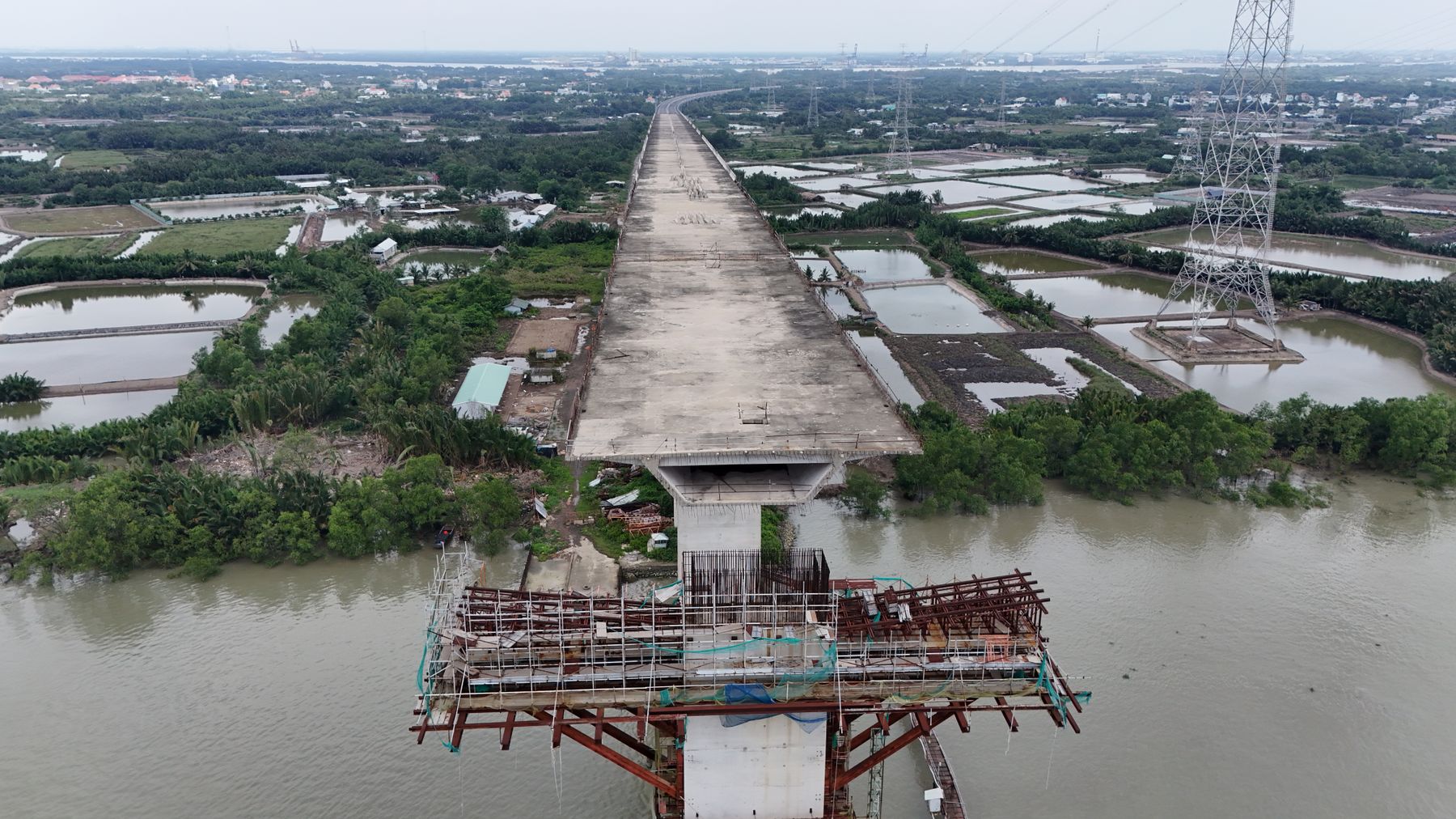
Photo by Cầu Đường Việt Nam on Pexels
Practical tips locals would tell you
- Dress modestly. Shoulders and knees covered. This is an active place of worship, not a tourist attraction, and monks live on site.
- Bring water. There's a small shop at the base of the stairs, but nothing at the top.
- Shoes off before entering any worship hall. Leave them on the rack outside.
- Don't fly a drone. It's a religious site and you'll be asked to stop.
- Parking is available at the base of the hill for about 5,000 VND (motorbike) or 15,000 VND (car).
Common mistakes to avoid
- Going at noon. The hill has limited shade on the stairway and the stone radiates heat. Morning or late afternoon only.
- Expecting a big tourist setup. There's no ticket office, no audio guide, no gift shop. That's the appeal — but come mentally prepared for a local experience, not a packaged one.
- Skipping the climb for the back road. There's a vehicle path to the top that some motorbikes use, but the staircase through the trees is the whole point. Don't shortcut it.
- Not checking lunar calendar dates. If you visit on the 1st or 15th of the lunar month, the pagoda is packed and the incense smoke gets intense. Fine if you want atmosphere, but not ideal for photography or quiet exploration.
Practical notes
Chau Thoi works best as a morning trip combined with lunch outside central Saigon. Pair it with a ride through the industrial outskirts for a side of Vietnam most short-stay visitors never see. Budget about half a day including travel time from District 1.
Last updated · May 29, 2026 · independently researched, never sponsored.