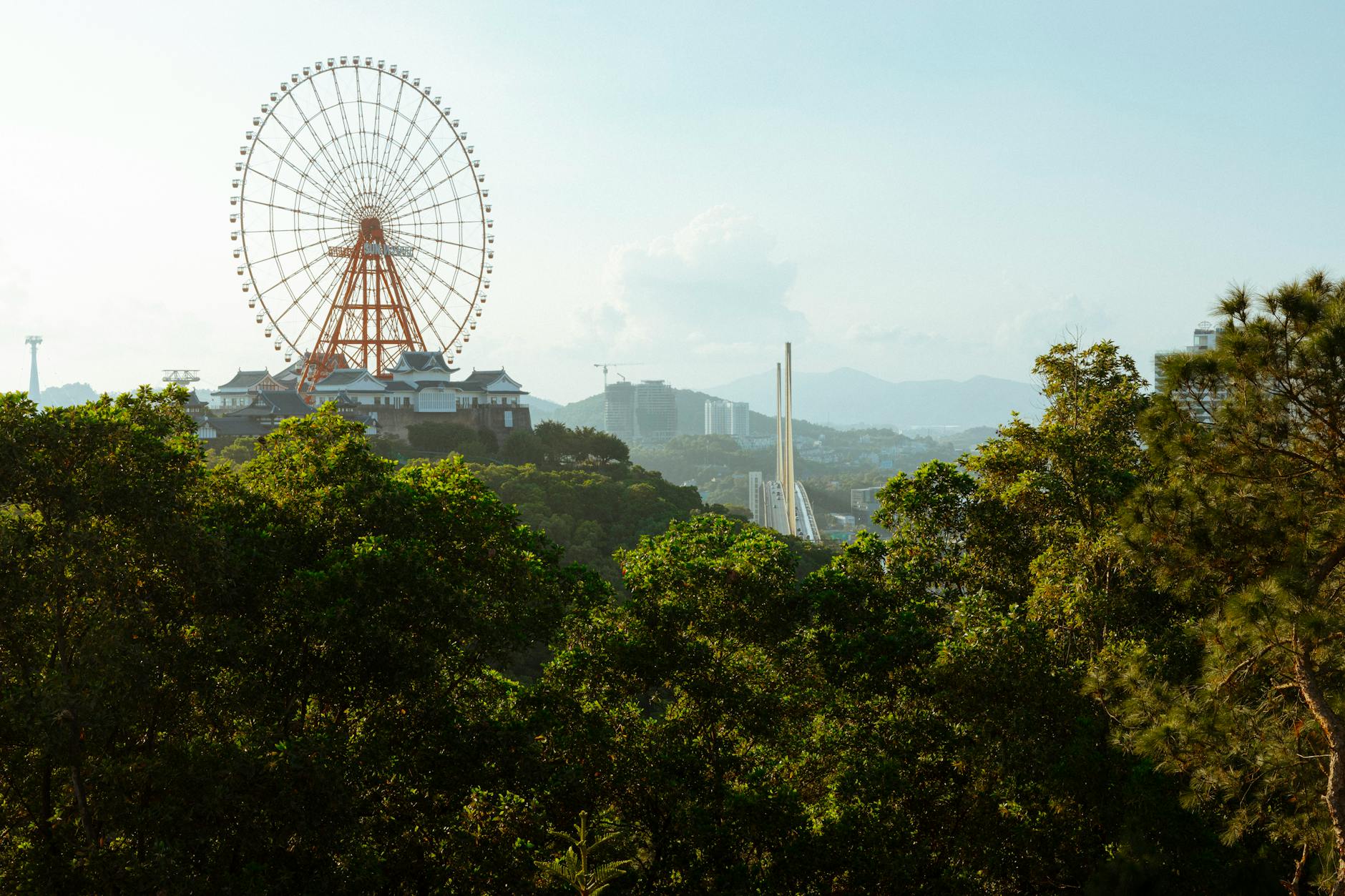
What Mui Sa Vi actually is
Mui Sa Vi is a narrow spit of land at the northeastern end of Tra Co Beach in Mong Cai, Quang Ninh province. It's the point where Vietnam (베트남 / 越南 / ベトナム)'s coastline begins — or ends, depending on your direction. A stone marker and a small monument sit at the tip, flanked by casuarina trees and the sea on two sides. The spot is part of Tra Co ward, a fishing community that's been here for centuries, long before Mong Cai became a busy border-trade town.
For most of its history, Mui Sa Vi was just a geographic footnote — a reference point on nautical charts. It only started drawing domestic visitors in the early 2000s as road infrastructure to Mong Cai improved. There's no entrance fee, no ticket booth, no crowd control. It's a quiet, windswept place that rewards travelers who like endpoints and edges.
Why travelers go
The draw is simple: standing at the geographic starting point of Vietnam's 3,260 km coastline. If you've been to Ca Mau at the southern tip, Mui Sa Vi completes the set. Beyond the marker, there's Tra Co Beach — roughly 17 km of flat, wide sand that stays uncrowded even on weekends. The area also gives you a reason to explore Mong Cai, a border city with a character very different from the tourist trail further south.
This isn't a place you visit for Instagram backdrops or curated experiences. You come here because you're curious about the edges of the country, or because you're already in Quang Ninh and want something beyond Ha Long Bay.
Best time to visit
April through September gives you the warmest weather and calmest seas. June to August is peak season for Vietnamese domestic tourists on Tra Co Beach, but even then it's nothing like Sam Son or Vung Tau. Water temperature is comfortable for swimming from May onward.
October through March brings cooler temperatures (15-20°C some days), fog, and occasional drizzle. The upside: you'll have the beach and the monument almost entirely to yourself. If you don't mind wearing a jacket, the off-season has its own appeal — the fishing boats are out, the seafood is fresh, and the light is softer.
Avoid the weeks right around Tet if you want restaurants and guesthouses reliably open. Many family-run places close for the holiday.
How to get there from Hanoi
Mong Cai is about 300 km northeast of Hanoi. You have two practical options:
Bus: Multiple operators run daily routes from Hanoi (하노이 / 河内 / ハノイ)'s My Dinh bus station to Mong Cai. The ride takes 7-8 hours and costs 250,000-350,000 VND for a sleeper seat. Kumho Viet Thanh and Duc Phuc are reliable names. Buses usually depart early morning or late evening.
Fly + drive: The nearest airport is Van Don International (VDO) in Quang Ninh, about 120 km south of Mong Cai. From Van Don, you can grab a taxi or arrange a car for roughly 1.5-2 hours on the new coastal expressway. Flights from Saigon to Van Don run around 1,200,000-2,000,000 VND depending on season.
Once in Mong Cai, Mui Sa Vi is about 8 km southeast of the city center. A taxi or xe om (motorbike taxi) costs 50,000-80,000 VND one way. If you've rented a motorbike, just follow the coastal road through Tra Co — the monument is signposted.
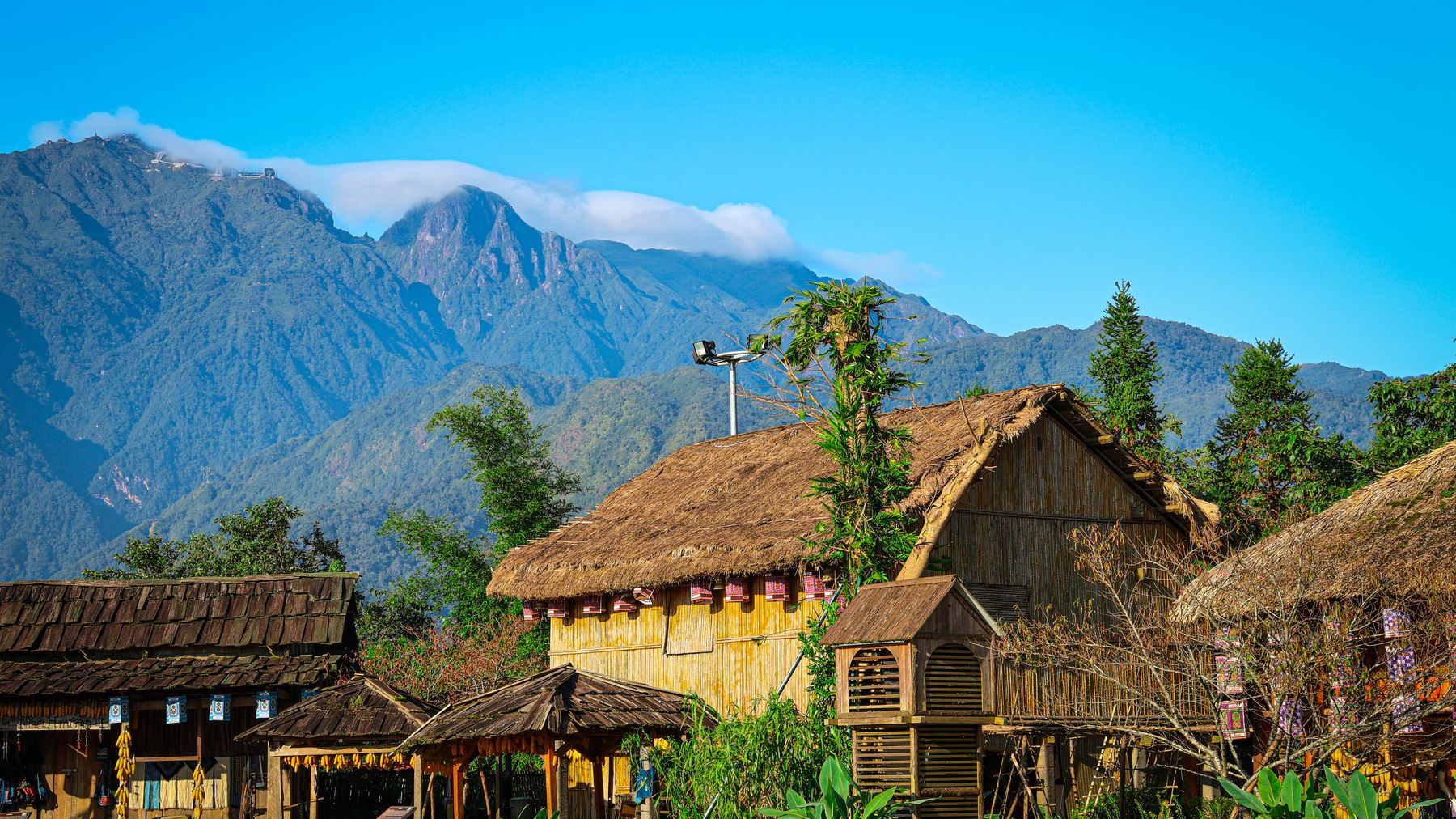
Photo by Haneul Trac on Pexels
What to do
Stand at the marker
The main monument is a concrete pillar with geographic coordinates and a small plaza. It's modest — don't expect a grand landmark. Take your photo, read the inscription, and walk along the rocky shoreline where the Ka Long River estuary meets the sea. At low tide, you can walk further out on the sandbar.
Walk Tra Co Beach
The beach stretches 17 km back toward Mong Cai. The sand is compact and flat — good for walking or cycling. Early mornings, you'll see fishermen hauling nets. The northern end near Mui Sa Vi is the quietest stretch.
Visit Tra Co Church
About 4 km from Mui Sa Vi, this 19th-century Catholic church sits in the middle of the fishing village. Built in 1880 during the French colonial period, it's one of the oldest churches in the northeast. The architecture is simple but handsome, and the surrounding streets are worth a slow walk — old houses, drying fish, village life at its own pace.
Explore the Tra Co fish market
The small market near the beach road sells the morning catch. Crab, mantis shrimp, clams, and whatever else came in that day. Prices are lower than in Ha Long or Hanoi. You can buy seafood here and ask a nearby restaurant to cook it for a small fee (typically 50,000-100,000 VND for preparation).
Cross into Mong Cai's border market area
Mong Cai's center has a busy trade zone near the Ka Long River. The market sells Chinese goods, dried seafood, and local specialties. It's chaotic and commercial — not every traveler's thing — but it gives you a feel for life in a Vietnamese border town.
Where to eat nearby
Tra Co is known for "banh cuon" made with a local twist — thinner sheets, sometimes filled with minced crab instead of pork. Look for small shops in the village rather than beachfront restaurants. A plate runs 30,000-50,000 VND.
The other thing to eat here is seafood, specifically grilled "goi cuon" style — fresh rolls stuffed with steamed shrimp or crab from the market. Several family restaurants along the Tra Co beach road serve whole grilled fish, stir-fried clams, and crab hotpot. A full seafood meal for two runs 300,000-500,000 VND, significantly cheaper than Ha Long Bay tourist restaurants.
Where to stay
Mong Cai has the widest range of accommodation. Budget hotels near the market area go for 300,000-500,000 VND per night. Mid-range options like Hai Yen Hotel or Mong Cai Trade Union Hotel sit around 600,000-900,000 VND.
On Tra Co Beach itself, a handful of guesthouses and small resorts operate seasonally. Expect 400,000-800,000 VND per night. Facilities are basic — clean rooms, hot water, maybe air conditioning. This isn't a resort destination. If you want something more polished, stay in Mong Cai and drive out.

Photo by AN Nhol on Pexels
Practical tips locals would tell you
- Bring sunscreen and a hat even in cooler months. The wind off the sea amplifies UV exposure.
- Carry cash. Card payment is rare outside Mong Cai's larger hotels.
- If you're riding a motorbike, check your fuel before heading to Tra Co. There's one gas station on the road out, and it occasionally closes early.
- The monument area has no shade structures. Visit before 10 AM or after 3 PM in summer.
- Mobile signal (Viettel works best here) is decent at the beach but can drop near the tip.
Common mistakes to avoid
Treating it as a day trip from Ha Long Bay. It's 200 km from Ha Long to Mong Cai — that's 3-4 hours each way. Plan at least one night in Mong Cai or Tra Co to make the trip worthwhile.
Expecting a tourist attraction. There's no visitor center, no audio guide, no café at the monument. If you need infrastructure, this isn't your spot.
Skipping Tra Co village. Most visitors drive straight to the monument, snap a photo, and leave. The village itself — the church, the market, the beach walk — is where the actual experience lives.
Practical notes
Mui Sa Vi works best as part of a longer Quang Ninh itinerary. Combine it with Ha Long Bay and Van Don Island for a week-long northern coast trip. The journey to get here is the commitment — the place itself asks very little of you except that you show up and pay attention.
Last updated · May 29, 2026 · independently researched, never sponsored.