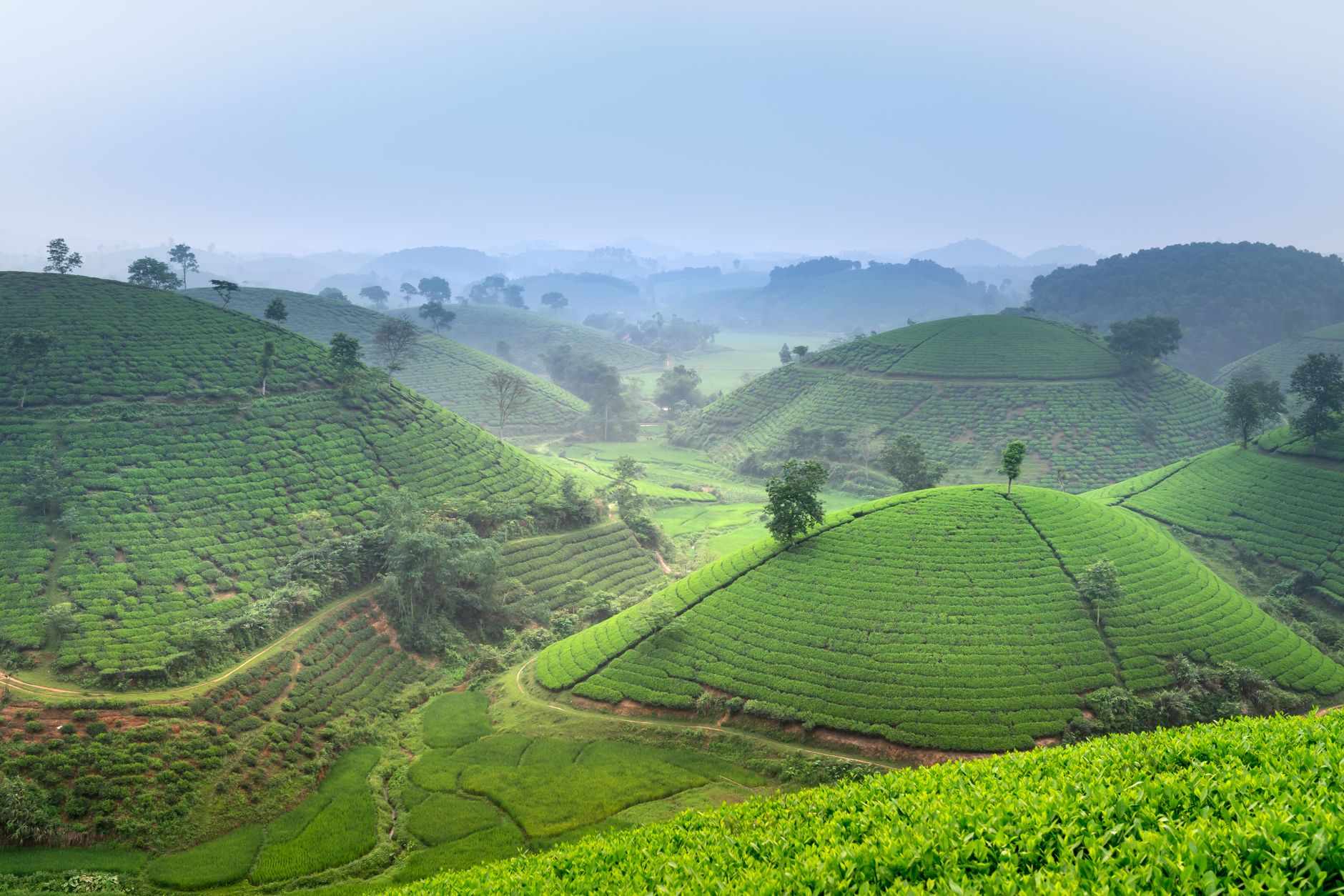
What Suoi Mooc is — and why it matters
Suoi Mooc is a spring-fed stream that runs through dense jungle in the Phong Nha-Ke Bang region of central Vietnam (베트남 / 越南 / ベトナム). The name translates roughly to "Squid Stream" — nobody seems sure why — and the water flows out of a limestone karst system before winding through a narrow valley thick with tropical canopy. For years it was just a local swimming spot. Then backpackers staying in Phong Nha started showing up, word spread, and now it draws a steady trickle of visitors who want something beyond caves.
It sits about 8 km west of Phong Nha (퐁냐 / 峰牙 / フォンニャ) town, inside the buffer zone of the national park. There's no entrance fee. No ticket booth. You park your motorbike, walk a short path through the trees, and you're standing in cold, absurdly clear water running over smooth rocks. That's the whole pitch.
Why travelers go
The appeal is simple: natural swimming pools in a jungle setting without the infrastructure (or crowds) of a resort. The stream has sections shallow enough to wade and deeper pools where you can actually swim. Water temperature hovers around 20–22°C year-round, fed by underground springs — genuinely cold by Vietnamese standards. There are a few rope swings that locals have rigged to overhanging trees, and some sections where you can float downstream on your back watching the canopy overhead.
It's also free. In a region where cave tours run 150,000–650,000 VND per person, a morning at Suoi Mooc costs nothing beyond fuel to get there.
Best time to visit
The sweet spot is March through August. The dry season peaks from April to June, water levels are manageable, and the stream is at its clearest. July and August are hotter, which makes the cold water more appealing, though afternoon rain showers become common.
Avoid October through December if you can. This stretch is peak monsoon for the central coast, and the Phong Nha area gets hammered. The stream swells, the current picks up, and the access path can turn to mud. Locals will tell you the water goes brown after heavy rain — not dangerous, just not pleasant. January and February are cooler and drier but overcast; fine for visiting, though the cold water feels less inviting when the air temperature is 17°C.
How to get there
The nearest hub is Phong Nha town (Son Trach village), about 8 km east of Suoi Mooc along a paved road.
- From Dong Hoi: Phong Nha is roughly 45 km northwest of Dong Hoi, the nearest city with a train station and airport. A taxi or Grab car runs about 350,000–450,000 VND one way. Local buses depart from Dong Hoi bus station a few times daily for around 40,000 VND, but schedules are irregular.
- From Phong Nha to Suoi Mooc: Rent a motorbike in Phong Nha (120,000–150,000 VND/day is standard) and ride west on the road toward the national park. The turnoff is signposted — look for a small sign on the left about 3 km past the Phong Nha cave boat dock. The final stretch is a narrow concrete path through farmland. Total ride: 15–20 minutes.
- From Hue: About 210 km north. The easiest option is the daily tourist shuttle buses that connect Hue to Phong Nha (around 200,000–250,000 VND, 4–5 hours). From there, motorbike to the stream.

Photo by Trinh Tuoi on Pexels
What to do
Swim the pools
The main draw. Walk upstream from the parking area and you'll find a series of natural pools at different depths. The first pool you hit is usually the busiest — keep walking 10–15 minutes upstream for quieter spots. The rocks are smooth but can be slippery; water shoes help.
Try the rope swings
A couple of rope swings hang from trees over deeper sections. They're not professionally installed — just ropes tied to branches — so check the knots and the water depth before launching. The biggest swing drops about 3 meters into a pool that's roughly chest-to-head deep.
Trek upstream
The stream valley extends further than most visitors bother to explore. If you walk 30–40 minutes upstream, scrambling over rocks and wading through shallow sections, the jungle closes in and you'll likely have the place to yourself. Bring proper footwear — flip-flops won't cut it on wet limestone.
Combine with Phong Nha caves
Most people pair Suoi Mooc with a morning cave tour. Phong Nha Cave (boat tour, 150,000 VND) or Paradise Cave (250,000 VND) in the morning, then the stream in the afternoon heat. It's a natural one-two.
Picnic under the canopy
Bring food. There's no restaurant at the stream — just a couple of drink vendors who may or may not be there. Grab "banh mi" and fruit from Phong Nha town before you ride out.
Where to eat nearby
Back in Phong Nha town, look for "com hen" — rice with tiny clams from the Son River, served with herbs, peanuts, and a sour broth on the side. It's a central Vietnamese staple you'll also find in Hue. Several family-run restaurants along the main road serve it for 30,000–45,000 VND.
For something more filling, the local version of "bun bo Hue" — the spicy beef and pork knuckle noodle soup — shows up at most street-side places. A bowl runs 35,000–50,000 VND. The Phong Nha stretch of restaurants near the river also does decent grilled chicken and rice sets for around 60,000 VND.
Where to stay
Budget (200,000–400,000 VND/night): Phong Nha has a strong backpacker scene. Hostels like Easy Tiger and Phong Nha Farmstay's dorm beds cluster around the 150,000–250,000 VND range. Private rooms in guesthouses start around 300,000 VND.
Mid-range (500,000–1,200,000 VND/night): Homestays with river views and air conditioning. Several line the road between Phong Nha town and the national park entrance.
Upper (1,500,000+ VND/night): A handful of boutique spots have opened in recent years, offering pool access and guided tours. Limited options — this isn't Hoi An.
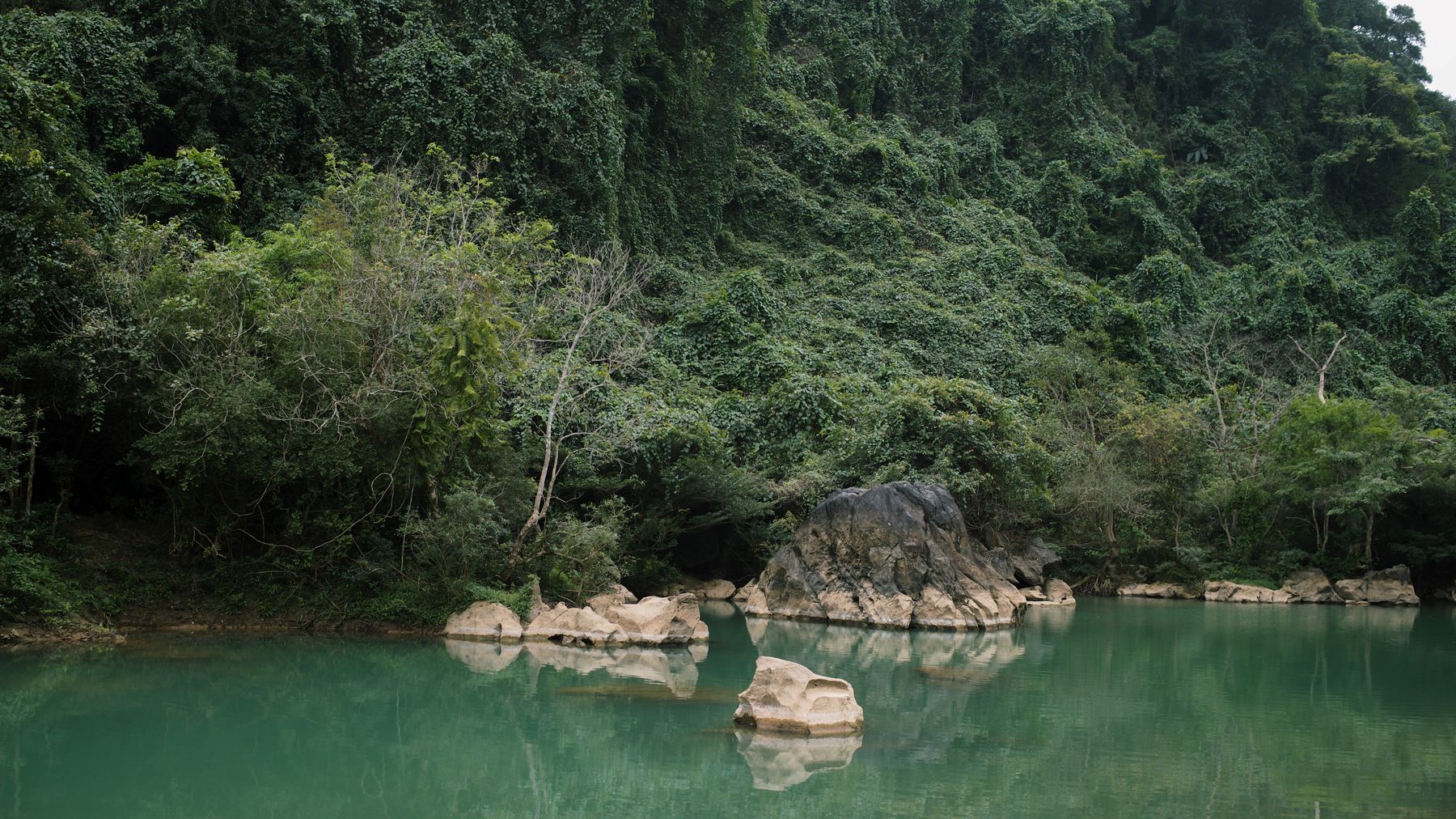
Photo by Lucas Tran on Pexels
Practical tips locals would tell you
- Bring water shoes. The rocks are slippery and some have sharp edges. Flip-flops wash off in the current.
- Go in the morning. By early afternoon, tour groups sometimes roll through. Before 10 AM, you'll share the stream with maybe a dozen people.
- Carry your trash out. There are no bins. This is a buffer zone of a UNESCO-listed national park. Leave nothing behind.
- Sunscreen before you arrive. The canopy provides shade, but the pools catch direct sun. Reef-safe sunscreen if you can find it — the water feeds back into the karst ecosystem.
- Cash only. No ATMs at the stream. The nearest is in Phong Nha town.
Common mistakes to avoid
- Skipping it because it's not a cave. The Phong Nha area is synonymous with caves, but spending every day underground gets repetitive. Suoi Mooc breaks up the itinerary.
- Wearing jeans or heavy clothes to swim. Sounds obvious, but plenty of domestic tourists wade in fully dressed. Quick-dry shorts and a rashguard are ideal.
- Not walking upstream. The first pool near the entrance is fine, but the better spots are 15–20 minutes further in. Most visitors don't bother, which is exactly why you should.
- Visiting after three days of rain. Check conditions with your hostel or guesthouse. If it's been pouring, the stream turns murky and the current can be strong enough to knock you off your feet in the shallow sections.
Practical notes
Suoi Mooc works best as a half-day trip from Phong Nha. Pair it with a cave visit, budget 3–4 hours for the stream itself, and you've got a full day sorted. No booking required, no guide needed — just a motorbike, water shoes, and something to eat.
Last updated · May 29, 2026 · independently researched, never sponsored.